
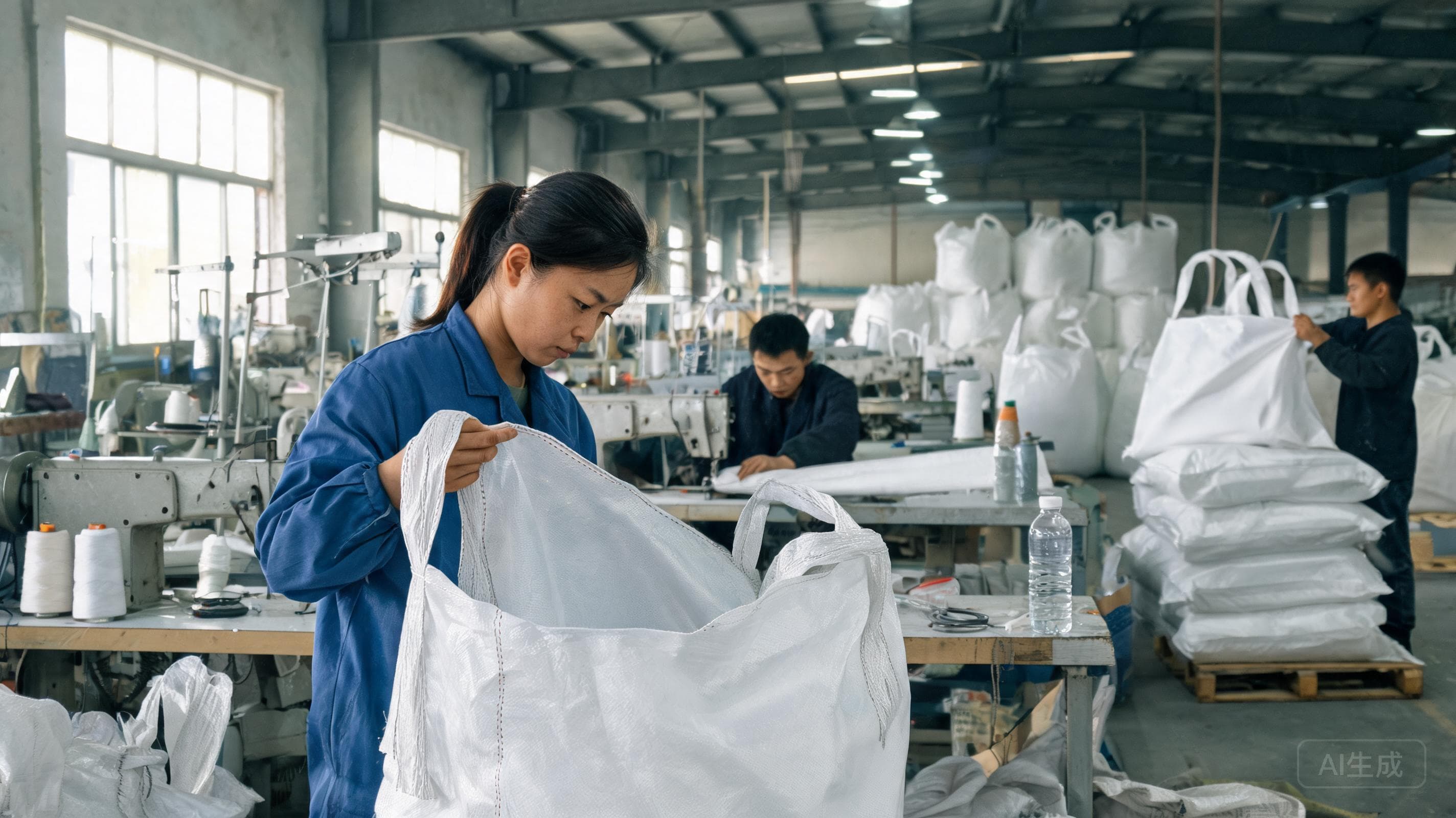
2026 Bulk Packaging: How Custom FIBC Bags Solve Compliance, Cost & Labor Challenges
Why Standard Bulk Bags Fall Short in 2026
Standard bulk bags often fail under the demands of modern industrial environments. Common issues include moisture ingress that spoils hygroscopic materials, static discharge risks that can ignite combustible dust, and inadequate barrier protection for sensitive goods like lithium battery cathode powder or nylon granules. These failures lead to costly product loss and safety hazards. Labor constraints further compound the problem. Designs that are difficult to handle—lacking features like an overhead bulk bag, inner lifting loop bulk bag, or forklift bulk bag—increase manual handling time and worker fatigue. New regulations now mandate anti-static bulk packaging, flame retardant packaging, and oxygen barrier bulk bag specifications for chemicals and new energy materials. The cost of non-compliance—fines, product spoilage, and reputational damage—far outweighs the upfront investment in quality FIBC bags. For a deeper look at how these challenges are being addressed, read how custom fibc bags solve moisture and static challenges in industrial bulk packaging.
Custom FIBC Bags: Tailored Solutions for High-Value Materials
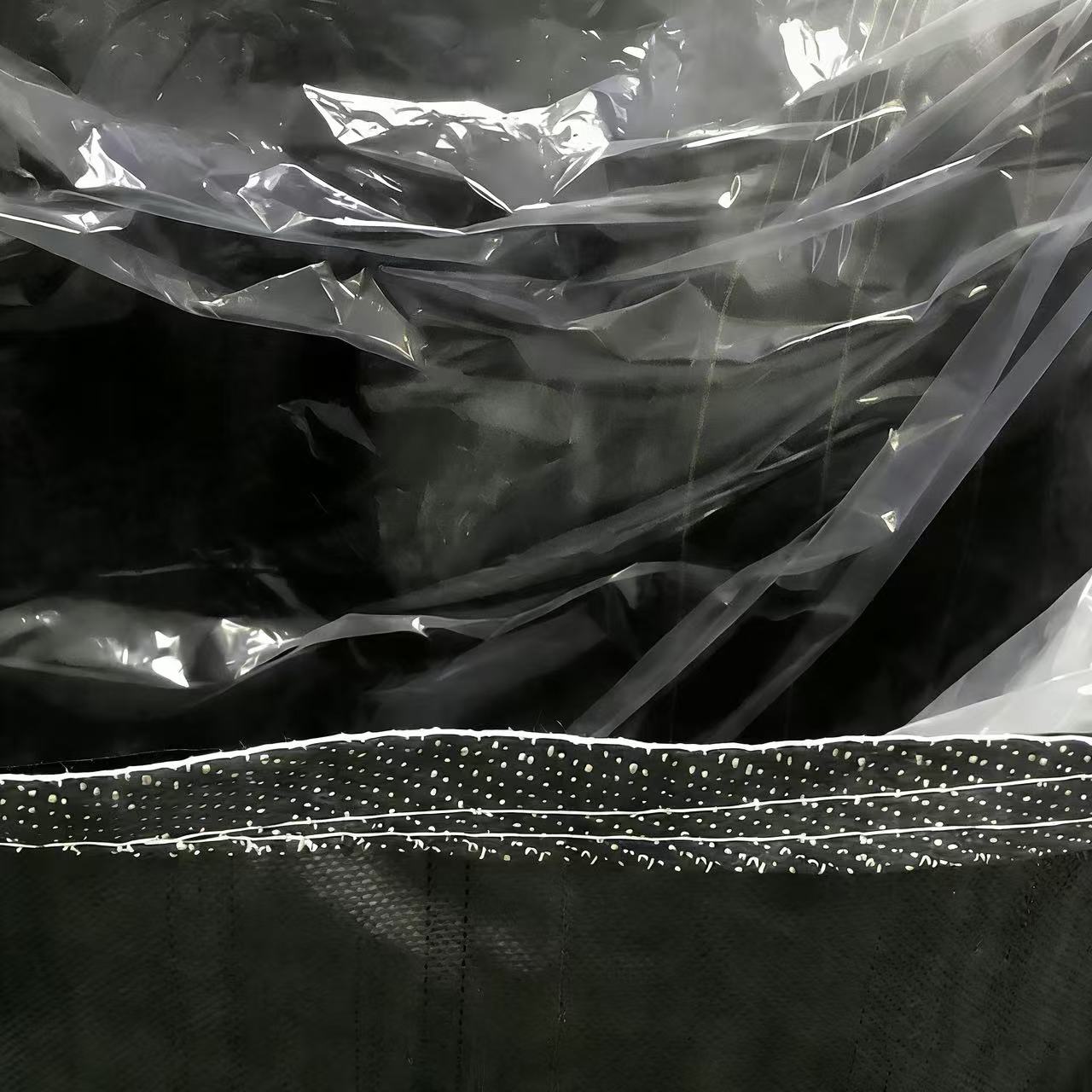
Custom FIBC bags offer a precise answer to these challenges. Our product range includes Custom White PP FIBC Bags (1.5-ton SWL, double-thread overlock sewing) and PP FIBC Jumbo Bags (1-ton black, moisture-proof & dust-proof), along with specialized designs for lithium battery cathode material packaging. Key features include a cross-reinforced bottom for stability, a discharge spout for controlled emptying, a filling spout for efficient loading, and lifting loops for safe overhead handling. Barrier technology is central to performance: an aluminum foil liner, aluminum-plastic inner bag, and formed inner belly bag provide moisture-proof bulk packaging, anti-oxidation packaging, and light-proof FIBC protection for sensitive powders. These configurations are proven in applications ranging from mineral bulk packaging and chemical powder packaging to plastic pellet packaging and feed bulk bags. For a real-world perspective, see how a senior procurement manager eu chemical group leveraged these solutions.
Proven ROI: How Custom FIBCs Reduce Total Cost of Ownership
The return on investment for custom FIBCs is measurable. Companies using factory-direct FIBC with aluminum foil laminated bags report lower product loss and fewer returns due to moisture or oxidation damage. Moisture-proof bulk packaging reduces waste, while an oxygen barrier bulk bag extends shelf life. Designs incorporating a soft pallet lifting sling and inner lifting loop reduce handling injuries and associated costs. Labor efficiency improves significantly: bulk material handling packaging that integrates with existing forklift and overhead crane systems can cut loading and unloading time by up to 30%. Scalability is another advantage—custom FIBC bags (1-2 ton bulk bags) allow manufacturers to standardize packaging across multiple product lines, simplifying procurement and inventory management. A regional sourcing director global mineral materials co recently shared how this approach transformed their supply chain.
Choosing the Right FIBC for Your Application
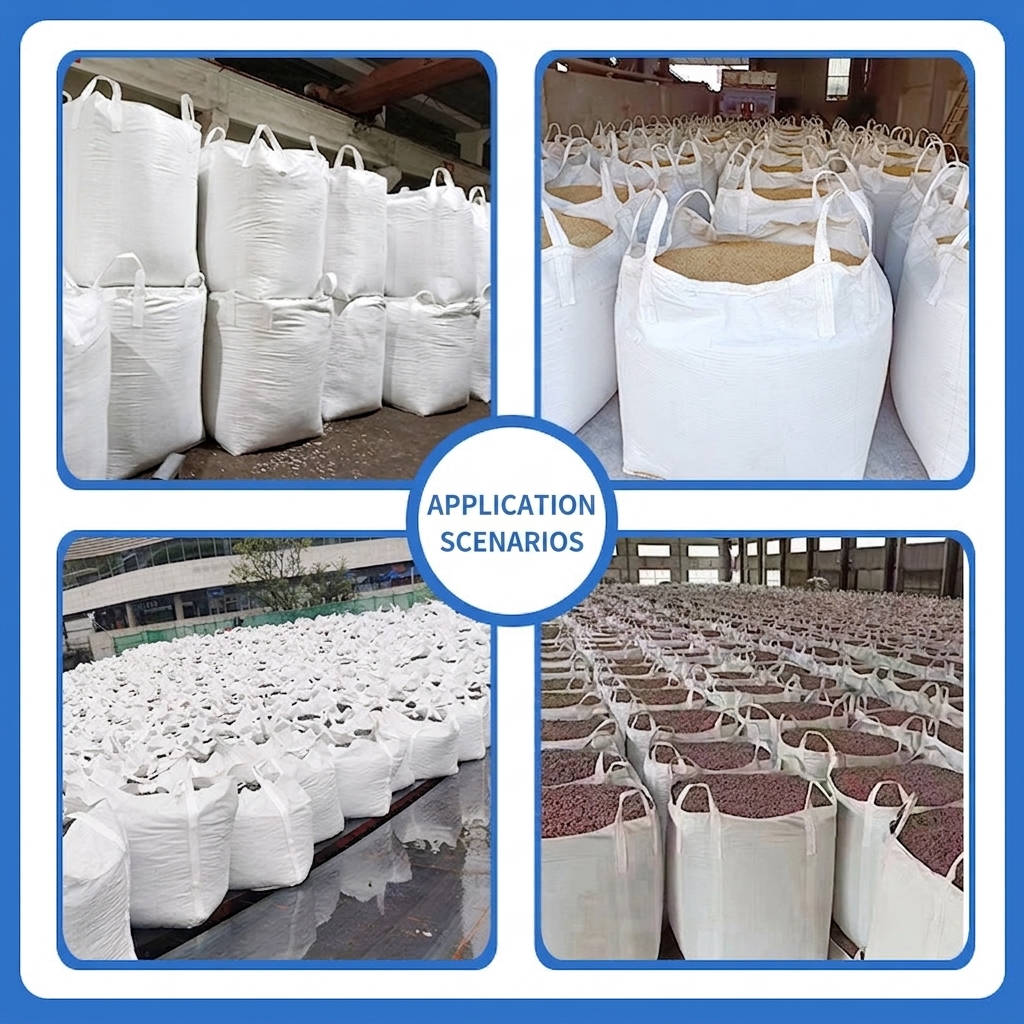
Selecting the right FIBC requires a structured decision framework. Assess your material type (powder vs. granules), its sensitivity (moisture, oxygen, light), handling method (forklift, overhead crane), and regulatory requirements (anti-static, flame retardant). For lithium battery cathode material packaging, a Light-Proof FIBC for lithium powder anti moisture oxygen barrier with an aluminum foil liner is ideal. For construction materials, a heavy-duty PP container bag with a cross reinforced jumbo bag design offers durability. Food-grade powders benefit from a 3-side seal aluminum foil bag with custom printing. Every aspect—size, fabric weight, lifting loop configuration (inner lifting loop bulk bag vs. standard), discharge type, and printing—is adjustable to match your exact needs. Partnering with a manufacturer that offers factory-direct FIBC, quality certifications, and fast turnaround is essential. For more insights, read turning packaging pitfalls into profit the case for custom fibc bags in industrial bulk handling.
Conclusion: Future-Proof Your Bulk Packaging Strategy
The 2026 landscape demands packaging that is compliant, cost-effective, and labor-efficient—custom FIBC bags deliver on all fronts. From aluminum foil liner bulk bags and anti-static bulk packaging to jumbo bags for nylon granules packaging, the right solution reduces risk and improves efficiency. Contact our team to discuss your specific bulk material handling packaging needs and request a quote for custom FIBC bags. Get in touch with us today to stay ahead of regulations and optimize your operations.
Related News
Other news you might be interested in
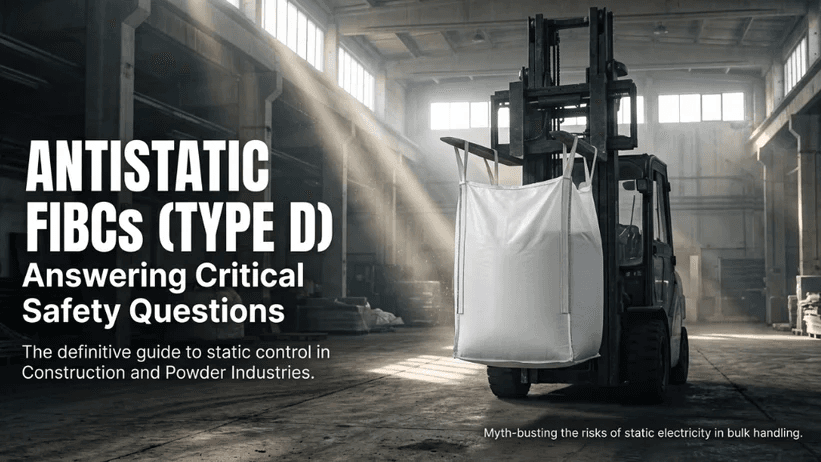
Antistatic FIBCs: When Are Type D Bags Mandatory in the Construction and Powder Industries?
Type D bags become mandatory when fine powders, airborne dust, or charged materials create static-electricity hazards during filling, emptying, transport, or storage. These risks appear often in construction and powder industries, where dry granular materials generate static through friction.
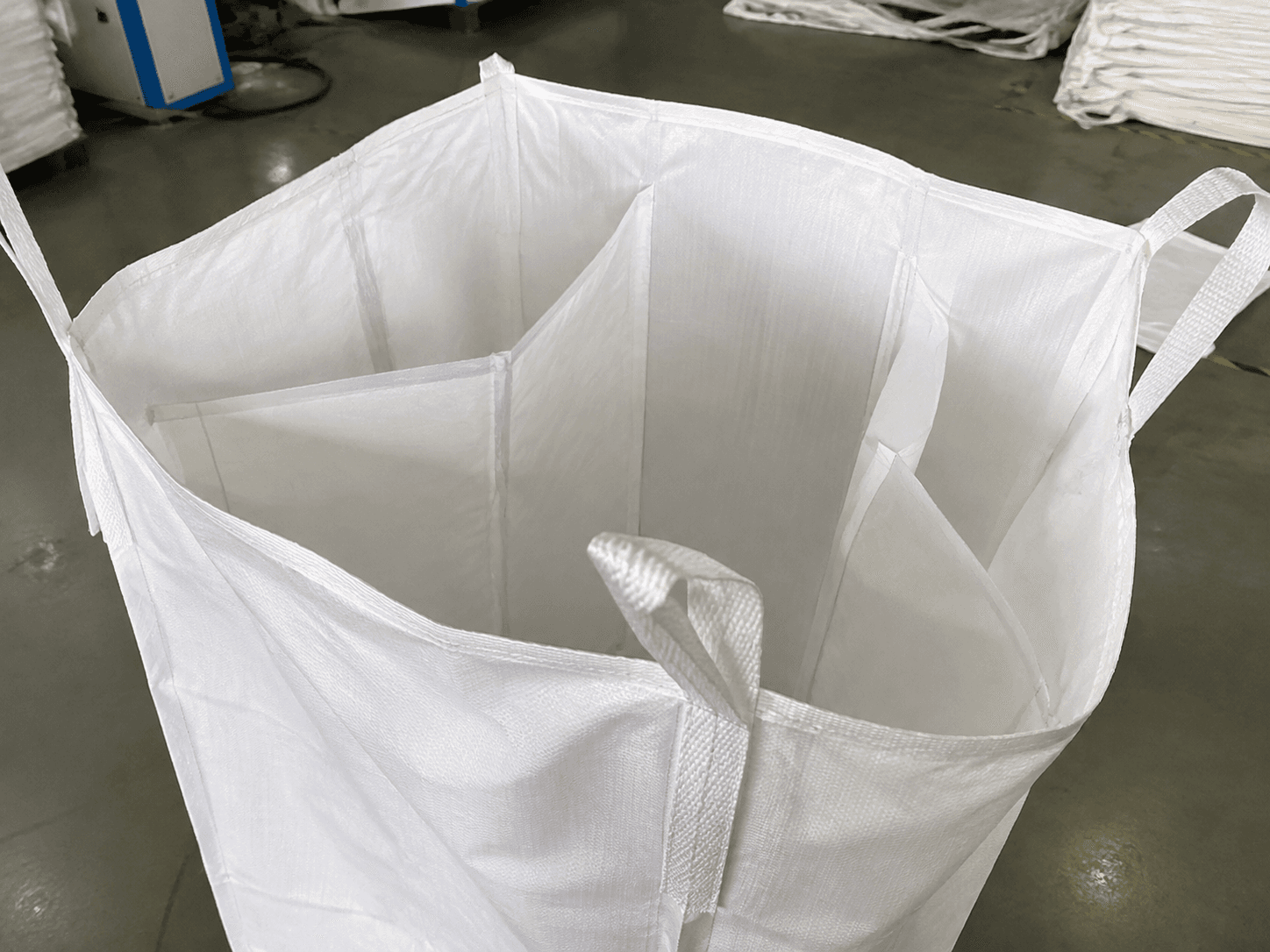
Baffle Bags vs Standard FIBC Bags: When Stable Stacking Matters
For buyers moving powders, granules, minerals, food ingredients, or plastic resins, a bulk bag is more than a container. Its shape affects pallet use, warehouse space, container loading, handling stability, and the condition of material at discharge.The choice between baffle bags and standard FIBC bags should start with the handling process, not appearance. A standard bag may be the practical choice for straightforward transport. A baffle bulk bag becomes valuable when a buyer needs a more controlled, square profile after filling and more reliable stable stacking.
Want to know more?
Get in touch with us for more information about our services and products.