
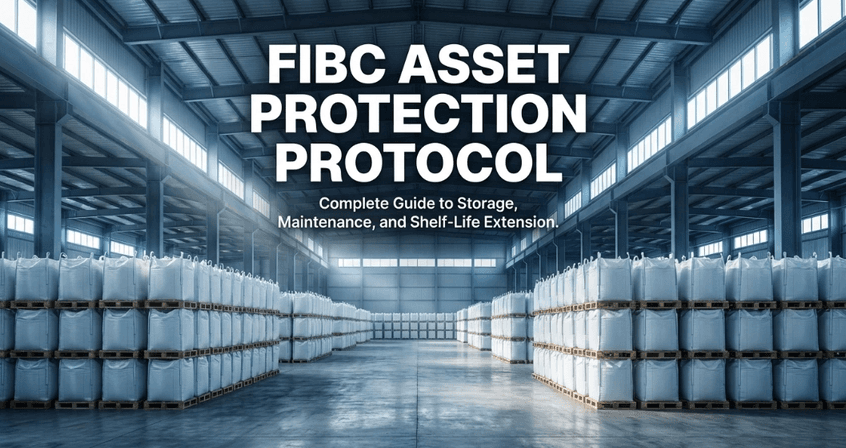
Complete Guide to FIBC Storage and Maintenance: How to Extend the Shelf Life of Bags and Prevent Degradation
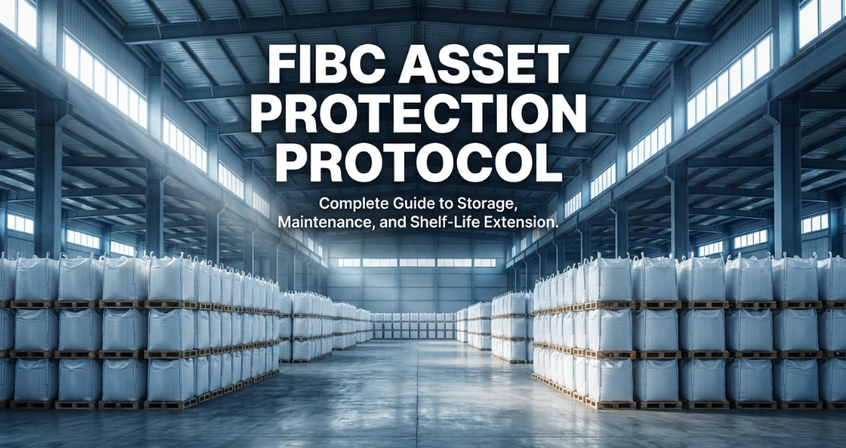
Storing flexible intermediate bulk containers correctly is the simplest way to extend their service life and prevent early wear. The key is controlling UV exposure, humidity, stacking pressure, and handling practices.
This guide explains how to protect bags from fibc storage, how long they can be kept, and what factors actually lead to aging. It also highlights FIBC WORLD’s material performance and testing systems so you can choose packaging that stays stable even in demanding environments.
What Affects the Lifespan of Bulk Bags?
FIBC bags age when exposed to sunlight, moisture, overloading, and abrasive surfaces. Keeping them dry, protected from UV, and stacked correctly prevents early degradation. The sections below explain how these risks appear in daily warehouse operations and how you can control them.
Understanding How Bulk Bags Degrade Over Time
Bulk bags lose strength when polymer chains break down or when fabrics absorb moisture. Three main elements control aging:
UV Exposure
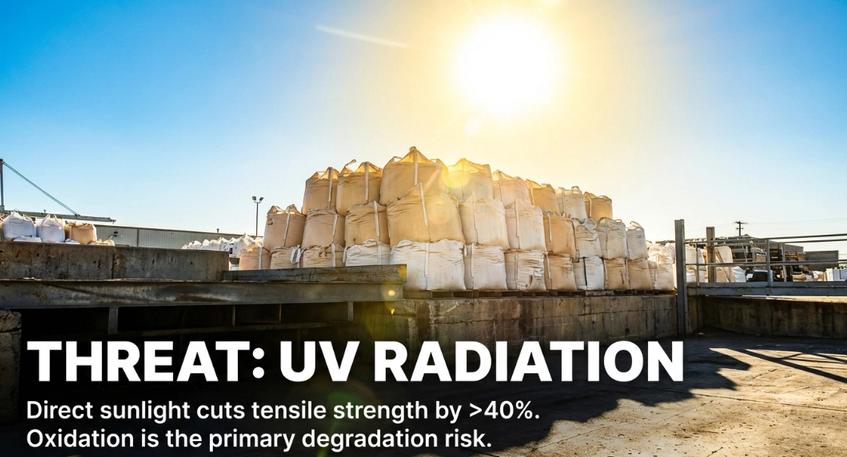
Direct sunlight causes polypropylene fibers to lose tensile strength. UV rays can reduce bag strength by more than 40% after extended exposure.
FIBC WORLD’s woven materials include UV-resistant formulations, reducing radiation damage during outdoor transit or temporary yard storage.
Humidity and Moisture
Moisture affects both coated and uncoated fabrics. High humidity increases the chance of mold on stored agricultural products and softens outer layers.
PE film bags and coated PP bags provide moisture resistance, helping protect fertilizers and powders, and supporting fibc bags for agricultural harvest storage.
Stacking Pressure
Stacking impacts long-term bag performance. Excessive stacking compresses fabrics, distorts lifting loops, and increases internal seam stress. Maintaining safe stacking heights protects the bag structure.
Best Practices for Long-Term Storage
Keep Bags in a Clean, Dry, Indoor Space
Reducing sunlight and humidity prevents polymer weakening. Warehouses should use:
Controlled ventilation
Elevated pallets
Covers to block incidental light
This is especially important when storing fertilizers or resins, which absorb moisture easily.
Separate Empty and Filled Bags
Filled bags settle and increase fabric tension. Storing them apart prevents accidental compression.
If you need to know how to store filled fibc bags, keep them on level pallets, using cross-stacking to stabilize the load.
Avoid Dragging or Abrasion
Abrasion damages woven structures. Always lift bags using:
Forklift pockets
Approved loop systems
Crane hooks with safety sleeves
According to FIBC WORLD’s manufacturing overview (wire drawing → weaving → cylinder → printing → lamination → cutting → sewing controlled handling preserves structural integrity.
Scenario-Based Care: How Different Industries Should Store FIBCs
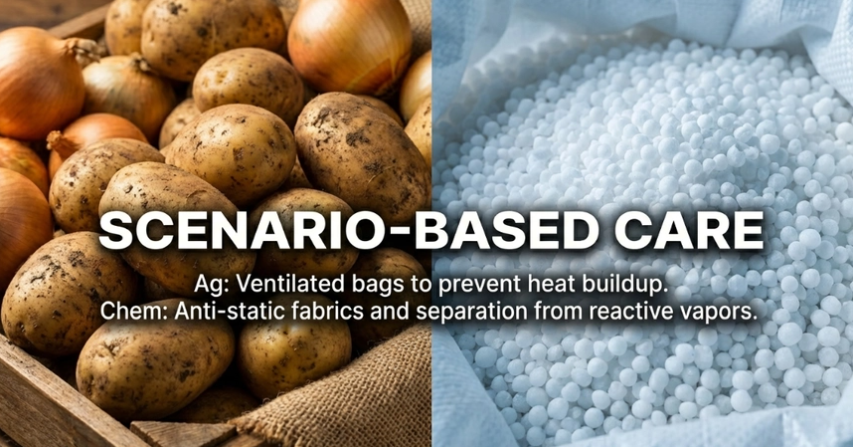
Fertilizers
Fertilizers are sensitive to moisture. Store bags in areas with:
Low humidity
Waterproof pallets
Limited temperature swings
FIBCWORLD’s coated PP fabrics and PE liners help protect hygroscopic materials.
Chemicals
Chemical storage fibc handling requires strict separation from reactive vapors. Recommendations include:
Using anti-static or conductive bags when needed
Ensuring no exposure to corrosive liquids
Maintaining cool, shaded environments
These steps support Fibc containers’ chemical storage safety guidelines. XIFA’s chemical-resistant PP fabrics maintain stability under these conditions.
Agricultural Harvests
When using FIBC bags for agricultural harvest storage:
Allow crops to cool before filling
Avoid stacking warm materials
Keep the warehouse floor dry
Ventilated bags are ideal for onions, potatoes, and seeds.
How Long Can FIBCs Be Kept in Storage?
Storage duration depends on temperature, humidity, and UV exposure. In controlled indoor conditions, many users keep bags for 6–12 months with minimal loss of performance. If bags have UV protection and moisture-resistant coatings, they often last longer.
Outdoor storage shortens shelf life sharply. Even covered outdoor storage exposes bags to ambient heat and moisture, which accelerates oxidation.
FIBC WORLD’s Testing Systems: Ensuring Bag Strength During Storage
Sample Retention System
FIBC WORLD keeps production samples to monitor structural changes over time. This helps validate the lifespan of each batch.
Drop Testing and Load Testing
Drop tests confirm that bags maintain performance after months in storage. The quality control page shows multiple inspection steps, including raw material checks, on-site inspection, and process sampling.
Digital Tracking
QR-based traceability ensures every bag’s history—from raw materials to final storage—is recorded.
Practical Maintenance Tips
Rotate Inventory Regularly
Use older bags first. This reduces the risk of fiber aging.
Keep Bags Covered
When outdoor storage is unavoidable, use UV-blocking tarps and ensure airflow under the cover.
Inspect Before Use
Check seams, loops, and panels. Look for:
Fading (UV damage)
Softened fabric (moisture exposure)
Distorted loops (stacking pressure)
This routine supports how to care for fibc bulk bags during long storage.
Conclusion
Correct storage is the fastest way to extend bag life and keep materials safe. By choosing bags engineered with UV protection, waterproofing, and verified strength, you reduce risk and improve warehouse efficiency.
Related News
Other news you might be interested in
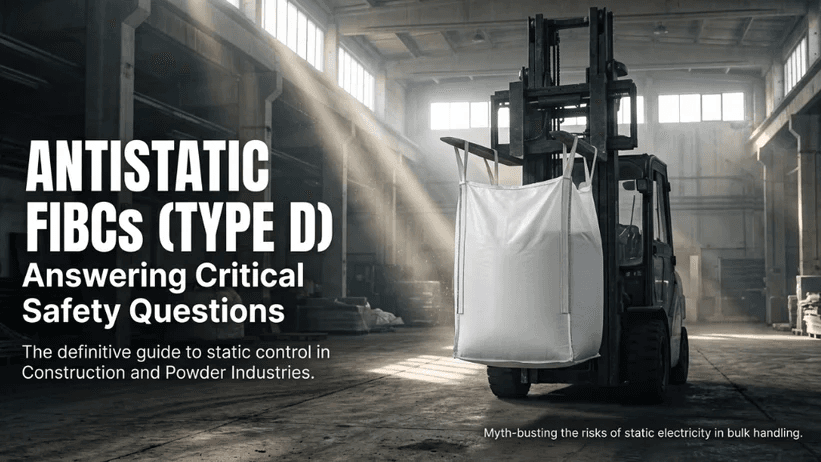
Antistatic FIBCs: When Are Type D Bags Mandatory in the Construction and Powder Industries?
Type D bags become mandatory when fine powders, airborne dust, or charged materials create static-electricity hazards during filling, emptying, transport, or storage. These risks appear often in construction and powder industries, where dry granular materials generate static through friction.
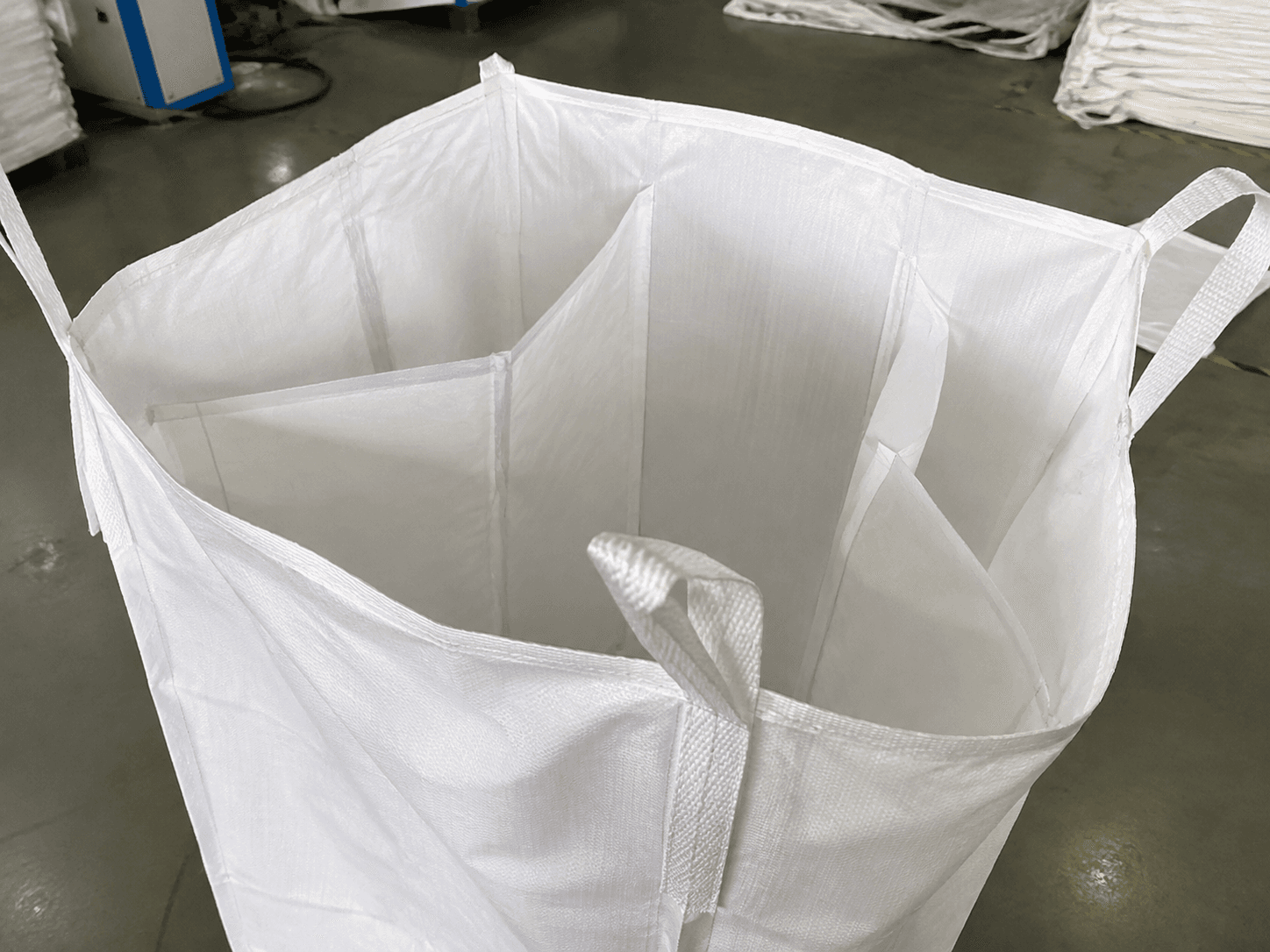
Baffle Bags vs Standard FIBC Bags: When Stable Stacking Matters
For buyers moving powders, granules, minerals, food ingredients, or plastic resins, a bulk bag is more than a container. Its shape affects pallet use, warehouse space, container loading, handling stability, and the condition of material at discharge.The choice between baffle bags and standard FIBC bags should start with the handling process, not appearance. A standard bag may be the practical choice for straightforward transport. A baffle bulk bag becomes valuable when a buyer needs a more controlled, square profile after filling and more reliable stable stacking.
Want to know more?
Get in touch with us for more information about our services and products.