

Under the EU PPWR, What Packaging Documents Should FIBC Exporters Prepare?

Dayang Yang
AuteurAvec une expérience dans la fabrication et l'exportation de sacs vrac FIBC, nous exploitons notre propre site de production doté d'une capacité stable à grande échelle. Nous sommes spécialistes des sacs vrac, FIBC conducteurs, FIBC de qualité alimentaire, sacs certifiés ONU et grands récipients souples sur mesure pour l'emballage industriel et le transport de matériaux en vrac.
If your FIBC packaging is intended for the EU market, buyers may request information about its materials, design, and intended use. The document depends on the packaging, purpose, and applicable PPWR requirements. This is a buyer supplier list, not a declaration that a specific bag meets the requirements.

Firstly, identify responsible enterprises
PPWR will be implemented from August 12, 2026, and some of its requirements will be gradually implemented later. Its scope includes packaging placed on the EU market, whether empty or full, whether made of materials or produced within or outside the EU. FIBC used for containing, protecting, handling, or delivering goods is packaging; The responsible role and applicable obligations still depend on the transaction and configuration.
The exporter itself cannot determine the PPWR role of the company. Confirm who produced or manufactured the packaging, who placed it on the EU market, and whose name or trademark appears on the packaging. In some proprietary brands or modified cases, importers or distributors may be held responsible for the manufacturer. Confirm the role of specific transactions with EU importers.
What information should match the order?
There is no universal document package for each FIBC order. Determine the design and applicable requirements of the bag together with the responsible EU manufacturer or importer, and then request information from the supplier to support the evaluation.
Packaging labeling and intended use: product reference, packaging bag structure, expected content and use, and destination market. These help match the design of records and references.
Material and component information: specifications for woven fabrics and related coatings, linings, closures, or printing. Confirm which components are included in the order.
Design and Technical Information: Relevant drawings, construction details, and technical information used to evaluate packaging according to applicable requirements.
Evaluation evidence: Applicable tests, calculations, standards, or other evidence used in qualification assessment. Confirm the content covered by each project; Evidence of one design or material will not automatically override another.
Compliance documents: The responsible manufacturer must conduct applicable compliance assessments and prepare technical documents. After proving compliance, the manufacturer drafts an EU declaration of conformity. Do not claim that the exporter holds or issues these documents unless their role and documents have been verified.
Supplier Information: When providing packaging or packaging materials to manufacturers, suppliers must provide the information and documents required to demonstrate compliance in a language that is easy for manufacturers to understand. Agree on which records are applicable to actual design and requirements.

This is a practical request list, rather than claiming that each item is a separate mandatory document for each bulk bag. The responsible manufacturer or importer must confirm the records related to the order.
Separate inspection of food contact and usage
If the bag or liner is intended to come into contact with food, please inform the supplier and EU importer before selecting materials. Article 5 of PPWR includes PFAS restrictions for food contact packaging. Whether and how to apply depends on the packaging and intended use. Inquire about materials or test evidence related to the actual configuration. Do not rely on general "food grade" claims, nor claim that the product does not contain PFAS without supporting evidence.
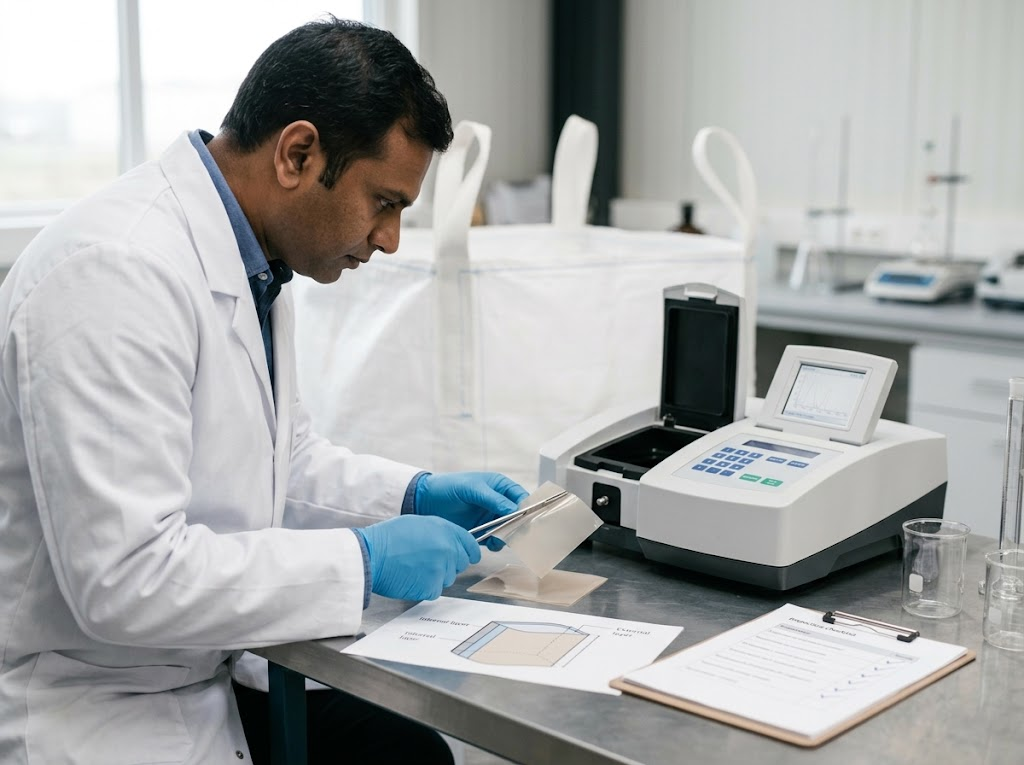
The scope of food contact products, available testing, and supporting documents for FIBC World have not yet been confirmed in this draft. Customer technical or regulatory reviewers must verify the content of this section before publication.
Verify if the record matches the luggage
Compare each record with the final quotation and approved design: structure, dimensions, materials, lining or coating options, intended use, printing and private label details. If any of these changes occur, please inquire with the responsible manufacturer or importer to assess whether the technical documentation needs to be updated.
Before placing the packaging on the market, PPWR requires EU importers to verify whether applicable conformity assessments have been conducted, whether the required technical documents are ready, whether the packaging is labeled as required, and whether the packaging is accompanied by the required documents. Reports, certificates, or statements from different products cannot prove the referenced FIBC.
Prepare these detailed information for FIBC queries
When requesting a quotation, please provide the expected use, contents, destination market, bag structure and size, required materials or components, quantity, and any document requirements already determined by the importer. Request the supplier to specify what information they can provide for this configuration and what information the responsible EU business department must confirm.
Before approving samples or production orders, please have the EU importer or their compliance contact confirm the applicable PPWR requirements and related business responsibilities. Then, check if the final packaging bag specifications and auxiliary records are related to the same design.
Related News
Other news you might be interested in
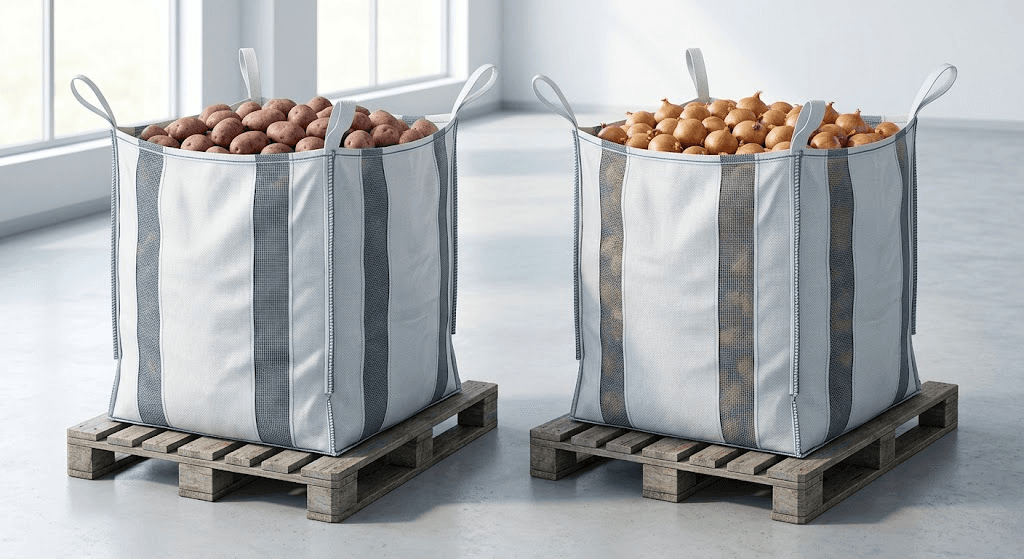
Custom Ventilated Bulk Bags for Potatoes and Onions: A Buyer’s Checklist
Buying ventilated bulk bags involves more than choosing a bag size and adding ventilation panels. The bag must suit the produce, filling line, lifting equipment and unloading method, as well as the storage and transport conditions.For potato packers, onion exporters, agricultural cooperatives and packaging distributors, a useful starting point is to describe the job the bag needs to do. Is it moving produce between facilities, holding a batch before packing, or supporting an export shipment? This guide turns those requirements into a checklist for a custom enquiry.

Comment choisir les doublures FIBC : standard vs sur mesure et liste de contrôle pour une commande personnalisée
Le choix des doublures FIBC commence par deux questions distinctes : quelle forme convient à votre grand sac, et quel film répond aux exigences de protection de votre matériau ? Une doublure standard et une doublure sur mesure décrivent des structures différentes. Le polyéthylène et la feuille d'aluminium décrivent les options de matériau. Spécifier l'un ne règle pas l'autre. Pour les fabricants, les distributeurs d'emballages et les fournisseurs de grands sacs, la tâche pratique consiste à faire correspondre la doublure à la cargaison, à l'équipement de remplissage et au processus de déchargement. Ce guide explique ce qu'il faut comparer et quelles informations préparer avant de demander un devis personnalisé.
Want to know more?
Get in touch with us for more information about our services and products.