
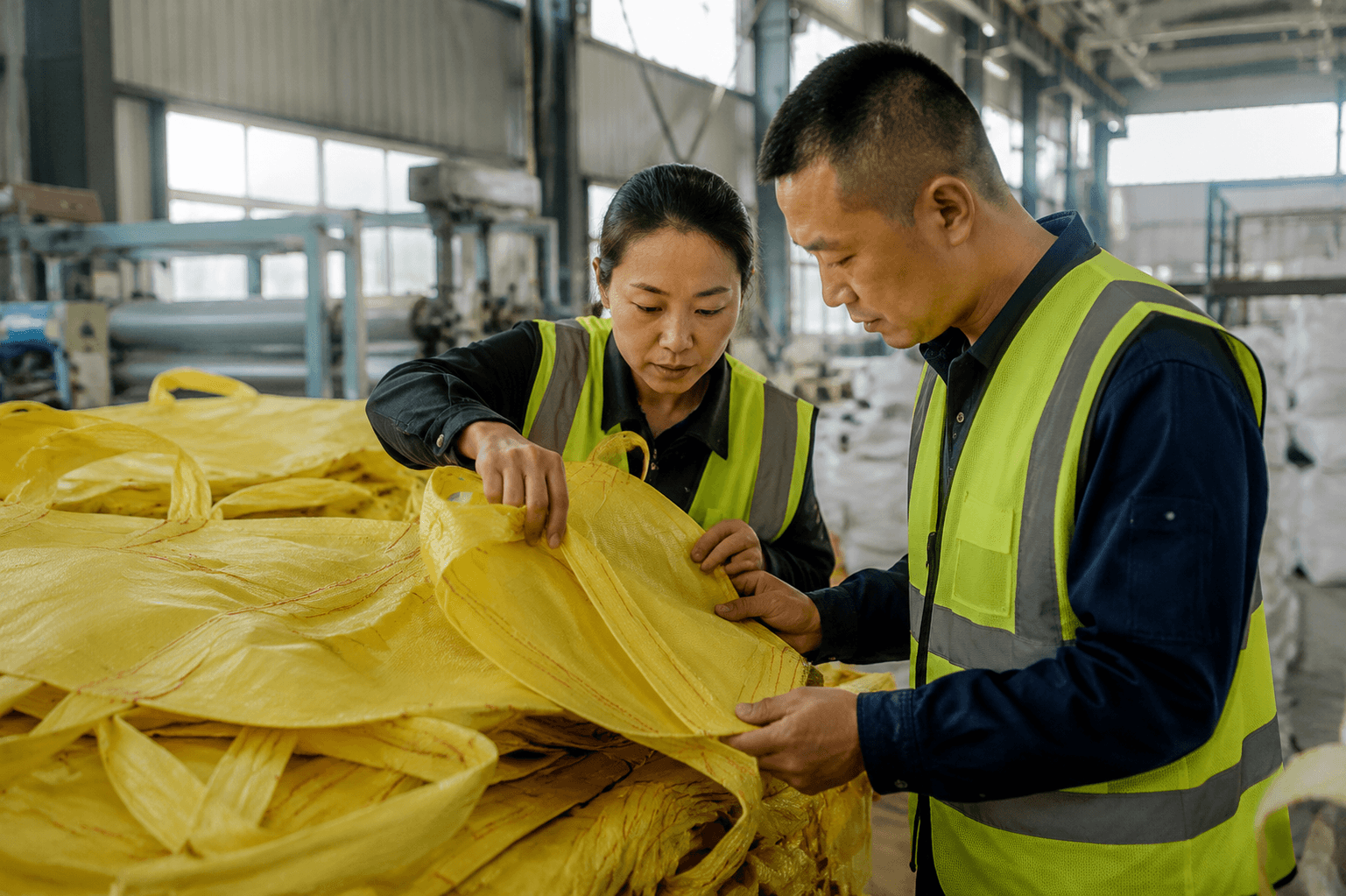
Transform Your Bulk Packaging: Why Custom FIBC Bags Are Essential for Industrial Efficiency

Dayang Yang
AuthorWith experience in FIBC bulk bag manufacturing and export sales, we operate our own production facility with stable large-scale capacity. We are specialists in bulk bags, conductive FIBCs, food-grade FIBCs, UN certified bags, and customized flexible intermediate bulk containers for industrial packaging and bulk material transportation solutions.
The Growing Demand for Specialized Bulk Packaging
The shift toward Flexible Intermediate Bulk Container (FIBC) solutions is no longer limited to niche sectors. Even traditional supply chains like top paper bag dealers in Andheri West, Mumbai, now rely on jumbo bags and heavy-duty PP container bags to manage escalating volumes and an ever-wider range of materials. From abrasive minerals to next-generation battery powders, today’s industrial bulk packaging must perform far beyond simple containment. Specifications now demand resistance to moisture, static discharge, oxygen permeation, and ultraviolet light—all while maintaining safe working loads up to 1.5 tons. The numbers confirm the trend: FIBCs are the fastest-growing segment in industrial packaging, driven by a combination of cost efficiency, improved safety, and unmatched adaptability across construction, agriculture, chemicals, and new energy.
Key Features That Make FIBC Bags the Superior Choice
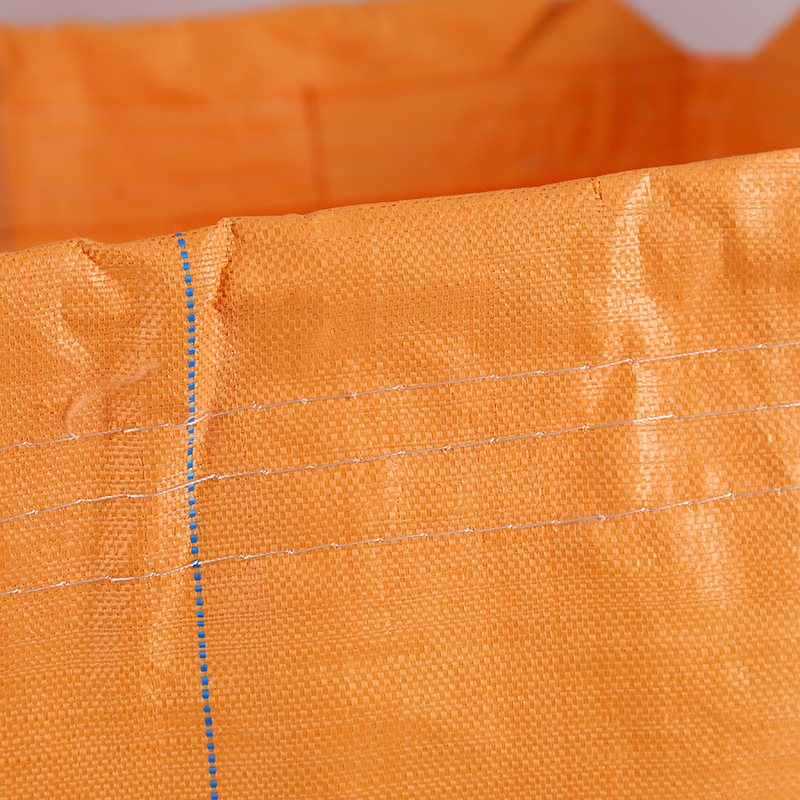
True efficiency starts with the right protective barrier. Moisture-proof bulk packaging, built with aluminum foil liners or laminated PP woven bulk bags, stops humidity from compromising sensitive loads like lithium battery cathode materials and fine chemical powders. For environments where static is a hidden danger, anti-static bulk packaging and flame retardant packaging eliminate discharge risks during filling and discharge. When materials degrade under light or in the presence of oxygen, a light-proof and oxygen barrier bulk bag—such as our aluminum lined FIBC—becomes non-negotiable. See how custom FIBC bags solve moisture and static challenges in industrial bulk packaging to understand exactly how these configurations prevent costly product loss.
Load stability and durability are just as critical. An inner lifting loop bulk bag paired with cross reinforced jumbo bag construction distributes weight evenly, eliminating the tearing that plagues standard designs. Our custom white PP FIBC bags, 1 ton container reinforced bags, are engineered with thickened, wear-resistant fabric for repeated, rugged use—exactly what you need in a forklift bulk bag that moves through harsh supply chains. For materials that benefit from airflow, breathable bulk bags prevent condensation without sacrificing containment. Every feature—from the 3-side seal aluminum foil bag liner to the soft pallet lifting sling—is a direct answer to real-world handling demands.
Matching FIBC Configurations to Your Material Type
The mineral bulk packaging sector demands a different build than new energy or agriculture. Heavy-duty PP container bags with breathable fabric keep condensation at bay during outdoor storage, while formed inner belly bag designs add extra protection for fine, dusty powders. In feed and agricultural supply chains, feed bulk bags with reinforced lifting loops stand up to multiple lifts and tall stacking without deformation, ensuring that distiller’s grains or seed mixes arrive intact.
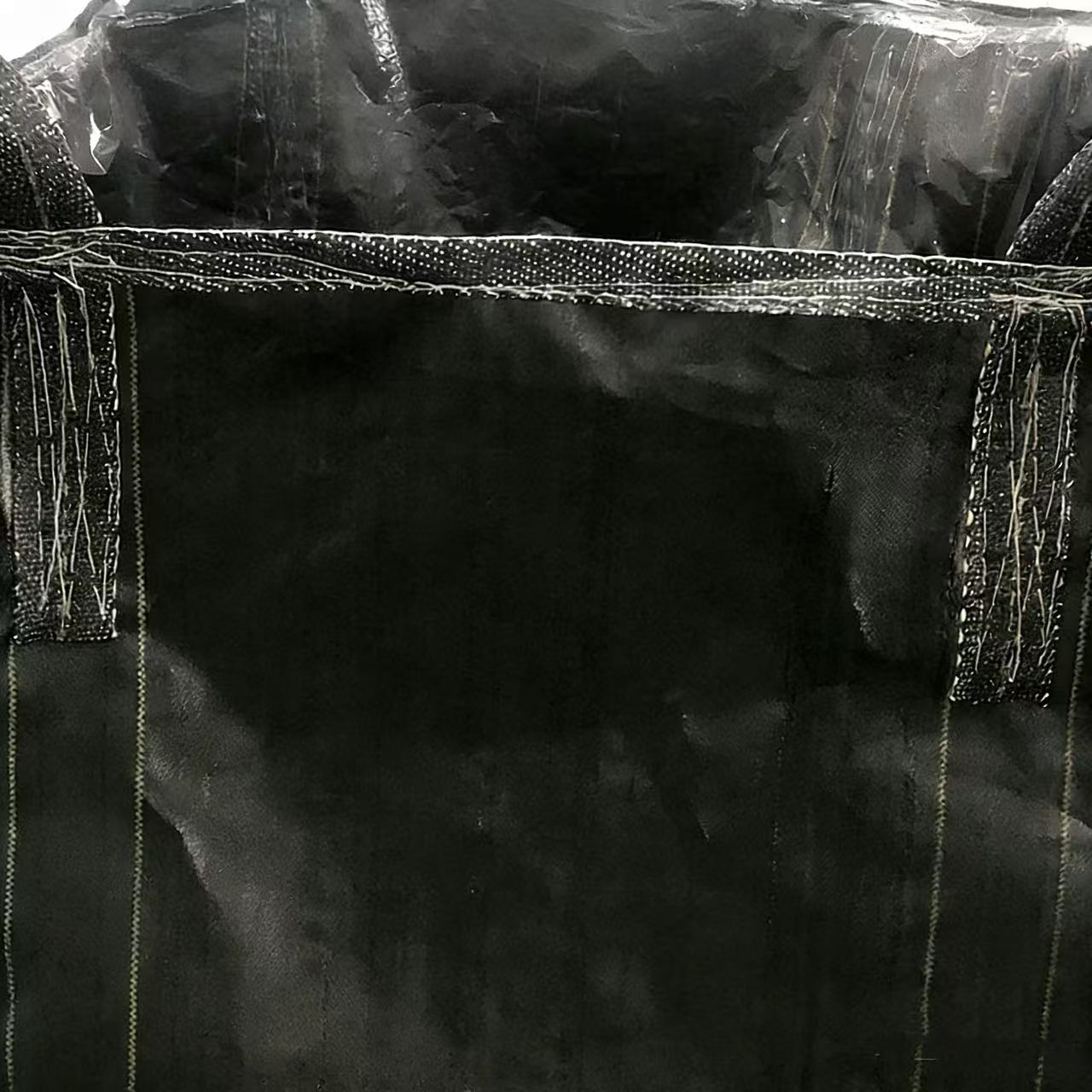
For lithium battery powder packaging and other new energy materials, only an aluminum foil liner bulk bag with light-proof and oxygen barrier properties works. The same is true for lithium battery cathode material packaging—any compromise on the moisture or oxygen barrier leads to immediate loss of value. Chemical and plastics sectors face their own mandates: anti-oxidation packaging and anti-static bulk packaging for nylon granules packaging and plastic pellet packaging, often incorporating a 3-side seal aluminum foil bag as the inner barrier. Meanwhile, a light-proof FIBC for lithium powder with anti-moisture oxygen barrier protects sensitive cathode raw materials from UV degradation and humidity spikes throughout the entire logistics chain.
Real Results: How Companies Are Saving with Custom FIBC Solutions
The numbers from the field are decisive. When a major paper bag dealer in Andheri West adopted moisture barrier FIBC for mineral bulk packaging, returns due to product spoilage dropped by 35%. A regional sourcing director at a global mineral materials company confirmed that the switch to factory-direct FIBC with cross-reinforced bottoms cut packaging-related costs by 20% while eliminating damage claims. In chemical processing, a senior procurement manager from an EU chemical group reported a 50% improvement in handling efficiency after moving to overhead bulk bag designs with inner lifting loops. And across heavy-load applications, cross reinforced jumbo bags have extended service life by 30%, directly reducing the total cost of ownership.
Get Started with the Right FIBC for Your Needs
Start by defining your material’s sensitivity: is it moisture, static, light, or oxygen that threatens your product? That determines whether you need an oxygen barrier bulk bag with aluminum foil liner, a flame retardant FIBC, or a light-proof and moisture-proof bulk packaging solution rated to your safe working load. All our FIBC bags are fabricated from high-grade PP woven fabric and are available in custom configurations—discharge spout, filling spout, and lifting loop bulk bag options designed around your existing filling and discharge stations. From 1-ton to 2-ton capacities, with factory-direct FIBC quality control that eliminates middleman markups, you get industrial bulk packaging that aligns precisely with your operation. Request your custom FIBC consultation and sample today.
Related News
Other news you might be interested in
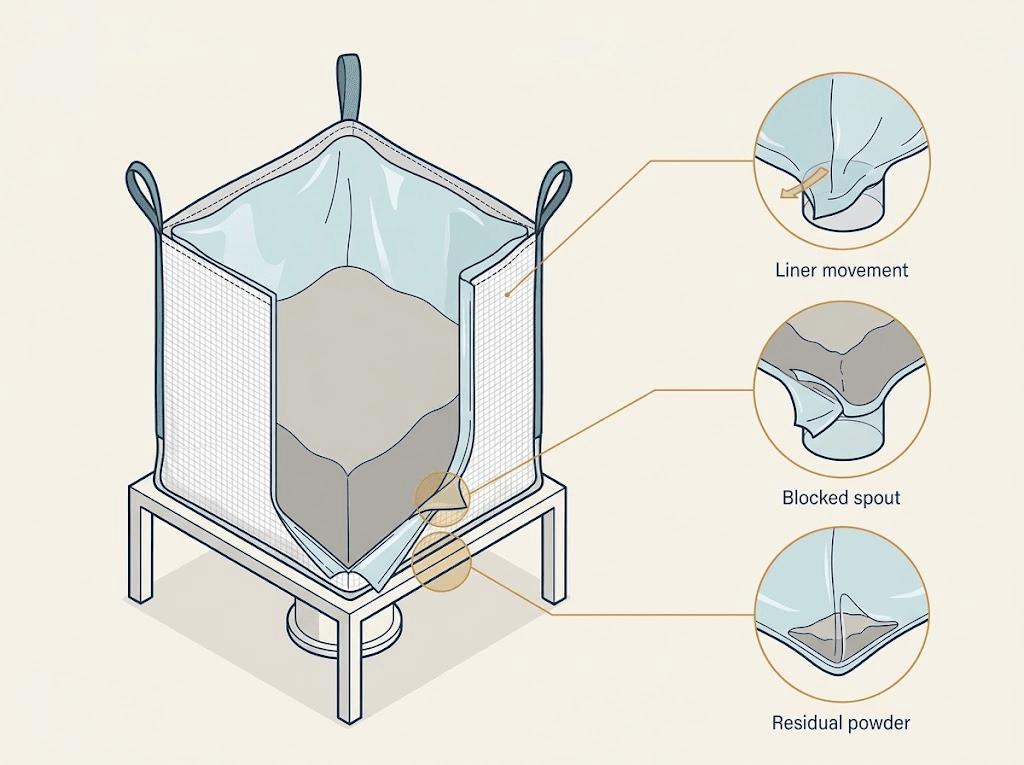
FIBC Liner Discharge Problems: A Buyer’s Checklist for Liner Movement, Blocked Spouts and Residual Powder
A lined bulk bag reaches the production line, but the powder stops flowing before the bag is empty. The liner moves towards the outlet, material remains in the bottom corners, or operators need repeated assistance to finish unloading.For buyers ordering FIBC liners, the useful question is: what information will help the packaging supplier and equipment provider identify the cause and agree on a better specification?Start by reviewing the material, liner, outer bag and discharge equipment together. Liner fit, folds, outlet configuration and product flow characteristics can all affect emptying performance.
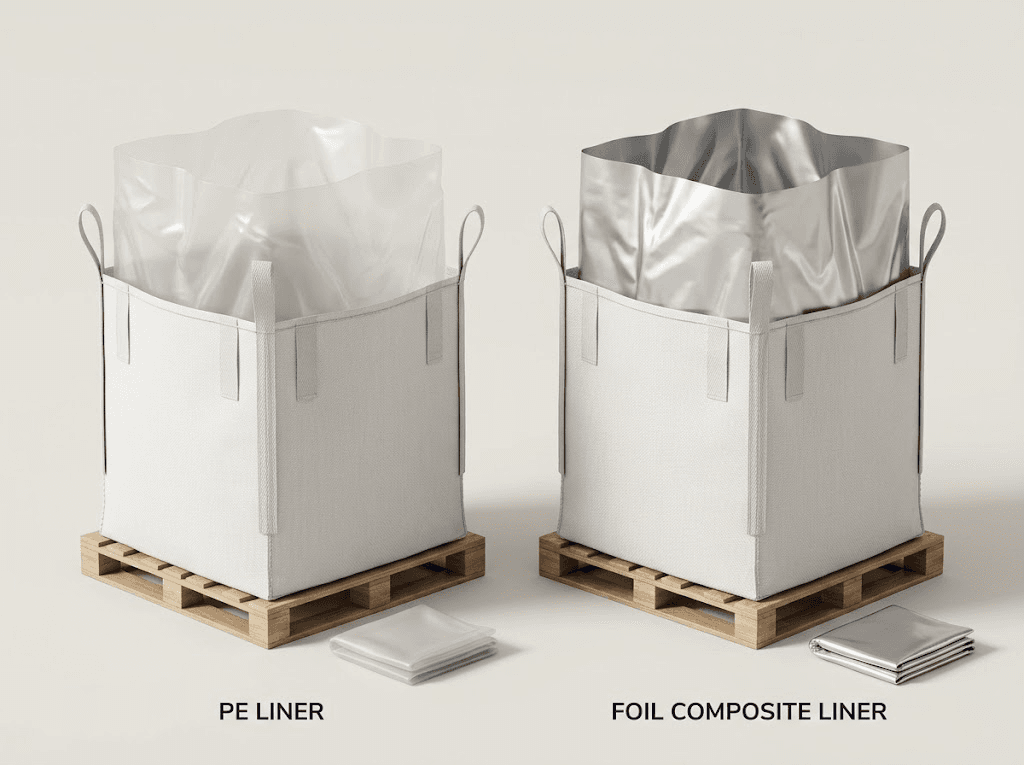
PE vs Aluminum Foil FIBC Liners for Moisture-Sensitive Powders: A Buyer’s Checklist
Choosing a liner for a moisture-sensitive powder starts with a practical question: what protection does the material need throughout filling, transport, storage and discharge?A request for “moisture proof bulk bags” gives a supplier a starting point, but it does not define an acceptable package. A PE liner may meet the requirement. An aluminum foil composite liner may be worth evaluating when the product needs a stronger moisture barrier, oxygen protection or light protection. The decision should follow the actual material specification, closure arrangement and trial results.This checklist helps buyers compare the options and prepare an enquiry for FIBC liners without relying on a material name alone.
Want to know more?
Get in touch with us for more information about our services and products.