
FIBC Insights, Trends & Case Updates
Track market shifts, certification updates, and factory-side know-how that helps buyers reduce risk and improve margins.
Categories
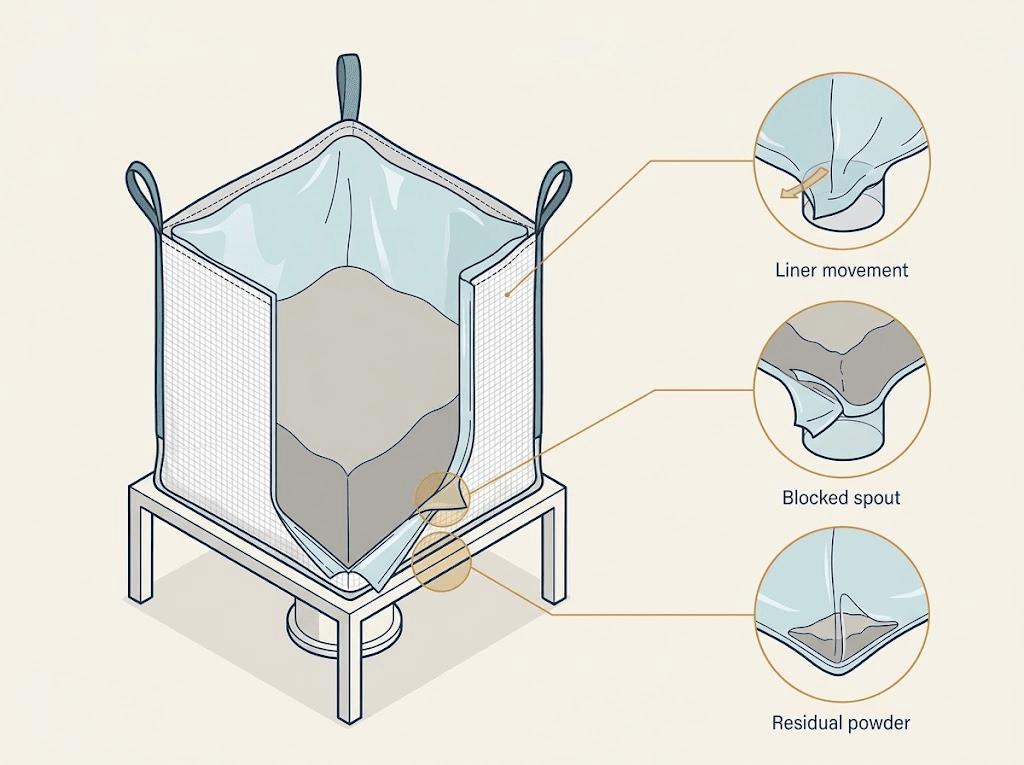
FIBC Liner Discharge Problems: A Buyer’s Checklist for Liner Movement, Blocked Spouts and Residual Powder
A lined bulk bag reaches the production line, but the powder stops flowing before the bag is empty. The liner moves towards the outlet, material remains in the bottom corners, or operators need repeated assistance to finish unloading.For buyers ordering FIBC liners, the useful question is: what information will help the packaging supplier and equipment provider identify the cause and agree on a better specification?Start by reviewing the material, liner, outer bag and discharge equipment together. Liner fit, folds, outlet configuration and product flow characteristics can all affect emptying performance.
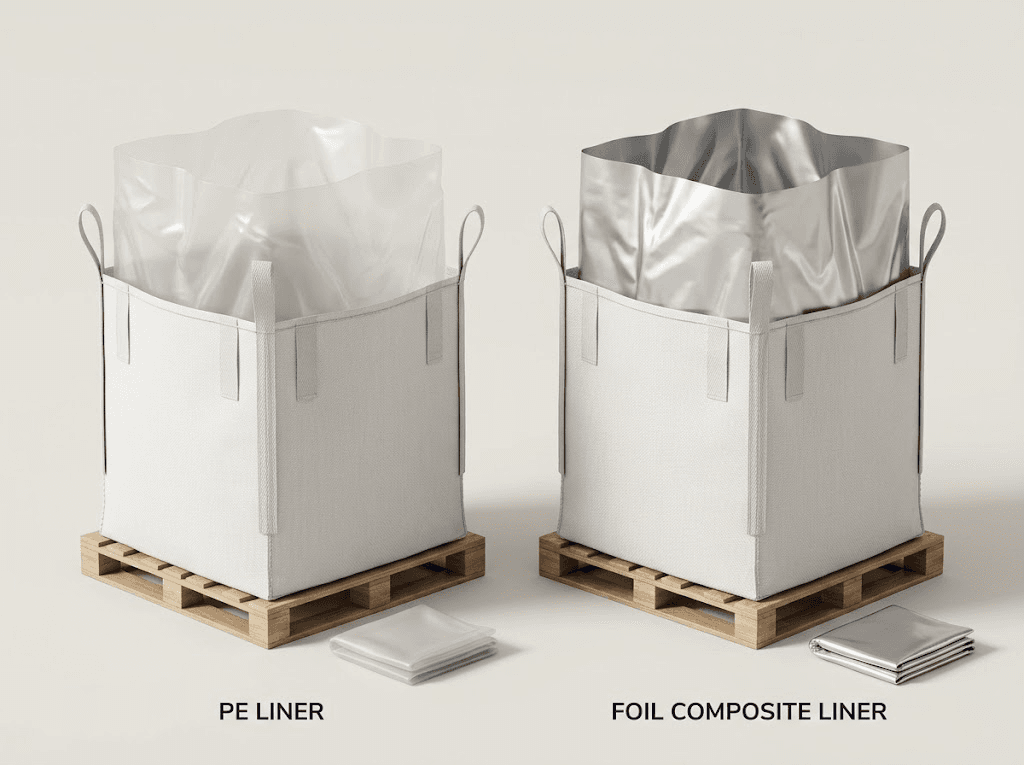
PE vs Aluminum Foil FIBC Liners for Moisture-Sensitive Powders: A Buyer’s Checklist
Choosing a liner for a moisture-sensitive powder starts with a practical question: what protection does the material need throughout filling, transport, storage and discharge?A request for “moisture proof bulk bags” gives a supplier a starting point, but it does not define an acceptable package. A PE liner may meet the requirement. An aluminum foil composite liner may be worth evaluating when the product needs a stronger moisture barrier, oxygen protection or light protection. The decision should follow the actual material specification, closure arrangement and trial results.This checklist helps buyers compare the options and prepare an enquiry for FIBC liners without relying on a material name alone.

Under the EU PPWR, What Packaging Documents Should FIBC Exporters Prepare?
If your bulk bags are intended for the EU market, a buyer may ask for more than a product specification sheet. They may need information about the packaging’s materials, design, intended use and conformity so that the responsible business operator can assess the applicable requirements.
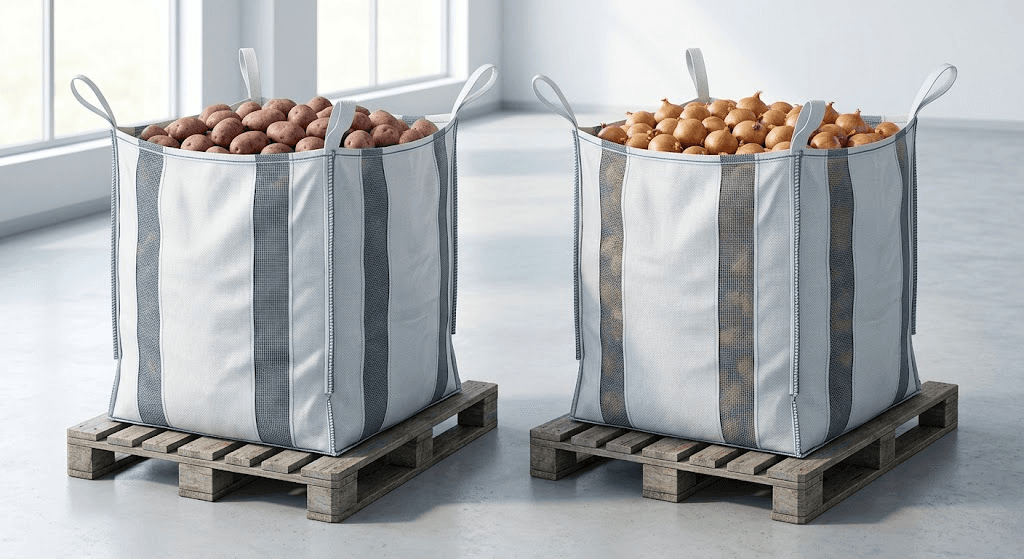
Custom Ventilated Bulk Bags for Potatoes and Onions: A Buyer’s Checklist
Buying ventilated bulk bags involves more than choosing a bag size and adding ventilation panels. The bag must suit the produce, filling line, lifting equipment and unloading method, as well as the storage and transport conditions.For potato packers, onion exporters, agricultural cooperatives and packaging distributors, a useful starting point is to describe the job the bag needs to do. Is it moving produce between facilities, holding a batch before packing, or supporting an export shipment? This guide turns those requirements into a checklist for a custom enquiry.

How to Choose FIBC Liners: Standard vs Form-Fit and a Custom Order Checklist
Choosing FIBC liners starts with two separate questions: what shape fits your bulk bag, and what film meets your material’s protection requirements? A standard liner and a form-fit liner describe different structures. PE and aluminum foil describe material options. Specifying one does not settle the other.For manufacturers, packaging distributors and bulk bag suppliers, the practical task is to match the liner to the cargo, filling equipment and discharge process. This guide explains what to compare and what information to prepare before requesting a custom quotation.
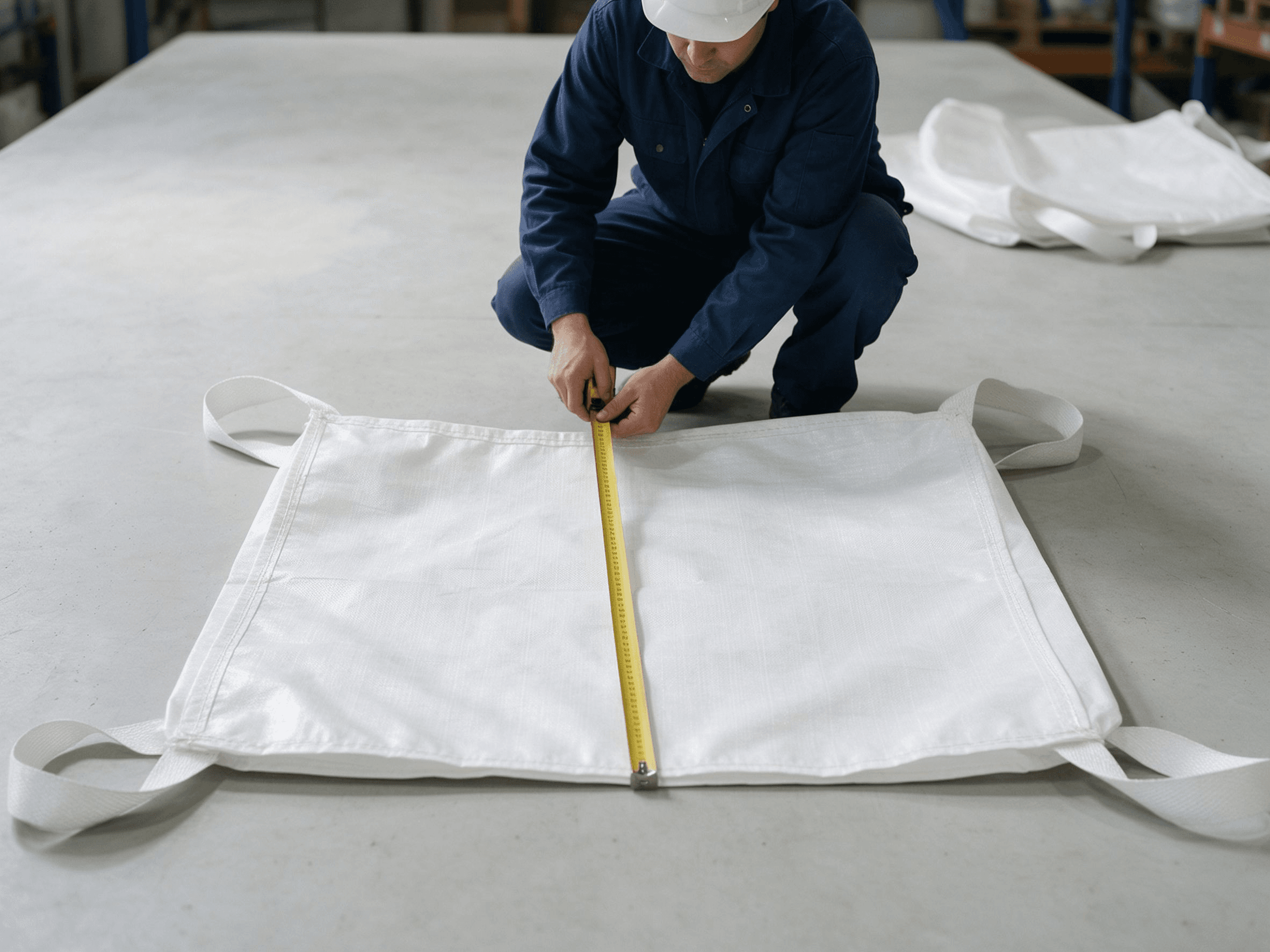
FIBC Bulk Bag Dimensions and Load Capacity: How to Choose the Right Specifications for Your Material
In bulk material packaging, storage, transportation, and handling, choosing an FIBC bulk bag involves more than specifying a load weight. The bag must also match the material and the actual operating conditions. Because materials differ in bulk density, flowability, and filling behavior, bags with the same nominal rating of “1 ton” may require different volumes and dimensions. Likewise, bag dimensions, usable volume, actual fill weight, and SWL (Safe Working Load) are not interchangeable. This article explains these distinctions, how to estimate the required volume based on the material, how to determine bag dimensions and load requirements, and how to verify the specifications against filling, handling, storage, and transportation conditions.
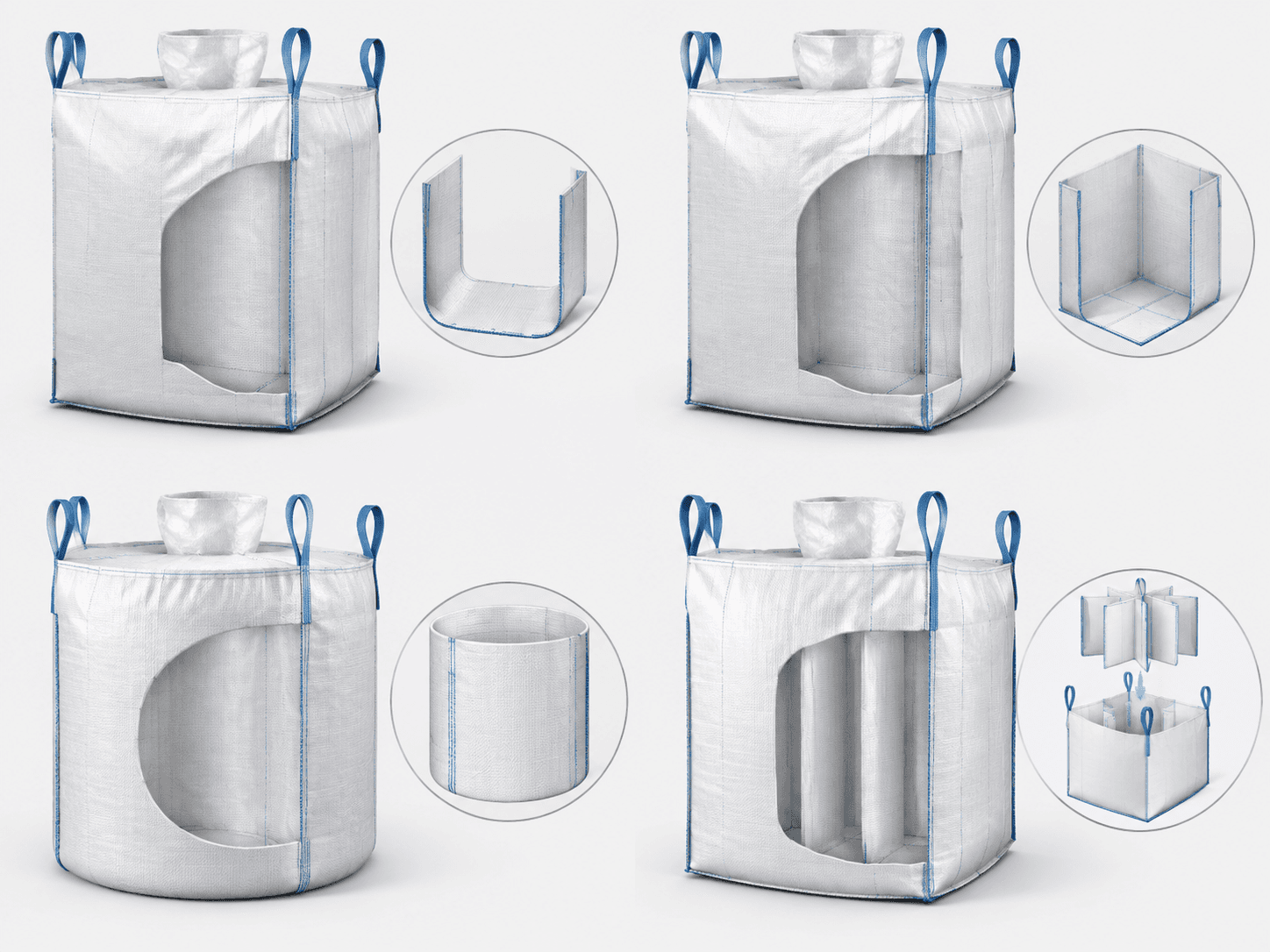
U-Panel, Four-Panel, Circular and Baffle FIBCs: Which Bag Construction Fits Your Application?
When selecting an FIBC bag, buyers often compare U-panel FIBCs, four-panel FIBCs, circular/tubular FIBCs, and baffle FIBCs (Q-bags). However, these terms do not all describe the same level of classification: the first three generally refer to the bag body’s construction, while baffles are internal shaping features that can be incorporated into a bag. The name alone does not determine a bag’s durability, load capacity, or suitability for a particular material.
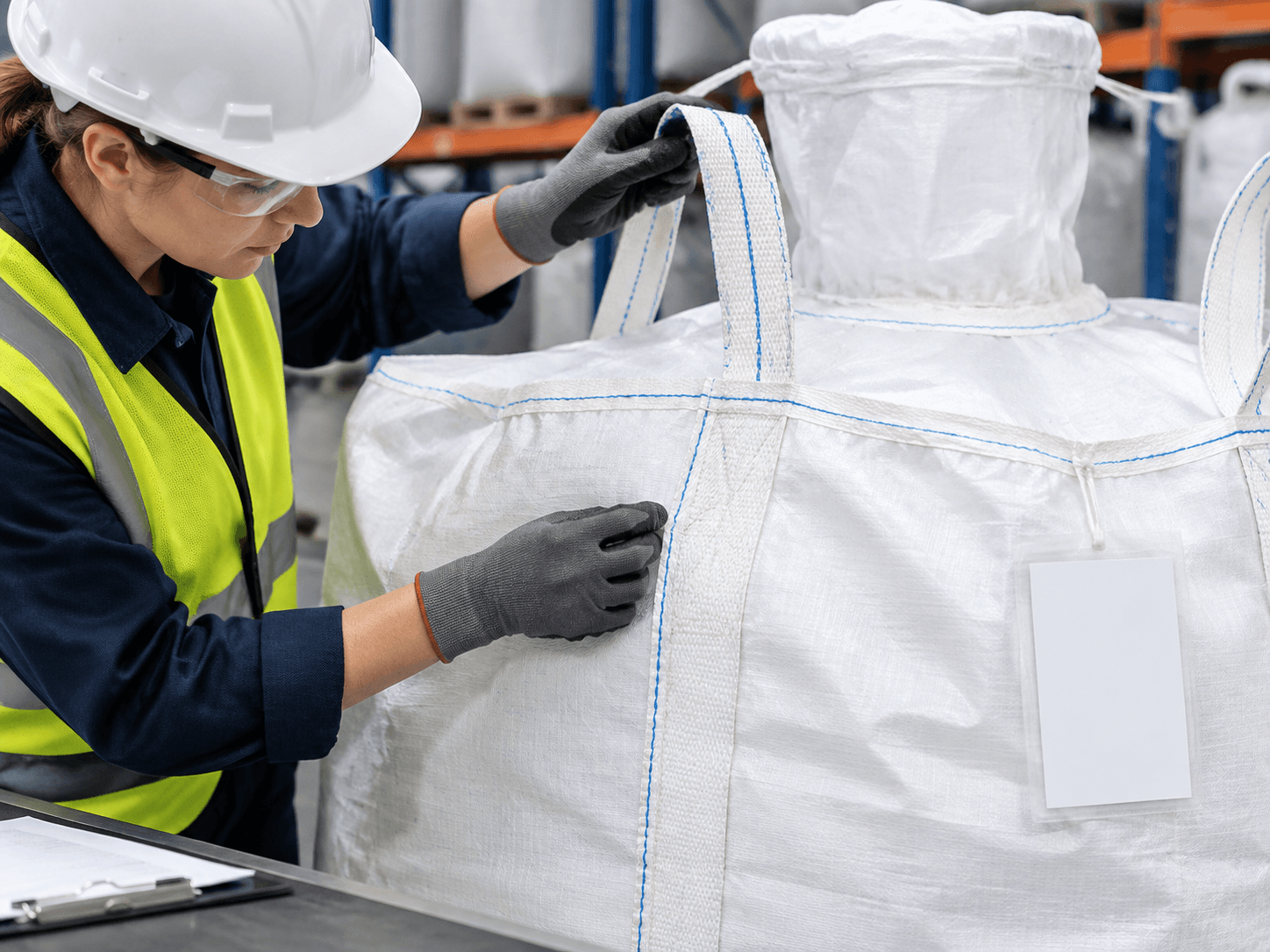
FIBC Bag Safety: Understanding Safe Working Load, Safety Factor, and Safe Handling
Bag safety cannot be judged by load weight alone. The bag’s design, construction, and rated load must match the material and operating conditions. Different FIBC bag types and load capacities may have different filling, lifting, and discharge requirements. ISO 21898:2024 covers the materials, construction, design, testing, marking, selection, and safe use of FIBCs for non-dangerous solid goods. On-site operations must also follow the manufacturer’s instructions and applicable regulations.
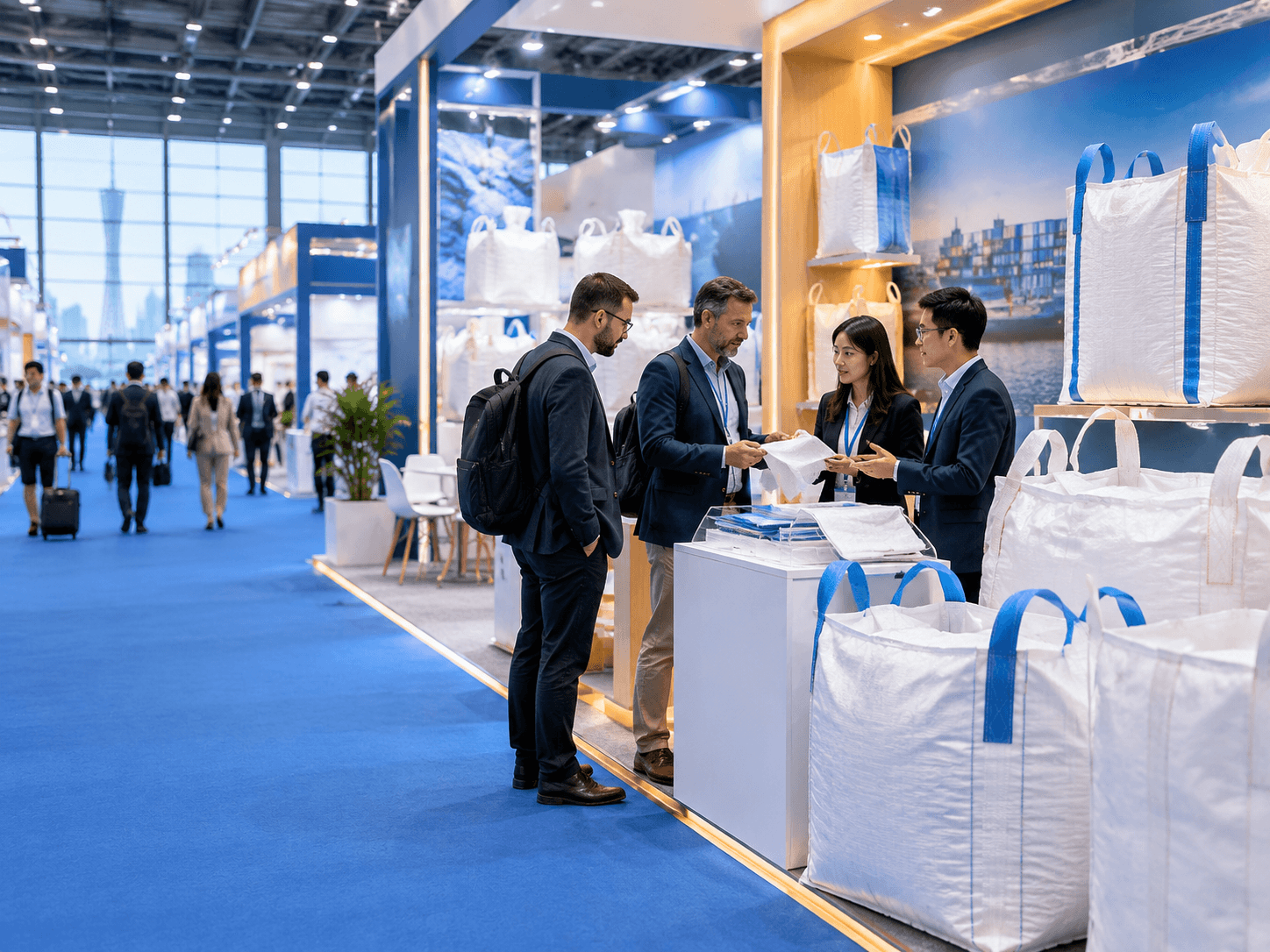
The 140th Canton Fair: New Global Sourcing Opportunities for FIBC Ton Bags and Industrial Packaging Companies
The 140th Canton Fair will be held in Guangzhou from October 15 to November 4, 2026, across three phases. The first phase will focus on advanced manufacturing, industrial manufacturing, machinery, new materials, and chemical products. For export-oriented industrial packaging companies, the 140th Canton Fair will serve not only as a product exhibition platform, but also as an important opportunity to connect with overseas buyers, suppliers, and global supply chain resources.