
FIBC Insights, Trends & Case Updates
Track market shifts, certification updates, and factory-side know-how that helps buyers reduce risk and improve margins.
Categories
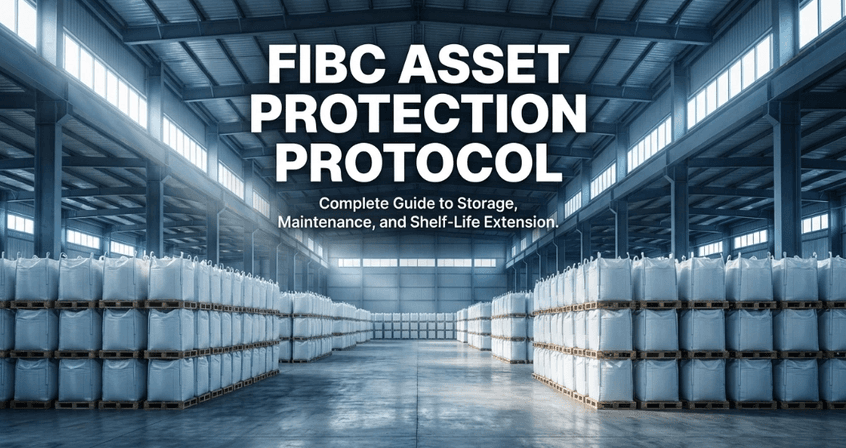
Complete Guide to FIBC Storage and Maintenance: How to Extend the Shelf Life of Bags and Prevent Degradation
Storing flexible intermediate bulk containers correctly is the simplest way to extend their service life and prevent early wear. The key is controlling UV exposure, humidity, stacking pressure, and handling practices.
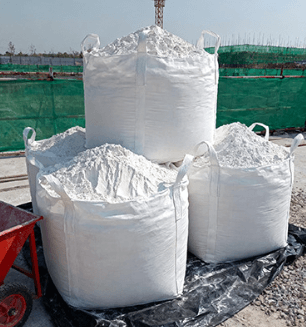
Why Reliable FIBC Partners Matter More Than Ever
Global industrial supply chains are facing unprecedented instability in 2026. Frequent geopolitical conflicts, volatile ocean freight costs, port congestion, raw material price surges, and inconsistent factory output have left countless manufacturing and trading enterprises struggling with delayed shipments, unstable product quality, and intermittent production shutdowns.
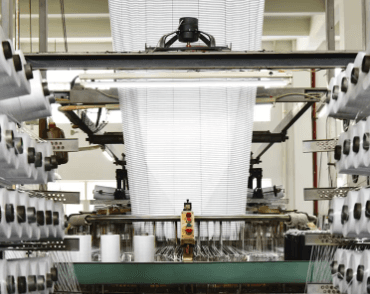
How to Select the Proper FIBC Bulk Bag According to Your Packaging Requirements
When it comes to storing and transporting bulk materials, FIBC bulk bags—also known as jumbo bags or ton bags—offer one of the most efficient and cost-effective packaging solutions available. But not all Bulk Bags are the same. Choosing the right type is critical for industries such asconstruction, mining, or global trade, where materials are heavy, abrasive, or require safety compliance. In this article, we’ll break down key factors to consider when selecting the ideal FIBC bag for your business, and how working with a trusted China bulk bag manufacturer can help you avoid costly mistakes.
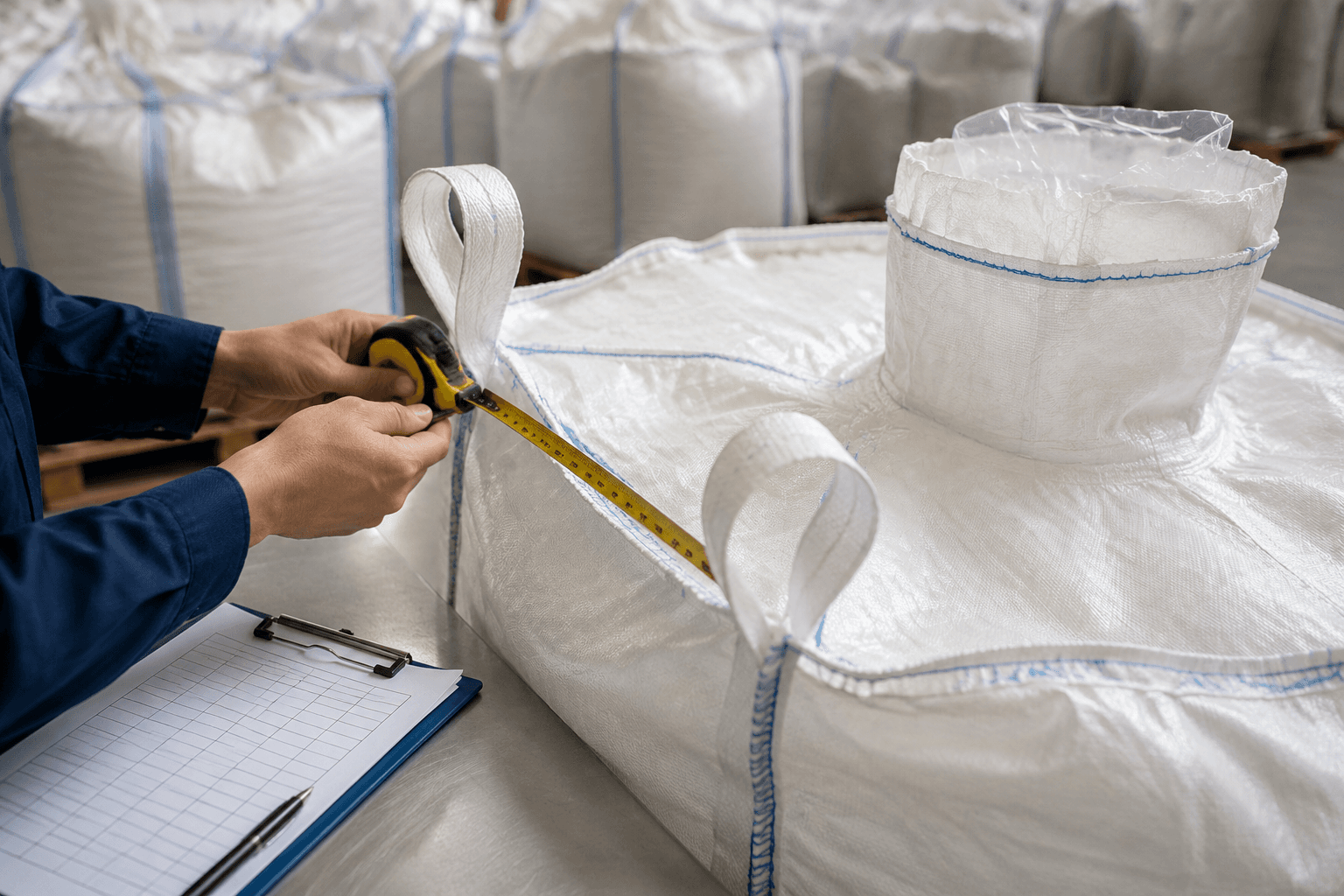
Why the Future of Bulk Packaging Is Moving Toward Customized FIBC Solutions
Global industries are continuously improving their requirements for bulk material transportation. Traditional packaging methods may not always meet the specific needs of different materials, operating environments and handling processes.
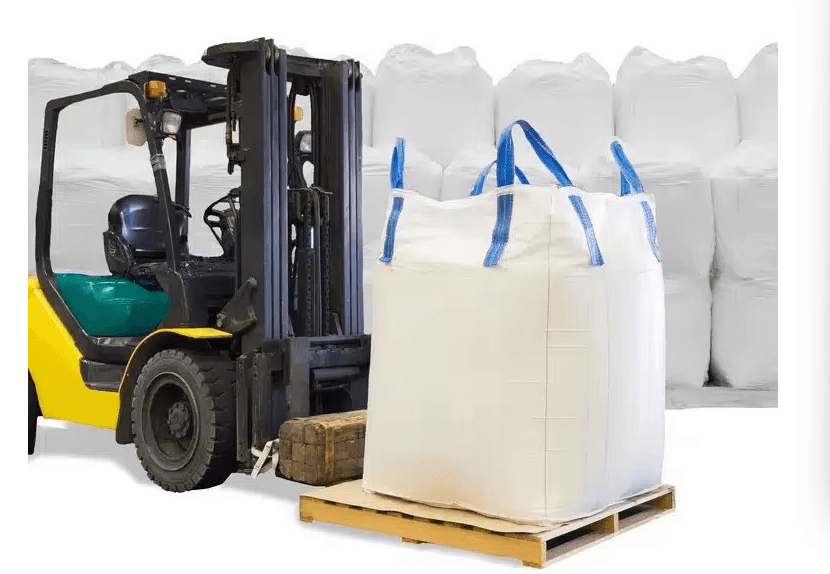
High-Quality Custom FIBC Bag Manufacturer in China
In 2026, demand for industrial packaging continues to grow across the chemical, mining, plastics, food ingredient, and new energy material industries. More importers, distributors, and industrial companies are looking for a high-quality custom FIBC bag manufacturer in China that can offer competitive pricing. Buyers need more than standard FIBC bulk bags; they also need stable quality, reliable lead times, and professional export support.

FIBC Industry Upgrades Accelerate in 2026: Moisture Protection, Anti-Static Performance, and Automation Compatibility Become Key Purchasing Priorities
As demand continues to grow for the transportation of bulk materials such as chemical raw materials, new energy materials, food ingredients, mineral powders, and plastic granules, the purchasing logic for FIBC bulk bags is changing. In the past, buyers mainly focused on load capacity, bag size, and unit price. In 2026, however, moisture protection, anti-static performance, clean sealing, automated filling, and discharge compatibility are becoming important criteria for evaluating whether an FIBC packaging solution is reliable. For high-value, moisture-sensitive, oxidation-sensitive, or dust-control-sensitive materials, FIBC bags are no longer just transport containers. They are becoming part of supply chain risk control.
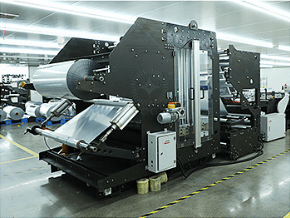
Reusable or Recyclable? The Sustainability Question Reshaping Bulk Bag Procurement
As global supply chains place more emphasis on carbon reduction, waste control, and responsible sourcing, FIBC bulk bag procurement is entering a new stage. Buyers are no longer asking only whether a bulk bag is strong enough or cost-effective enough. They are also asking a more strategic question: should the packaging be reusable, recyclable, or both? This shift is changing how companies evaluate FIBC design, material selection, discharge structure, safety factor, and end-of-life handling. For industries moving chemicals, minerals, plastics, agricultural products, and new energy materials, sustainable bulk packaging is becoming a practical purchasing decision rather than a branding statement.

Why More Buyers Are Treating FIBC Design as a Supply Chain Decision, Not Just Packaging
FIBC design is a strategic supply chain variable. Custom moisture barrier, anti-static, and lifting features prevent failures, cut costs, and boost ROI. Learn how tailored bulk bags improve logistics for high-value materials.
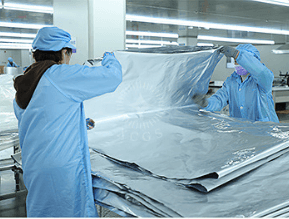
The Quiet Packaging Shift Behind Safer, Cleaner, and More Predictable Bulk Deliveries
Across bulk material industries, FIBC bulk bags are quietly moving from basic transport packaging to a more strategic part of supply chain planning. Buyers in chemicals, minerals, food ingredients, agriculture, and new energy materials are no longer evaluating bags only by price and load capacity. They are asking whether the packaging can reduce safety risks, keep materials cleaner, improve handling efficiency, and make delivery outcomes more predictable. This shift is changing how companies select FIBC solutions. Instead of treating packaging as the final step before shipment, more buyers are now considering bag structure, liner options, static control, moisture protection, discharge methods, and storage conditions at the beginning of the procurement process.