
Why Top Industrial Bulk Packaging Buyers Are Switching to Custom FIBC Bags for Moisture-Proof and Anti-Oxidation Protection

Dayang Yang
AuthorWith experience in FIBC bulk bag manufacturing and export sales, we operate our own production facility with stable large-scale capacity. We are specialists in bulk bags, conductive FIBCs, food-grade FIBCs, UN certified bags, and customized flexible intermediate bulk containers for industrial packaging and bulk material transportation solutions.
The Growing Demand for Advanced Bulk Packaging Solutions
In sectors such as advanced chemicals, new energy materials, and mineral processing, packaging must guard against moisture, oxygen ingress, and UV light. Conventional paper bags frequently break down under these stresses, causing contamination, spoilage, and costly rework. Flexible Intermediate Bulk Containers (FIBC bags) have emerged as the preferred solution, delivering exceptional tear resistance while integrating custom barrier layers that lock out environmental threats. Our in‑depth article on how custom FIBC bags solve moisture and static challenges explains the engineering behind these protective liners.
Industry Trends: From Paper to FIBC – A Shift Driven by Performance
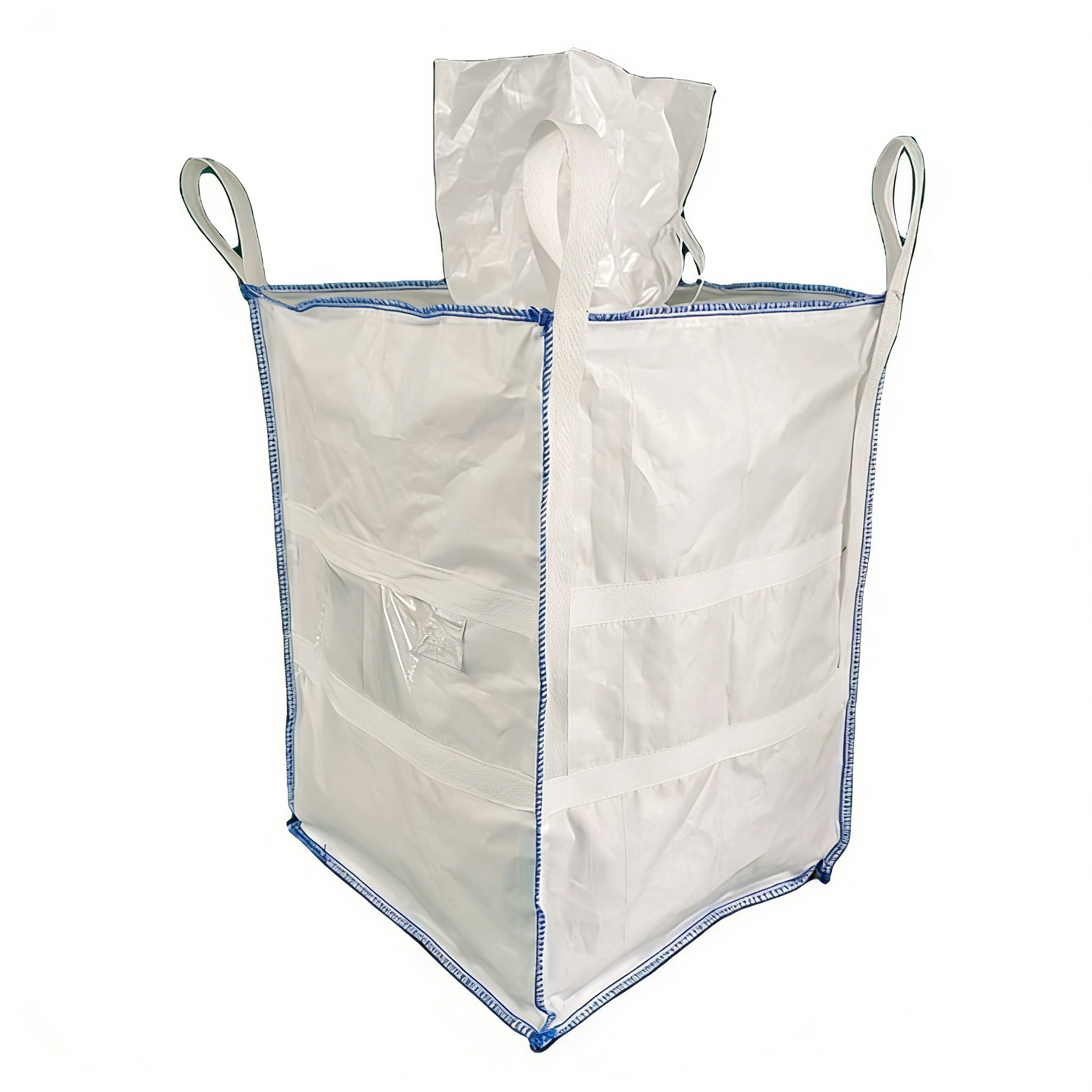
The shift is so pronounced that even well‑established paper bag suppliers in markets like Andheri West, Mumbai, are now diversifying into FIBCs to satisfy demand for moisture-proof bulk packaging. Buyers across the globe are shortening supply chains by sourcing factory-direct FIBC, cutting intermediary costs while securing consistent quality. Data from industrial deployments confirms that switching to bulk bags can reduce material loss by up to 30%, a figure that catches the attention of any procurement leader. As a senior procurement manager at an EU chemical group told us, the reliability of custom FIBCs has transformed their inbound logistics.
Key Features of Modern FIBC Bags for Critical Applications
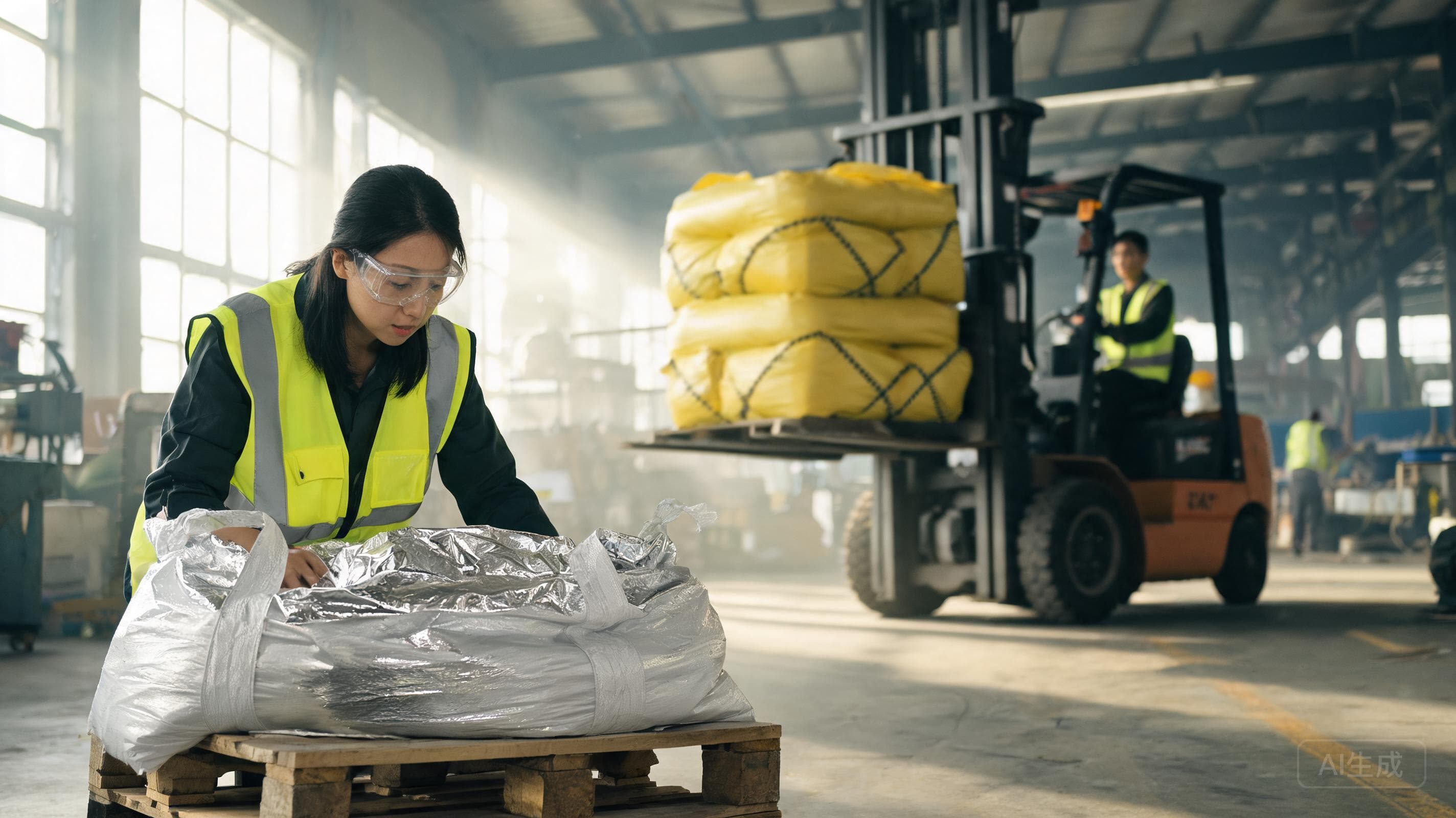
Modern FIBC configurations go far beyond basic polypropylene bags. For highly hygroscopic substances such as lithium battery cathode powder or nylon granules, aluminum foil liner bulk bags with integrated moisture and oxygen barriers are now standard. Light-proof FIBC designs incorporating anti-static bulk packaging eliminate UV degradation and prevent static discharge that could ignite dust clouds. When handling 1‑2 ton loads, FIBC bags with cross-reinforced bottoms and inner lifting loops provide the structural integrity needed for overhead bulk bag or forklift bulk bag lifting. For agricultural applications, breathable bulk bags permit necessary airflow without sacrificing container strength. These engineered features are what differentiate a simple PP woven bulk bag from a high-performance industrial bulk packaging tool.
Proven ROI: Success Stories from Real‑World Deployments
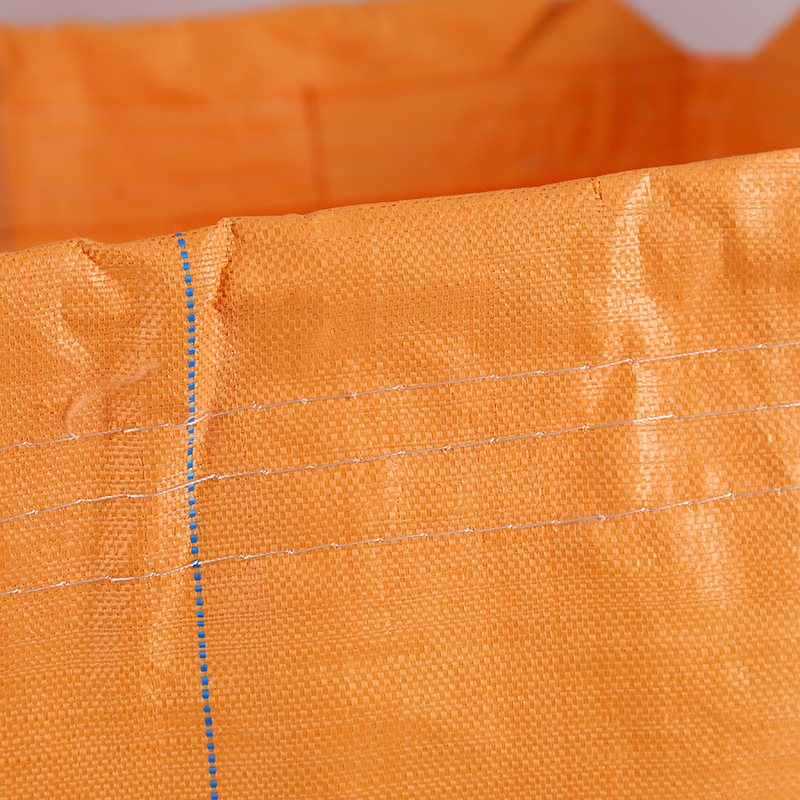
One chemical producer curbed product spoilage by 40% within the first year of adopting oxygen barrier bulk bags fitted with 3-side seal aluminum foil bag liners for their mineral bulk packaging. Today, more than 300 operations utilize our custom FIBC for lithium battery powder packaging, with the formed inner belly bag and aluminum foil liner bulk bag combination proving essential for maintaining cathode material purity. The ROI extends beyond preservation: jumbo bags consolidate loads, eliminating hundreds of smaller sacks and dramatically reducing bulk material handling labor. Our case study on turning packaging pitfalls into profit quantifies these gains in real‑world terms.
Get Your Custom FIBC Solution Today
From anti-oxidation packaging and flame retardant packaging to heavy-duty PP container bags, we engineer factory-direct FIBC solutions that match your exact load and chemical resistance requirements. Our product line extends to soft pallet lifting slings, flexible intermediate bulk containers with cross-reinforced bottoms, and custom liners such as the 3-side seal aluminum foil bag. Whether you seek moisture-proof bulk packaging for mineral concentrates or anti-static bulk packaging for electronic‑grade powders, our team will design a system that elevates both logistics efficiency and product safety. Contact our specialists today at /en/contact to define your specifications and receive a tailored proposal.
Related News
Other news you might be interested in
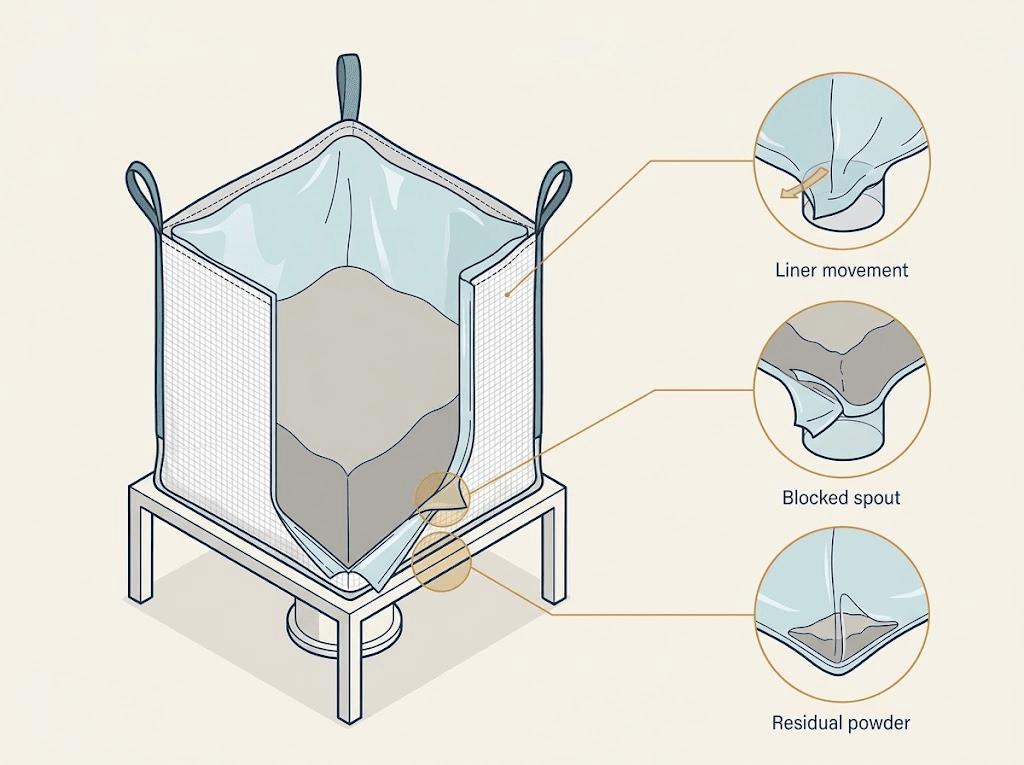
FIBC Liner Discharge Problems: A Buyer’s Checklist for Liner Movement, Blocked Spouts and Residual Powder
A lined bulk bag reaches the production line, but the powder stops flowing before the bag is empty. The liner moves towards the outlet, material remains in the bottom corners, or operators need repeated assistance to finish unloading.For buyers ordering FIBC liners, the useful question is: what information will help the packaging supplier and equipment provider identify the cause and agree on a better specification?Start by reviewing the material, liner, outer bag and discharge equipment together. Liner fit, folds, outlet configuration and product flow characteristics can all affect emptying performance.
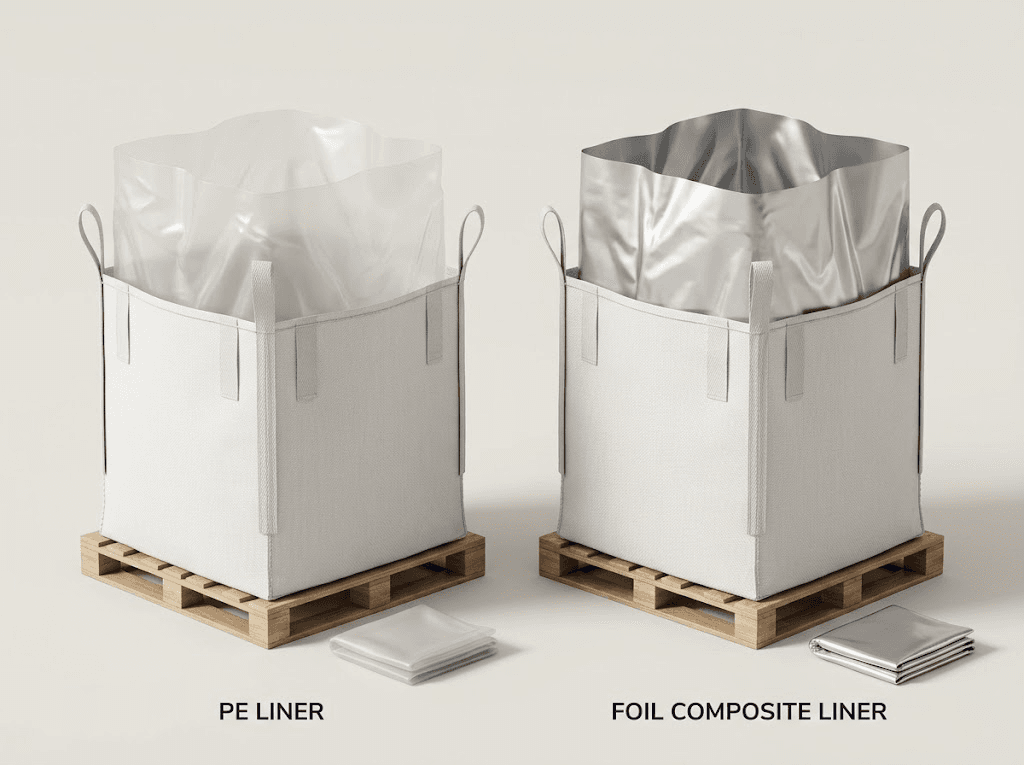
PE vs Aluminum Foil FIBC Liners for Moisture-Sensitive Powders: A Buyer’s Checklist
Choosing a liner for a moisture-sensitive powder starts with a practical question: what protection does the material need throughout filling, transport, storage and discharge?A request for “moisture proof bulk bags” gives a supplier a starting point, but it does not define an acceptable package. A PE liner may meet the requirement. An aluminum foil composite liner may be worth evaluating when the product needs a stronger moisture barrier, oxygen protection or light protection. The decision should follow the actual material specification, closure arrangement and trial results.This checklist helps buyers compare the options and prepare an enquiry for FIBC liners without relying on a material name alone.
Want to know more?
Get in touch with us for more information about our services and products.