Styles et Construction du Corps
Panneaux, tubulaire, baffle et boucles
Choisissez la structure qui contrôle forme, stabilité de remplissage, empilage et efficacité conteneur.
5 styles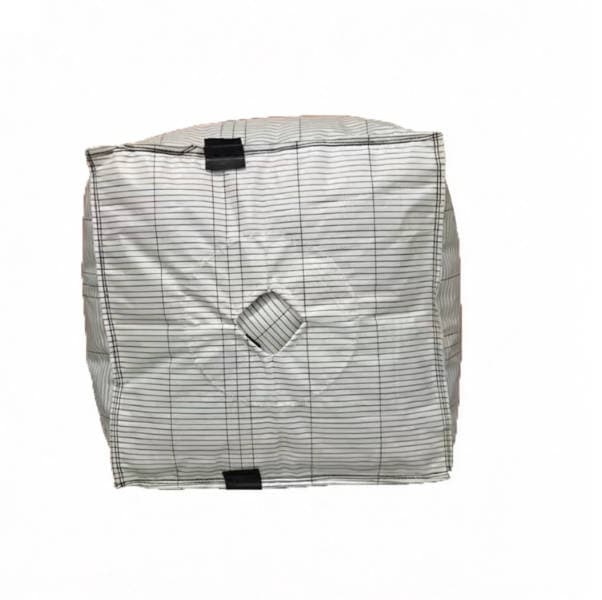
Panneaux, tubulaire, baffle et boucles
Choisissez la structure qui contrôle forme, stabilité de remplissage, empilage et efficacité conteneur.
5 styles
Systèmes pour chariot, grue et port
Adaptez position des boucles et renfort des sangles au chariot, à la grue, au port et à la manutention lourde.
5 options de sangles
Ouvert, goulotte, conique ou duffle
Sélectionnez l’ouverture pour chargement manuel, silo, remplissage automatique ou réduction de poussière.
4 options hautes
Fond plat, goulotte, conique ou vidange totale
Définissez la vidange pour transport fermé, contrôle propre, vidange rapide ou faible résidu.
4 options de vidange
Détails humidité, fuite et renfort
Ajoutez doublure, couture et renfort lorsque la charge demande contrôle humidité, anti-fuite ou sécurité accrue.
3+ fonctions protection
Marque, avertissements et certification
Préparez identification, marquages de manutention et exigences de conformité pour charges alimentaires, chimiques ou réglementées.
Marque et conformitéPanneaux, tubulaire, baffle et boucles
Choisissez la structure qui contrôle forme, stabilité de remplissage, empilage et efficacité conteneur.
5 stylesSystèmes pour chariot, grue et port
Adaptez position des boucles et renfort des sangles au chariot, à la grue, au port et à la manutention lourde.
5 options de sanglesOuvert, goulotte, conique ou duffle
Sélectionnez l’ouverture pour chargement manuel, silo, remplissage automatique ou réduction de poussière.
4 options hautesFond plat, goulotte, conique ou vidange totale
Définissez la vidange pour transport fermé, contrôle propre, vidange rapide ou faible résidu.
4 options de vidangeDétails humidité, fuite et renfort
Ajoutez doublure, couture et renfort lorsque la charge demande contrôle humidité, anti-fuite ou sécurité accrue.
3+ fonctions protectionMarque, avertissements et certification
Préparez identification, marquages de manutention et exigences de conformité pour charges alimentaires, chimiques ou réglementées.
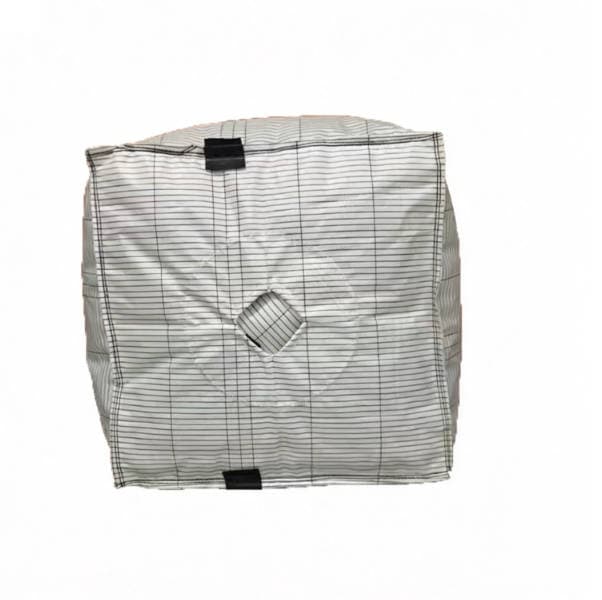
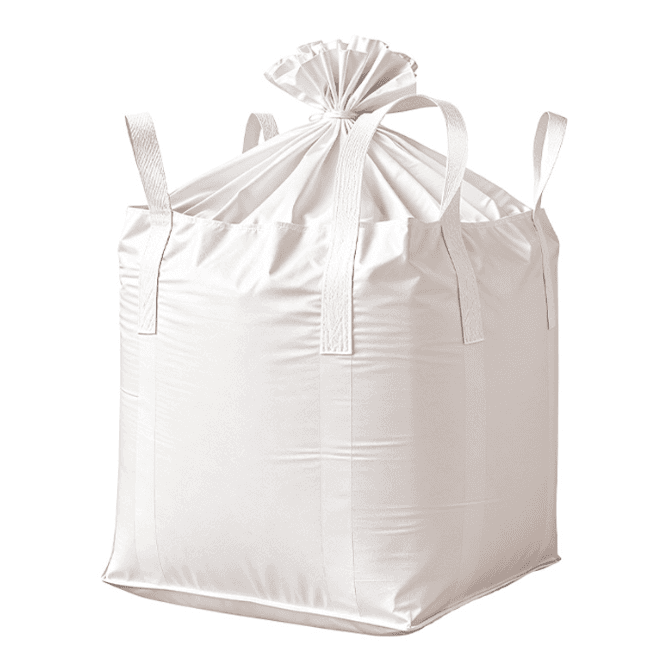
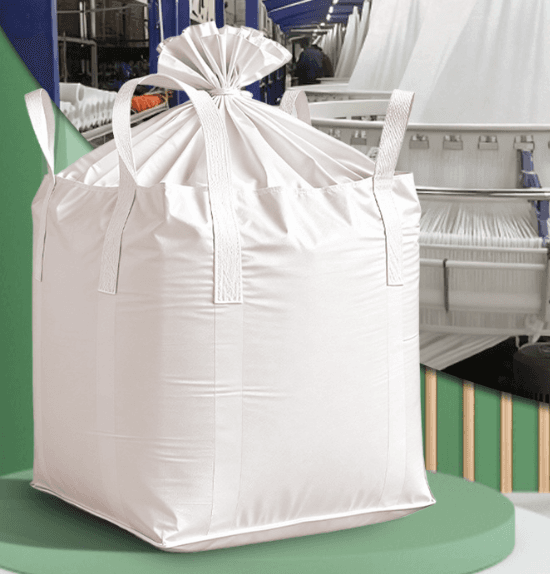
Marque et conformitéLes big bags FIBC à fond plat sont conçus pour les matériaux secs en vrac nécessitant un empilage stable, un stockage sécurisé et un risque réduit de fuite pendant la manutention et le transport. La structure solide à fond plat ne comporte aucune ouverture de décharge à la base, ce qui permet de maintenir en toute sécurité les poudres fines, granulés, minéraux, plastiques et matières premières industrielles pendant le remplissage, le levage, le stockage en entrepôt et l'expédition en conteneur.
Ce produit convient aux acheteurs qui ont besoin d'une solution d'emballage en vrac simple, solide et économique pour des matériaux ne nécessitant pas de décharge par le fond. Le sac peut être personnalisé avec différentes ouvertures supérieures, styles d'anses de levage, poids de tissu, options de doublure et exigences d'impression en fonction du type de cargaison et des conditions logistiques.

| Élément | Spécification |
|---|---|
| Nom du produit | Big bag FIBC à fond plat |
| Type de sac | Grand sac à base solide / sac en vrac à fond fermé |
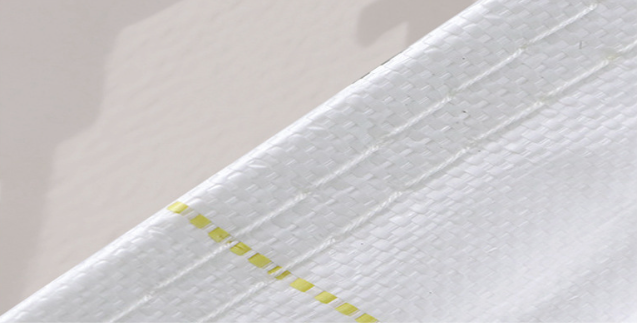
| Matériau principal | Tissu en polypropylène tissé |
| Structure du fond | Fond plat sans ouverture de décharge |
| Options du dessus | Dessus ouvert, bec de remplissage, dessus à soufflet, rabat de couverture |
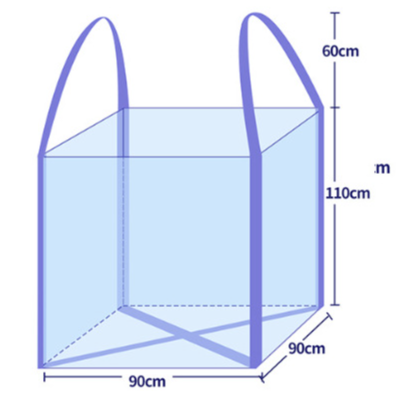
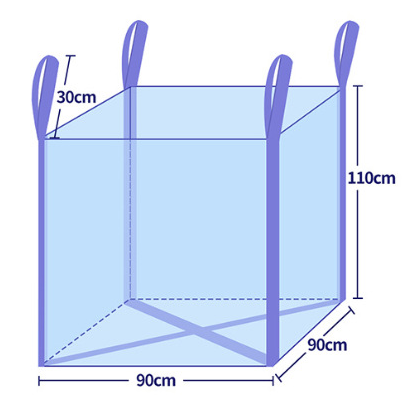
| Options de levage | Anses d'angle, anses en croix d'angle, anses de couture latérale, sangle de levage personnalisée |
| Capacité de charge | Généralement personnalisée selon 500 kg, 1 000 kg, 1 500 kg ou les exigences du projet |
| Facteur de sécurité | 5:1 ou 6:1 selon les besoins d'utilisation |
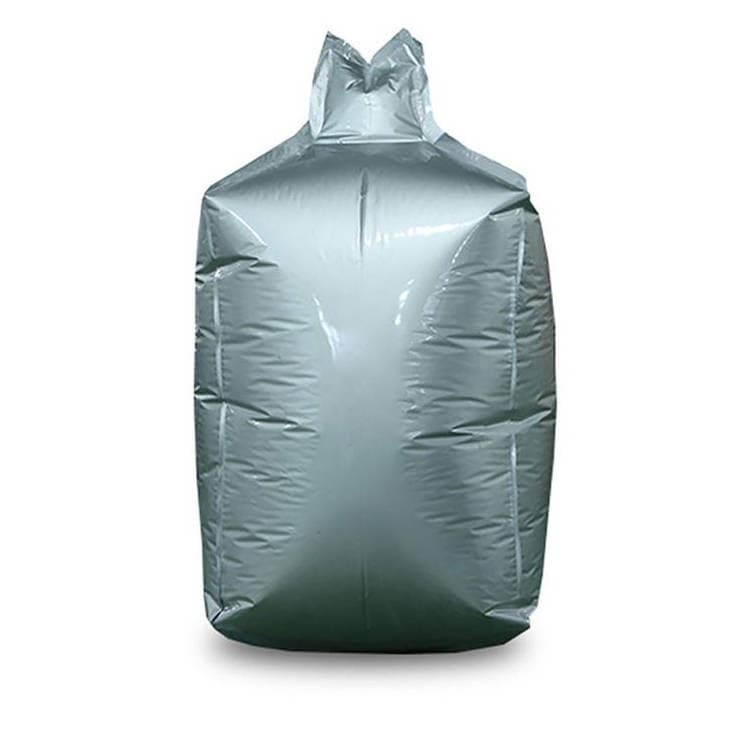
| Options de doublure | Pas de doublure, doublure PE, doublure ajustée, doublure en feuille d'aluminium |
| Impression | Impression personnalisée sur un ou plusieurs côtés disponible |
| Applications | Produits chimiques, granulés plastiques, minéraux, matériaux de construction, marchandises agricoles en vrac |
| Options personnalisées | Taille, poids du tissu, couleur, conception du dessus, doublure, anse de levage, impression, emballage |
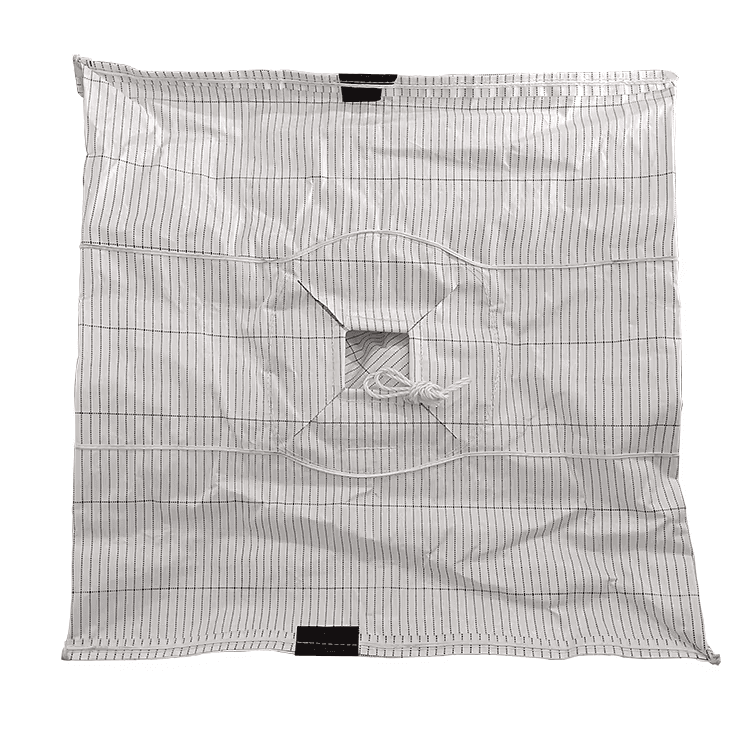
Pour les poudres chimiques et industrielles, les sacs FIBC à fond plat conviennent aux matériaux qui nécessitent une protection de base fermée et ne nécessitent pas de décharge contrôlée par le fond. Lorsque les fuites de poudre fine sont une préoccupation, le sac peut être combiné avec une doublure ou une couture anti-fuite.
Pour les granulés plastiques et les matériaux en résine, la base solide aide à maintenir la cargaison contenue lors de la manutention par chariot élévateur, du transfert en entrepôt et du chargement en conteneur. La structure supérieure peut être adaptée aux systèmes de remplissage manuel, de remplissage par silo ou de remplissage par trémie.
Pour les minéraux et les matériaux secs lourds, le poids du tissu, la résistance des anses et le facteur de sécurité peuvent être ajustés pour supporter des charges plus lourdes et des conditions de manutention plus rudes. Une conception renforcée peut être sélectionnée pour les secteurs minier, de la construction et du transport de matières premières.
Pour l'emballage d'exportation, le sac peut être fourni en balles compressées ou dans des formats d'emballage personnalisés pour soutenir les achats en gros, l'expédition en conteneur et les commandes récurrentes.
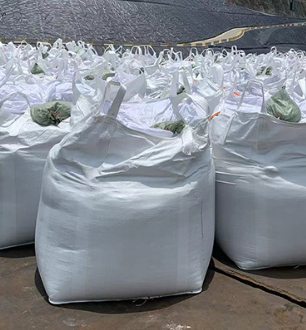
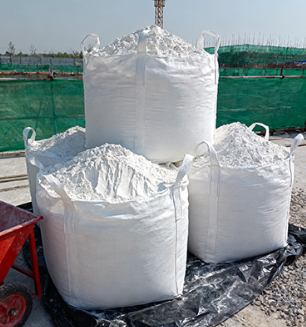
Les sacs FIBC à fond plat sont un choix pratique lorsque l'acheteur souhaite une structure plus simple, un risque de fuite plus faible à la base et des performances de stockage stables. Comme il n'y a pas de bec de décharge inférieur, le sac est souvent utilisé pour les cargaisons qui seront vidées par découpe, basculement, aspiration sous vide ou d'autres méthodes de manutention à destination.
Comparés aux sacs à bec de décharge, les sacs à fond plat ont moins de composants inférieurs et peuvent réduire le risque d'attaches lâches ou de fuite à la sortie pendant le transport. Comparés aux structures à fond ouvert, ils offrent un meilleur confinement pour les matériaux secs en vrac qui doivent rester scellés pendant le stockage et l'expédition.
| Comparaison | Sac FIBC à fond plat | Sac FIBC à bec de décharge |
|---|---|---|
| Structure du fond | Base solide fermée | Sortie inférieure avec bec de décharge |
| Contrôle des fuites | Meilleur confinement de la base | Dépend de l'attache du bec et de la conception de la fermeture |
| Méthode de vidange | Découpe, basculement, aspiration ou inversion | Décharge contrôlée par le bec |
| Cargaison adaptée | Granulés, minéraux, matériaux secs en vrac, certaines poudres avec doublure | Poudres ou granulés nécessitant un déchargement contrôlé |
| Positionnement tarifaire | Structure simple et économique | Conception de fond plus fonctionnelle |
| Meilleure utilisation | Stockage, transport, empilage stable | Opérations de décharge répétées ou contrôlées |
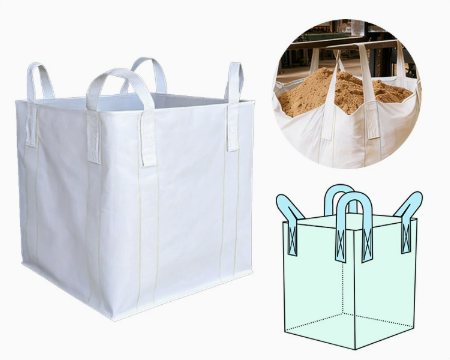
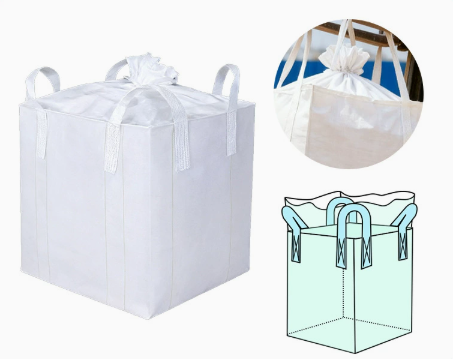
Le sac peut être personnalisé en fonction de la densité de la cargaison, du poids de chargement, de l'équipement de remplissage, de la méthode d'empilage en entrepôt et de la méthode de déchargement à destination. Les acheteurs peuvent choisir un dessus ouvert pour un remplissage rapide, un bec de remplissage pour un chargement contrôlé, un dessus à soufflet pour une meilleure couverture, ou un rabat supérieur pour réduire la poussière et la pluie.
Pour les matériaux sensibles à l'humidité ou à la contamination, une doublure intérieure peut être ajoutée. Pour les poudres fines, des coutures anti-fuite et des options de fixation de la doublure sont recommandées. Pour les matériaux lourds, des anses de levage renforcées, un tissu plus épais et une couture plus solide peuvent être configurés.
Quand dois-je choisir un sac FIBC à fond plat ? Choisissez un sac à fond plat lorsque la cargaison n'a pas besoin de décharge par le fond et que la priorité est un stockage stable, un confinement de la base et un transport économique.
Peut-il être utilisé pour les poudres fines ? Oui, mais les poudres fines nécessitent généralement une doublure PE, une doublure ajustée ou des coutures anti-fuite pour améliorer le confinement et réduire les risques de fuite.
Comment le sac est-il vidé s'il n'y a pas de sortie inférieure ? Il peut être vidé en coupant le fond, en basculant, par aspiration sous vide ou en inversant le sac, selon le processus de déchargement de l'acheteur.
Le dessus et les anses de levage peuvent-ils être personnalisés ? Oui. L'ouverture supérieure, le style des anses de levage, le poids du tissu, la taille, la doublure, l'impression et l'emballage peuvent tous être personnalisés selon les exigences de la commande.
Envoyez le nom de votre cargaison, le poids de chargement, la taille du sac, la méthode de remplissage supérieure, la doublure requise, la méthode de levage et le processus de déchargement. Nous pouvons vous aider à configurer une solution de big bag FIBC à fond plat pour un empilage stable, un transport plus propre et un emballage fiable pour les matériaux secs en vrac.
Get in touch for more information, pricing, or custom requirements.