
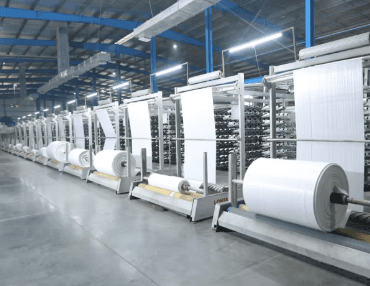
Automated Filling and Discharge Systems Are Redefining FIBC Specifications for Powder Handling

Dayang Yang
AuthorWith experience in FIBC bulk bag manufacturing and export sales, we operate our own production facility with stable large-scale capacity. We are specialists in bulk bags, conductive FIBCs, food-grade FIBCs, UN certified bags, and customized flexible intermediate bulk containers for industrial packaging and bulk material transportation solutions.
Summary
As the handling volume of chemical powders, food ingredients, mineral powders, and new energy materials continues to grow, automated filling and discharge equipment is becoming a key part of plant modernization. These automated systems not only improve weighing and handling efficiency, but also impose clearer technical requirements on flexible intermediate bulk containers (FIBCs), including filling spouts, discharge spouts, bag shape, liner construction, and lifting-loop configuration.
In the past, bulk bags were mainly viewed as containers for load handling and transportation. Today, on automated production lines, they have become essential packaging components connecting upstream silos, filling equipment, warehouse logistics, and downstream processing lines. Whether a bag structure matches the operating cycle of the equipment directly affects dust control, filling accuracy, discharge efficiency, and material batch stability.
Automated Production Lines Are Raising FIBC Specification Requirements
Traditional manual filling and discharge operations allow more room for adjustment. Operators can reposition bag spouts, arrange the bag body, or assist material flow according to on-site conditions. Automated equipment works differently. Filling machines, weighing systems, vibration platforms, conveyors, and discharge stations require the package to complete each operation at a specified position and within a defined operating cycle.
During filling, the bag must form a stable connection with the filling head to reduce dust escape. During weighing, the bag structure must remain relatively stable to minimize movement during filling. During discharge, the outlet design, bag-bottom shape, and material flow properties directly affect discharge speed and residual material levels.
As a result, FIBC specifications are expanding beyond safe working load alone. They now include more detailed requirements such as filling-spout dimensions, discharge configuration, bag-forming performance, liner compatibility, lifting-loop position, and equipment-interface matching.
Filling Efficiency No Longer Depends on Equipment Speed Alone
Automated filling systems can improve filling efficiency through weighing modules, filling heads, and vibration compaction units. However, equipment performance can only be fully achieved when the packaging is properly matched. If a bag deforms easily during filling, if its inlet spout is difficult to secure, or if the liner does not fit well with the outer bag, the operation may experience dust leakage, uneven filling, weighing variation, or unstable stacking.
For powders with poor flowability or a high risk of airborne dust, the packaging structure must also support proper material distribution inside the bag. Uneven filling affects more than appearance. It can shift the center of gravity during transportation and increase risks during forklift handling and warehouse storage.
Automation is therefore encouraging buyers to move from selecting "a bulk bag that can hold material" to selecting "a packaging system that can operate consistently with the specified equipment." This means suppliers need to participate earlier in packaging discussions and understand the material characteristics, filling method, target weight, and transport process.
Formed Inner Bags Improve Compatibility with Automated Filling
In applications that require better dust control, lower material residue, or stricter material-contact conditions, liner design is becoming an important part of automated packaging solutions. This is particularly relevant for specialty chemicals, functional powders, and new energy materials, where liner fit can affect filling operations, material protection, and discharge performance.
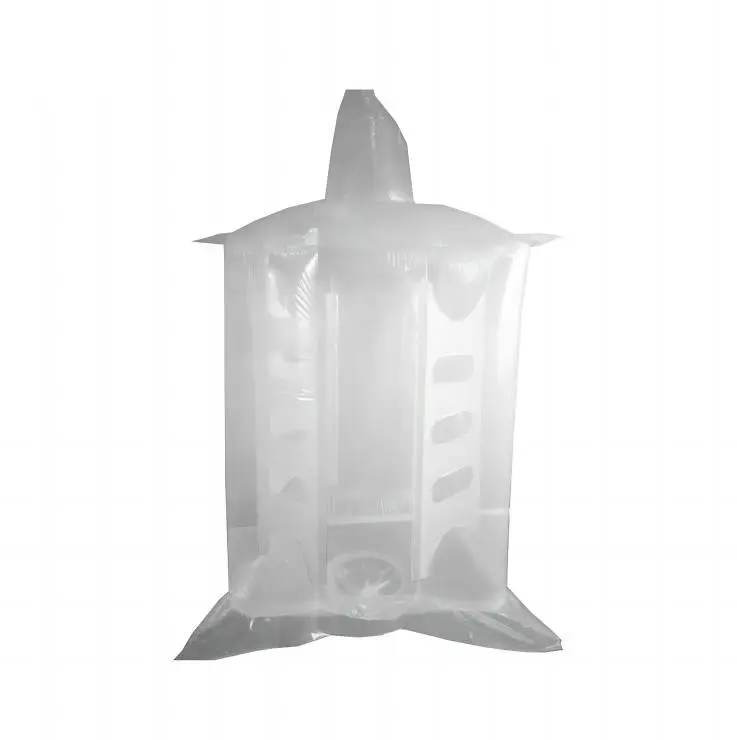
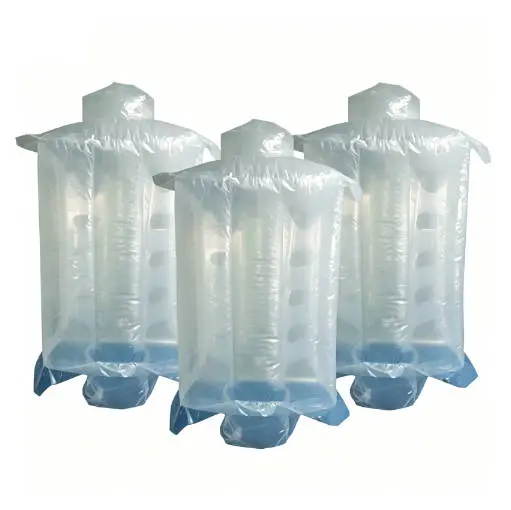
Formed Inner Bag can be used as an inner-layer solution for packaging applications that require a closer fit to the bag shape. When used with an outer FIBC, a formed liner can help the packaging system better adapt to automated filling processes and provide a more organized internal space for filling, transportation, and discharge.
In automated production lines, liners are not simply protective components. They can also affect air release during filling, material settling, bag formation, and discharge performance. For customers with clear batch-management and cleanliness requirements, selecting a liner solution that matches both the equipment and the material can help reduce operational risks caused by unsuitable packaging structures.
Discharge Systems Make Bag Bottoms and Outlets Critical Design Features
Compared with filling, automated discharge places more direct demands on packaging structure. After transportation and storage, powders may compact, absorb moisture, accumulate static electricity, or experience changes in flowability. If the discharge spout, bag-bottom design, and material properties are not properly matched, even a well-controlled automated unloading system may fail to achieve stable discharge.
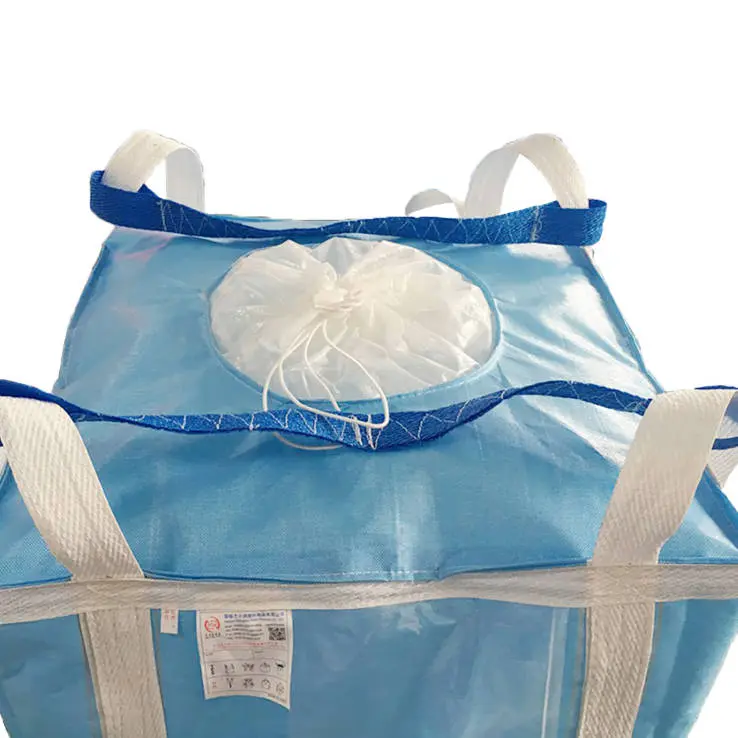
In modern powder handling systems, discharge stations often need to form sealed connections with downstream conveyors, silos, or processing equipment. The bag discharge structure must match the equipment interface to reduce dust escape and minimize manual intervention during operation. Depending on the material, buyers may also evaluate discharge-spout size, bag-bottom shape, closure method, and bag stability while suspended.
This means FIBC selection should be based on the complete material-handling route, rather than only on transport requirements after filling. A packaging solution that performs consistently through filling, stacking, lifting, and discharge is better suited to the actual needs of automated plants.
Inner Lifting Loop Bulk Bags Help Match Handling Interfaces with Production-Line Cycles
In automated logistics and continuous material-handling environments, lifting-loop construction affects more than lifting safety. It can also influence how efficiently a bulk bag is positioned when entering filling frames, conveyor areas, and discharge stations. Bag stability during lifting, ease of loop engagement by equipment, and the ability of the bag body to maintain a suitable shape can all affect overall line performance.
Inner Lifting Loop Bulk Bag can be considered for applications that place particular emphasis on lifting and handling structure. For projects that use lifting equipment for transfer, positioning, or discharge, buyers can assess the appropriate lifting-loop configuration and bag structure according to equipment interfaces, material weight, and on-site operating methods.
In automated environments, bulk bags are not simply lifted. They must be transferred, suspended, and released steadily in the correct position. Coordinating lifting-loop design with the plant's lifting method, equipment space, and operating cycle in advance can help reduce on-site modifications and repeated commissioning work.
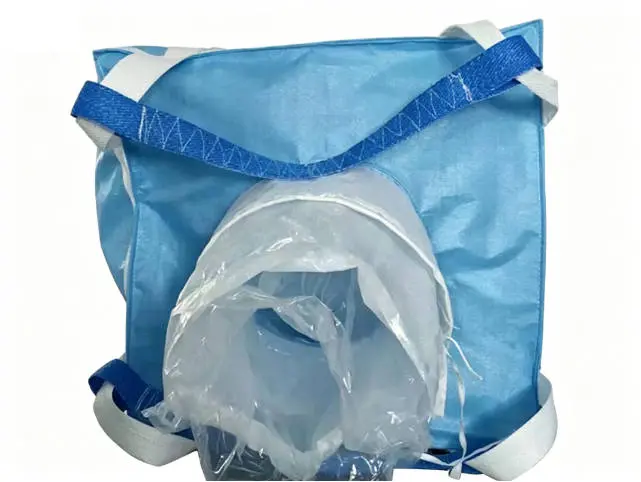
FIBC Bulk Bags with Discharge Spout
Procurement Is Shifting from Individual Bag Pricing to System Compatibility
Automation is changing how global buyers procure FIBCs. In the past, buyers might have compared products mainly by dimensions, fabric weight, load capacity, and price. Today, more projects also specify material flowability, filling speed, discharge method, dust-control requirements, equipment interfaces, and liner needs.
These changes require packaging suppliers to have a more complete understanding of the application. Suppliers need to do more than provide the bag itself. They need to help customers understand the role of packaging throughout filling, storage, transport, and discharge, avoiding the situation where optimizing one stage creates limitations at another.
For powder-processing companies, the match between automated equipment and packaging structure also affects long-term operating costs. A poorly matched bag may cause equipment interruptions, more manual assistance, higher material loss, and more frequent cleaning. A properly matched packaging solution can improve operational stability and reduce uncertainty on the production floor.
Conclusion
The development of automated filling and discharge systems is moving the FIBC industry from basic packaging manufacturing toward competition in application-based solutions. In the future, FIBC specifications will place greater emphasis on equipment compatibility, dust control, material flow, lifting stability, and inner-layer protection, rather than focusing solely on traditional load-bearing capacity.
Related News
Other news you might be interested in

Under the EU PPWR, What Packaging Documents Should FIBC Exporters Prepare?
If your bulk bags are intended for the EU market, a buyer may ask for more than a product specification sheet. They may need information about the packaging’s materials, design, intended use and conformity so that the responsible business operator can assess the applicable requirements.
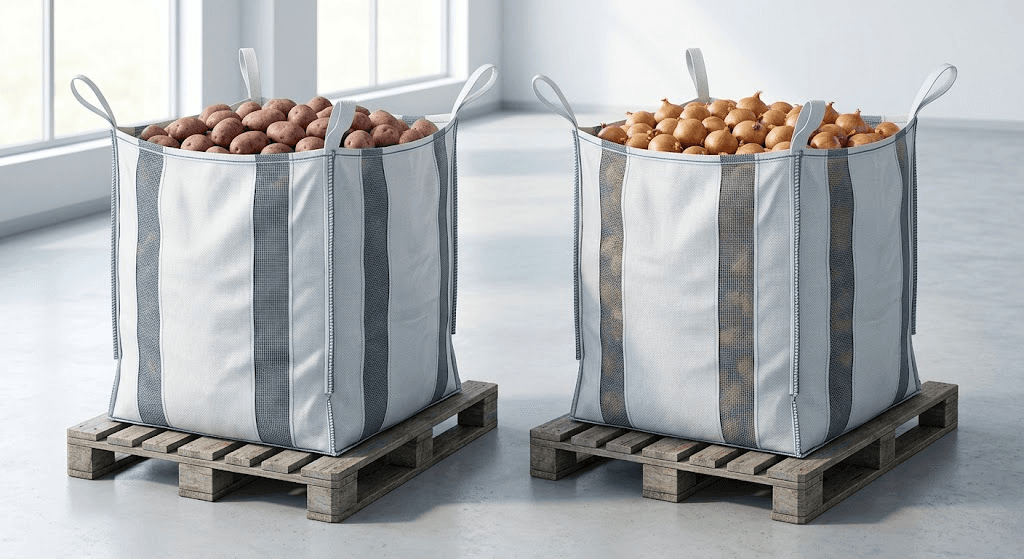
Custom Ventilated Bulk Bags for Potatoes and Onions: A Buyer’s Checklist
Buying ventilated bulk bags involves more than choosing a bag size and adding ventilation panels. The bag must suit the produce, filling line, lifting equipment and unloading method, as well as the storage and transport conditions.For potato packers, onion exporters, agricultural cooperatives and packaging distributors, a useful starting point is to describe the job the bag needs to do. Is it moving produce between facilities, holding a batch before packing, or supporting an export shipment? This guide turns those requirements into a checklist for a custom enquiry.
Want to know more?
Get in touch with us for more information about our services and products.