
Global FIBC Industry Accelerates Its Shift Toward Traceable and Circular Bulk Packaging in 2026

Dayang Yang
AuthorWith experience in FIBC bulk bag manufacturing and export sales, we operate our own production facility with stable large-scale capacity. We are specialists in bulk bags, conductive FIBCs, food-grade FIBCs, UN certified bags, and customized flexible intermediate bulk containers for industrial packaging and bulk material transportation solutions.
Summary
In 2026, the global flexible intermediate bulk container (FIBC) industry is entering a new phase of development. Traditionally, bulk bags have served the core functions of loading, handling, storing, and transporting bulk materials. However, buyers in chemicals, new energy, minerals, food ingredients, and agricultural raw materials now expect far more from industrial packaging.
In addition to safe load handling and product protection, buyers increasingly consider whether packaging is traceable, recyclable, and compatible with their quality-control and cross-border logistics processes. FIBCs are therefore evolving from simple transport packaging into supply-chain components that connect material protection, information management, and circular-use objectives. For manufacturers and exporters, clearer batch management, better packaging design, and product combinations tailored to end-use applications are becoming increasingly important for securing long-term business.
Traceability Is Becoming a New Requirement in Bulk Packaging Procurement
In the past, international buyers of FIBCs primarily compared safe working load, dimensions, lifting-loop configuration, lamination requirements, and price. Today, a growing number of customers also assess suppliers based on packaging information management, including order references, production batch numbers, material information, inspection records, labeling rules, and application guidance.
This requirement is particularly relevant for powders, granules, chemical additives, and high-value industrial materials. If damage, moisture exposure, labeling inconsistencies, or contamination occur during transport or storage, companies need to identify the affected material range quickly. The clearer the packaging batch information, the more efficiently an issue can be investigated and handled, reducing the risk of quarantining, returning, or scrapping an entire shipment.
As a result, FIBC labels, printing, liners, filling spouts, discharge spouts, and outer-bag construction are no longer merely product details. They are becoming part of a material traceability system. In the future, suppliers will need to place greater emphasis on linking order information with packaging information to help customers build more stable bulk-material handling processes.
Circular Packaging Is Becoming a Supply Chain Cost Management Issue
As global markets place greater emphasis on packaging waste, recycled materials, and circular use, industrial buyers are expanding their evaluation beyond whether an FIBC is simply recyclable. They are now asking whether packaging can realistically be incorporated into an effective circular management system.
For customers with high packaging volumes and frequent material turnover, the packaging lifecycle can directly affect procurement costs. Single-use packaging may simplify purchasing in the short term, but it can create greater pressure for waste handling. Circular packaging programs, on the other hand, require companies to consider bag materials, product residue, recycling classification, liner construction, transport methods, and on-site operating conditions.
It is important to note that not every FIBC is suitable for repeated use or for the same recycling route. Different materials have different cleanliness requirements, contamination risks, and transport environments. The next stage of industry development is therefore not simply about promoting the concept of circularity. It is about making packaging easier to identify, sort, recover, and manage while maintaining material safety.
Formed Inner Bags Improve Batch Integrity and Handling Efficiency
In applications involving specialty chemicals, functional powders, new energy materials, and mineral powders, material residue, dust release, and liner fit can directly affect operational efficiency and quality control. An unsuitable inner packaging structure may lead to incomplete discharge, increased residue on the bag walls, or a higher risk of cross-contamination during material changeovers.
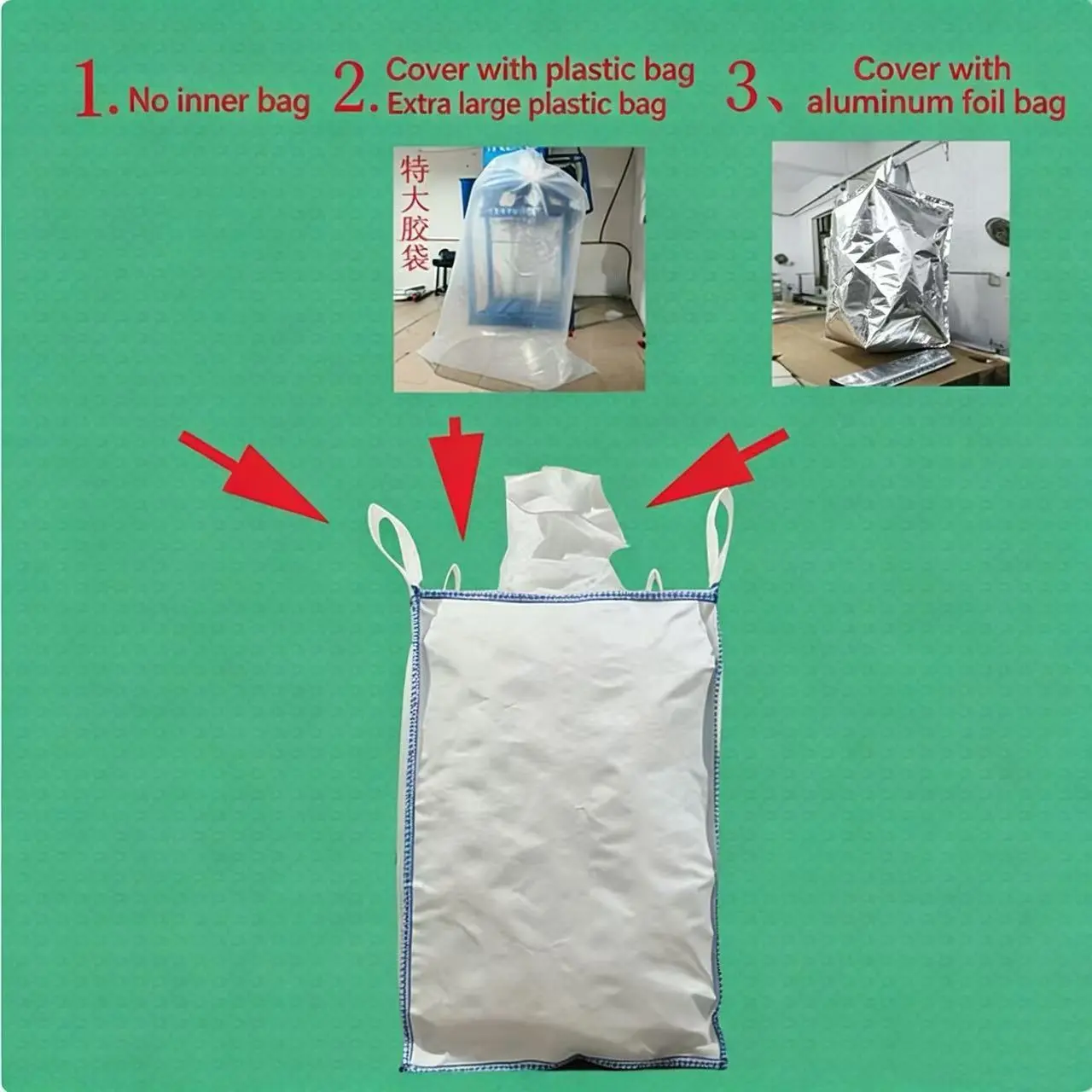
Formed Inner Bag can serve as an inner-layer solution within a bulk packaging system, helping match the filling, transport, and discharge requirements of different materials. A formed liner can work with the outer FIBC bag to create a more closely fitted structure, improving material distribution inside the package and supporting more orderly handling operations.
From a traceability perspective, an inner liner is not simply an optional accessory. For customers with clear batch-management requirements, liner compatibility can affect whether materials move consistently through filling, transport, storage, and discharge. In export projects involving powders or high-value granules, selecting an appropriate liner structure can help reduce batch-related risks caused by residue, damage, or inefficient handling.
Aluminum Foil Bags Meet the Barrier Packaging Needs of Sensitive Materials
The development of circular packaging does not mean lower expectations for product protection. For high-value materials that are sensitive to moisture, oxygen, light, or external environmental conditions, packaging solutions must still prioritize material stability.
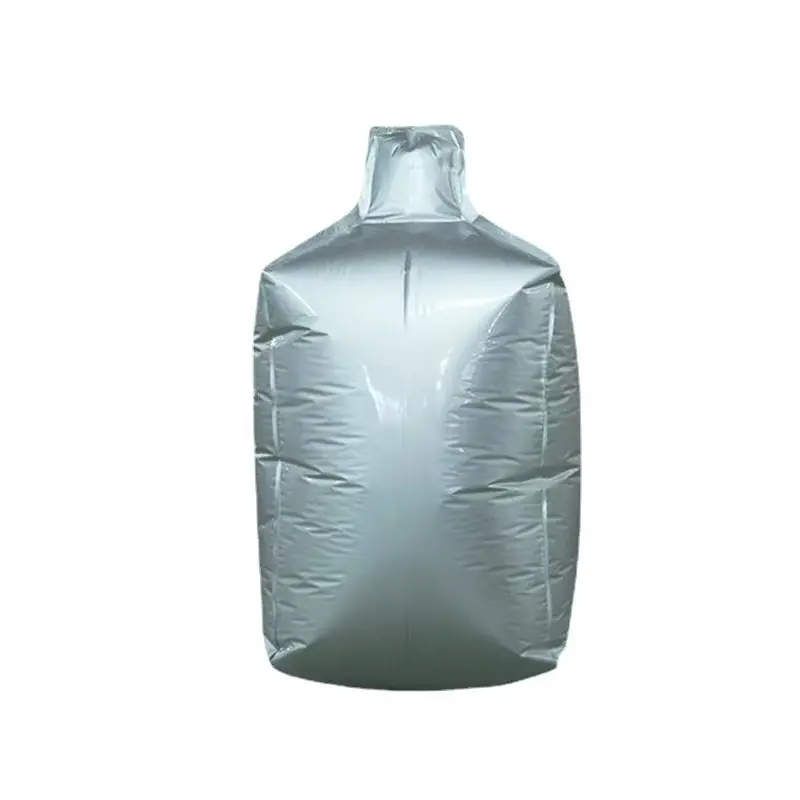
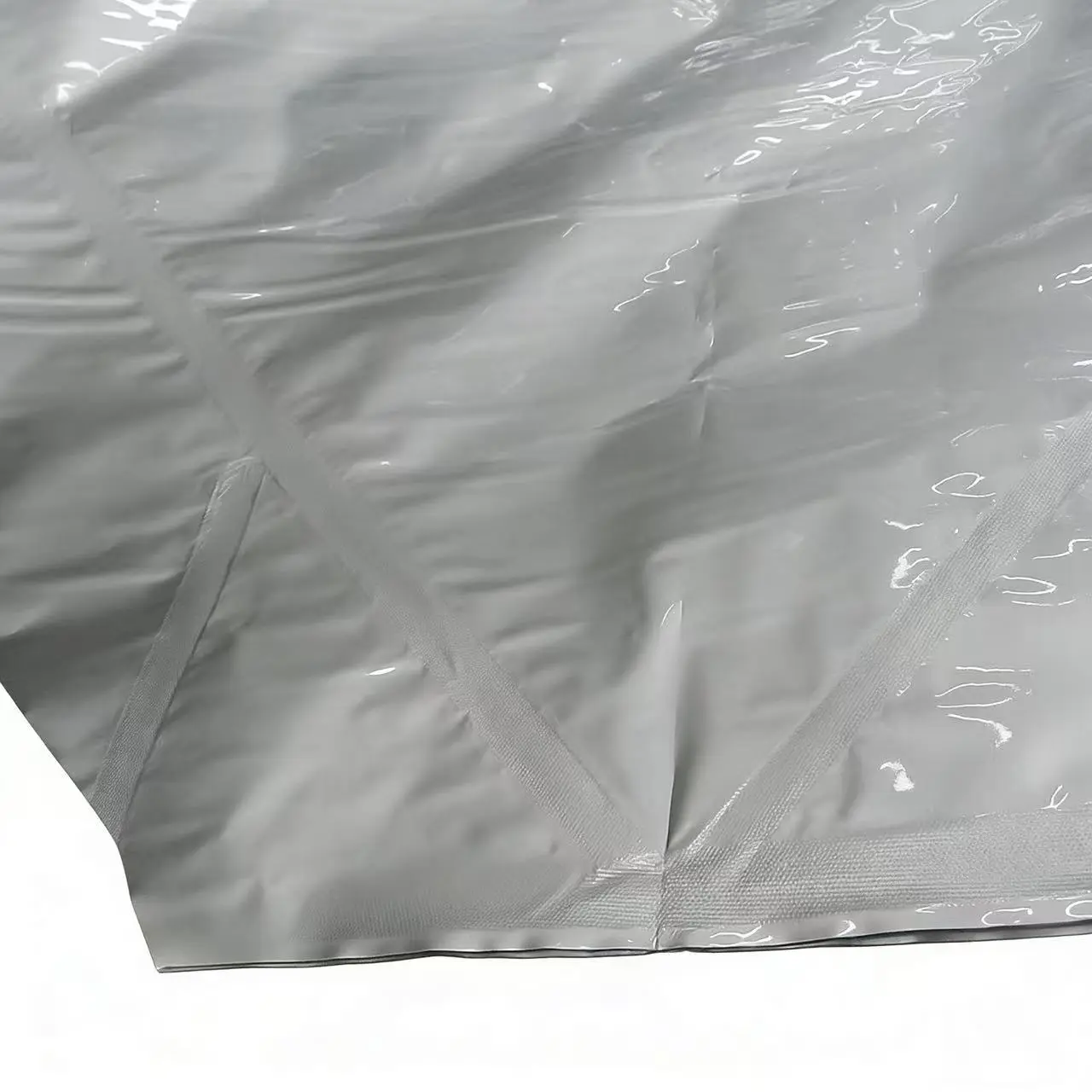
Aluminum Foil Bag can be used in applications requiring enhanced barrier performance. For moisture-sensitive, oxygen-sensitive, or materials requiring longer transport and storage cycles, aluminum foil composite structures can serve as part of an inner protection solution. They can help companies address challenges such as changes in temperature and humidity, extended sea-freight transit times, and repeated handling during export logistics.
Barrier packaging also plays an important role in traceability systems. Packaging must not only indicate which batch a material came from, but also help preserve the condition of that batch throughout the logistics cycle. For new energy materials, specialty chemicals, and specialized mineral powders, combining barrier protection, batch labeling, and outer FIBC transport packaging can create a more complete packaging solution.
High-Value Materials Are Driving FIBCs from Standardization Toward Application-Specific Design
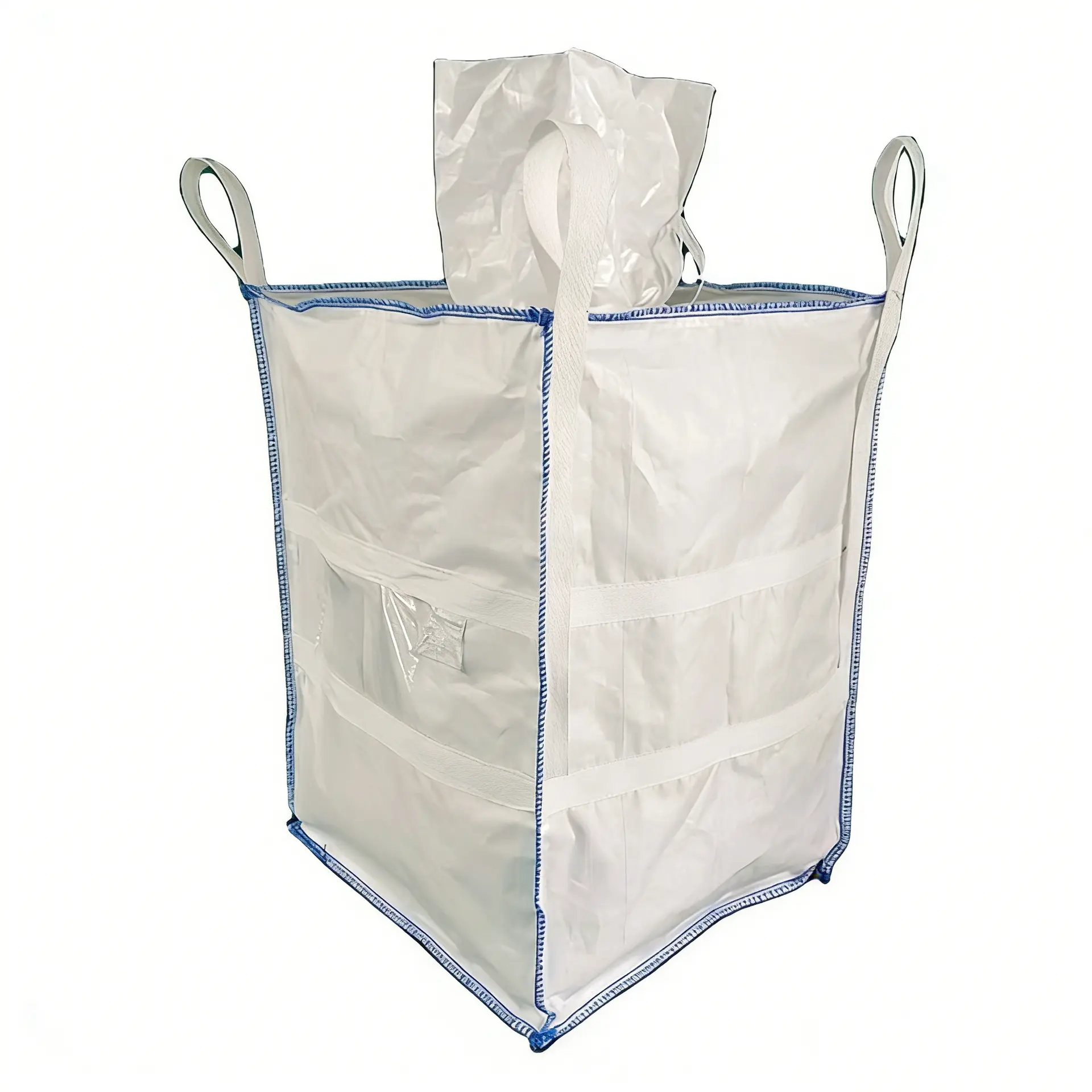
Current demand growth in the FIBC industry is not only about volume. It is also about the increasing complexity of applications. Standard bulk bags remain suitable for many basic material-handling applications, but as demand for high-value raw materials and specialty powders expands, customers are requesting packaging solutions that better match material characteristics.
For example, powders with poor flowability require attention to discharge efficiency. Moisture-sensitive materials require suitable barrier properties. Materials with dust-related risks require attention to sealing and operational safety. Raw materials with higher cleanliness requirements require appropriate coordination between liners, bag bodies, and filling and discharge processes. These differences are driving FIBC suppliers to move beyond a single bag type and toward integrated solutions that combine bag bodies, liners, labels, and application guidance.
This trend is also changing the meaning of customization. Customization is no longer limited to dimensions or printing. It increasingly involves structured design based on material protection, factory operations, and logistics methods. Suppliers that understand customers' on-site handling processes will be better positioned to build long-term partnerships.
Information Delivery Capability Will Become Part of Supplier Competitiveness
In the future, global buyers will evaluate FIBC suppliers not only on whether products can be delivered on time, but also on whether suppliers can provide clear, consistent, and verifiable information. This may include material descriptions, batch references, product construction details, application guidance, packing methods, and quality-control documentation.
For export-oriented businesses, strong information delivery can reduce customer communication costs and build greater trust. When packaging is used in high-standard procurement systems for chemicals, new energy, and food ingredients, buyers often expect suppliers to understand their material characteristics rather than simply provide a generic bulk bag quotation.
Traceability makes packaging information more transparent, while circularity encourages more systematic packaging design and use. Together, these trends are transforming FIBCs from basic consumables used for bulk-material transport into important tools that help customers improve operational efficiency, manage risk, and advance sustainable procurement.
Conclusion
In 2026, the global FIBC industry is entering a new stage centered on safety, information, and circularity. As international procurement requirements continue to evolve, suppliers need to look beyond load capacity and material protection and place greater emphasis on batch management, structural compatibility, and lifecycle value.
Related News
Other news you might be interested in
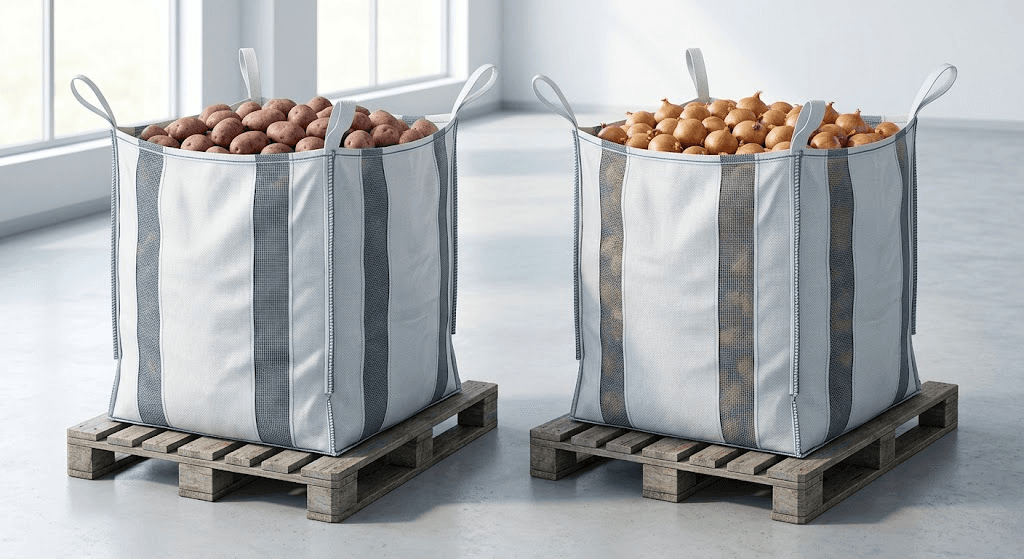
Custom Ventilated Bulk Bags for Potatoes and Onions: A Buyer’s Checklist
Buying ventilated bulk bags involves more than choosing a bag size and adding ventilation panels. The bag must suit the produce, filling line, lifting equipment and unloading method, as well as the storage and transport conditions.For potato packers, onion exporters, agricultural cooperatives and packaging distributors, a useful starting point is to describe the job the bag needs to do. Is it moving produce between facilities, holding a batch before packing, or supporting an export shipment? This guide turns those requirements into a checklist for a custom enquiry.

How to Choose FIBC Liners: Standard vs Form-Fit and a Custom Order Checklist
Choosing FIBC liners starts with two separate questions: what shape fits your bulk bag, and what film meets your material’s protection requirements? A standard liner and a form-fit liner describe different structures. PE and aluminum foil describe material options. Specifying one does not settle the other.For manufacturers, packaging distributors and bulk bag suppliers, the practical task is to match the liner to the cargo, filling equipment and discharge process. This guide explains what to compare and what information to prepare before requesting a custom quotation.
Want to know more?
Get in touch with us for more information about our services and products.