
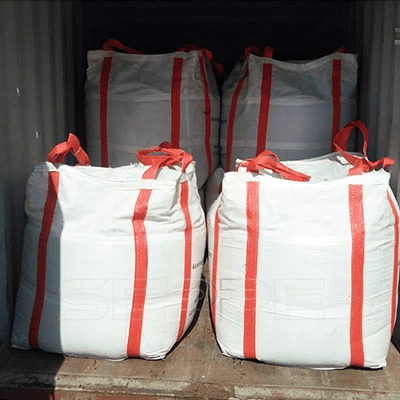
From Moisture Barrier to Zero Leakage: How to Choose the Right FIBC Liner for Fine Powders and Minerals

Dayang Yang
AuthorWith experience in FIBC bulk bag manufacturing and export sales, we operate our own production facility with stable large-scale capacity. We are specialists in bulk bags, conductive FIBCs, food-grade FIBCs, UN certified bags, and customized flexible intermediate bulk containers for industrial packaging and bulk material transportation solutions.
Summary: As global demand grows for the transportation of chemical powders, mineral powders, new energy materials, and high-value granular products, FIBC bulk bags are no longer just basic packaging that can “hold the load and be lifted safely.” For fine powders, hygroscopic minerals, lithium battery materials, flame retardants, plastic pellets, and similar products, the packaging system must address moisture protection, oxygen barrier performance, contamination prevention, leakage control, and safe discharge at the same time. Industry trends show that FIBC liners made with PE, EVOH, or aluminum foil composite structures are becoming an important packaging upgrade for high-value bulk materials in export markets.
The Risk in Fine Powder and Mineral Packaging Often Starts from Invisible Gaps
In ordinary PP woven bulk bags, the outer bag mainly provides load-bearing and handling strength. However, for micro-fine powders or moisture-sensitive materials, woven fabric and standard stitching are often not enough. Transportation vibration, ocean freight humidity, warehouse temperature changes, and handling friction can all cause powder to slowly leak through needle holes, seams, bottom joints, or discharge spouts.
This kind of leakage is not only a material loss issue. For mineral powders, chemical additives, flame retardants, lithium battery cathode and anode materials, and other products, dust leakage may also lead to higher cleaning costs, cross-contamination, customer claims, and even static electricity or occupational health risks. As a result, more buyers now treat “whether the right liner is used” as a key factor when evaluating FIBC packaging.
Moisture Protection, Oxygen Barrier, and Leakage Prevention Are Three Different Needs
Many companies tend to confuse “moisture-proof bulk bags” with “leak-proof bulk bags,” but from a packaging engineering perspective, they solve different problems.
Moisture protection focuses on water vapor transmission and is suitable for materials that may cake, hydrolyze, or lose performance when exposed to humidity, such as cement additives, nylon pellets, food ingredients, and lithium battery materials. Oxygen barrier performance is more important for high-value powders that are prone to oxidation or require stable chemical properties. Leakage prevention focuses on whether powder can escape from seams, woven fabric gaps, discharge spouts, or liner folds.
Therefore, choosing an FIBC liner is not simply about whether the bag has an inner liner. It depends on material properties, particle size, transportation cycle, and filling/discharging methods. Standard PE liners are suitable for basic moisture protection and contamination prevention. EVOH or co-extruded films are better for higher barrier requirements. Aluminum foil composite liners are more suitable for long-distance ocean shipping, high-humidity environments, and materials sensitive to moisture, oxygen, and light.
Form-Fit Design Is Key to Reducing Residue and Leakage
Traditional loose liners are relatively cost-effective, but when placed inside a cubic bulk bag, they can easily create folds and dead corners. Fine powder may enter these folded areas during filling and become difficult to discharge completely, resulting in material residue and potential cleanliness issues for the next batch.
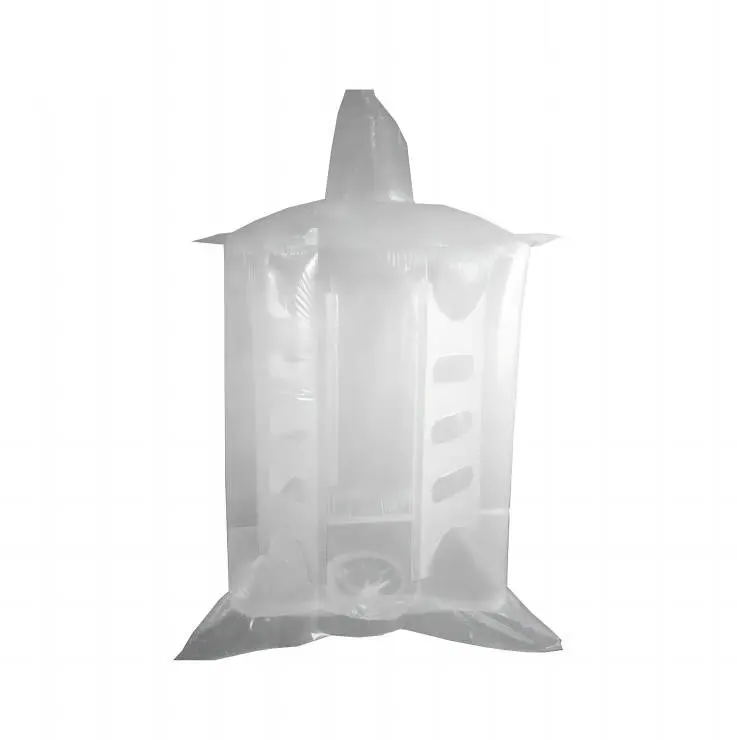
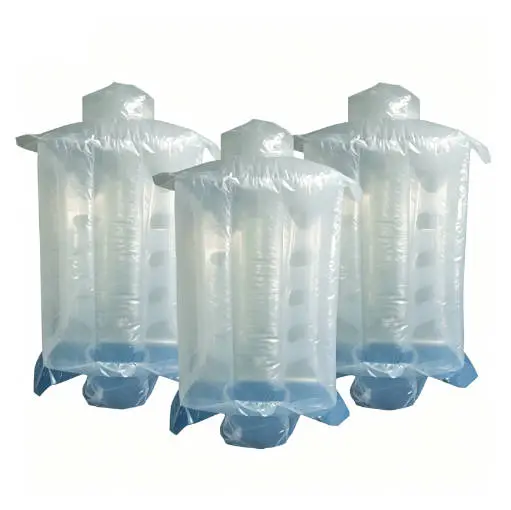
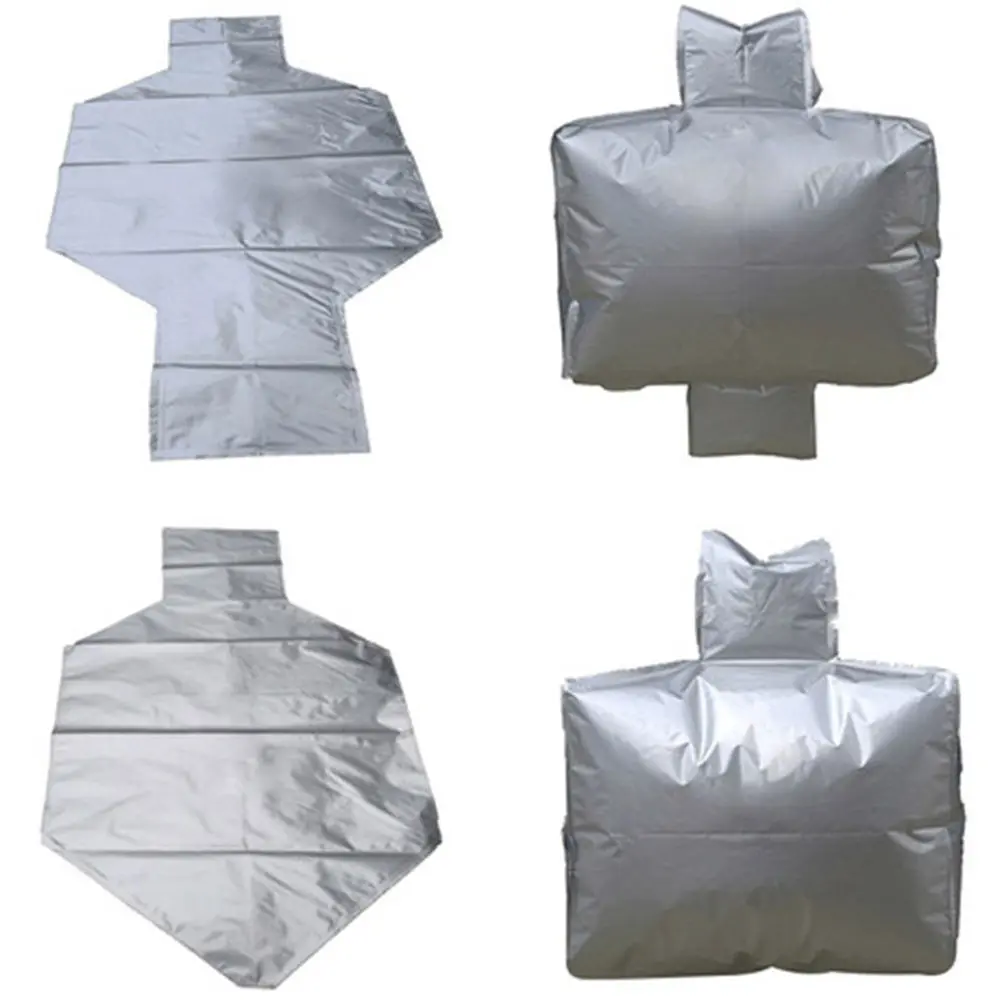
By contrast, form-fit liners are customized according to the outer bag dimensions, filling spout, bag body, and bottom discharge structure. They can reduce liner movement and wrinkling, allowing powder to maintain a more stable flow path during filling and discharge. For fine chemical powders, mineral powders, and lithium battery raw materials, solutions such as Form-Fit FIBC Liners can provide a better balance between moisture protection, contamination control, and residue reduction.
High-Barrier Aluminum Foil Liners Are Becoming a Standard Choice for High-Value Export Materials
In cross-border transportation, ocean shipping cycles are long and temperature and humidity conditions can fluctuate significantly. Standard PE liners may not meet long-term barrier requirements. For lithium battery materials, hygroscopic chemical powders, high-purity mineral powders, nylon pellets, flame retardants, and similar products, packaging needs to block not only external moisture but also oxygen and light that may affect material stability.
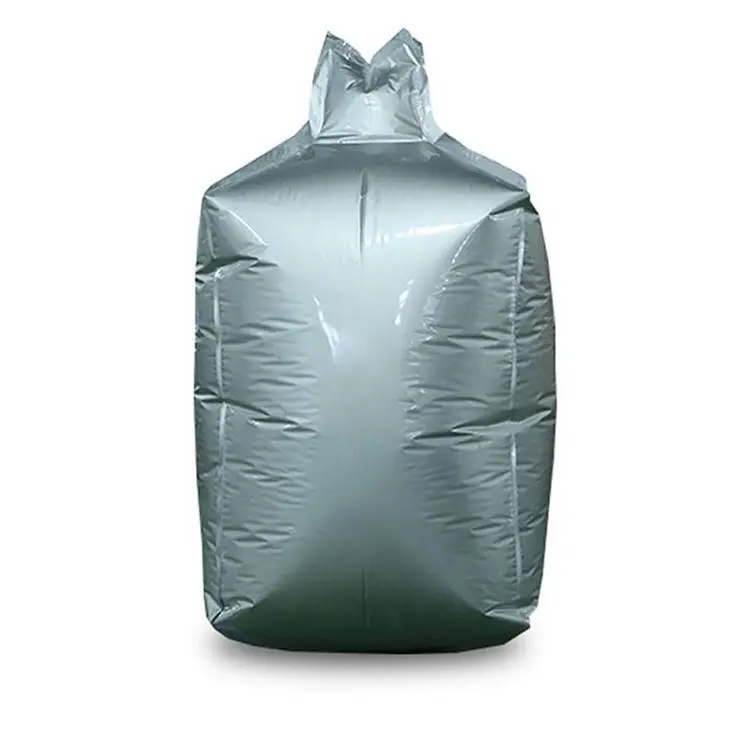
Aluminum foil composite liners usually use a multi-layer structure to provide stronger water vapor, oxygen, and light barrier performance. They can also be used together with vacuum sealing, nitrogen flushing, and other packaging processes. Multi-Layer Aluminum Foil FIBC Liners are more suitable for high-value powders and long-distance export cargo that require moisture protection, oxygen barrier performance, and light shielding.
How to Choose an FIBC Liner Based on the Material
If the packaged material is ordinary granules, plastic pellets, or mildly hygroscopic materials, PE liners are usually sufficient for basic moisture protection and contamination prevention. If the product is a medium-to-fine powder of around 50-200 microns, a combination of sift-proof seams, coated outer bags, and PE liners may be considered. If the powder is finer, especially when it can easily leak through needle holes and seams, form-fit liners and optimized discharge structures are recommended.
For high-value, highly hygroscopic, or oxidation-sensitive materials, aluminum foil composite liners are a more reliable option. If the material involves combustible dust or static electricity risks, Type C or Type D anti-static bulk bags should also be considered, along with conductive or anti-static liner materials. This helps avoid solving the moisture problem while leaving safety risks unaddressed.
Packaging Upgrades Are About Turning a “Single Bag” into a Complete System
The real challenge in fine powder and mineral packaging is not choosing one material, but designing the outer bag structure, liner material, stitching method, filling method, and discharge method as an integrated system. A proper FIBC packaging solution should answer several key questions: Is the material hygroscopic? How fine is the particle size? Does it require oxygen barrier or light shielding? How long is the transportation cycle? Does it require clean discharge? Is there a static electricity risk?
Once these conditions are clarified, companies can make more accurate decisions among PE liners, form-fit liners, EVOH barrier films, aluminum foil composite liners, sift-proof stitching, and anti-static structures. For export-oriented chemical, mineral, and new energy material companies, this packaging upgrade can not only reduce leakage and return risks, but also improve customer confidence in product stability and supply chain professionalism.
Conclusion: From moisture barrier to zero leakage, FIBC liners are evolving from an “auxiliary accessory” into a core functional layer of bulk packaging. In the future, as the export scale of high-value powders, refined minerals, and new energy materials continues to expand, FIBC solutions that can customize liner structures according to material characteristics will become an important competitive advantage in the industrial packaging market.
Related News
Other news you might be interested in
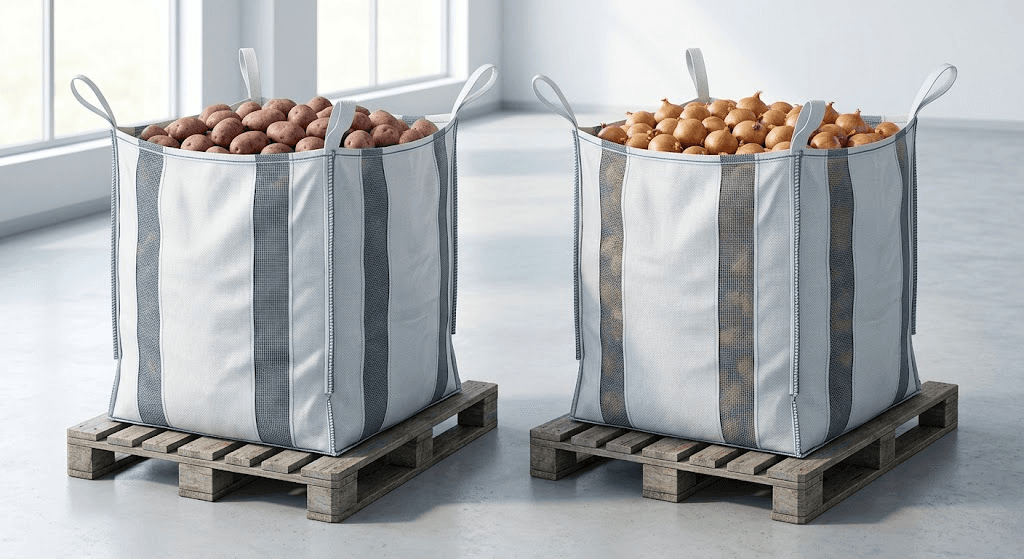
Custom Ventilated Bulk Bags for Potatoes and Onions: A Buyer’s Checklist
Buying ventilated bulk bags involves more than choosing a bag size and adding ventilation panels. The bag must suit the produce, filling line, lifting equipment and unloading method, as well as the storage and transport conditions.For potato packers, onion exporters, agricultural cooperatives and packaging distributors, a useful starting point is to describe the job the bag needs to do. Is it moving produce between facilities, holding a batch before packing, or supporting an export shipment? This guide turns those requirements into a checklist for a custom enquiry.
How to Choose FIBC Liners: Standard vs Form-Fit and a Custom Order Checklist
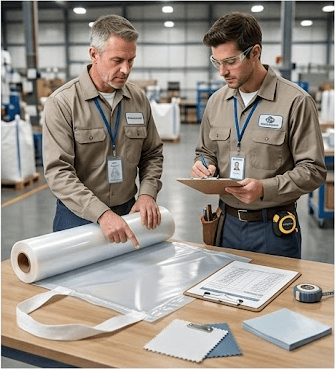
Choosing FIBC liners starts with two separate questions: what shape fits your bulk bag, and what film meets your material’s protection requirements? A standard liner and a form-fit liner describe different structures. PE and aluminum foil describe material options. Specifying one does not settle the other.For manufacturers, packaging distributors and bulk bag suppliers, the practical task is to match the liner to the cargo, filling equipment and discharge process. This guide explains what to compare and what information to prepare before requesting a custom quotation.
Want to know more?
Get in touch with us for more information about our services and products.