
Coated FIBC Bags vs FIBC Liners: Which Bulk Packaging Solution Is Right for Your Product?

Dayang Yang
AuthorWith experience in FIBC bulk bag manufacturing and export sales, we operate our own production facility with stable large-scale capacity. We are specialists in bulk bags, conductive FIBCs, food-grade FIBCs, UN certified bags, and customized flexible intermediate bulk containers for industrial packaging and bulk material transportation solutions.
Bulk packaging is more than choosing the right bag size or load capacity. Additional protection is often needed to maintain product quality during storage, handling, and transportation. This is especially important in industries such as agricultural chemicals, food processing, minerals, and industrial manufacturing, where moisture, contamination, or product leakage can affect product performance.
Coated fabrics and FIBC liners are two common ways to improve product protection in Flexible Intermediate Bulk Containers (FIBCs). Both provide added protection, but they serve different purposes and are suited to different applications.
By understanding the difference between FIBC coatings and FIBC liners, companies can select the right bulk packaging solution for their products, handling conditions, and operational requirements.
What Is a Coated FIBC Bag?
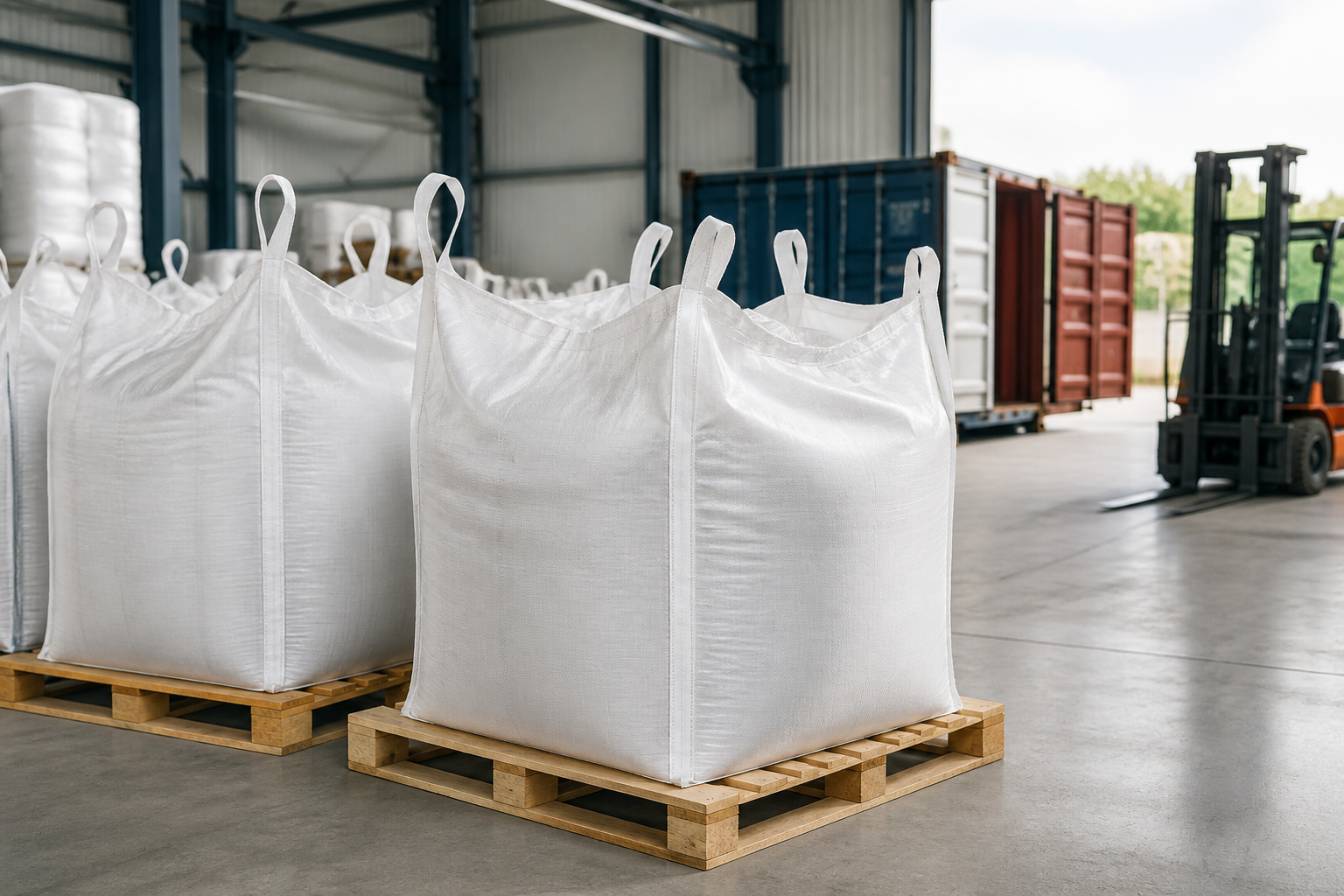
A coated FIBC bag is made from woven polypropylene fabric that is laminated with a thin polypropylene layer during manufacturing. The coating creates a protective surface on the fabric and helps restrict moisture and fine particles from passing through the woven structure.
The coating is not an additional component; it becomes part of the fabric. Coated FIBC bags offer better resistance to moisture and product leakage than uncoated bags. However, they are not completely moisture-proof and may not provide enough protection for products with strict barrier requirements.
Coated FIBC bags remain lightweight while providing greater durability and product containment for many bulk materials because the coating is permanently built into the fabric.
What Is an FIBC Liner?
An FIBC liner is a separate inner bag placed inside the woven FIBC. Unlike a coating, the liner forms an independent barrier between the product and the outer woven bag.
FIBC liners are often used when products need stronger protection against moisture, contamination, oxygen, or product migration. Different liner designs are available to meet specific handling and protection requirements.
For applications that require a higher level of product protection, HPBL provides FIBC bags with liner options, allowing customers to choose packaging solutions that match their material handling needs.
Types of FIBC Liners: Selecting the Right Barrier Material for Your Product
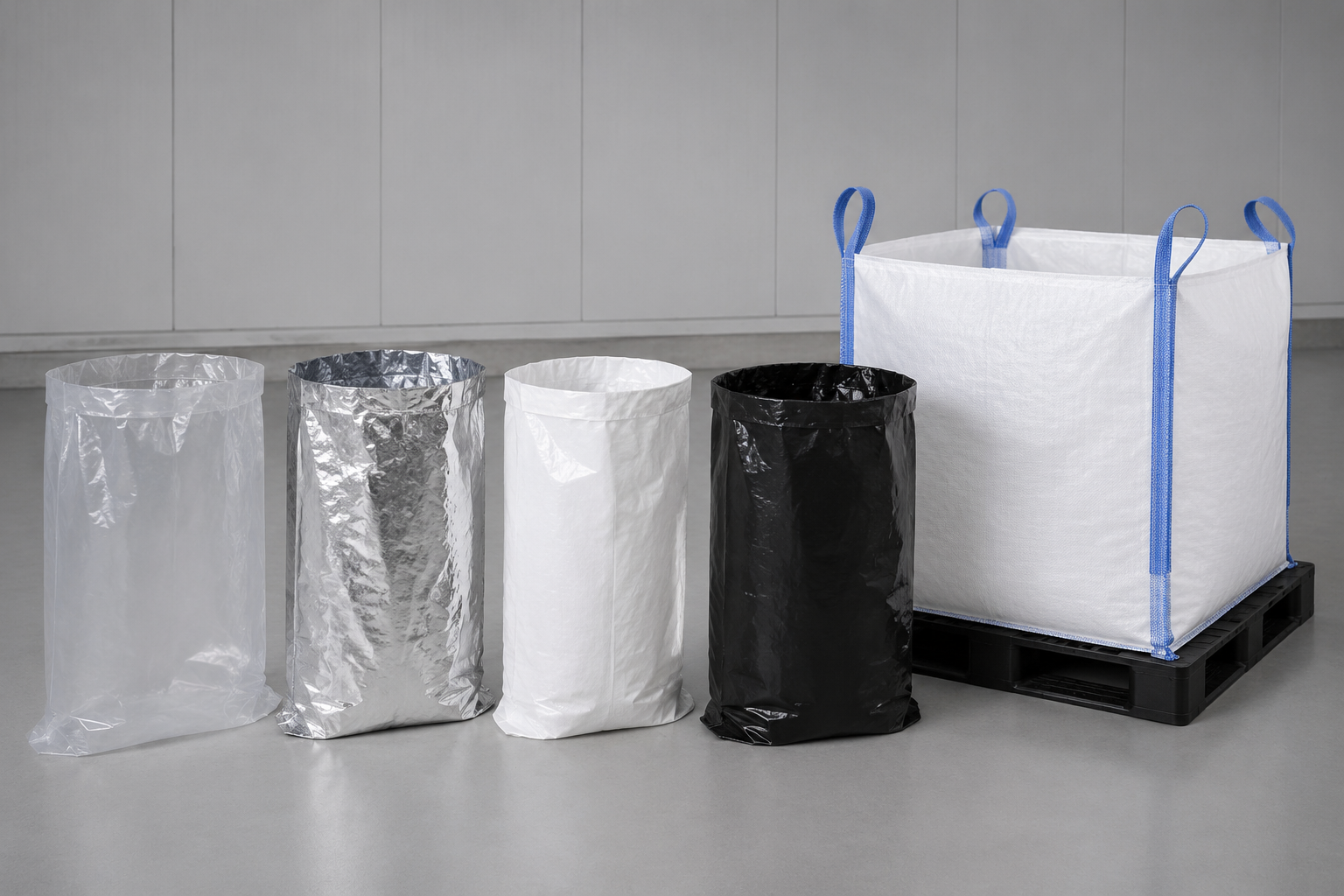
Different types of FIBC liners provide different levels of moisture protection, contamination control, and product leakage prevention. Common options include form-fit liners, loose liners, conductive liners, aluminium foil liners, and EVOH barrier liners. The right liner structure should be selected according to the product, filling method, and transport environment.
For example, form-fit liners are suitable for applications that require a stable bag shape and efficient filling. Aluminium foil liners and EVOH barrier liners are better suited to products with higher oxygen and water-vapour barrier requirements. For powders that may generate static electricity, conductive liners can provide additional static protection.
Coating vs Liner: Understanding the Difference
Coatings and liners both protect bulk products, but they do so in different ways.
A coated FIBC bag improves the performance of the woven fabric itself by reducing moisture penetration and minimizing product sifting through the fabric. It is a practical solution for many general industrial applications and agricultural products.
An FIBC liner, however, is an independent barrier inside the bag. Because it is separate from the outer bag, it can provide stronger protection against moisture, contamination, and product leakage. Some liner materials also offer enhanced barrier properties for products with more demanding packaging requirements.
The right choice depends on the material being packed and the level of protection needed during storage and transportation.
When Is a Coated FIBC Bag the Right Choice?
For many bulk products, coated FIBC bags provide useful protection from the environment without requiring a complete internal barrier.
They are often selected for products that:
Require lower moisture penetration during normal storage and transport
Need greater resistance to product sifting
Require an affordable bulk packaging solution with added protection
Do not need special barrier properties
Because the coating is permanently bonded to the fabric, coated FIBC bags retain their normal handling characteristics without requiring an additional liner.
When Should You Choose an FIBC Liner?
Some products need more protection than coated fabric can provide. In these cases, FIBC liners play an important role in the packaging system.
Liners are commonly preferred when products:
Are highly moisture-sensitive
Require stronger contamination control
Need better product containment for fine powders
Require oxygen or vapour barrier protection
Need conductive liners for static protection
Different liner types can be selected according to the application, including form-fit liners, loose liners, conductive liners, aluminium foil liners, and EVOH barrier liners.
Can Coated FIBC Bags and FIBC Liners Be Used Together?
Yes. Coated FIBC bags and FIBC liners are often used together in industrial applications that require a higher level of product protection.
The coated outer fabric improves bag durability and reduces moisture penetration through the woven material. At the same time, the inner liner provides an additional barrier against contamination, moisture, and product migration.
This combination is often selected for products that need added protection during long-distance transportation, extended storage, or demanding handling conditions.
The most suitable configuration depends on product characteristics, storage conditions, transportation methods, and customer requirements.
How Coatings and Liners Affect Filling, Discharge, and Handling Efficiency
Coatings and FIBC liners influence not only product protection but also the efficiency of filling, discharge, and handling. Coated FIBC bags are generally used in a similar way to standard woven bags, helping reduce product loss while maintaining convenient operation.
When an FIBC liner is used, its fixing method, filling spout, discharge spout, and fit with the outer bag should be considered. A suitable liner design can reduce liner movement, product residue, and discharge difficulties while maintaining efficient packaging operations.
Factors to Consider Before Choosing
The decision between a coated FIBC bag, an FIBC liner, or a combination of both is not one-size-fits-all. The correct option should be based on the application.
Important factors include:
Product moisture sensitivity
Risk of contamination
Particle size and risk of product leakage
Storage duration and environmental exposure
Transportation conditions
Customer-specific or regulatory packaging requirements
This assessment helps businesses choose packaging that protects their products and supports efficient operations.
Choosing the Right Solution for Your Bulk Packaging Needs
Every bulk material has different packaging requirements. Coated FIBC bags are a practical option for protecting a wide range of industrial products, while some materials require the additional barrier provided by an FIBC liner.
Working with an experienced packaging manufacturer can help companies determine which solution best meets their operational needs. HPBL provides coated FIBC bags and FIBC liner options for a variety of industries and bulk packaging applications.
Selecting the right configuration can improve product protection while supporting efficient storage, handling, and transportation throughout the supply chain.
Conclusion
Both coated FIBC bags and FIBC liners play an important role in bulk packaging, but they serve different purposes. A coating improves the performance of woven fabric by reducing moisture penetration and product sifting. An FIBC liner provides a separate inner barrier for applications that require stronger protection.
Understanding the difference between these packaging solutions helps companies select the right option for their products and operating conditions. Choosing the correct coating, liner, or combined configuration can improve product quality, reduce handling risks, and support more reliable bulk packaging operations.
Related News
Other news you might be interested in
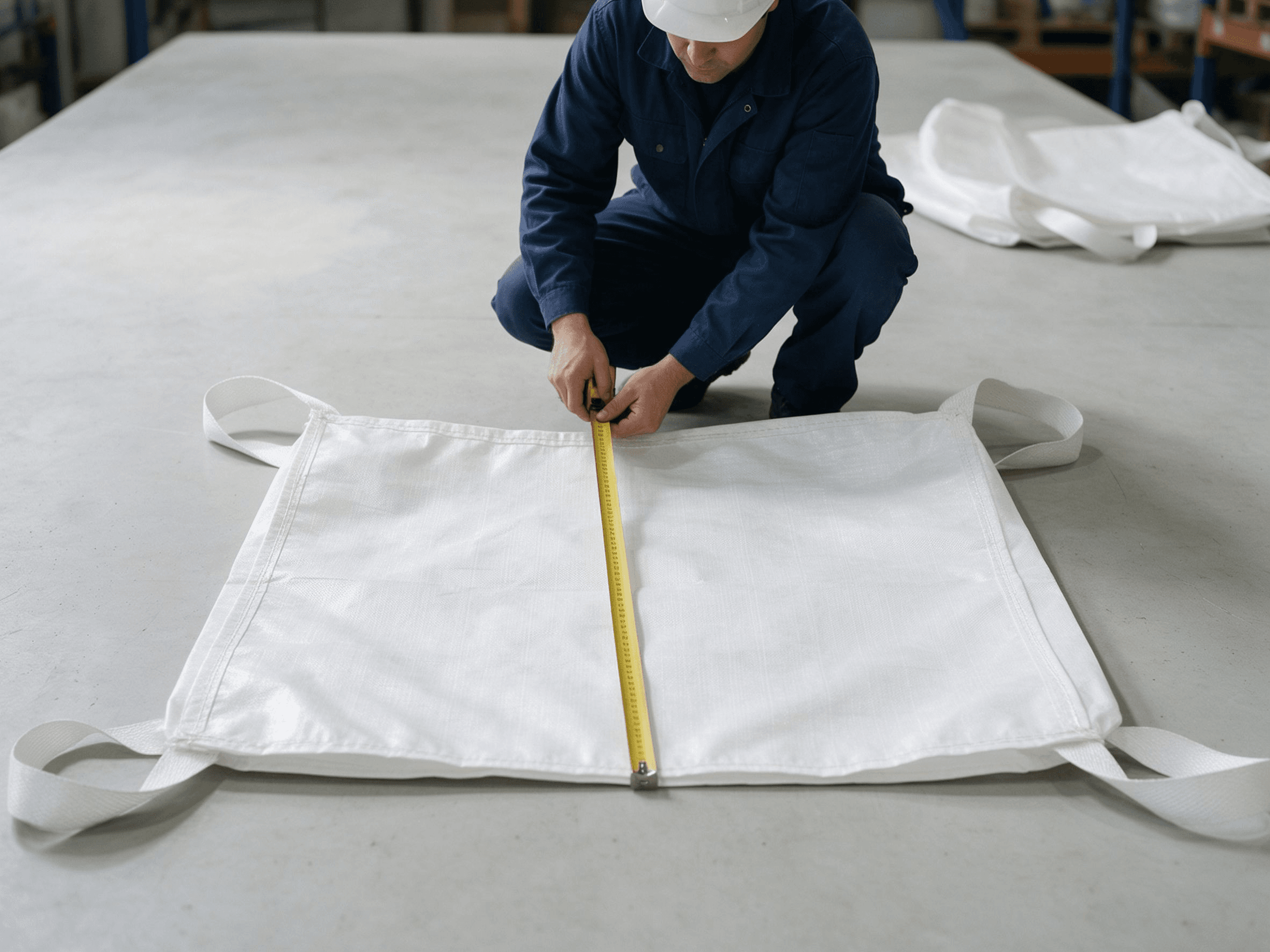
FIBC Bulk Bag Dimensions and Load Capacity: How to Choose the Right Specifications for Your Material
In bulk material packaging, storage, transportation, and handling, choosing an FIBC bulk bag involves more than specifying a load weight. The bag must also match the material and the actual operating conditions. Because materials differ in bulk density, flowability, and filling behavior, bags with the same nominal rating of “1 ton” may require different volumes and dimensions. Likewise, bag dimensions, usable volume, actual fill weight, and SWL (Safe Working Load) are not interchangeable. This article explains these distinctions, how to estimate the required volume based on the material, how to determine bag dimensions and load requirements, and how to verify the specifications against filling, handling, storage, and transportation conditions.
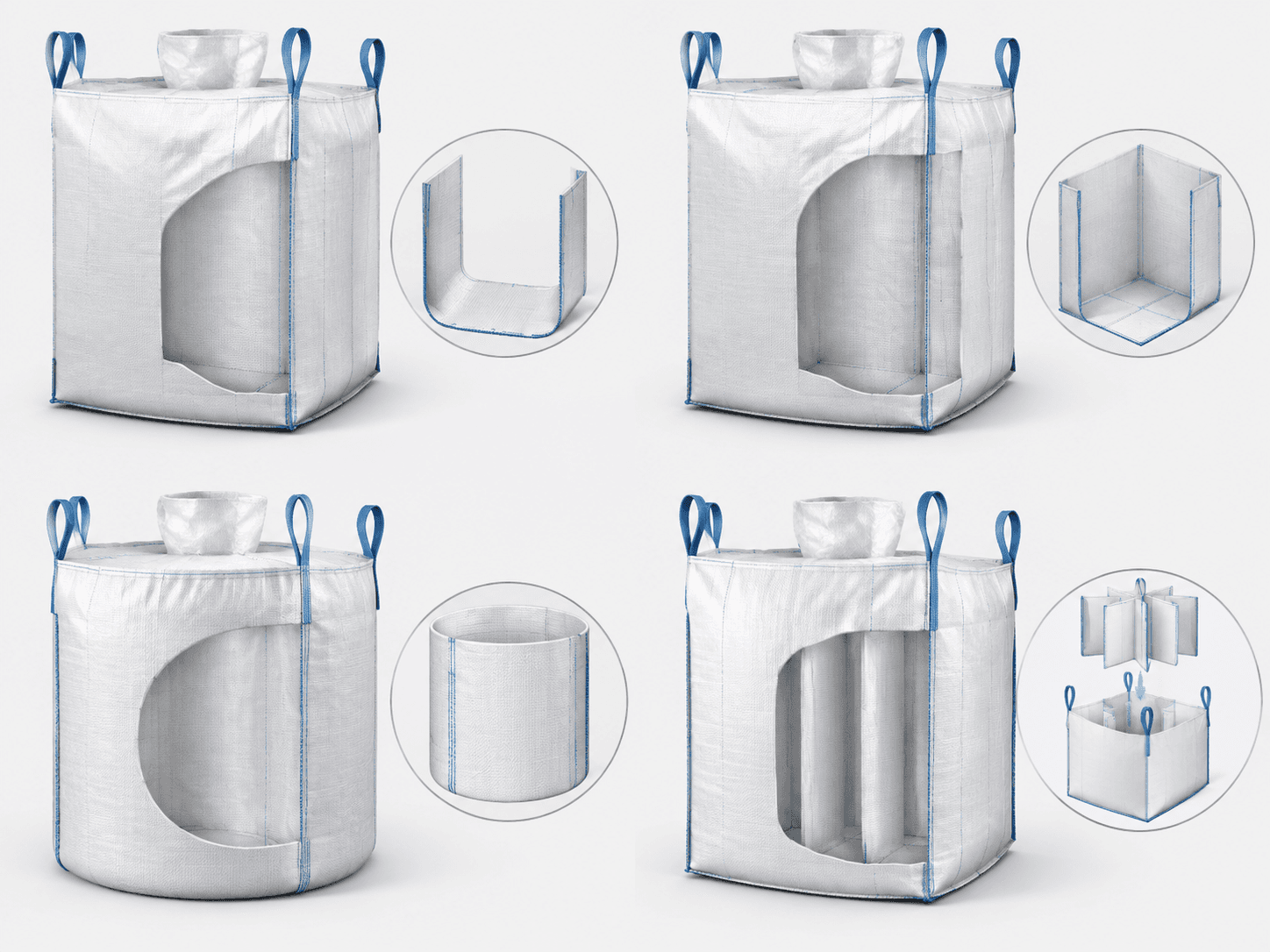
U-Panel, Four-Panel, Circular and Baffle FIBCs: Which Bag Construction Fits Your Application?
When selecting an FIBC bag, buyers often compare U-panel FIBCs, four-panel FIBCs, circular/tubular FIBCs, and baffle FIBCs (Q-bags). However, these terms do not all describe the same level of classification: the first three generally refer to the bag body’s construction, while baffles are internal shaping features that can be incorporated into a bag. The name alone does not determine a bag’s durability, load capacity, or suitability for a particular material.
Want to know more?
Get in touch with us for more information about our services and products.