
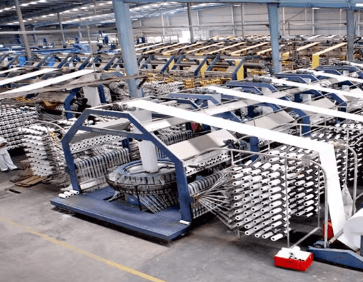
Food-Grade FIBC Demand Is Shifting Toward Clean, Dust-Tight and Automation-Compatible Designs

Dayang Yang
AuthorWith experience in FIBC bulk bag manufacturing and export sales, we operate our own production facility with stable large-scale capacity. We are specialists in bulk bags, conductive FIBCs, food-grade FIBCs, UN certified bags, and customized flexible intermediate bulk containers for industrial packaging and bulk material transportation solutions.
Summary
Demand for flexible intermediate bulk containers (FIBCs) in the food ingredient industry is shifting from traditional transport-focused packaging toward production-line-compatible solutions. As bulk raw materials such as flour, sugar powder, milk powder, starch, plant proteins, and food additives move through larger-scale production and cross-border supply chains, food manufacturers are looking beyond load capacity and bag dimensions.
Cleanliness management, dust-tight sealing, inner-layer protection, batch integrity, and compatibility with automated filling and discharge equipment are becoming increasingly important. This change is reshaping the design direction of food-grade FIBCs. Packaging systems that can reduce dust release, limit exposure to external conditions, and operate reliably during filling, transfer, and discharge are becoming essential parts of food ingredient supply chains.
Food Manufacturing Upgrades Are Changing Packaging Requirements
Food ingredients typically move through multiple stages, including receiving, blending, temporary storage, filling, warehousing, transportation, and final feeding into production lines. For powdered and granular materials, poor sealing, excessive internal residue, or exposure to external contamination at any packaging interface can increase cleaning requirements and affect downstream batch management.
In the past, food companies often treated bulk bags as supporting packaging for storage and transportation. Today, as production lines become more automated, FIBCs must work more consistently with silos, weighing systems, filling machines, conveying equipment, and discharge stations. Whether a bag is compatible with equipment now has a direct impact on production cycles and material-handling efficiency.
Market demand is therefore moving toward clean, dust-control-oriented, and equipment-compatible designs. For FIBC suppliers, product development needs to extend beyond the bag body itself to include material characteristics, equipment interfaces, and on-site operating processes.
Dust-Tight Sealing Is Becoming a Core Capability for Food Powder Packaging
Food powders can generate airborne dust during filling, movement, and discharge. Dust not only affects the production environment, but can also increase cleaning frequency and make external packaging surfaces and downstream equipment more difficult to manage.
In automated filling applications, the inlet spout must maintain a stable connection with the filling head. In automated discharge applications, the outlet must connect effectively with the discharge station or conveying system. If the interfaces are not properly matched, even well-controlled equipment may experience reduced operating efficiency because of dust escape, material residue, or bag movement.
Dust-tight design is not simply a matter of adding an extra closure. It requires an integrated approach that considers material particle size, flowability, filling speed, discharge method, liner structure, and equipment connection requirements. The closer the packaging design matches the actual process, the more effectively it can reduce manual intervention and operational variation.
Formed Inner Bags Help Clean Packaging Fit Automated Processes
For food ingredient applications with high requirements for cleanliness, material residue control, and handling stability, liner construction is becoming an important part of the packaging solution. If an inner liner has too many folds or does not fit the bag body well, it may affect bag shape after filling and increase material retention during discharge.
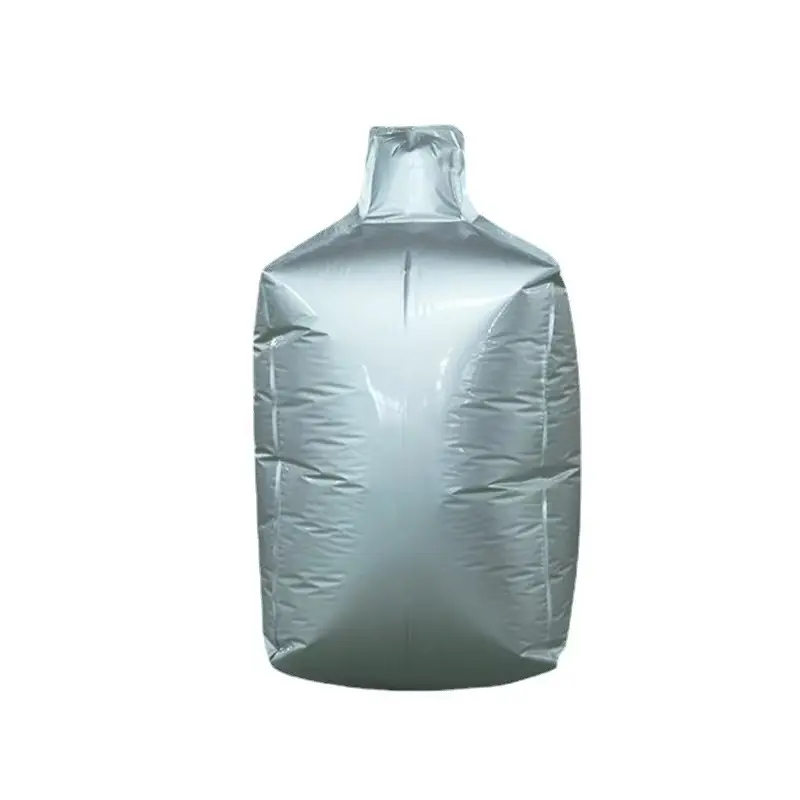
Formed Inner Bag can be used in inner packaging applications that require a closer fit to the shape of the outer bag. When used with an outer FIBC, a formed inner bag can help create a more organized internal space and reduce handling difficulties caused by liner looseness or shifting.
For food powder processors, the value of formed inner bags extends beyond material protection. Their structure can also support a more stable production cycle. When the liner is compatible with automated filling frames, weighing modules, and discharge equipment, it can help reduce manual adjustment and improve continuity in bulk material handling.
High-Barrier Inner Layers Support Sensitive Food Ingredient Protection
Clean food-grade packaging requires more than dust control. Some food ingredients are sensitive to moisture, oxygen, odors, or changing external conditions. This is especially relevant during extended sea freight, seasonal storage, and repeated transshipment, where the internal packaging environment may change.
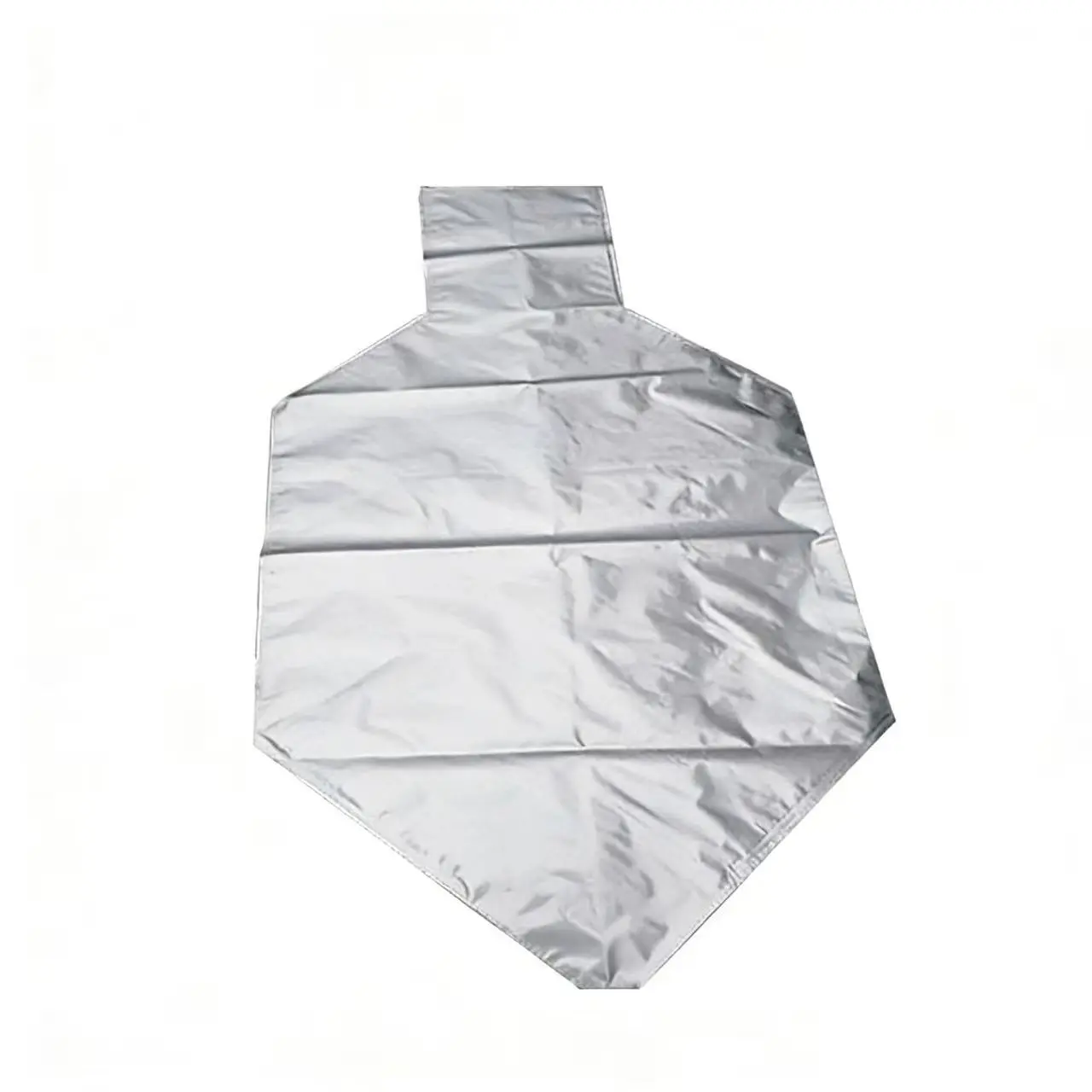
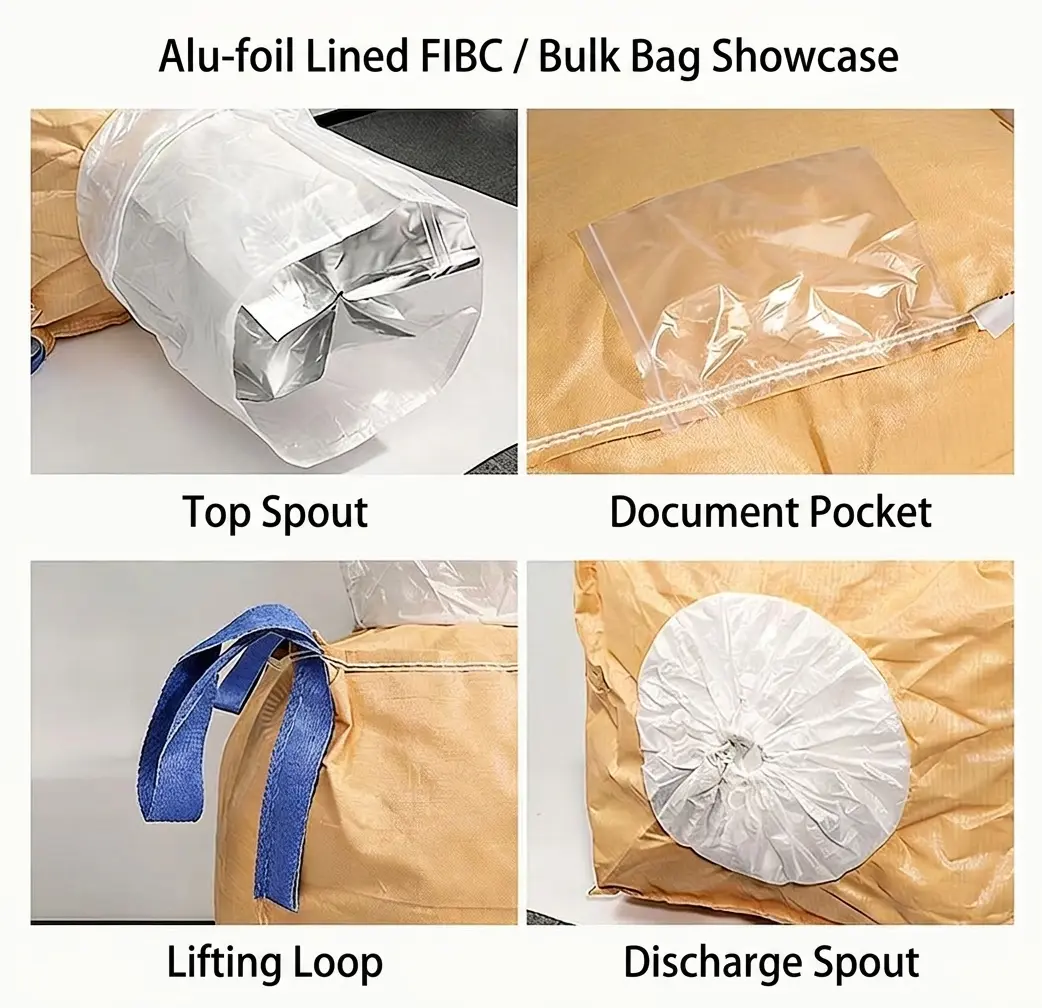
Aluminum Foil Bag can be considered as a high-barrier inner packaging option for bulk materials that require additional protection from external conditions. For moisture-sensitive powders, oxygen-sensitive food ingredients, or high-value materials with extended transportation cycles, aluminum foil composite structures can provide an additional protective layer within the overall packaging system.
For food ingredient export projects, barrier packaging should be planned together with the outer FIBC, batch labels, warehouse conditions, and logistics cycle. Packaging design can only deliver value throughout both transportation and use when it considers material protection and production operations together.
Automation Is Reshaping Food-Grade FIBC Design Logic
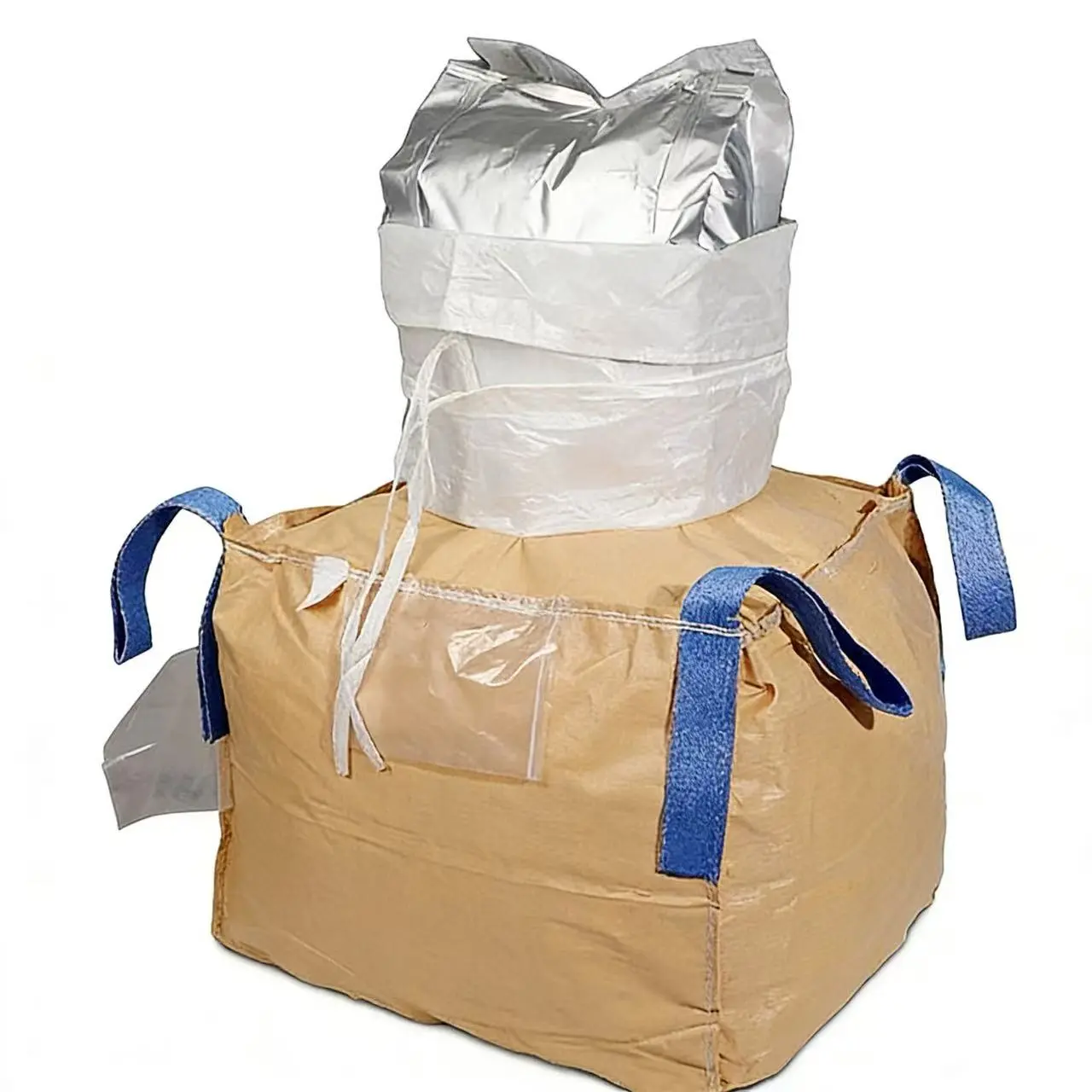
The wider adoption of automation is moving food-grade FIBCs from being merely usable to being required to operate consistently. Filling equipment needs bags to receive material at specified positions. Weighing systems require bags to retain a stable form during filling. Discharge equipment requires outlet structures and liner conditions that work effectively with downstream interfaces.
These changes create more specific requirements for bag dimensions, inlet configuration, discharge spouts, liner condition, and lifting-loop layout. For example, if a bag is difficult to position in a filling frame, weighing and filling efficiency may be affected. If the discharge structure does not match the equipment interface, unloading may become inconsistent and dust-control challenges may increase.
As a result, food companies are paying closer attention to whether bag inlet types, discharge methods, dimensions, liner structures, and lifting-loop configurations can connect effectively with their existing production lines. Suppliers with structured design capabilities will be better positioned to participate in food plant automation projects.
Key Design Considerations for Food-Grade FIBCs
| Design Direction | Importance for Food Ingredient Handling |
|---|---|
| Clean inner-layer structure | Helps reduce internal residue and external environmental exposure |
| Dust-tight sealing interfaces | Supports dust control during filling and discharge |
| Barrier protection options | Helps protect materials sensitive to moisture, oxygen, or odors |
| Stable bag shape | Improves weighing, stacking, and equipment positioning |
| Automated equipment compatibility | Reduces manual assistance and supports continuous operation |
Procurement Is Shifting from Individual Bag Types to Systematic Solutions
Food ingredient companies are changing how they procure FIBCs. In addition to load capacity, dimensions, and lead time, more buyers are evaluating whether packaging suits their materials, works with filling and discharge equipment, provides suitable inner-layer protection, and supports clear batch management.
This means food-grade FIBCs are no longer an isolated procurement category. They are part of the overall food ingredient handling system. Suppliers that can provide packaging combinations tailored to material characteristics, production cycles, and logistics conditions will be better positioned to meet long-term supply requirements.
Conclusion
The food-grade FIBC market is moving toward cleaner, more dust-tight, and more automation-compatible designs. As food plants continue to improve production efficiency, hygiene management, and supply chain stability, traditional general-purpose bulk bags will no longer meet all application requirements.
Related News
Other news you might be interested in
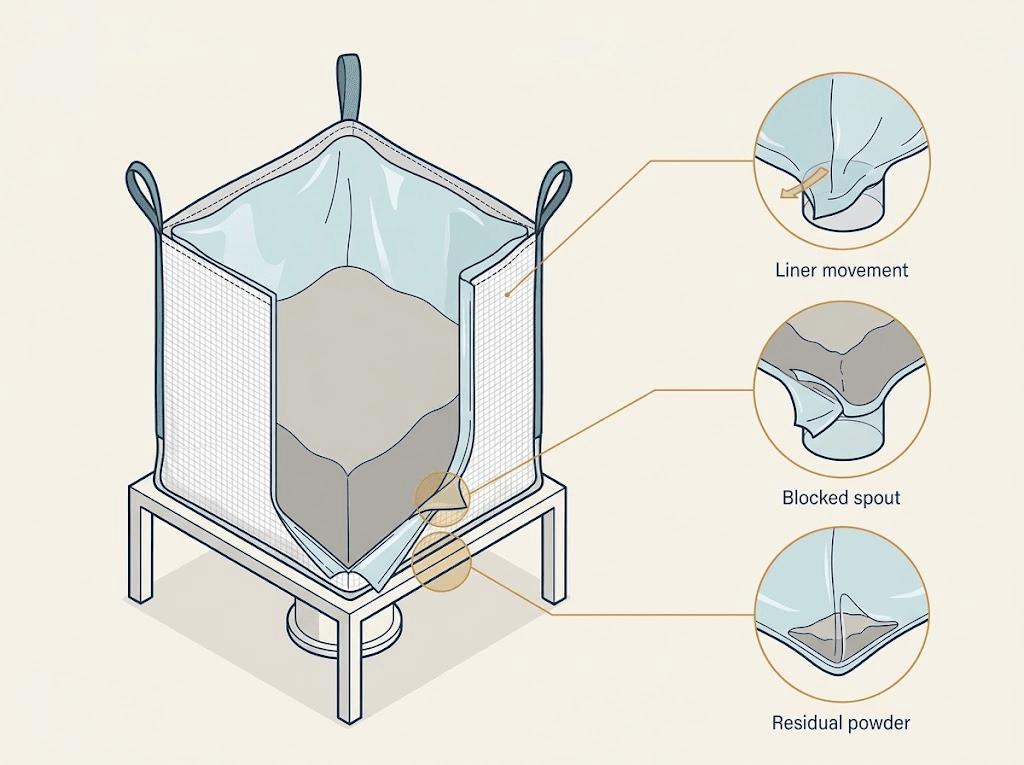
FIBC Liner Discharge Problems: A Buyer’s Checklist for Liner Movement, Blocked Spouts and Residual Powder
A lined bulk bag reaches the production line, but the powder stops flowing before the bag is empty. The liner moves towards the outlet, material remains in the bottom corners, or operators need repeated assistance to finish unloading.For buyers ordering FIBC liners, the useful question is: what information will help the packaging supplier and equipment provider identify the cause and agree on a better specification?Start by reviewing the material, liner, outer bag and discharge equipment together. Liner fit, folds, outlet configuration and product flow characteristics can all affect emptying performance.
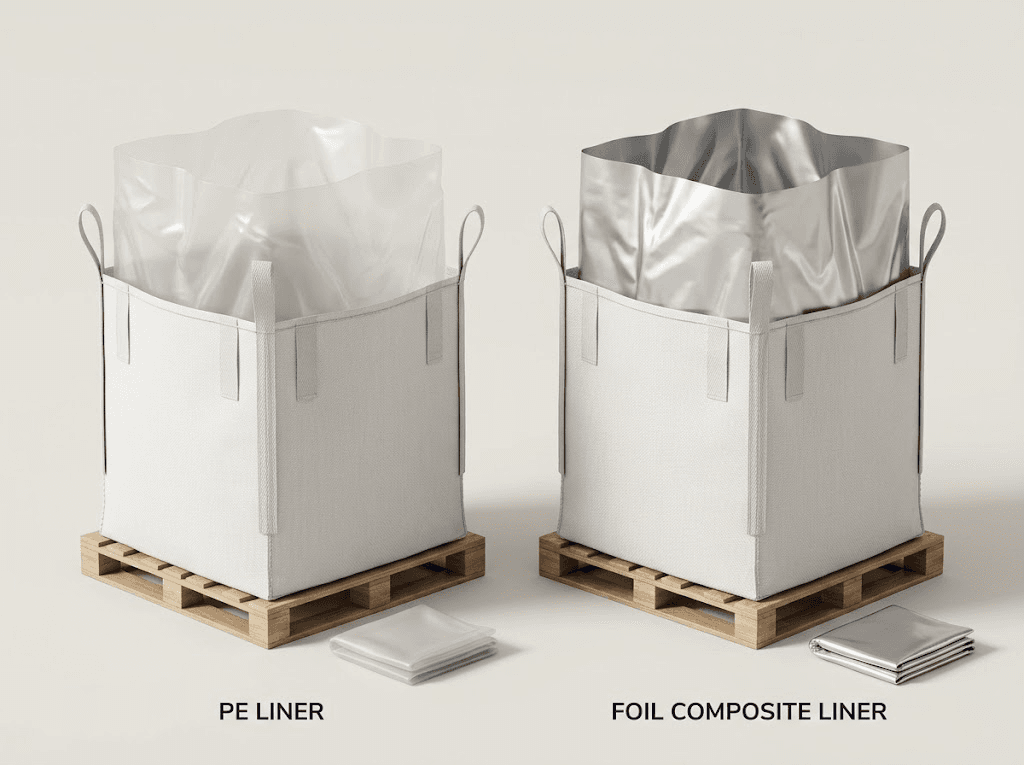
PE vs Aluminum Foil FIBC Liners for Moisture-Sensitive Powders: A Buyer’s Checklist
Choosing a liner for a moisture-sensitive powder starts with a practical question: what protection does the material need throughout filling, transport, storage and discharge?A request for “moisture proof bulk bags” gives a supplier a starting point, but it does not define an acceptable package. A PE liner may meet the requirement. An aluminum foil composite liner may be worth evaluating when the product needs a stronger moisture barrier, oxygen protection or light protection. The decision should follow the actual material specification, closure arrangement and trial results.This checklist helps buyers compare the options and prepare an enquiry for FIBC liners without relying on a material name alone.
Want to know more?
Get in touch with us for more information about our services and products.