
Ventilated FIBC Bags for Fresh Produce: How Breathable Bulk Packaging Reduces Condensation and Spoilage

Dayang Yang
AuthorWith experience in FIBC bulk bag manufacturing and export sales, we operate our own production facility with stable large-scale capacity. We are specialists in bulk bags, conductive FIBCs, food-grade FIBCs, UN certified bags, and customized flexible intermediate bulk containers for industrial packaging and bulk material transportation solutions.
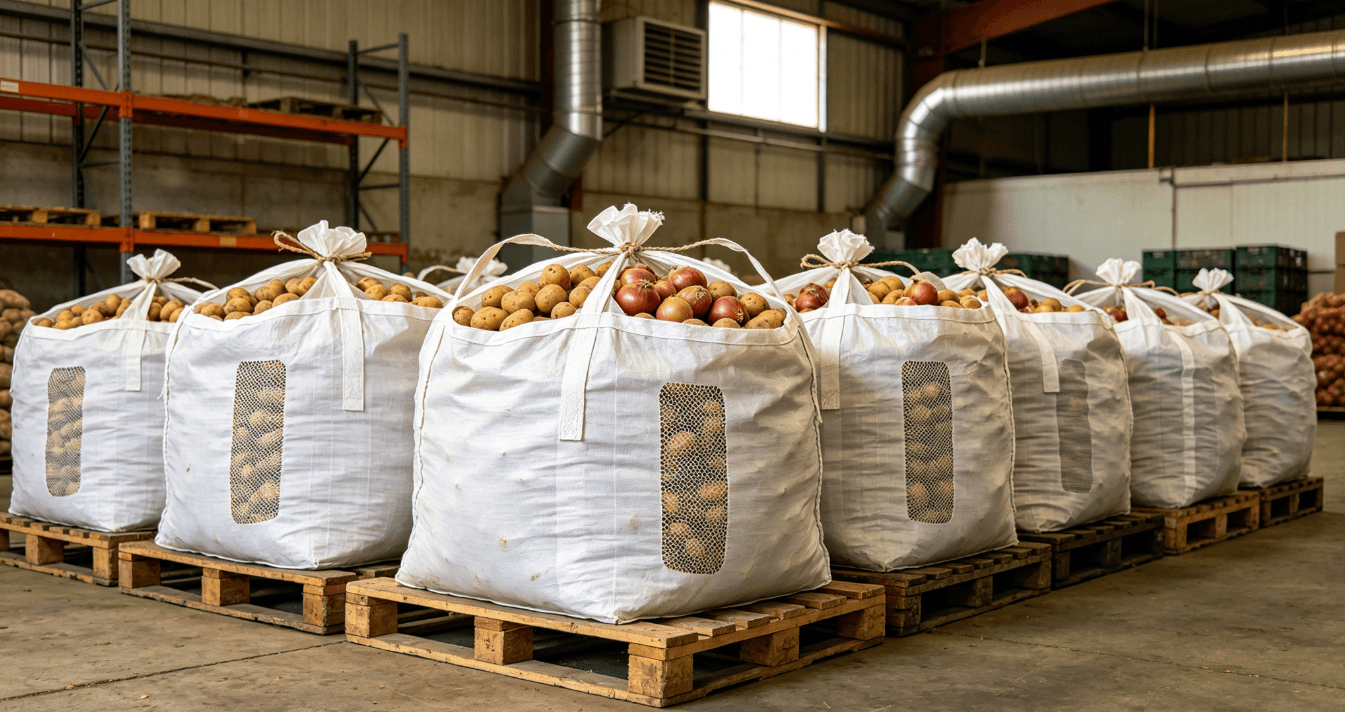
As agricultural supply chains expand into large-scale storage, cross-regional distribution, and export delivery, packaging is no longer just a container. For fresh produce such as potatoes, onions, garlic, and nuts, moisture, temperature changes, and stacking pressure can all affect storage quality. Properly designed ventilated FIBC bags help improve air circulation and provide more stable conditions for bulk storage and transport.
Industry Background: Why Is Breathable Bulk Packaging Becoming More Important?
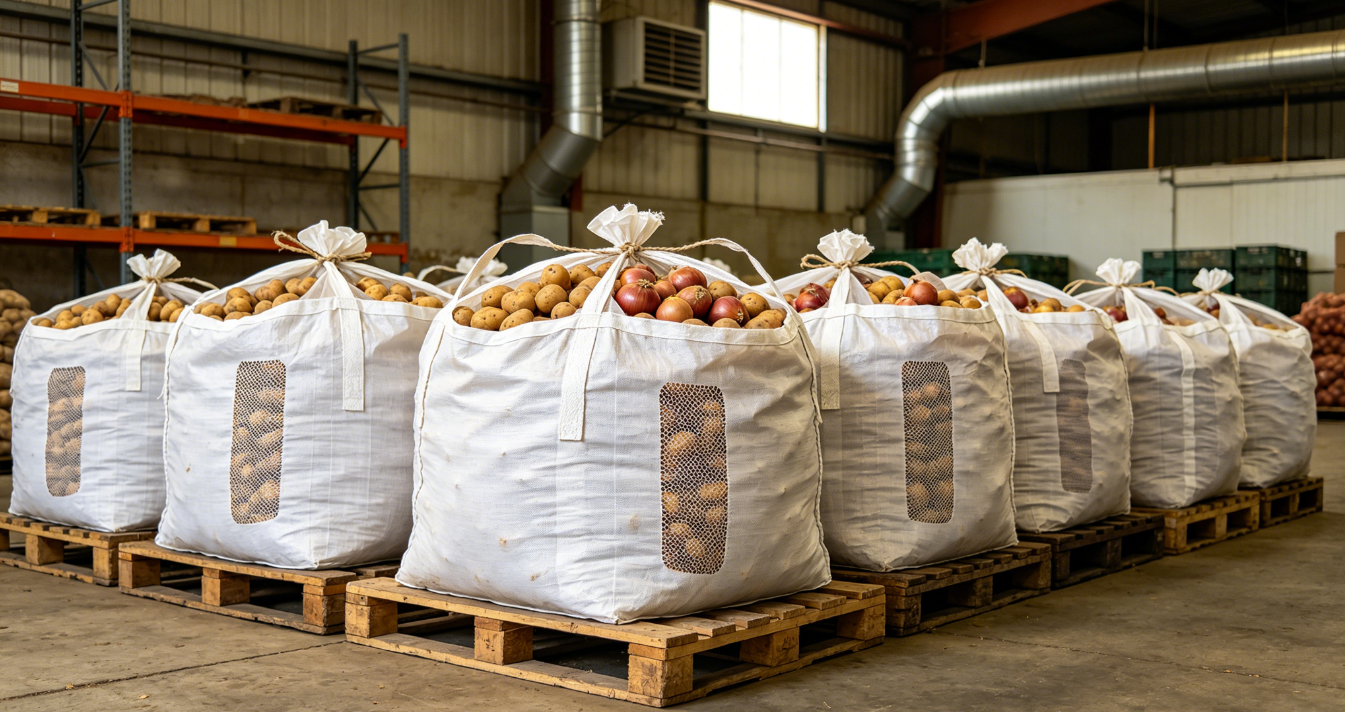
Traditional FIBC bags mainly solve bulk loading and handling challenges. However, agricultural products also release heat and moisture during storage and transport, creating risks of quality loss. Buyers are now looking for agricultural FIBC bags that balance ventilation, hygiene, load capacity, and handling efficiency.
For this reason, Ventilated FIBC Bags are becoming an important option for fresh produce, root vegetables, and some nuts. Their value is not to completely block moisture, but to reduce the long-term buildup of hot, humid air inside the bag.
What Are Ventilated FIBC Bags?
Ventilated FIBC Bags are a type of Flexible Intermediate Bulk Container designed with breathable panels, mesh sections, or ventilated woven fabric. They are commonly made from woven polypropylene FIBC bags and can be tailored by bag size, ventilation area, lifting loops, and filling or discharge configuration.
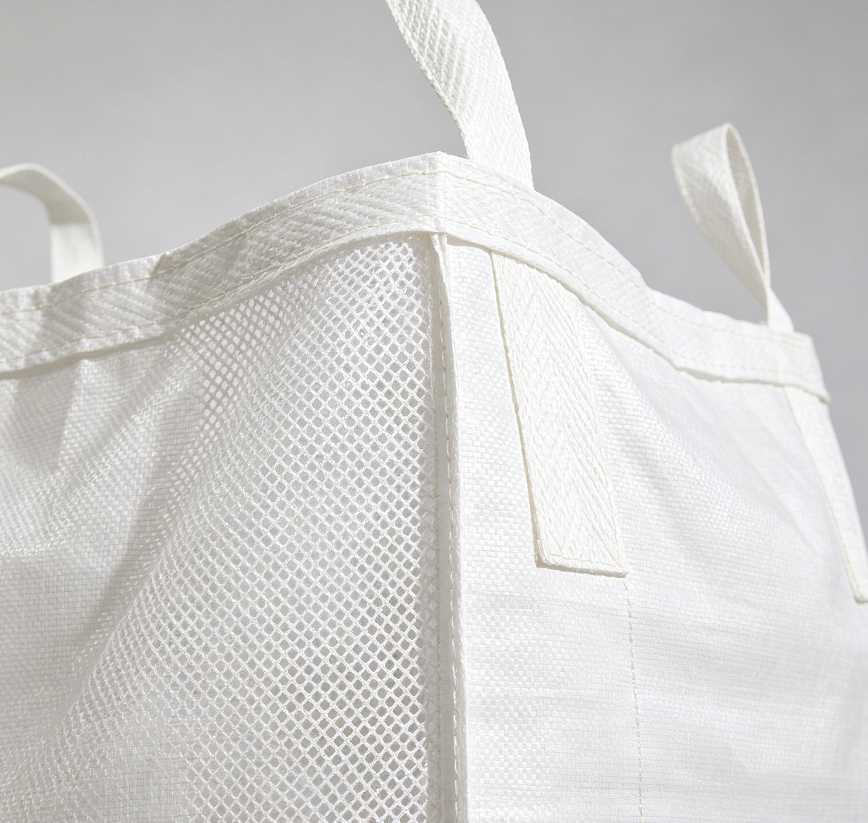
Buyers can review different bag styles in the FIBC product catalog. Compared with sealed bulk packaging, Ventilated FIBC Bags are better suited to products that require airflow. For fine powders, leak-prone materials, or products requiring strict moisture protection, FIBC liners or other high-barrier packaging may be more appropriate.
Why Does Condensation Accelerate Produce Spoilage?
Fresh produce releases heat and moisture during storage and transport. When airflow inside the bag is insufficient, or when outside temperatures drop quickly, water vapor can condense on the product surface and the inside of the bag, creating condensation.
Persistent condensation increases the risk of mold, softening, sprouting, and reduced product quality. Reducing moisture buildup is therefore one of the main reasons for using Ventilated FIBC Bags.
How Do Ventilated FIBC Bags Reduce Condensation and Spoilage?
Properly designed Ventilated FIBC Bags promote air exchange between the inside and outside of the bag, reducing localized heat and moisture accumulation. For fresh produce stored in bulk for extended periods, ventilation can improve the internal packaging environment and reduce the risk of prolonged hot and humid conditions.
However, Ventilated FIBC Bags cannot replace dry products, well-ventilated warehouses, or proper handling practices. Packaging design, product condition, and storage conditions must work together to reduce spoilage effectively.
Which Agricultural Products Are Suitable for Ventilated FIBC Bags?
Ventilated FIBC Bags are commonly suitable for:
Potatoes, onions, garlic, and other root vegetables
Nuts, coffee beans, and certain moisture-sensitive agricultural products
Agricultural products requiring bulk storage, cross-regional transport, or export delivery
Bulk products that benefit from reduced heat and moisture buildup
For products requiring strict water resistance, dust protection, or leak prevention, standard coated bags, FIBC liners, or lined bulk bags may be a better choice.
How to Choose the Right Ventilated FIBC Bags
Before purchasing, buyers should confirm the product type, particle size, moisture content, bag weight, handling method, and storage period. Bag selection should not be based on volume alone. It should also consider the required safe working load, stacking height, and logistics method.
Buyers should also confirm the ventilation design, bag dimensions, lifting-loop structure, and bottom configuration with their FIBC bag supplier. For size and volume planning, refer to the bulk bag size guide. Customers requiring specific filling, discharge, or branding features can choose custom FIBC bags to better match production lines, forklifts, and warehouse processes.
How Do Ventilated FIBC Bags Compare With Standard Bulk Bags?
If a product needs ventilation and heat management, Ventilated FIBC Bags are usually the stronger option. If a product is more sensitive to outside moisture, dust, or contamination, sealed FIBC bags, FIBC liners, or high-barrier packaging may be more suitable.
Purchasing decisions should compare product loss, packaging cost, storage conditions, transport time, and handling efficiency, rather than focusing only on the price per bag.
How Should Ventilated FIBC Bags Be Configured for Different Climates and Transport Conditions?
In hot and humid conditions, select Ventilated FIBC Bags with sufficient ventilation areas, stable bag strength, and UV resistance. During storage, avoid placing bags directly on damp floors and leave enough space between bags for airflow.
Where day-to-night temperature changes are significant, the temperature and moisture content of the produce before filling are especially important. If the product is already wet or has been exposed to rain, condensation may still form at night even when using Ventilated FIBC Bags. For long-distance road transport or export shipments, container ventilation, loading density, and rain protection should also be considered.
Before ordering, provide the FIBC bag supplier with the agricultural product type, weight per bag, storage period, transport distance, and local climate. This helps determine the right bag dimensions, ventilation structure, and safe working load.
Storage, Handling, and Transport Recommendations
Avoid overfilling or over-compressing the bags during loading, as this can block the ventilation areas of Ventilated FIBC Bags. Keep bags stable during stacking, and avoid placing them against walls or directly on damp floors for long periods.
During transport, protect bags from rain, standing water, and dragging. When using forklifts or lifting equipment, ensure the lifting loops carry the load evenly and prevent forks from touching the bag body or bottom seams.
Common Ventilated FIBC Bag Failures: Why Can Moisture, Mold, or Bag Breakage Still Occur?
Produce that is already wet before filling, tightly packed stacks that block ventilation areas, and moisture rising from warehouse floors can all cause condensation and mold risks in Ventilated FIBC Bags. Ventilation improves airflow, but it cannot replace dry, clean products or proper storage management.
An unsuitable bag design can also affect performance. For fine powders, leak-prone products, or materials requiring strict moisture protection, FIBC liners or lined bulk bags are often more suitable than breathable bags alone.
Bag breakage is commonly caused by exceeding the designed safe working load, forklift contact with the bag body, uneven lifting-loop tension, dragging, or repeated bag reuse. Before use, inspect the bag body, bottom seams, and lifting loops, and follow correct lifting and stacking practices.
Customize Ventilated FIBC Bags for Agricultural Supply Chains
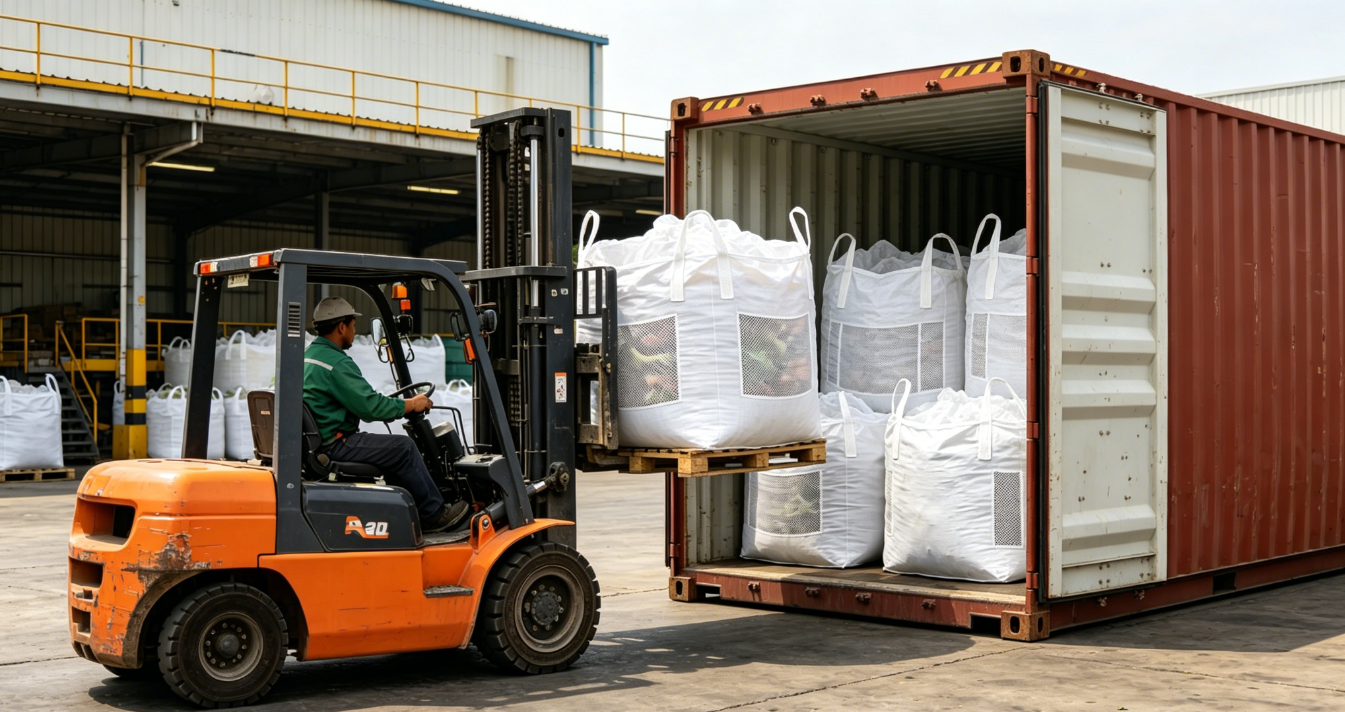
Professional bulk bag manufacturers can provide custom FIBC bags based on product type, loading weight, storage period, and transport conditions. Before purchasing, confirm bag dimensions, ventilation zones, lifting-loop design, sample testing, quality documents, and actual loading and unloading requirements.
For a bag solution based on your product, load weight, and destination climate, visit the FIBC World contact page for a quotation. Choosing the right Ventilated FIBC Bags, combined with proper storage and transport management, can help agricultural supply chains reduce condensation and spoilage while improving bulk logistics stability.
Related News
Other news you might be interested in
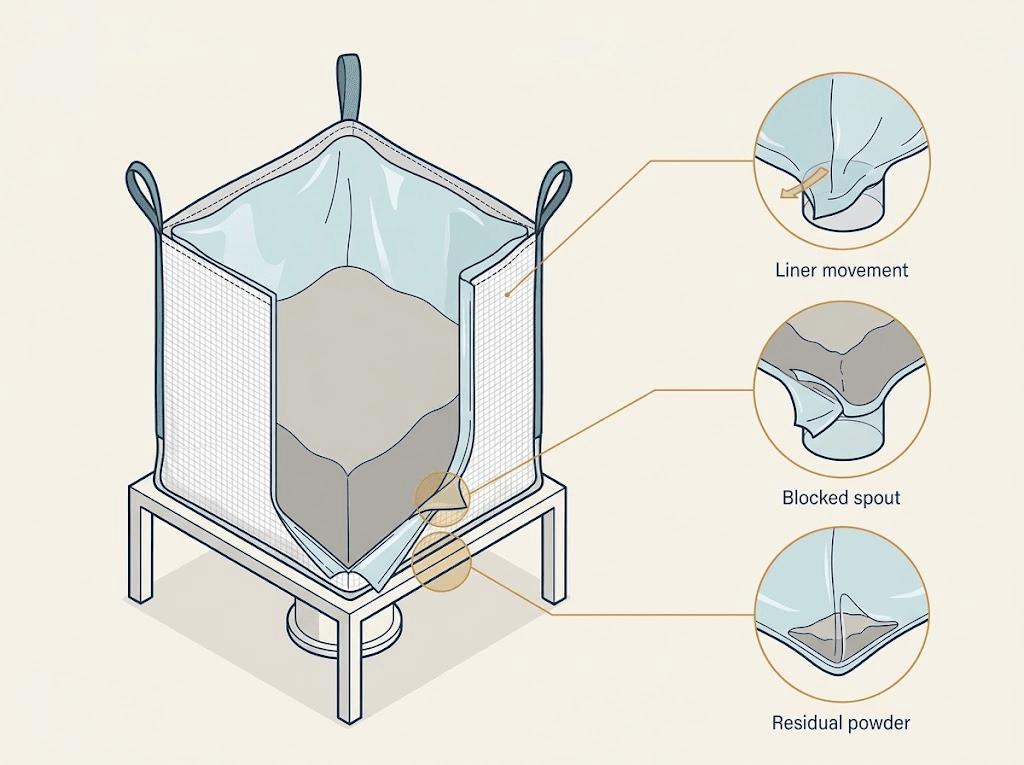
FIBC Liner Discharge Problems: A Buyer’s Checklist for Liner Movement, Blocked Spouts and Residual Powder
A lined bulk bag reaches the production line, but the powder stops flowing before the bag is empty. The liner moves towards the outlet, material remains in the bottom corners, or operators need repeated assistance to finish unloading.For buyers ordering FIBC liners, the useful question is: what information will help the packaging supplier and equipment provider identify the cause and agree on a better specification?Start by reviewing the material, liner, outer bag and discharge equipment together. Liner fit, folds, outlet configuration and product flow characteristics can all affect emptying performance.
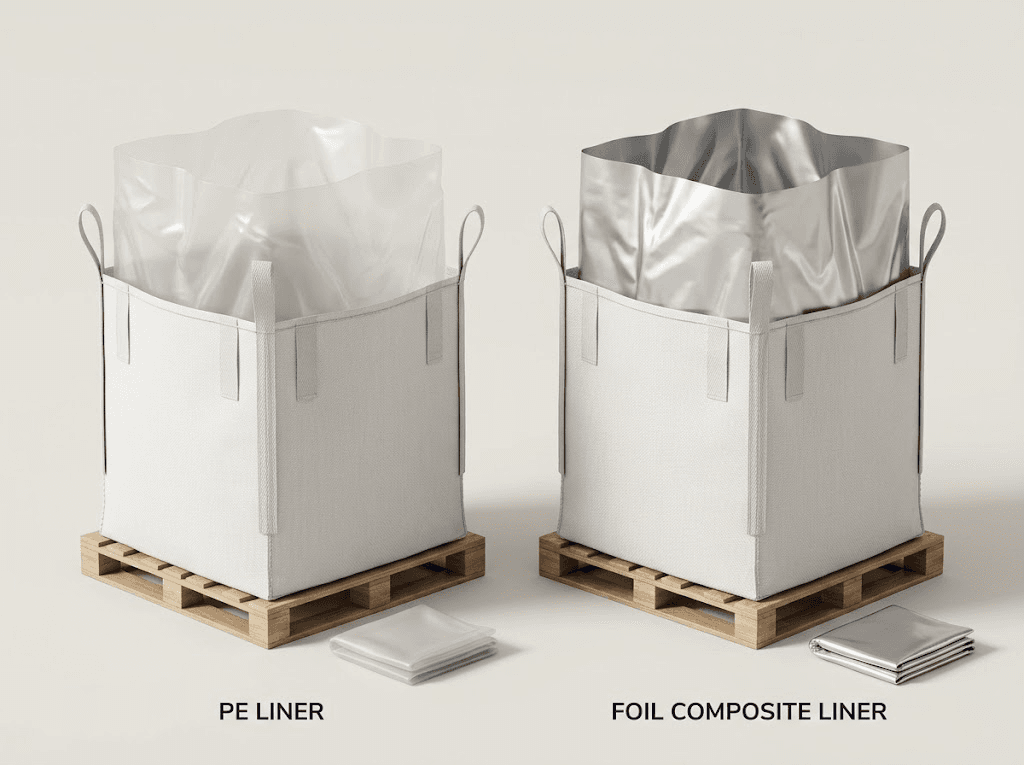
PE vs Aluminum Foil FIBC Liners for Moisture-Sensitive Powders: A Buyer’s Checklist
Choosing a liner for a moisture-sensitive powder starts with a practical question: what protection does the material need throughout filling, transport, storage and discharge?A request for “moisture proof bulk bags” gives a supplier a starting point, but it does not define an acceptable package. A PE liner may meet the requirement. An aluminum foil composite liner may be worth evaluating when the product needs a stronger moisture barrier, oxygen protection or light protection. The decision should follow the actual material specification, closure arrangement and trial results.This checklist helps buyers compare the options and prepare an enquiry for FIBC liners without relying on a material name alone.
Want to know more?
Get in touch with us for more information about our services and products.