

2026 Compliance & Cost Savings: How High-Performance FIBCs Solve the Packaging Paradigm Shift

Dayang Yang
AuthorWith experience in FIBC bulk bag manufacturing and export sales, we operate our own production facility with stable large-scale capacity. We are specialists in bulk bags, conductive FIBCs, food-grade FIBCs, UN certified bags, and customized flexible intermediate bulk containers for industrial packaging and bulk material transportation solutions.
Introduction: The 2026 Packaging Paradigm Shift
Bulk material handling is at a crossroads. Tighter regulations and workforce shortages demand packaging that goes beyond containment—it must provide documented compliance, lower total cost, and zero contamination risk. For lithium battery materials, hygroscopic chemicals, and high-purity minerals, generic jumbo bags are no longer viable. Engineered FIBCs that integrate moisture barriers, anti-static protection, and oxygen barriers are the only way to turn regulatory pressure into a competitive advantage. As a global mineral sourcing director discovered, standard bulk bags were silently eroding margins until a fully specified FIBC eliminated hidden losses.
Engineered FIBCs for 2026 Regulatory Compliance
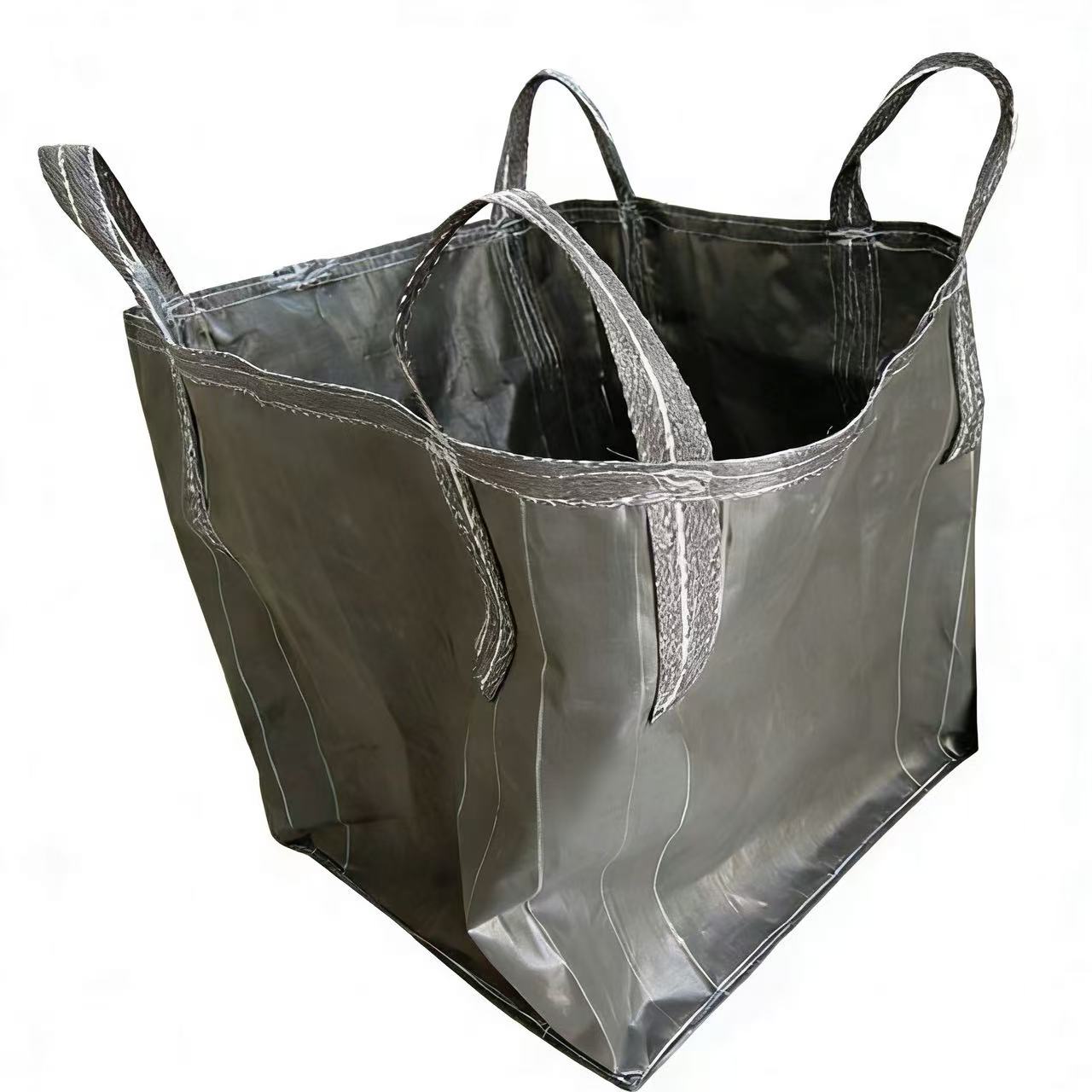
Modern regulations require packaging that actively prevents moisture ingress, static discharge, and oxidation. Our PP FIBC Jumbo Bags (1 Ton Black Bulk Bags) are designed for this exact environment, with tight, sift-proof seams and black UV-resistant PP fabric. For the most demanding applications—such as lithium battery cathode materials—our aluminum-lined FIBCs deploy an integrated moisture barrier, anti-static grounding, and corrosion resistance. This isn't a retrofitted liner; it's a purpose-built Flexible Intermediate Bulk Container that keeps high-value powders stable from filling to discharge. Operations handling mineral bulk packaging are discovering that engineered FIBCs prevent the cascade of costs from rejected loads and safety incidents, transforming compliance from a burden into a cost-saving measure.
Slash Total Costs with Custom FIBCs
Over-specification and supply chain inefficiencies quietly inflate your per-ton packaging spend. By tailoring FIBC dimensions, liner types, and lifting loop configurations to your exact material and handling process, you eliminate wasted fabric and reduce fill/discharge time. Our factory-direct model cuts out intermediary markups, delivering immediate savings on orders from 50 pieces. A recent deployment in lithium battery powder packaging saw clients switch to our 1-2 Ton Battery Powder FIBCs with aluminum foil liners and report measurable reductions in moisture-related product loss and freight claims. One senior procurement manager at a EU chemical group documented a double-digit decline in packaging-related cargo expenses after adopting custom FIBCs. This is what happens when packaging stops being a commodity and becomes a precision tool for profit protection.
Multi-Barrier Protection for Sensitive Materials
Lithium iron phosphate and NMC precursors degrade with even trace humidity. Our Light-Proof FIBC with aluminum foil liner offers triple protection: a durable PP woven outer for mechanical strength, an aluminum-plastic inner bag for oxygen and moisture barrier, and a sealed closure that maintains a controlled atmosphere. The 3-side seal aluminum foil layer ensures product stability from production to the customer's silo, eliminating the need for secondary wrapping and reducing labor steps. This same technology safeguards hygroscopic chemicals and high-value food ingredients, where flavor retention depends on impenetrable light and moisture barriers. With anti-oxidation packaging built into the FIBC, you protect batch integrity without additional material costs.
Safer, Faster Handling with Advanced FIBC Design
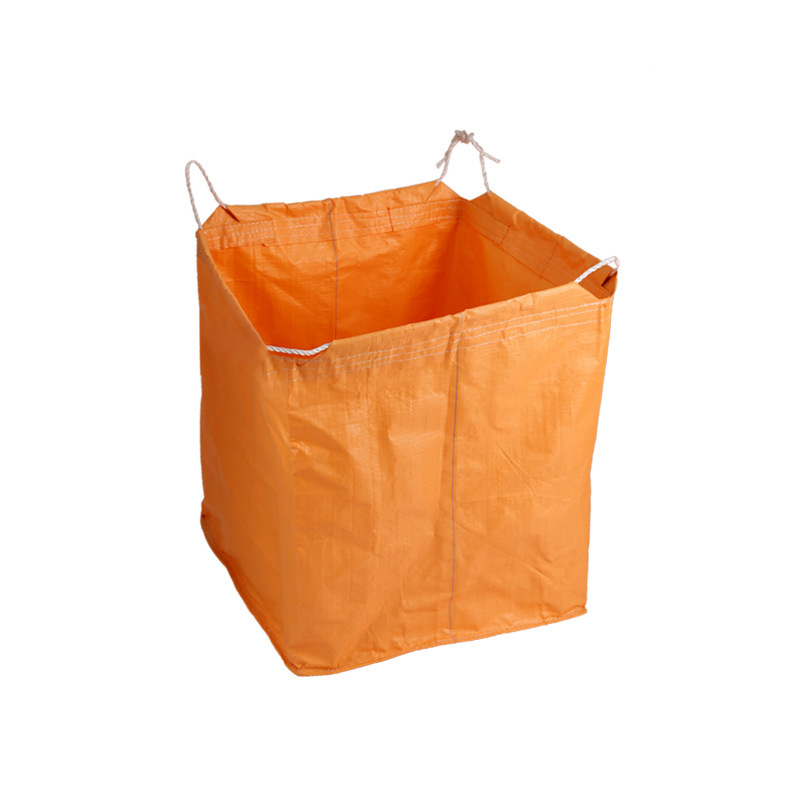
Moving a 1-2 ton bag shouldn't require multiple operators and dedicated equipment. Our inner lifting loop and cross-reinforced bottom configurations push safe working loads to 2 tons while preventing sling failure. For flammable powders, anti-static and flame-retardant packaging dissipate charge safely, meeting the safety demands that generic bulk bags ignore. The overhead bulk bag design, combined with a soft pallet lifting sling, allows a single forklift operator to lift, transport, and discharge in one smooth motion—reducing warehouse aisle requirements and eliminating hopper investments. Formed inner belly bag technology further stabilizes the load shape, preventing the leans and spills that cause costly delays and product loss during transport. When your bulk packaging is engineered for your existing equipment, you boost throughput without capital expenditure.
Conclusion: Partner for the 2026 Packaging Evolution
The shift to resilient, compliant industrial bulk packaging is the new baseline. Whether you need moisture-proof solutions for cathode materials, anti-static protection for chemical powders, or factory-direct FIBCs that defend your margins, your packaging must deliver regulatory security, material integrity, and landed cost efficiency—all at once. Our FIBCs perform across the spectrum, from feed bulk bags to ultra-barrier lithium powder packaging. Book a technical consultation today to align your packaging with 2026 compliance demands and turn regulatory costs into operational savings.
Related News
Other news you might be interested in
What Is a Super Sack? FIBC vs Bulk Bag vs Jumbo Bag Explained
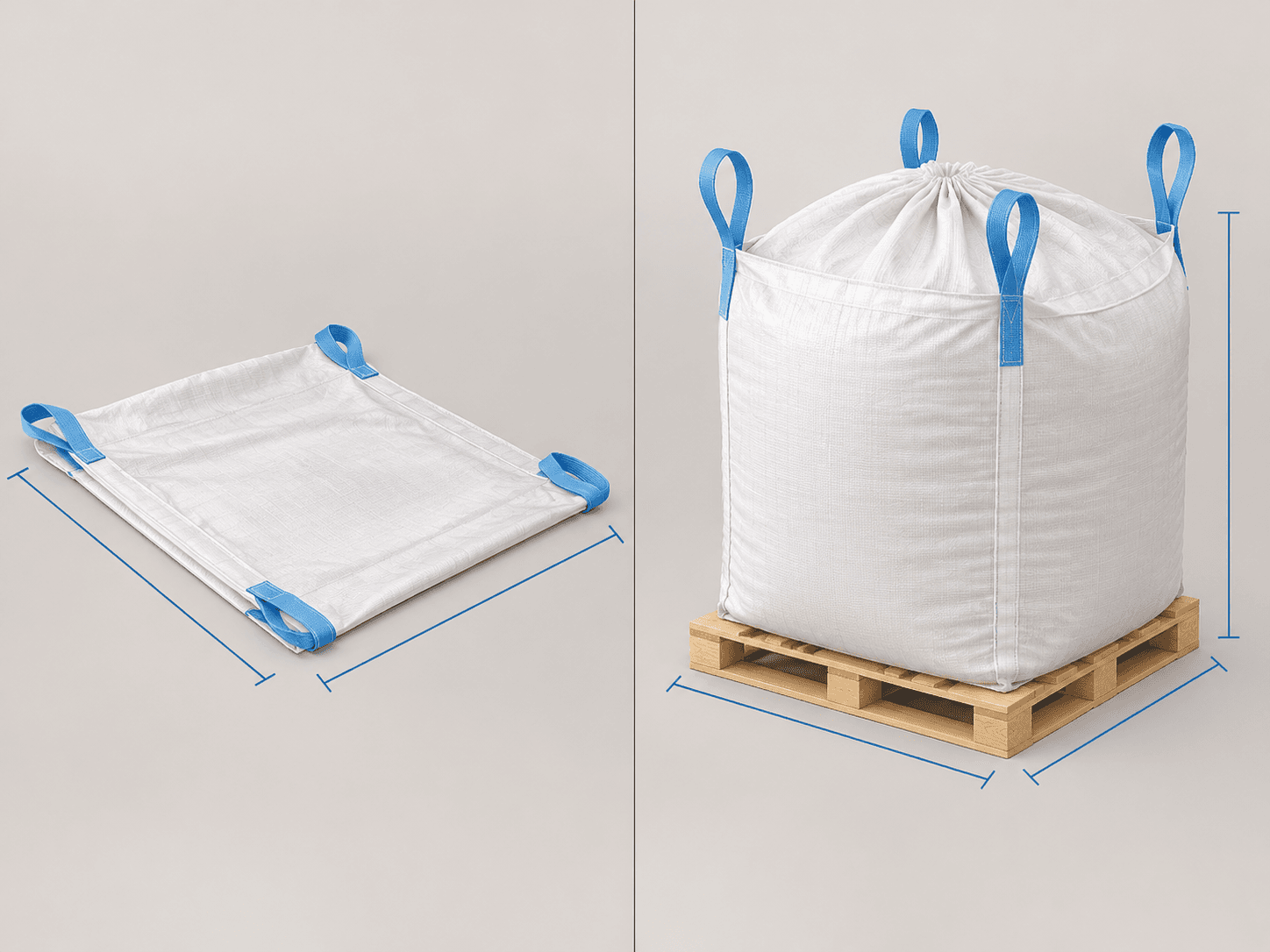
A buyer searches for a “super sack.” The supplier replies with an FIBC quotation. The drawing is titled “jumbo bag.” The warehouse calls it a bulk bag. Four names, one object—usually.The words are not identical in status. FIBC is the technical term used by standards and industry guidance. Bulk bag, big bag, tote and jumbo bag are trade terms. Super Sack® is a registered trademark, not a generic name for every large woven bag.That distinction matters when a purchase order, a drawing or a customs document uses one term while the supplier uses another. The label helps you find the product family. It does not tell you the safe working load, the filled dimensions, the liner, the lifting arrangement or the compliance route. Those have to be specified.
Bulk Bags by Application: Minerals, Fertilizer, Grain and Produce
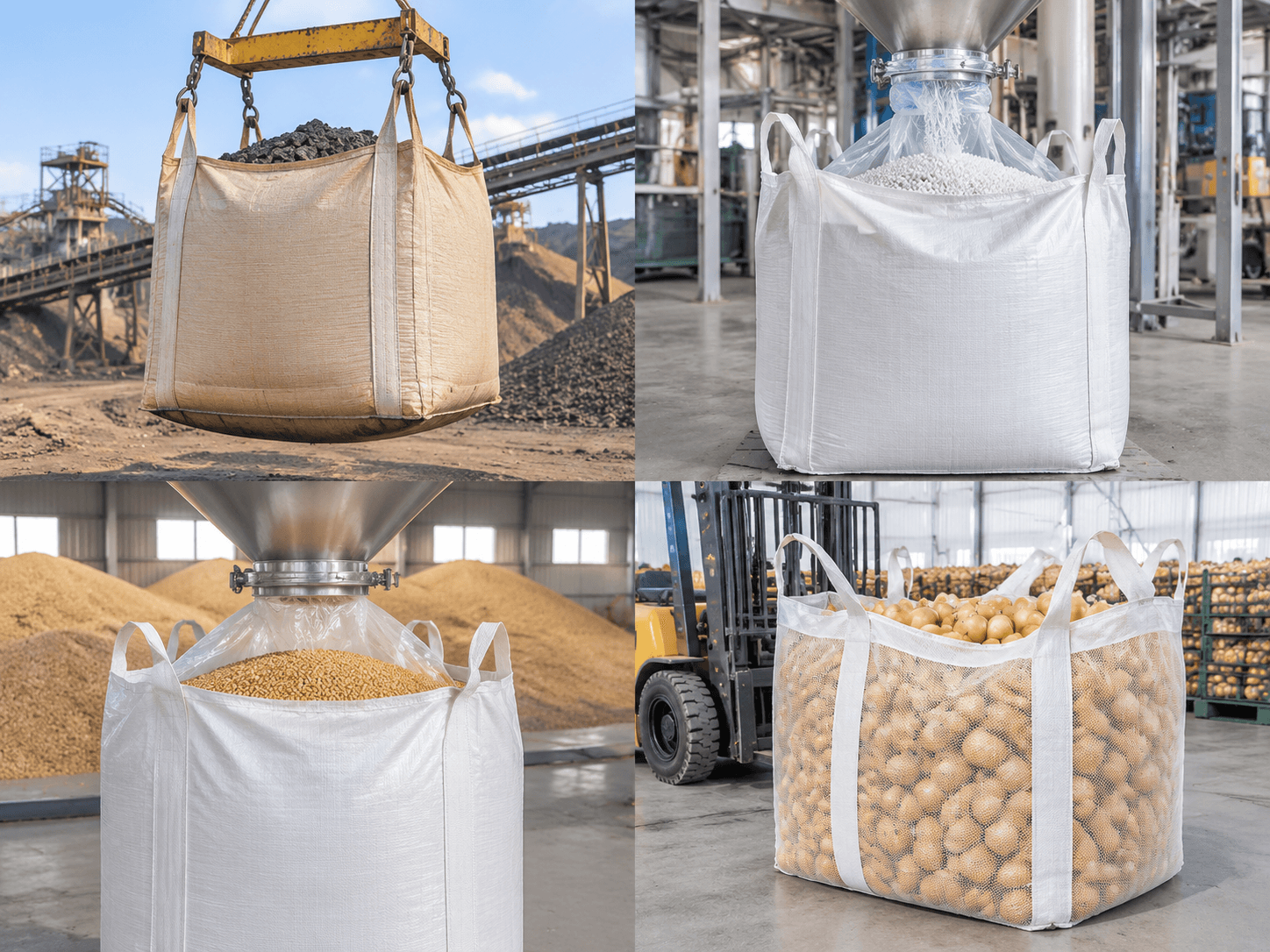
A mineral concentrate, a fertilizer blend, a load of wheat and a load of onions can all be packed in a bulk bag. They should not all be specified the same way.On a quotation, each may appear as a one-tonne FIBC with a top opening and a discharge spout. In service, the loads behave differently. A dense mineral concentrate can reach its target mass at a low fill level and concentrate stress in the base and seams. A hygroscopic fertilizer can pick up moisture, cake and block the outlet. Grain can arrive dry but become unacceptable if condensation, pests or contamination are not controlled. Fresh produce can lose quality through heat, condensation and handling damage even when the bag itself remains intact.
Want to know more?
Get in touch with us for more information about our services and products.