
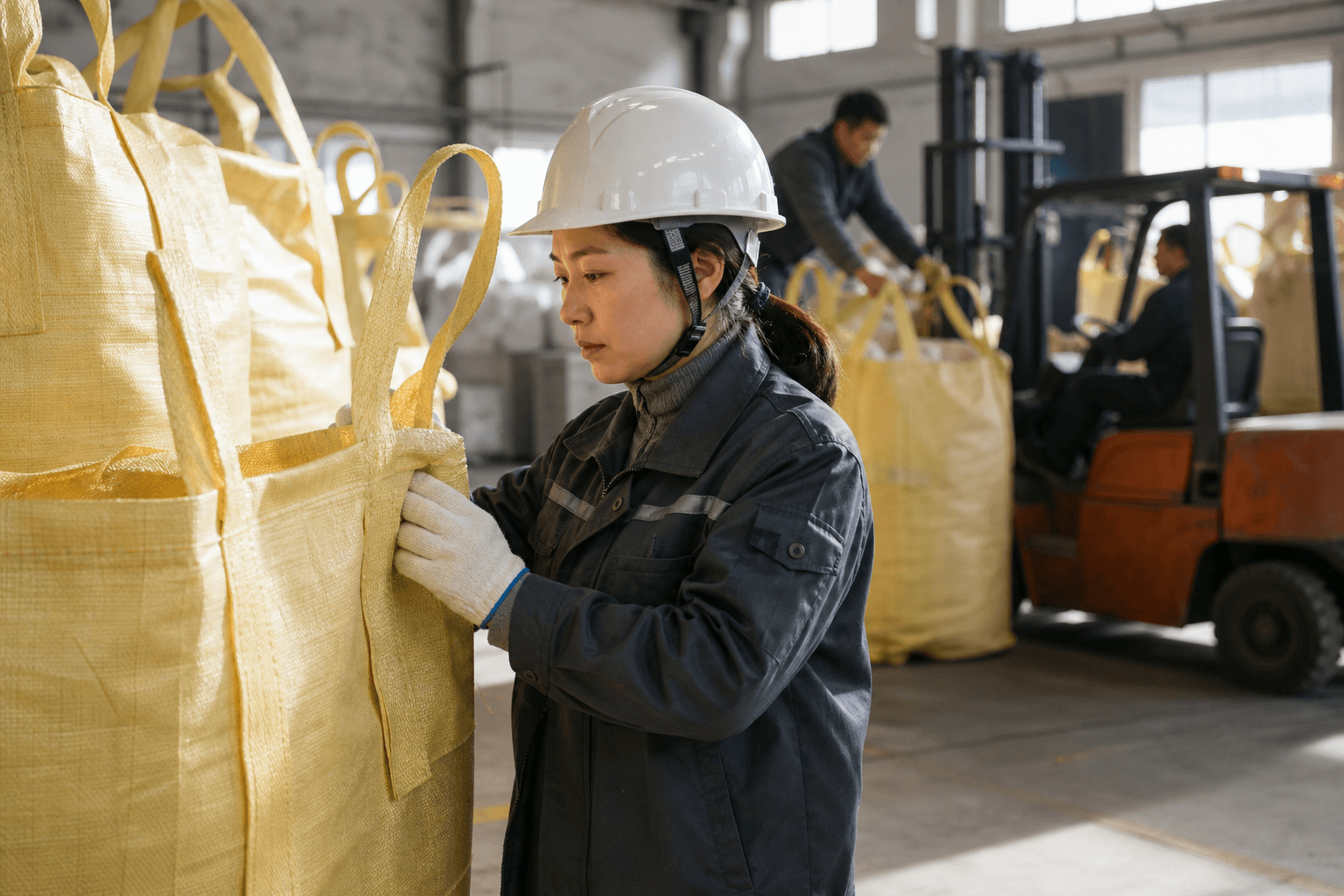
Choose the Right FIBC Bulk Bags to Protect Your Materials and Lower Handling Costs

Dayang Yang
AuthorWith experience in FIBC bulk bag manufacturing and export sales, we operate our own production facility with stable large-scale capacity. We are specialists in bulk bags, conductive FIBCs, food-grade FIBCs, UN certified bags, and customized flexible intermediate bulk containers for industrial packaging and bulk material transportation solutions.
Introduction: The Hidden Costs of Inefficient Bulk Packaging
Durable, woven polypropylene FIBC bags are essential for safe, cost-effective transport of powders, granules, and chemicals. Yet many manufacturers unknowingly absorb losses from damaged loads, contamination, and handling delays. Moisture intrusion, UV degradation, static discharge, and torn lifting loops aren’t just inconveniences—they’re profit leaks. When bulk bags fail, you pay twice: once for lost material and again for cleanup, reshipment, and safety incidents. This article maps how selecting the right flexible intermediate bulk container—with targeted features like cross-reinforced bottoms, moisture barriers, and anti-static construction—turns packaging from a cost center into a logistics advantage.
Key Pain Points in Industrial Bulk Packaging
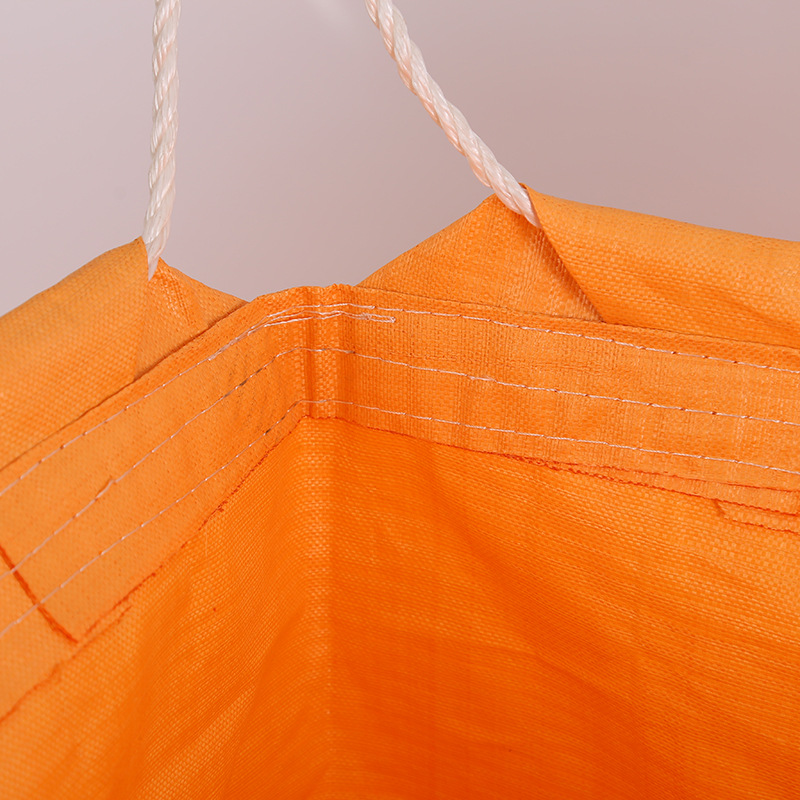
Materials like lithium battery powders and nylon granules demand moisture-proof bulk packaging that resists humidity and prevents clumping or chemical degradation. Standard sacks simply cannot shield these sensitive substances. Similarly, loads approaching two metric tons put immense stress on fabric and seams. Without PP woven bulk bags engineered for tear resistance and secure lifting loop bulk bag designs, you risk loop failure during crane or forklift maneuvers. Then there’s the invisible threat: electrostatic discharge. In chemical powder handling, even a small spark can incinerate product or injure staff—anti-static bulk packaging isn’t optional, it’s mandatory. For light-sensitive minerals, a light-proof FIBC preserves material integrity throughout the supply chain. As our team recently explored, how custom FIBC bags solve moisture and static challenges in industrial bulk packaging directly impacts both product quality and workplace safety. In the mineral sector, one regional sourcing director at a global mineral materials company confirmed that switching to purpose-built mineral bulk packaging eliminated leaking seams that had plagued previous shipments.
Essential FIBC Features for Reliable Performance
Not all jumbo bags are equal. A cross reinforced jumbo bag with an inner lifting loop bulk bag configuration dramatically stabilizes heavy loads, preventing the sling from tearing away from the body under tension. For hygroscopic or oxidation-prone products, an aluminum foil liner bulk bag or a formed inner belly bag creates a near-total barrier against oxygen, moisture, and light—making it ideal for anti-oxidation packaging and lithium battery cathode material packaging. Products requiring airflow, such as certain feed or grain ingredients, benefit from breathable construction, while moisture-sensitive powders shipped in humid climates often need a 3-side seal aluminum foil bag inserted into the outer FIBC. When forklift or overhead crane handling is part of your process, overhead bulk bag designs and soft pallet lifting sling attachments simplify loading without extra pallets. For niche applications like plastic pellet packaging, nylon granules packaging, or feed bulk bags, these features directly affect material flow and contamination control. And for lithium battery materials, even a minute oxygen exposure can ruin an entire batch; that’s why light proof FIBC for lithium powder with anti moisture oxygen barrier is a baseline specification, not an upgrade.
Why Factory-Direct Custom FIBCs Drive ROI
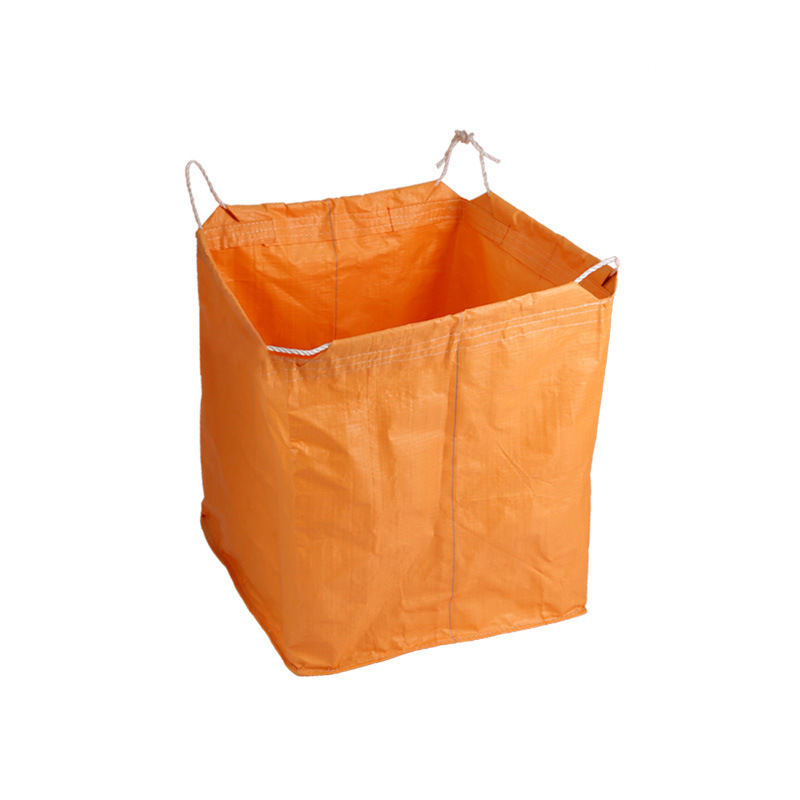
Off-the-shelf packaging rarely fits the unique dimensions, discharge spout requirements, or safe working load (SWL) your operation demands. Sourcing factory-direct FIBC lets you dictate fabric weight, liner type, spout configuration, and print—ensuring your industrial bulk packaging works as a seamless part of your process. When you eliminate middlemen, you gain transparent quality control and that translates into consistent, reliable heavy-duty PP container bag performance. The economics are persuasive: one case study detailed in turning packaging pitfalls into profit with custom FIBC bags showed a 15% reduction in material loss simply by switching to bags with appropriate oxygen barrier bulk bag properties and reinforced seams. In sectors like flame retardant packaging for new energy materials, aluminum lined FIBC reduces waste and rework while meeting strict safety codes. Companies handling chemicals, minerals, or advanced battery components can cut spillage, reject batches, and downtime by using forklift bulk bag solutions designed for their exact handling equipment and load weights.
Request Your Custom FIBC Quote — Reduce Handling Costs and Material Loss
Whether you need a formed inner belly bag for fine powder containment, aluminum foil laminated bags for long-term storage, or custom-printed jumbo bags that reinforce your brand, the right specification starts with a conversation. Our team supports applications across lithium battery powder, mineral concentrates, chemicals, and feed—offering factory-direct bulk pricing and samples tailored to your material and logistics. For a bulk material handling packaging solution that protects product and reduces total handling cost, contact our team today.
Related News
Other news you might be interested in
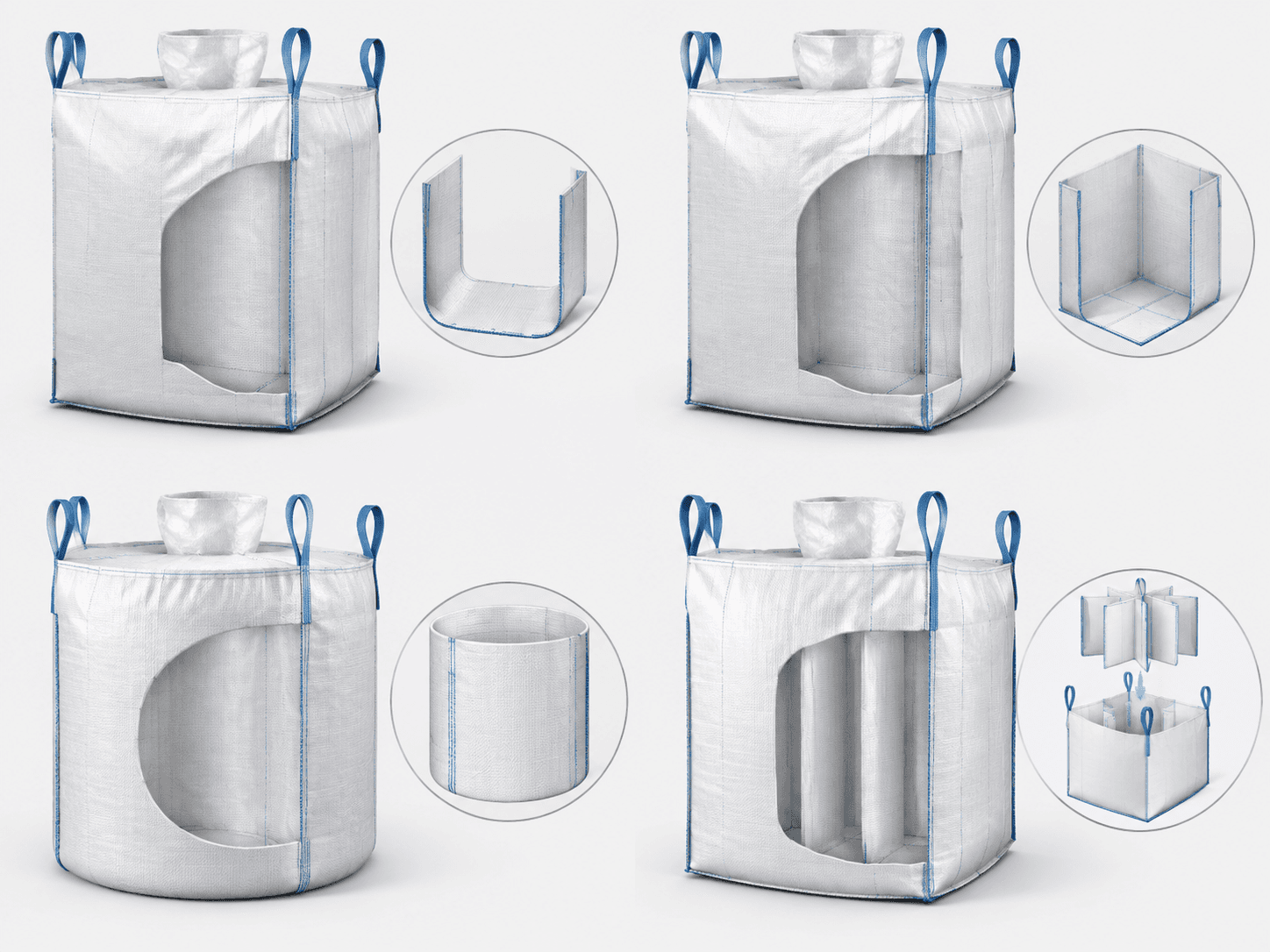
U-Panel, Four-Panel, Circular and Baffle FIBCs: Which Bag Construction Fits Your Application?
When selecting an FIBC bag, buyers often compare U-panel FIBCs, four-panel FIBCs, circular/tubular FIBCs, and baffle FIBCs (Q-bags). However, these terms do not all describe the same level of classification: the first three generally refer to the bag body’s construction, while baffles are internal shaping features that can be incorporated into a bag. The name alone does not determine a bag’s durability, load capacity, or suitability for a particular material.
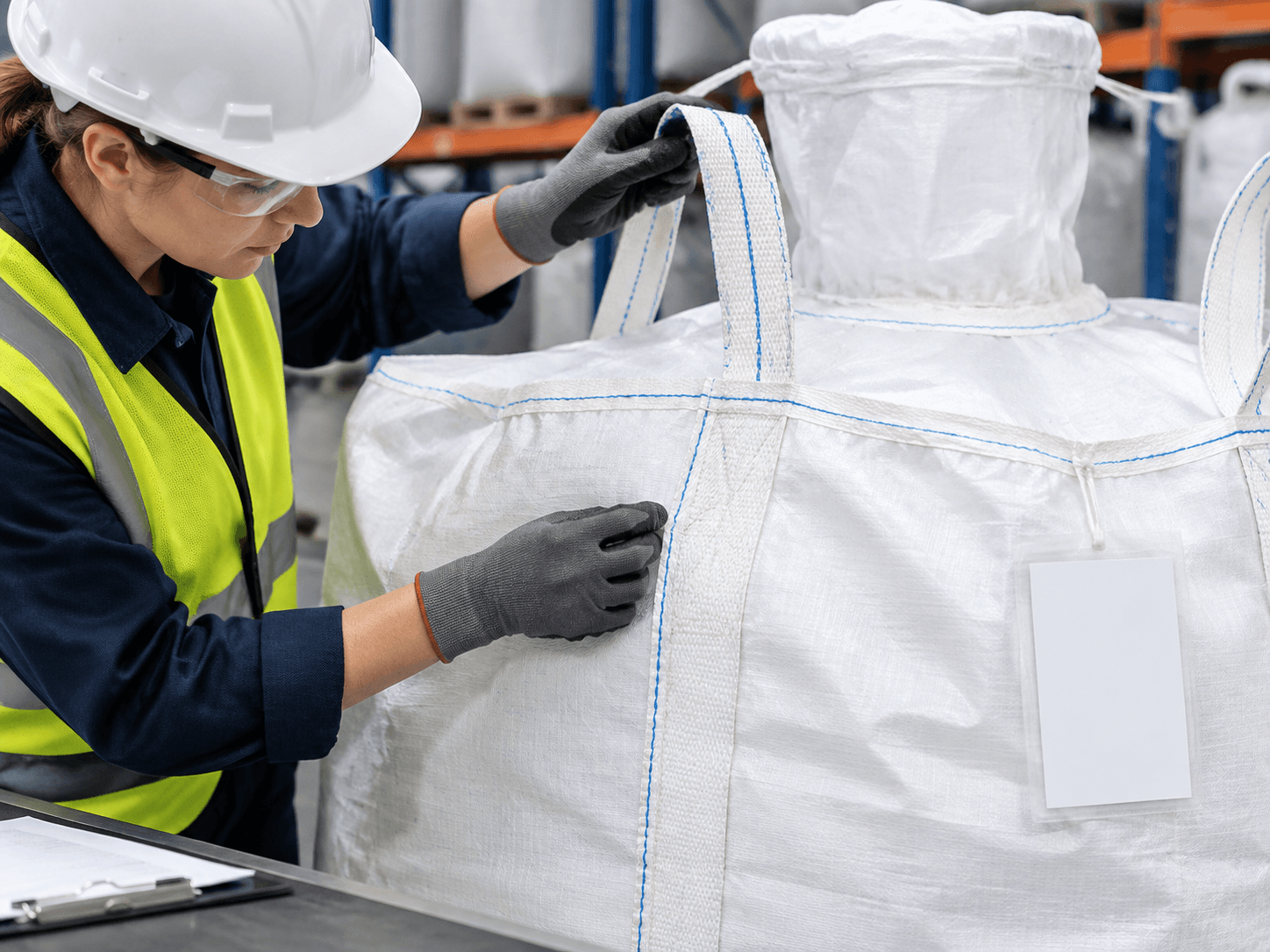
FIBC Bag Safety: Understanding Safe Working Load, Safety Factor, and Safe Handling
Bag safety cannot be judged by load weight alone. The bag’s design, construction, and rated load must match the material and operating conditions. Different FIBC bag types and load capacities may have different filling, lifting, and discharge requirements. ISO 21898:2024 covers the materials, construction, design, testing, marking, selection, and safe use of FIBCs for non-dangerous solid goods. On-site operations must also follow the manufacturer’s instructions and applicable regulations.
Want to know more?
Get in touch with us for more information about our services and products.