
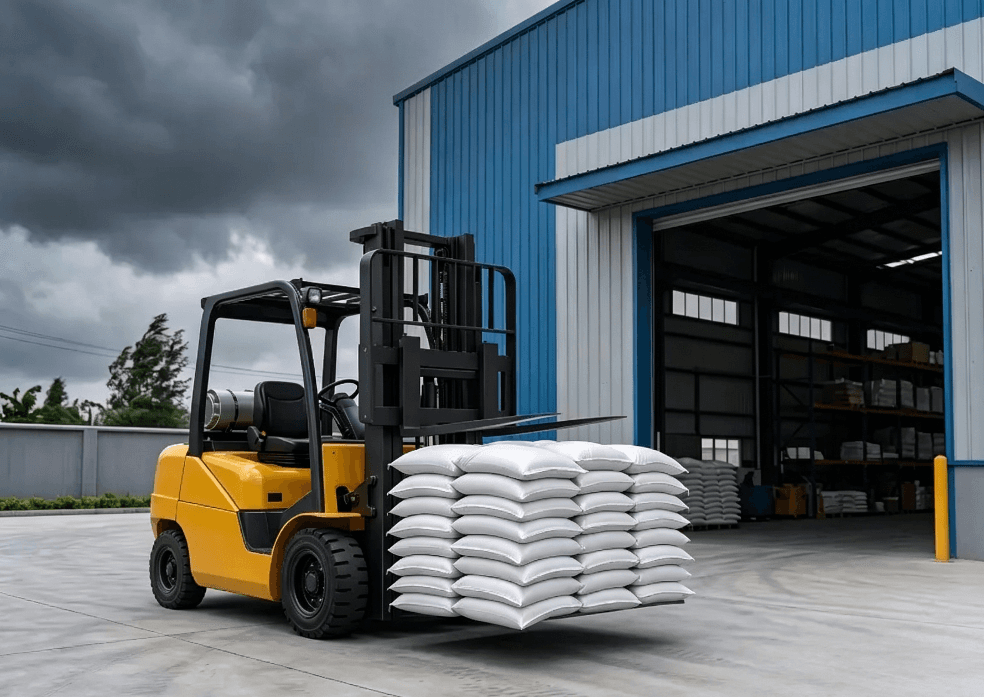
How FIBC Bulk Bags Improve Safety and Efficiency in Warehousing

Dayang Yang
AuthorWith experience in FIBC bulk bag manufacturing and export sales, we operate our own production facility with stable large-scale capacity. We are specialists in bulk bags, conductive FIBCs, food-grade FIBCs, UN certified bags, and customized flexible intermediate bulk containers for industrial packaging and bulk material transportation solutions.
Why Businesses Prefer Super Sack Bulk Bags for Storage and Transport
Some materials in a facility behave exactly the way you expect them to. Others? Not so much. Powders shift, granules scatter, and bulky products love testing the limits of whatever container you put them in. This is the exact reason logistics teams, warehouse managers, and production heads continue reaching for what might be the simplest workhorse in the industry: FIBCWorld bulk bags.
Moving bulk materials at scale presents a straightforward problem: you need containers that are secure, efficient, and won’t eat up precious floor space. Super Sacks solve exactly that. These flexible giants—also called FIBC bulk bags—have earned their place as a go-to solution across industries. If your operation handles high-volume materials, you have probably already sensed you need something like them.
Let’s look at what makes them work so well.
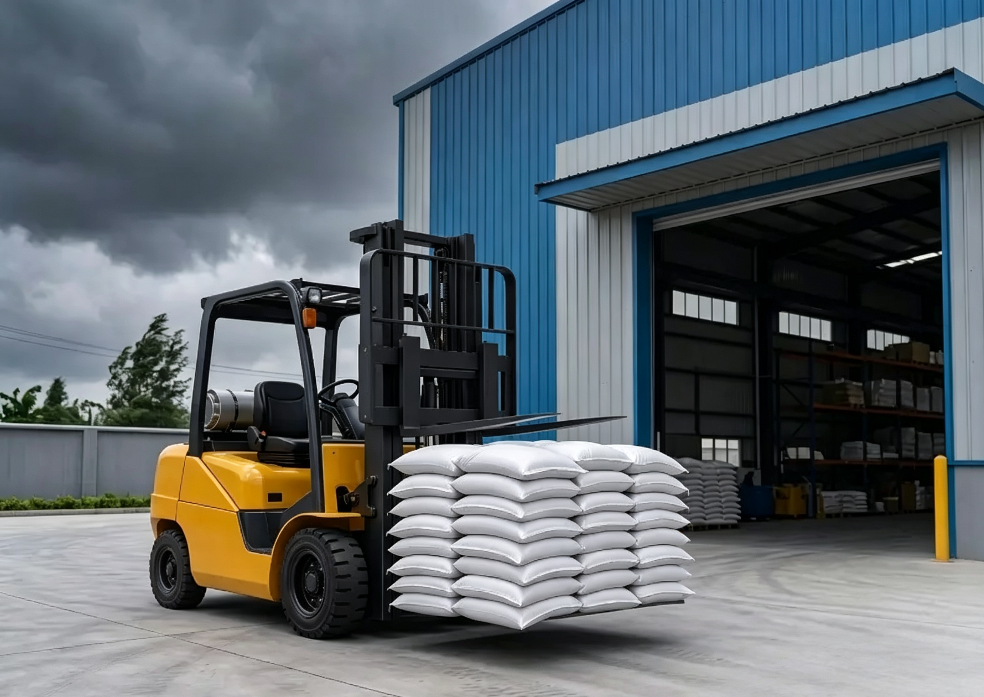
What Are Super Sack Bulk Bags?
Super Sack bulk bags are large, flexible containers purpose-built for storing and transporting materials at scale. Most feature woven polypropylene construction, giving them the strength to hold thousands of pounds without buckling or losing stability.
These bags pull their weight across a wide range of materials:
Powders
Grains
Chemicals
Minerals
Construction supplies
Industrial products
Food and pharmaceutical materials (with proper certifications)
At last, if your product flows, packs, or pours, a Super Sack can probably handle it.
The engineering is deceptively simple—and that’s the point:
A heavy-duty woven body built to carry weight without giving way
Lift loops designed for seamless forklift or crane handling
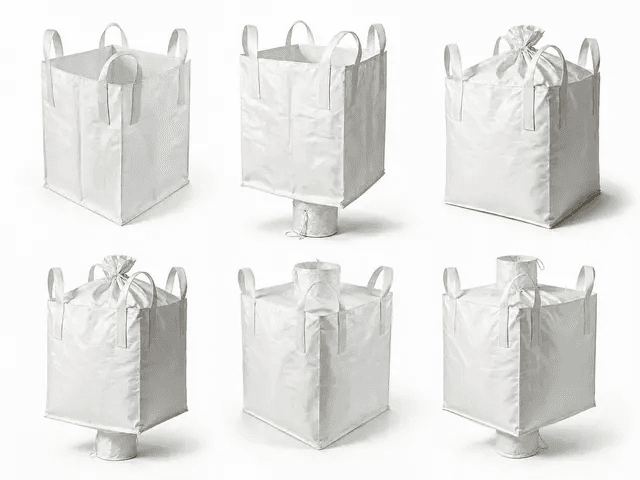
Spout or open-top options that let you control how material goes in and comes out
Square or round shapes to match your stacking and storage requirements
Strength, ease of use, and adaptability—this is exactly the combination that keeps industries reaching for them.
Benefits of FIBC World Bulk Bags for Businesses
FIBC World bulk bags make financial sense the moment you start doing the math. Look at the weight savings alone—each bag weighs under 5 pounds empty but holds up to 4,000 pounds of product. That’s not just impressive on paper—it’s the kind of efficiency that shows up where it counts. Here’s what businesses value most:
1. Efficient Material Handling
Handling bulk material doesn’t have to slow your operation down. The right setup changes everything:
Integrated lifting loops
One-ton-plus carrying capacity
Easy filling and discharge systems
Less maneuvering, more moving. That’s the difference your team feels on the floor.
2. Space-Smart Storage
FIBC World are built to stand upright and stack without shifting—a small detail that makes a real difference. Here’s what that gives you:
More usable vertical space
A cleaner way to organize bulk products
Separate storage with no cross-contamination risk
In practice, they work like a flexible, self-contained storage system.
3. Reduced Packaging Costs
FIBC World bulk bags can replace dozens of small bags, drums, or rigid containers in one go. Businesses use them to:
Fewer packaging materials cluttering your workflow
Lower labor costs for handling
Less warehouse space is taken up
For operations running at scale, those efficiencies translate into serious savings.
4. Versatility Across Industries
The range of configurations means they’re at home in just about any sector:
Construction and aggregates
Agriculture and food ingredients
Chemicals and minerals
Plastics and resins
Environmental remediation
For any operation dealing with bulk materials, they slot in easily—without turning your workflow upside down.
How FIBCWorld Improve Storage and Transport
FIBC World bulk bags fit your existing material handling setup without special tools or complicated procedures. A single forklift operator can move an entire truckload in the time they once spent handling a fraction of that volume the old way.
Better Load Stability
That structured shape stays put during transit. No sliding around as you would see with loose bags or smaller packaging.
Cleaner Material Flow
Choose from spouts, duffle tops, or full open tops to control exactly how material moves in and out. Less mess, less waste, fewer “how did that happen?” moments.
Safer Handling
Built-in lift loops mean forklift operators can grab and go. No fussing with rigging or hunting down special equipment.
Reduced Product Damage
The flexible walls roll with impact and pressure changes—something rigid containers just can’t do. Your product stays protected from dock to destination.
Types of FIBC World Bulk Bags
Bulk bags come in more varieties than most people realize. Each design serves a purpose, and picking the right one starts with understanding your specific handling demands.
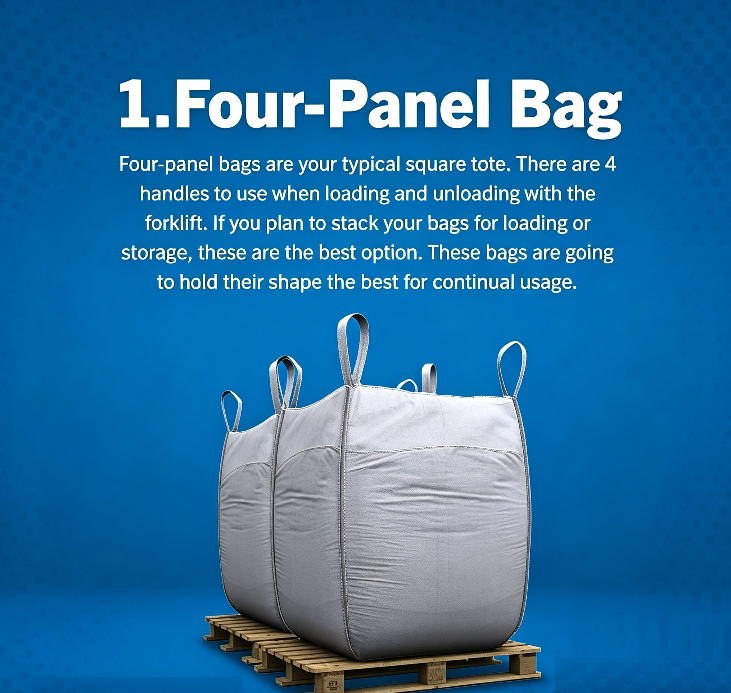
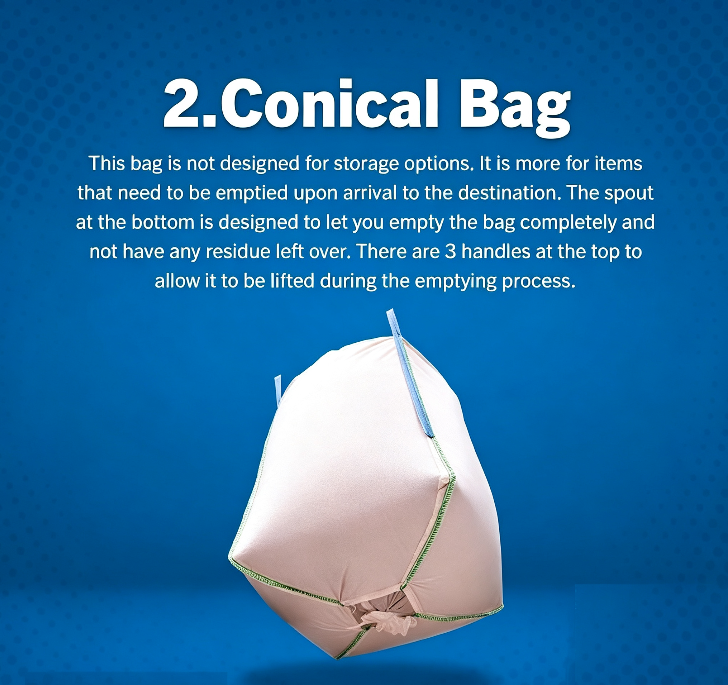
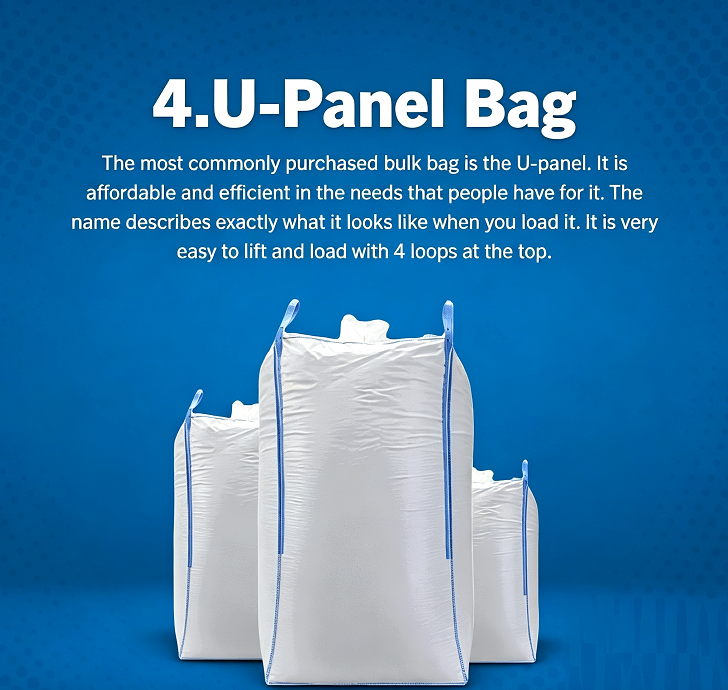
1. Standard (U-Panel or Circular)
For coarse, dry materials where a little air circulation makes all the difference, Standard U-Panel Bags are the clear choice:
Agricultural products—think grains, beans, and seeds.
Construction aggregates such as sand and gravel.
Industrial minerals and raw materials.
Wood pellets and biomass goods.
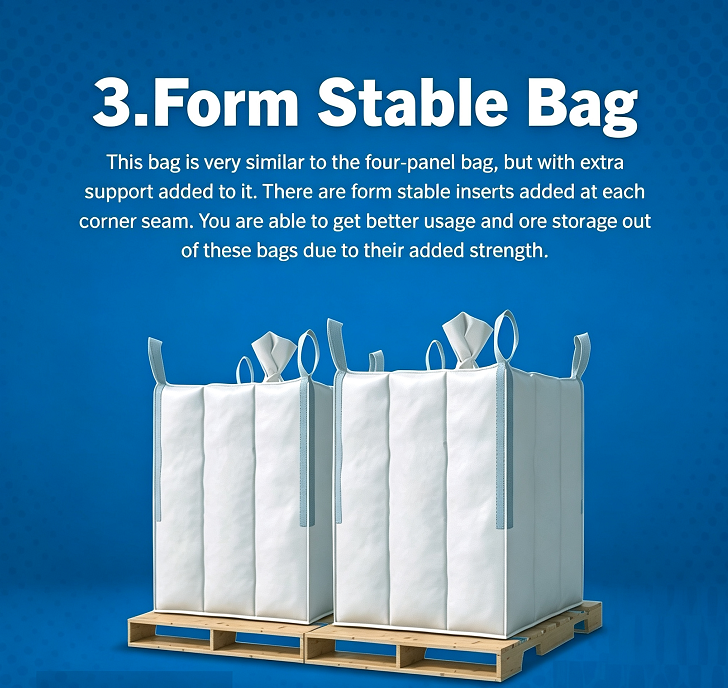
2. Baffled FIBC World
Internal baffles sewn into these bags help them hold a clean, square shape—even when filled. That makes them ideal for:
Stacking tightly without wobble.
Getting more out of your warehouse footprint.
Keeping contents stable during storage and transit.
3. C Conductive Bag
C Conductive bags come with built-in grounding to safely dissipate static electricity:
Handling flammable powders in chemical plants.
Transporting pharmaceutical ingredients.
Working with combustible dust.
Any facility where static control is non-negotiable.
How to Choose the Right FIBC World Bulk Bag for Your Application
Choosing the right FIBCWorld starts with the material itself. Consider its weight, particle size, moisture sensitivity, flow characteristics, and whether it creates dust or static during handling. These factors help determine the right bag construction, fabric coating, liner, and filling or discharge design.
Your operation also matters. U-panel and circular bags work well for many standard dry materials, while baffled bags are a better fit when stable stacking and warehouse space are priorities. For fine powders, a coated fabric or inner liner can help control moisture and leakage. If static electricity is a concern, select the appropriate FIBC type and follow proper grounding procedures where required.
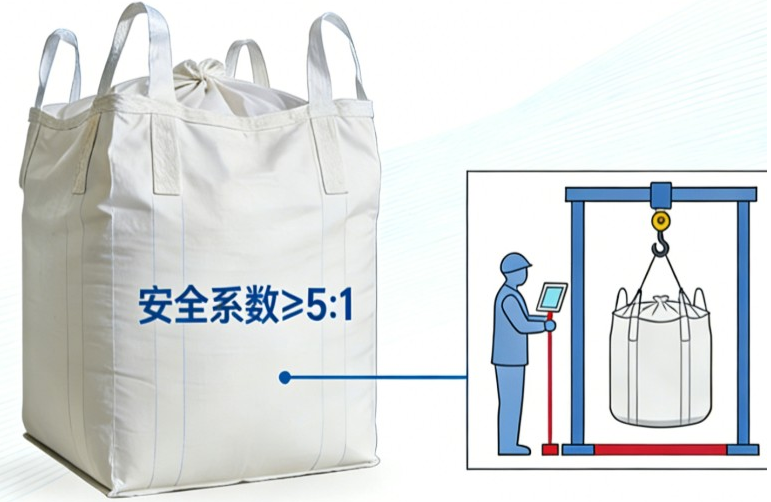
Finally, match the bag’s safe working load, lift-loop design, and safety factor to your equipment and handling process. A bulk bag should support the way your team fills, moves, stores, and empties material every day.
Safety and Compliance Considerations for FIBC Bulk Bags
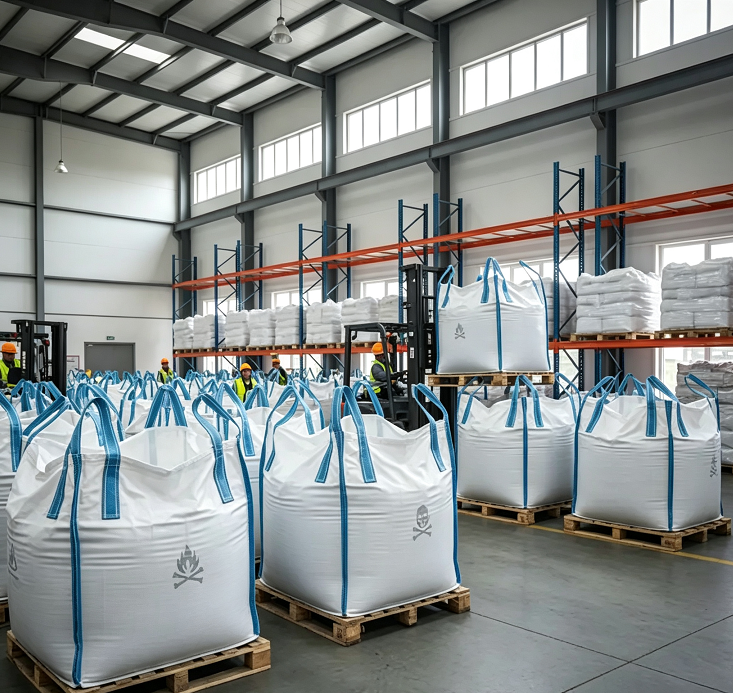
Bulk bags are built for demanding applications, but safe performance depends on using the correct bag and handling it properly. Always verify the bag’s safe working load, lifting method, and intended use before placing it into service. Forklift tines, lifting frames, and crane attachments should engage all designated lift loops evenly to keep the load stable.
Inspect bags before each use for damaged loops, torn fabric, moisture exposure, or signs of contamination. Do not reuse single-trip bags, and avoid stacking beyond the manufacturer’s recommendations. Proper storage in a dry, covered area also helps preserve bag strength and protect sensitive materials.
For applications involving food, pharmaceuticals, chemicals, or combustible dust, confirm that the bag specification meets your facility’s applicable quality, hygiene, and static-control requirements. Working with an experienced packaging supplier helps ensure that the bag design supports both efficient material handling and a safer operation.
Conclusion
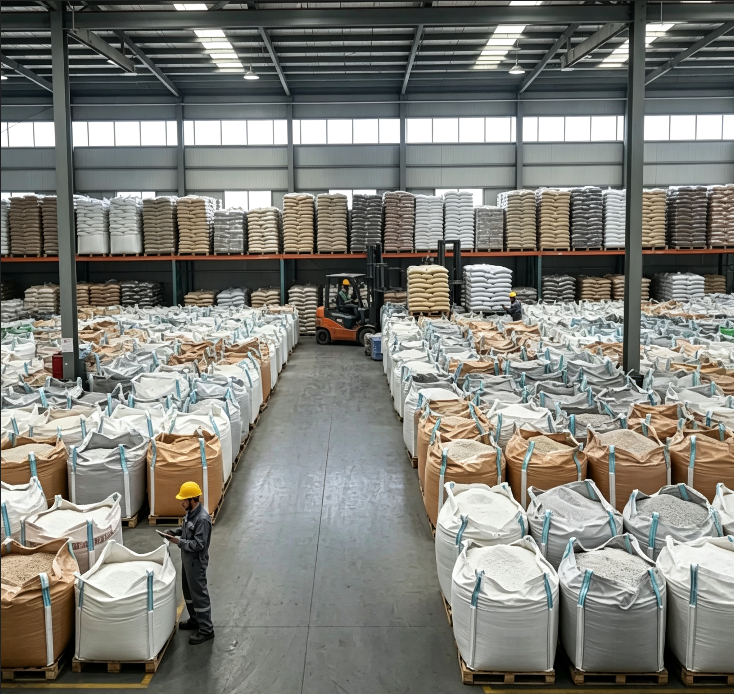
When it comes to agriculture and construction, having the right equipment at the right moment can make or break your day. FIBCWorld bulk bags don’t get the same fanfare as machinery or materials, but they’re the quiet MVPs behind efficient operations. Whether you’re dealing with grain, fertilizers, sand, or aggregates, these bags earn their keep—easing material handling, keeping products protected, and shaving time off every load and discharge.
Related News
Other news you might be interested in
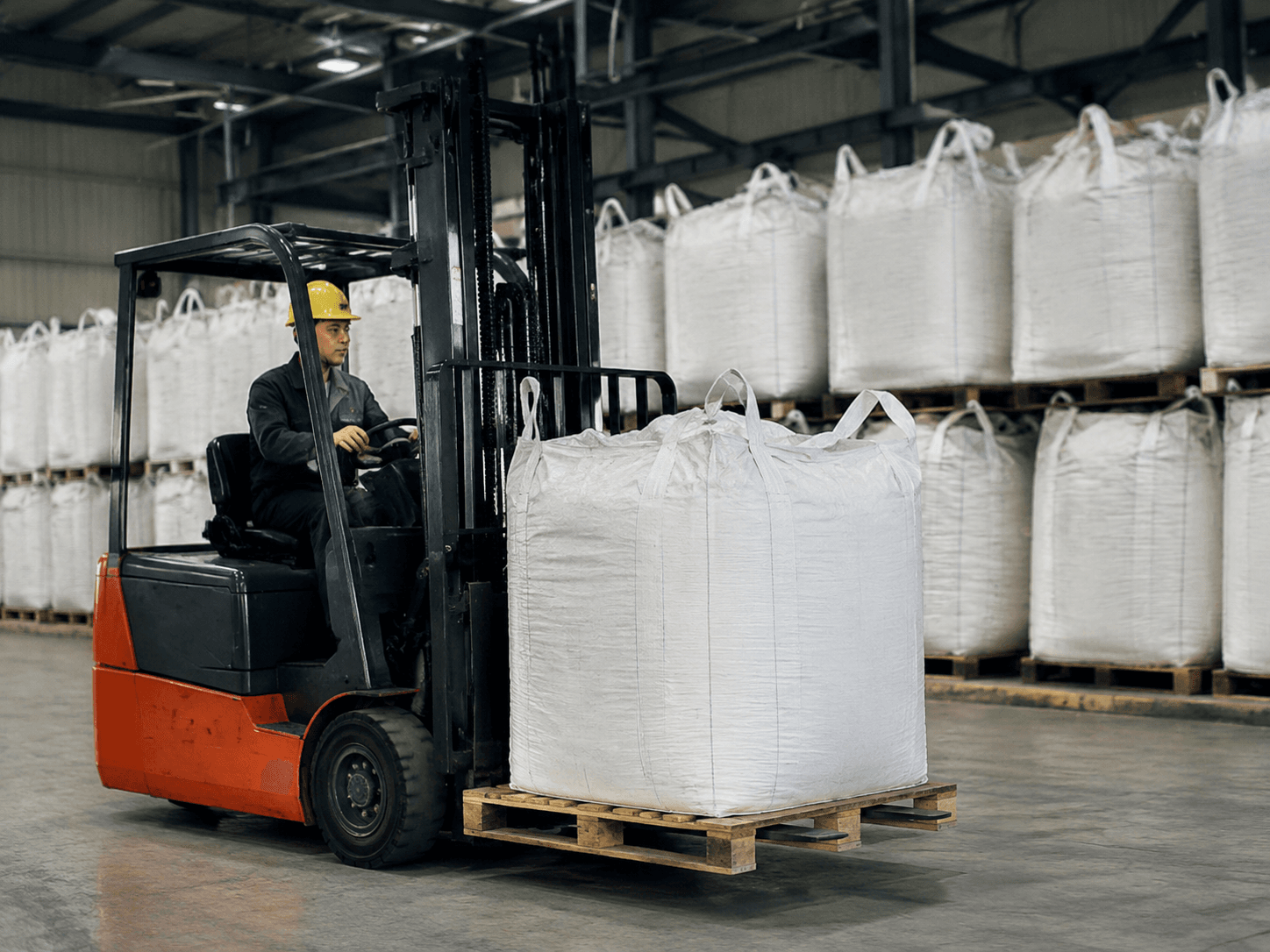
Woven Polypropylene FIBC Bulk Bags: How Material, Construction and Coating Affect Bulk Packaging Performance
In global bulk-material supply chains, FIBC bulk bags have developed from simple transport containers into important logistics tools connecting production, warehousing, loading, unloading, and end use. Their actual performance depends not only on capacity, but also on woven polypropylene, bag construction, coating, liners, safety factors, and the application environment. For the food, chemical, agricultural, mining, and construction-material industries, selecting the right FIBC bulk bags affects load-bearing performance, material loss, transport efficiency, warehouse space, and operational safety.
Chemical Grade Bulk Bags: How to Select the Right Flexible Intermediate Bulk Containers (FIBC) for Chemicals, Powders, and Hazardous Materials
Bulk materials used in the chemical industry often have characteristics such as fine particle size, high flowability, strong moisture absorption, a tendency to cake, or a high risk of electrostatic charge buildup. For chemicals, powder materials, and certain hazardous materials, packaging does more than hold the product—it directly affects material quality, workplace safety, and transportation reliability.
Want to know more?
Get in touch with us for more information about our services and products.