
How to Choose the Right FIBC Bulk Bag Manufacturer: A Buyer’s Guide to Custom Bags, Safety Types, and Industrial Applications

Dayang Yang
AuthorWith experience in FIBC bulk bag manufacturing and export sales, we operate our own production facility with stable large-scale capacity. We are specialists in bulk bags, conductive FIBCs, food-grade FIBCs, UN certified bags, and customized flexible intermediate bulk containers for industrial packaging and bulk material transportation solutions.
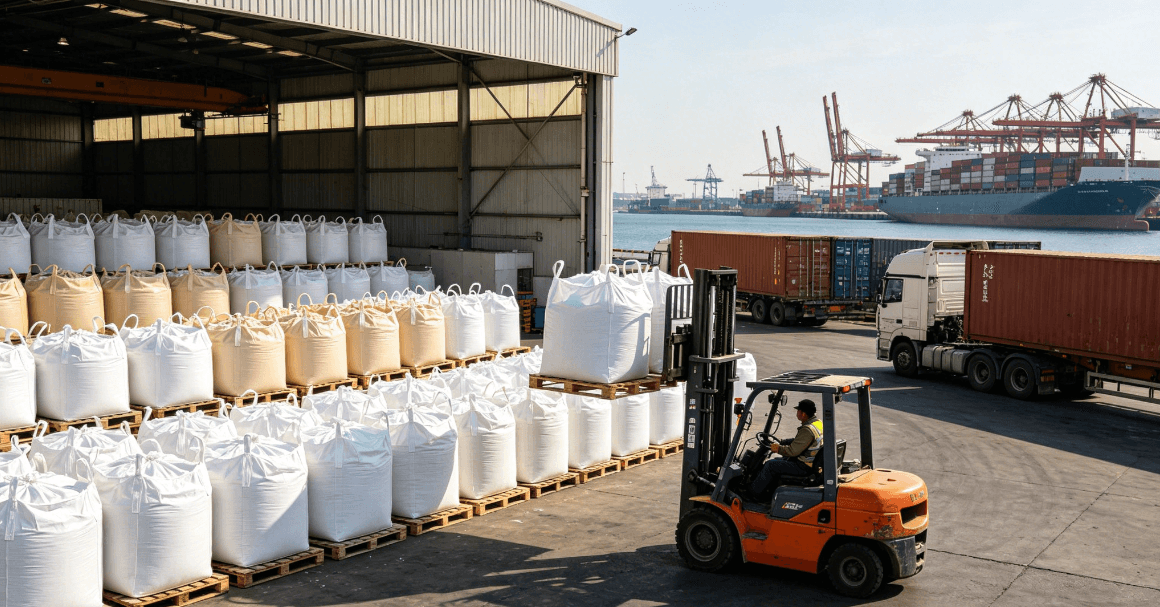
The bulk packaging industry is entering a more demanding phase. Agriculture, chemicals, mining, construction, food processing, and energy-related operations are all under pressure to move dry materials safely, efficiently, and with less disruption across longer and more complex supply chains.
For many years, bulk packaging decisions were driven mainly by price and load capacity. That approach is changing. Buyers are now paying closer attention to material protection, handling safety, storage conditions, operational efficiency, and supply reliability. These changes are reshaping the role of FIBC bulk bags in global material-handling systems.
Bulk Packaging Is Becoming an Operational Decision
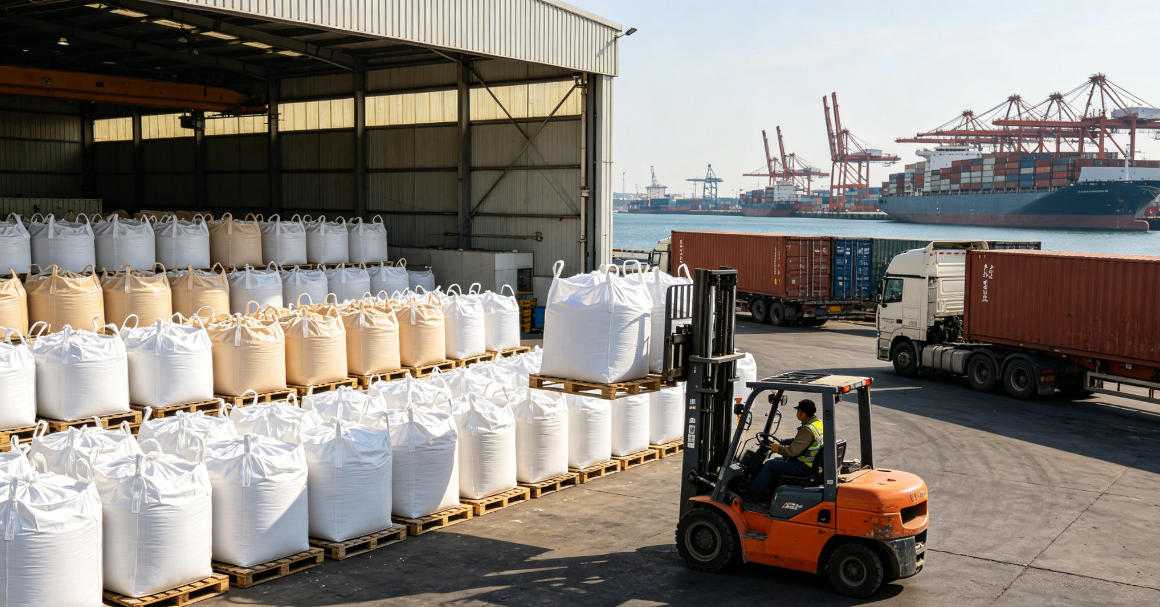
Bulk packaging is no longer only a purchasing item. It affects filling speed, warehouse utilization, transport costs, worker safety, product loss, and final delivery quality.
A bag that performs well in one application may not be suitable for another. Fine powders, food ingredients, fertilisers, minerals, chemicals, and aggregates all create different requirements for moisture protection, discharge control, dust containment, static management, and lifting methods.
This is why buyers are moving from standard bag purchasing toward application-based packaging selection. For a broader sourcing perspective, see the industrial bulk packaging buyer handbook.
Four Trends Shaping the FIBC Bulk Bag Industry
1. Greater Focus on Material Protection
Material protection has become more important as companies handle higher-value ingredients and face stricter quality expectations. Moisture, contamination, leakage, and dust can affect product quality and create additional handling costs.
As a result, coated FIBC bags, liners, and controlled filling and discharge designs are becoming more relevant in food, chemical, mineral, and specialty-material applications. Learn more about the difference between coated FIBC bags and FIBC liners.
2. Higher Expectations for Safe Handling
Safe handling is now a central part of bulk bag selection. Filling, lifting, transporting, stacking, and discharging all create potential risks when bag construction or operating procedures do not match the material and equipment.
Static electricity is especially important when handling fine powders or materials in sensitive environments. This has increased interest in Type B, Type C, and Type D FIBC bags, as well as clearer guidance on grounding, handling, and bag suitability. Buyers can review FIBC safety types A, B, C, and D and the specific role of Type D bags in powder and construction applications.
3. Demand for Better Warehouse and Transport Efficiency
Warehouse space, pallet utilization, container loading, and handling speed directly affect operating costs. Buyers increasingly look for bags that maintain a stable shape after filling, stack efficiently, and work smoothly with existing equipment.
Baffle bags, optimized dimensions, and suitable lifting configurations can support better space utilization and more controlled handling. The goal is not simply to carry more material, but to make the entire material-flow process more predictable. Read how baffle bags improve stable stacking.
4. Growth of Application-Specific Customisation
The market is moving away from one-size-fits-all packaging. Buyers increasingly require bag designs built around their material, fill weight, discharge process, storage conditions, and industry requirements.
| Industry Trend | Operational Challenge | FIBC Selection Impact |
|---|---|---|
| Material protection | Moisture, dust, contamination, leakage | Coated fabric, liners, controlled closures |
| Handling safety | Static hazards, lifting risks, unstable loads | Safety type, loop design, operating guidance |
| Logistics efficiency | Limited warehouse and container space | Bag dimensions, baffles, stackability |
| Customisation | Different materials and equipment | Top, bottom, capacity, fabric, and printing options |
Why FIBC Bulk Bags Remain Central to Bulk-Material Logistics
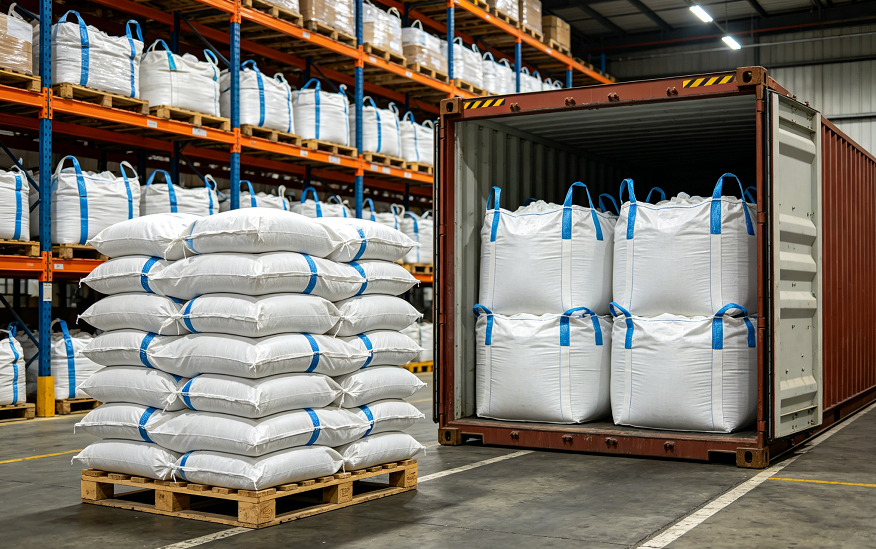
FIBC bags remain widely used because they combine high-volume storage with flexible handling. Empty bags can be folded for storage and can be designed around different filling, lifting, transport, and discharge processes.
Their value, however, depends on proper specification. A bulk bag should be treated as part of an operating system rather than as a standalone packaging item. The bag, material, forklift or crane method, filling line, storage environment, and discharge process all need to work together. For sizing guidance, see Understanding Bulk Bag Sizes.
Industry Applications Are Driving More Specialized Demand
Food and Agricultural Materials
Food ingredients, grains, seeds, and fertilisers often require attention to cleanliness, moisture management, storage duration, and filling efficiency. Depending on the material, buyers may consider liners, coated fabric, or designs that support more controlled discharge.
Agriculture also faces seasonal changes in material volumes and packaging demand. FIBC bags for agricultural storage and transportation and seasonal demand planning in agriculture and mining are increasingly relevant to procurement planning.
Chemicals and Fine Powders
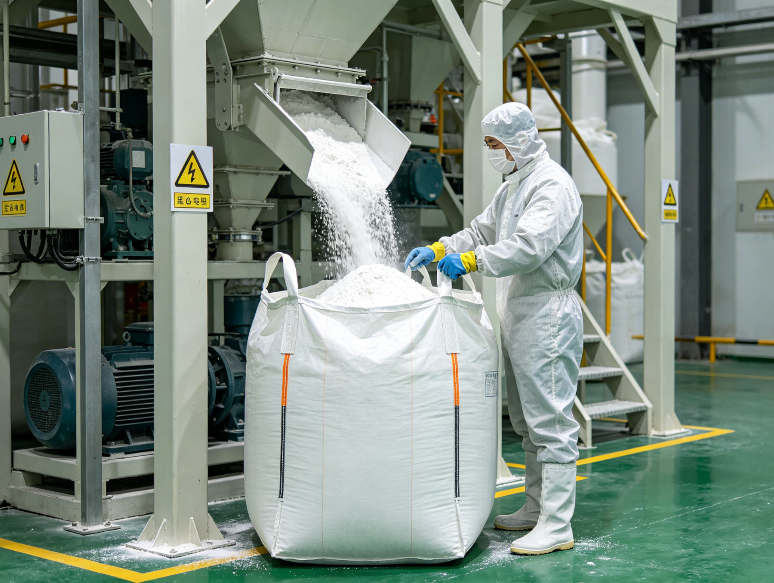
Chemical materials and fine powders can create concerns around dust, moisture, leakage, and electrostatic hazards. These applications often require more detailed technical communication between the buyer and manufacturer before a bag design is finalized.
Mining, Minerals, and Aggregates
Mining, mineral, construction, sand, and aggregate applications commonly prioritize load capacity, durable construction, lifting reliability, and efficient movement across demanding logistics environments.
Industrial and Oilfield Operations
Heavy-duty industrial applications may require bags that suit site-specific handling methods, material containment requirements, and static-control conditions. The right design depends on the material being packed and the operating environment.
What These Trends Mean for FIBC Bag Manufacturers
As buyer expectations rise, manufacturers are expected to do more than provide a standard product catalogue. They need to help customers translate operating requirements into a workable bag specification.
A capable manufacturer should be able to discuss material characteristics, bag construction, fabric options, lifting loops, filling and discharge methods, liners, static-control needs, and application-specific risks. Explore FIBC World’s product range or discuss an application-specific design through its custom FIBC service.
From Industry Trend to Practical Bag Selection
For buyers, the first step is to define the application clearly:
What material will be packed?
What fill weight and volume are required?
How will the bag be filled, lifted, stored, transported, and discharged?
Is protection from moisture, dust, contamination, or static electricity required?
Does the bag need to stack efficiently or fit a particular warehouse or container layout?
Once these questions are answered, the bag design becomes easier to evaluate.
Safety Types Should Be Selected by Application
FIBC safety types are often discussed as A, B, C, and D bags. Their selection should be based on the material and operating environment, not simply on product preference.
Type A bags do not provide static protection. Type B bags are designed to reduce certain static-related risks. Type C conductive bags require proper grounding during use. Type D bags use static-dissipative technology and must be selected for conditions that match their intended use.
The key point is that static control is not an isolated product feature. It is part of the wider handling process, including material properties, equipment, grounding practices, and the work environment.
Custom FIBC Bags Support Better Process Control
Custom FIBC bags can be designed with different constructions, including U-panel, circular, four-panel, and baffle bags. Buyers can also choose open tops, duffle tops, filling spouts, flat bottoms, discharge spouts, standard loops, or single- and two-loop lifting systems.
These options should be selected because they solve a practical handling or protection requirement. For example, liners can support material protection, baffles can improve shape retention, and discharge spouts can support more controlled emptying. For applications requiring internal protection, explore Inner Lining Ton Bags; for agricultural materials that need airflow, consider Breathable Ton Bags.
The Manufacturer’s Role in a Changing Market
The best manufacturing relationship is built on clear technical communication. Buyers should provide as much information as possible about the material and operating process, while manufacturers should turn that information into a practical and repeatable packaging solution.
As the bulk packaging industry continues to emphasize safety, efficiency, customisation, and supply stability, the value of an FIBC manufacturer will increasingly depend on this ability to understand the application behind the order.
Conclusion
The FIBC industry is evolving from standard bulk packaging toward more application-specific solutions. Material protection, static control, warehouse efficiency, and customised handling designs are now shaping buyer decisions across multiple industries.
For buyers, choosing the right FIBC bulk bag manufacturer is therefore not only about sourcing a bag. It is about selecting a packaging partner that can help align material requirements, handling conditions, and logistics objectives into a reliable bulk packaging solution. For project-specific advice or a custom quotation, contact FIBC World.
Related News
Other news you might be interested in
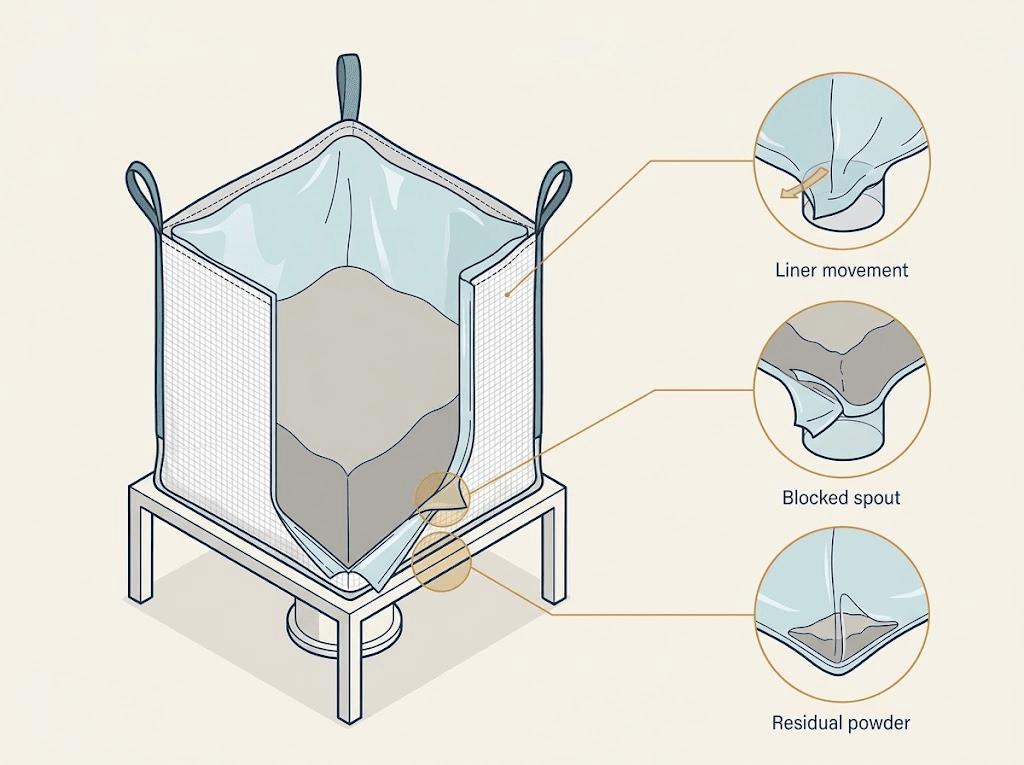
FIBC Liner Discharge Problems: A Buyer’s Checklist for Liner Movement, Blocked Spouts and Residual Powder
A lined bulk bag reaches the production line, but the powder stops flowing before the bag is empty. The liner moves towards the outlet, material remains in the bottom corners, or operators need repeated assistance to finish unloading.For buyers ordering FIBC liners, the useful question is: what information will help the packaging supplier and equipment provider identify the cause and agree on a better specification?Start by reviewing the material, liner, outer bag and discharge equipment together. Liner fit, folds, outlet configuration and product flow characteristics can all affect emptying performance.
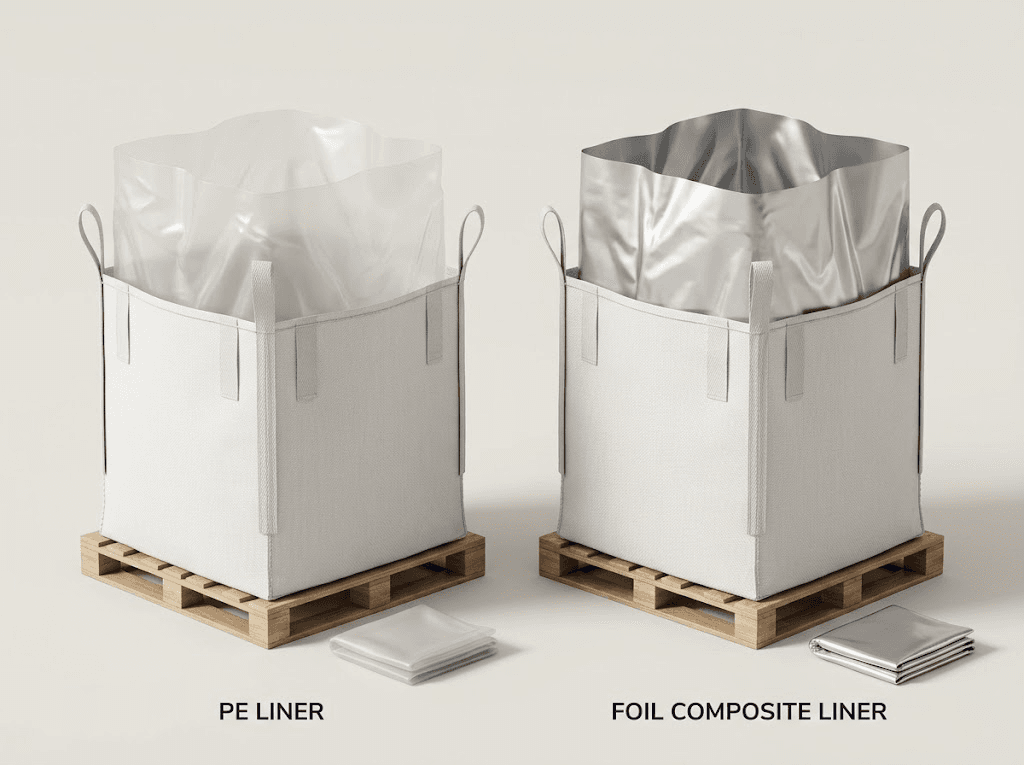
PE vs Aluminum Foil FIBC Liners for Moisture-Sensitive Powders: A Buyer’s Checklist
Choosing a liner for a moisture-sensitive powder starts with a practical question: what protection does the material need throughout filling, transport, storage and discharge?A request for “moisture proof bulk bags” gives a supplier a starting point, but it does not define an acceptable package. A PE liner may meet the requirement. An aluminum foil composite liner may be worth evaluating when the product needs a stronger moisture barrier, oxygen protection or light protection. The decision should follow the actual material specification, closure arrangement and trial results.This checklist helps buyers compare the options and prepare an enquiry for FIBC liners without relying on a material name alone.
Want to know more?
Get in touch with us for more information about our services and products.