
What Is a Ventilated FIBC Bag?

Dayang Yang
AuthorWith experience in FIBC bulk bag manufacturing and export sales, we operate our own production facility with stable large-scale capacity. We are specialists in bulk bags, conductive FIBCs, food-grade FIBCs, UN certified bags, and customized flexible intermediate bulk containers for industrial packaging and bulk material transportation solutions.
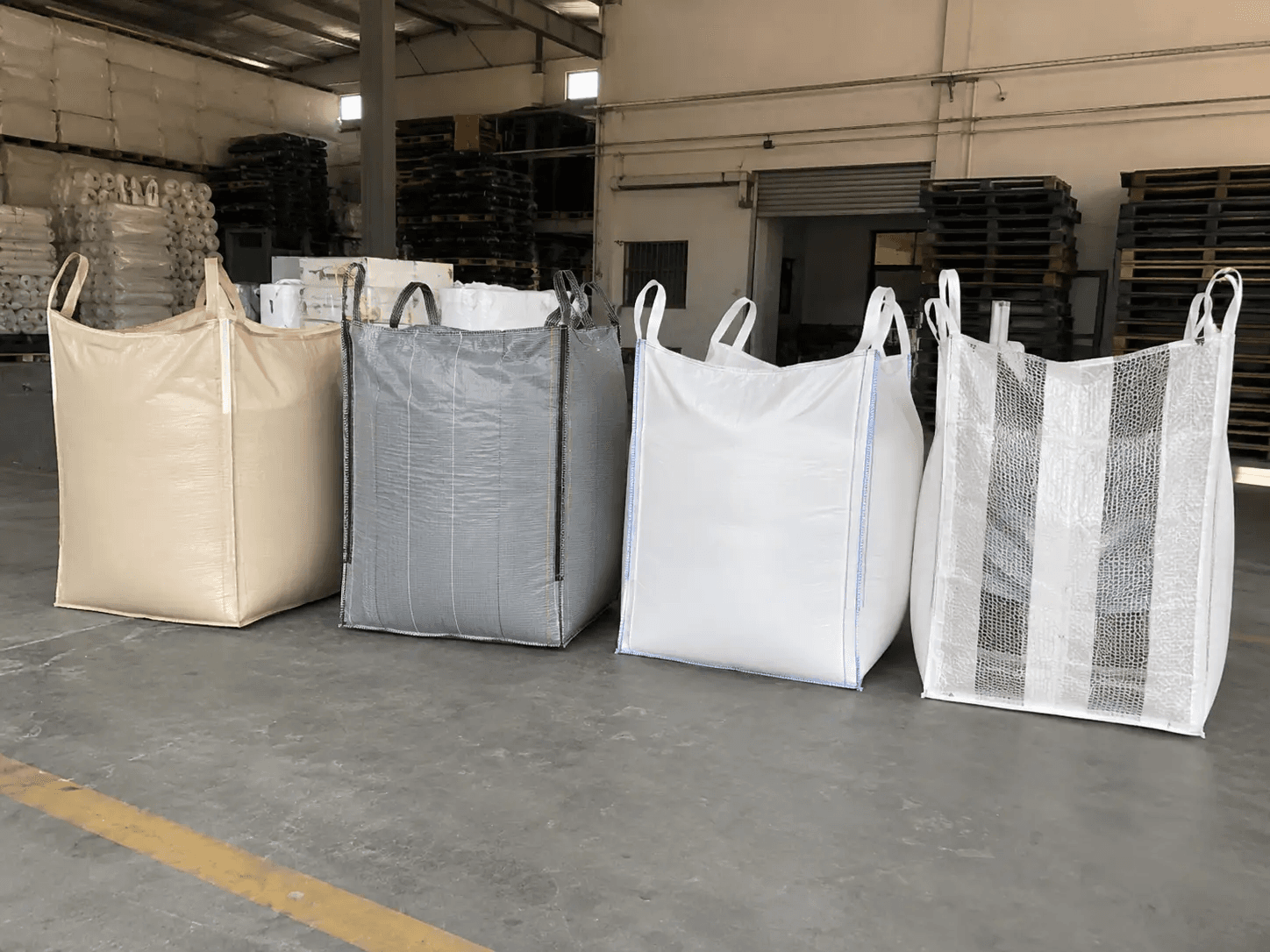
Ventilated FIBC bags, also known as ventilated bulk bags or fibc ventilated bags, are large, breathable packaging containers designed to keep products like fruits, vegetables, grains, and wood logs fresh during storage and transport. In short, they are Flexible Intermediate Bulk Containers (FIBCs) made with ventilated fabric that allows continuous air circulation, preventing moisture buildup and maintaining the quality of perishable goods. These ventilated FIBC bags are a practical solution for industries that deal with natural, organic, or moisture-sensitive materials. For the most demanding handling requirements, you can explore our full collection of FIBC BIG BAG products.
In this article, you’ll learn what makes ventilated FIBC bags unique, how they work, and why they’re essential in modern logistics, agriculture, and food supply chains.
Understanding Ventilated FIBC Bags
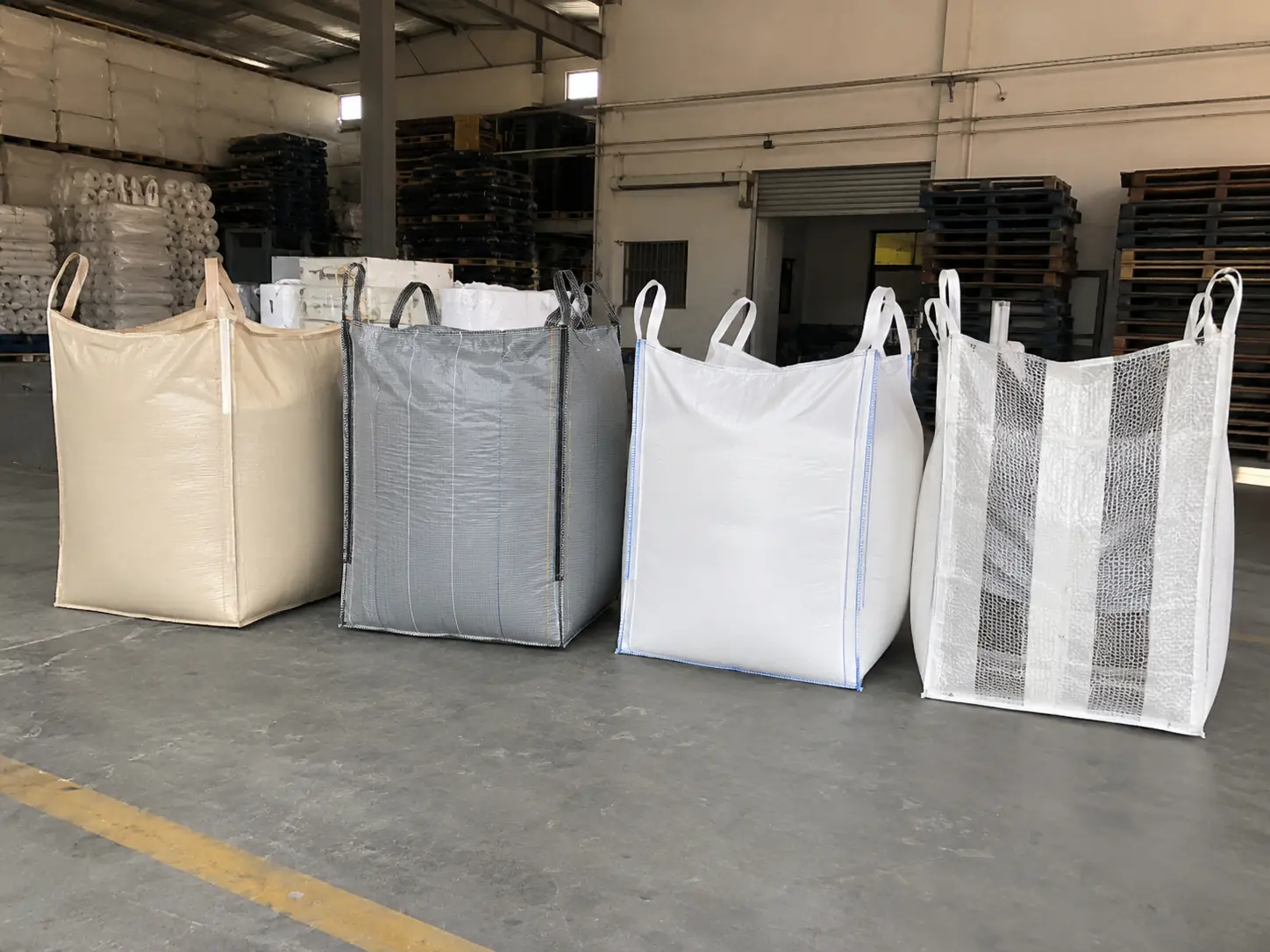
To answer the question, “What is a ventilated bag?”, it’s a type of bulk packaging made from polypropylene woven fabric with strategically placed air vents. These openings allow airflow through the contents, which helps prevent condensation, mold, and spoilage.
Unlike standard FIBCs, which are solid and moisture-resistant, ventilated FIBC bags are designed for breathable storage.
They are typically made of:
Ventilated fabric: polypropylene panels with woven gaps that let air pass through.
Net fabric or mesh sides: improve ventilation and speed up drying.
UV-stabilized coating: ensures durability even under sunlight.
Reinforced loops and seams: provide strength for heavy loads.
These features make ventilated bulk bags ideal for storing and transporting agricultural produce, wood logs, nuts, beans, and similar products that require natural drying.
Why Ventilation Matters in Bulk Packaging
Airflow plays a crucial role in keeping perishable items safe. When food or organic materials are stored in airtight containers, moisture can accumulate, causing bacterial growth, mold, and unpleasant odors. Ventilated FIBC bags solve this by promoting constant air exchange, keeping the product fresh for longer periods.
Here’s how they help:
Prevents spoilage: Moisture is one of the biggest threats to fresh produce. Air circulation removes trapped humidity and keeps goods dry.
Maintains quality: Continuous ventilation reduces temperature fluctuations during storage and transport.
Reduces waste: By extending shelf life, farmers and distributors experience fewer product losses.
For example, storing potatoes or onions in fibc ventilated bags keeps them firm, dry, and market-ready, even during long shipping cycles.
Key Features of Ventilated FIBC Bags
Modern ventilated fabric is engineered to perform under tough environmental conditions. Below are its most notable characteristics:
Breathable Design
The sides of the bag have multiple ventilation strips or net panels that promote consistent air movement. Some designs combine two ventilated panels and two net panels for maximum airflow.
UV Resistance
Made from UV-stabilized polypropylene, these bags resist sunlight degradation — an important feature for products stored outdoors.
Durability and Strength
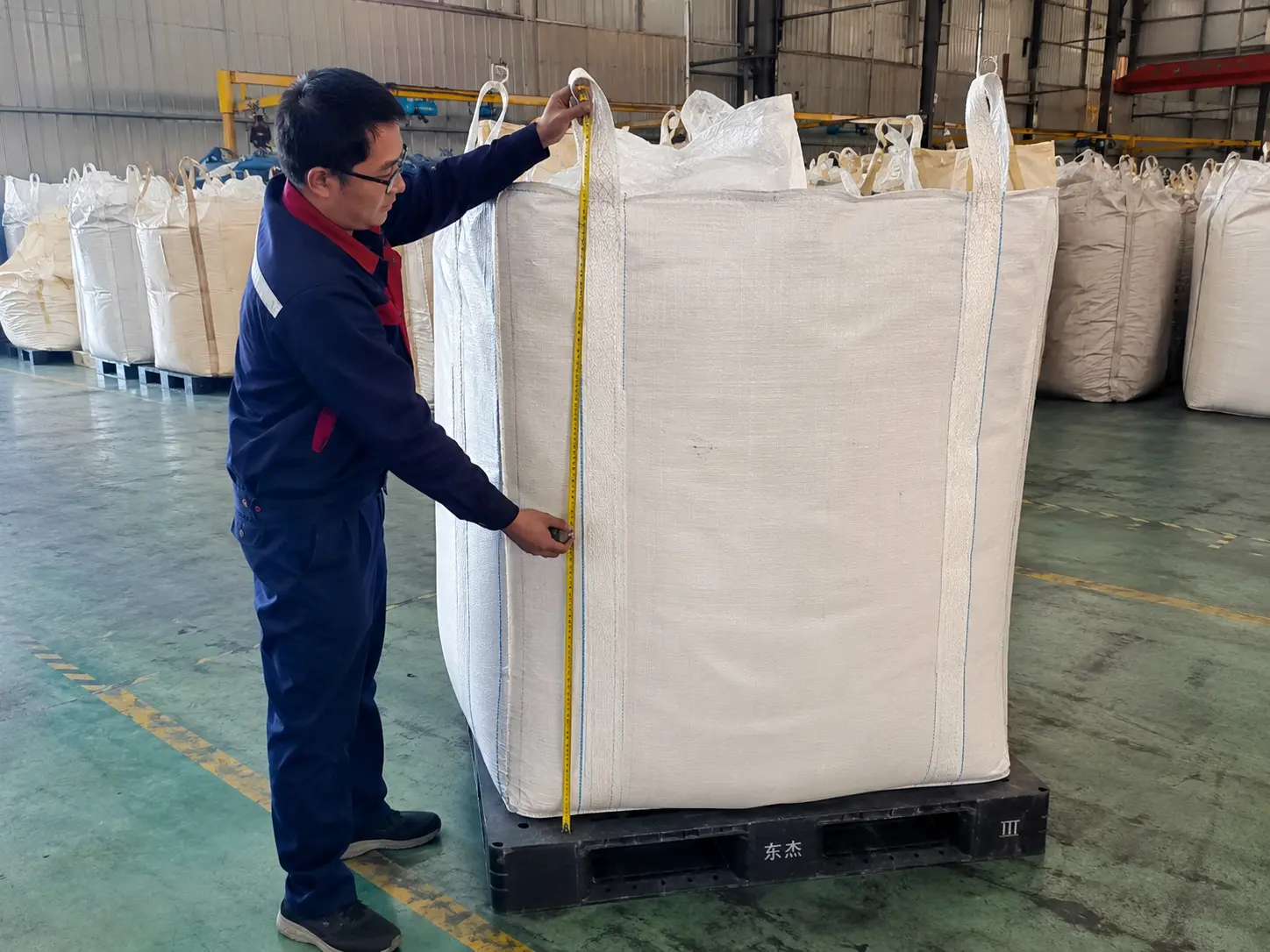
Each bag can carry loads of 500 to 2000 kg or more, thanks to reinforced stitching and woven construction. Despite being breathable, they maintain the same structural integrity as standard FIBCs.
Eco-friendly and Recyclable
Most ventilated bulk bags are made from single-polymer materials, making them reusable and recyclable. This aligns with sustainability efforts in the global packaging and logistics industries.
Customizable Design
As Fibcworld Group highlights, customization is key in packaging. Clients can choose specific dimensions, panel combinations, fabric density, or loop styles to match their supply chain requirements.
Applications of Ventilated Bulk Bags
Ventilated FIBC bags are widely used across industries that depend on natural airflow and moisture control.
| Industry | Common Uses |
| Agriculture | Storing onions, potatoes, carrots, nuts, and grains. |
| Forestry | Drying and transporting firewood or wood pellets. |
| Food Processing | Transporting semi-dried products like beans and seeds. |
| Horticulture | Handling compost, soil, and biodegradable materials. |
These bags also play a major role in export logistics, ensuring products arrive at their destination fresh, dry, and safe, especially in regions with fluctuating humidity levels.
How Ventilated FIBC Bags Support Food Safety
Maintaining hygiene and freshness is not just about packaging; it’s about compliance and control. High-quality fibc fabric from certified manufacturers ensures that bags meet food-grade standards such as BRCGS and ISO9001. These certifications confirm that the bags are produced in clean facilities under strict inspection systems.
Additionally:
Each bag can have a QR code for traceability, helping identify its manufacturing batch and origin.
On-site inspections and sampling ensure the fiber strength and air permeability meet the desired standards.
OHSAS and ISO14001 certifications guarantee environmentally safe and worker-friendly production processes.
This attention to detail gives businesses confidence that their packaging won’t compromise food safety. For packaging dry goods like tea, specific liners, such as a dedicated 1KG PE BAG liner inside the ventilated bag, might be used.
Benefits of Choosing Ventilated Fabric Solutions
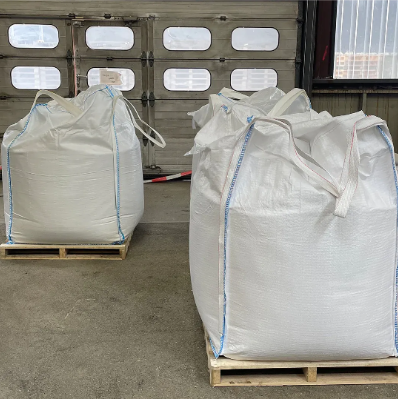
If you’re in the agriculture, food, or wood industry, ventilated FIBC bags bring several tangible advantages:
Preserves freshness – keeps products dry and odor-free.
Minimizes losses – reduces spoilage during transport.
Saves energy – eliminates the need for mechanical drying systems.
Reusable and sustainable – made from recyclable materials.
Customizable – available in multiple shapes, sizes, and fabric strengths.
When paired with the right storage environment, these bags become an efficient, eco-friendly solution for both small farmers and global distributors.
Why Choose RUNCHEN Group for Ventilated FIBC Bags
With over two decades of packaging expertise, RUNCHEN Group is a trusted manufacturer of PP woven bags, BOPP bags, PE film bags, and FIBC big bags. The company integrates advanced machinery, strict quality control, and flexible customization to ensure every client receives durable, high-performance solutions.

Their capabilities include:
Over 72,000 m² of production space with automated systems.
Certified food-grade packaging compliant with global standards.
Endless customization options, from size and color to bag function and layout.
Quick response and global delivery support.
If your business requires reliable, breathable, and sustainable bulk packaging, RUNCHEN’s collection of ventilated FIBC bags provides the perfect balance of strength, airflow, and efficiency.
Conclusion
Ventilated FIBC bags are more than just containers; they’re smart, breathable packaging solutions that protect product freshness and reduce waste. Whether you’re shipping onions, storing wood logs, or managing agricultural exports, these ventilated bulk bags ensure safety, durability, and sustainability at every step. Fibcworld Group continues to empower global businesses with high-quality packaging solutions, offering customizable ventilated FIBC bags tailored to your exact needs.
Related News
Other news you might be interested in
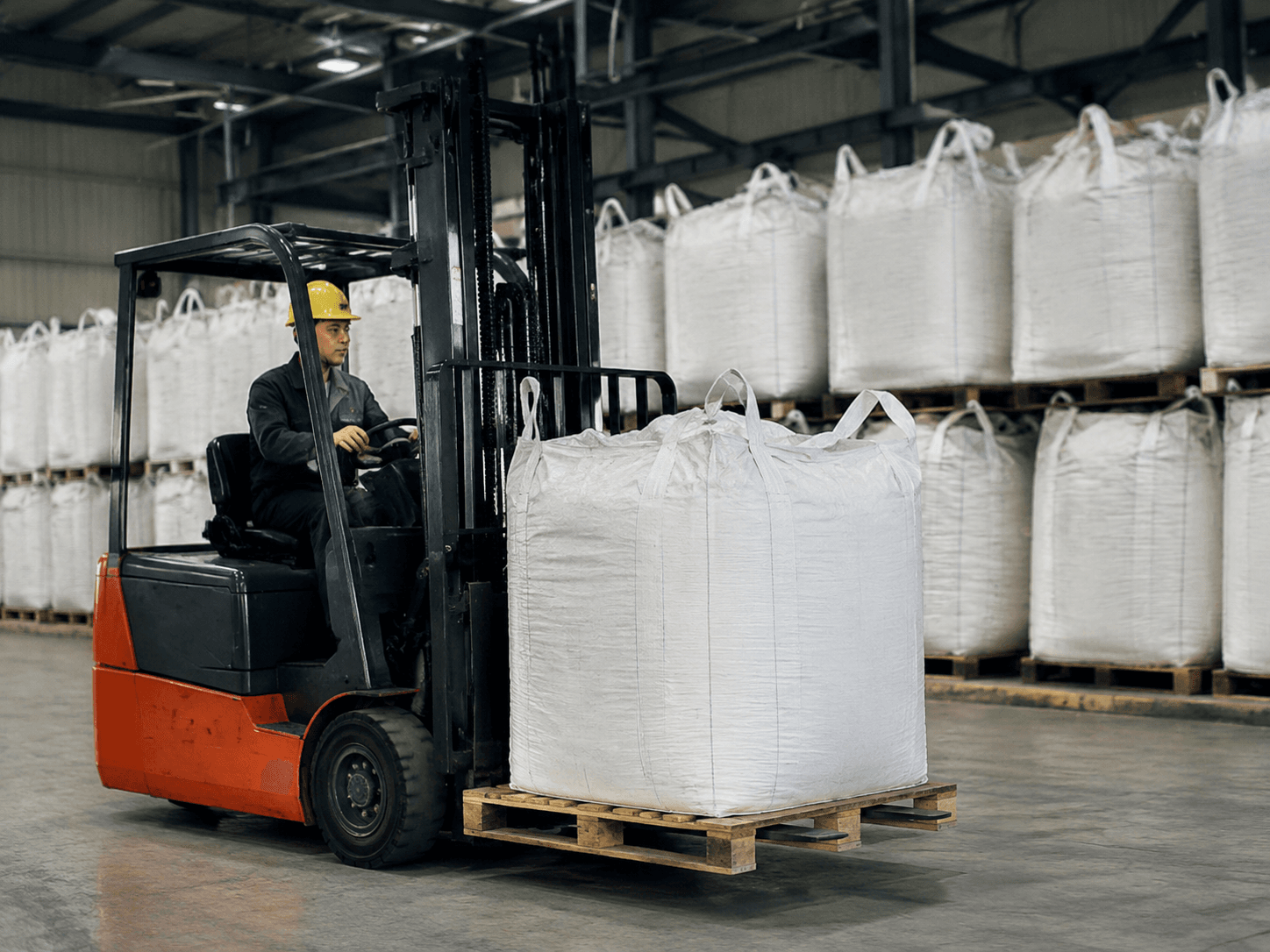
Woven Polypropylene FIBC Bulk Bags: How Material, Construction and Coating Affect Bulk Packaging Performance
In global bulk-material supply chains, FIBC bulk bags have developed from simple transport containers into important logistics tools connecting production, warehousing, loading, unloading, and end use. Their actual performance depends not only on capacity, but also on woven polypropylene, bag construction, coating, liners, safety factors, and the application environment. For the food, chemical, agricultural, mining, and construction-material industries, selecting the right FIBC bulk bags affects load-bearing performance, material loss, transport efficiency, warehouse space, and operational safety.
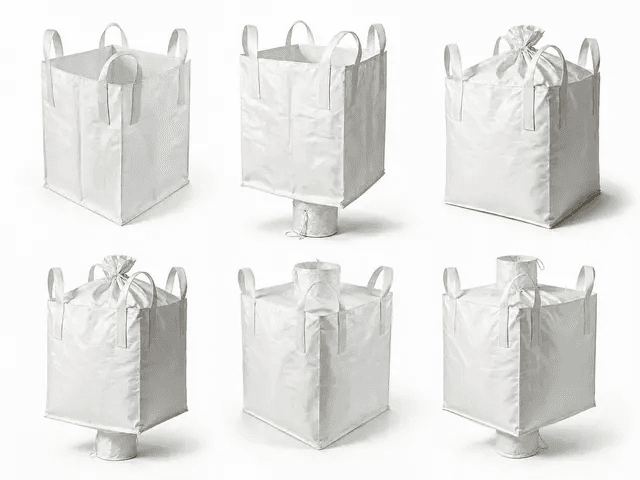
Chemical Grade Bulk Bags: How to Select the Right Flexible Intermediate Bulk Containers (FIBC) for Chemicals, Powders, and Hazardous Materials
Bulk materials used in the chemical industry often have characteristics such as fine particle size, high flowability, strong moisture absorption, a tendency to cake, or a high risk of electrostatic charge buildup. For chemicals, powder materials, and certain hazardous materials, packaging does more than hold the product—it directly affects material quality, workplace safety, and transportation reliability.
Want to know more?
Get in touch with us for more information about our services and products.