
FIBC Insights, Trends & Case Updates
Track market shifts, certification updates, and factory-side know-how that helps buyers reduce risk and improve margins.
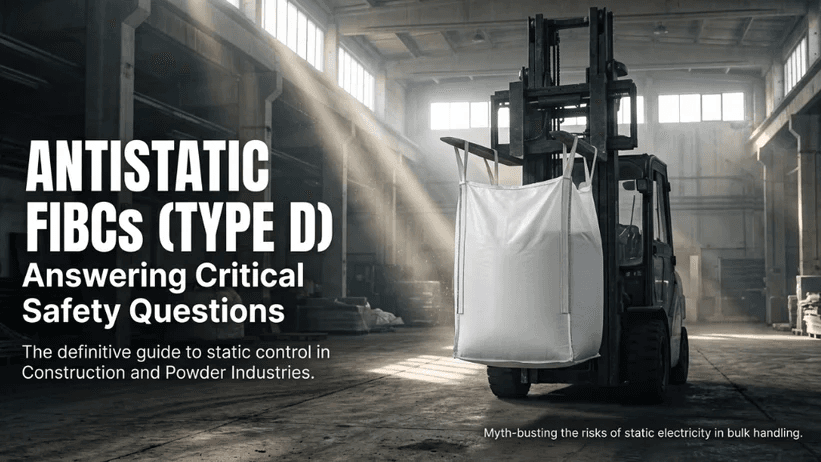
Antistatic FIBCs: When Are Type D Bags Mandatory in the Construction and Powder Industries?
Type D bags become mandatory when fine powders, airborne dust, or charged materials create static-electricity hazards during filling, emptying, transport, or storage. These risks appear often in construction and powder industries, where dry granular materials generate static through friction.
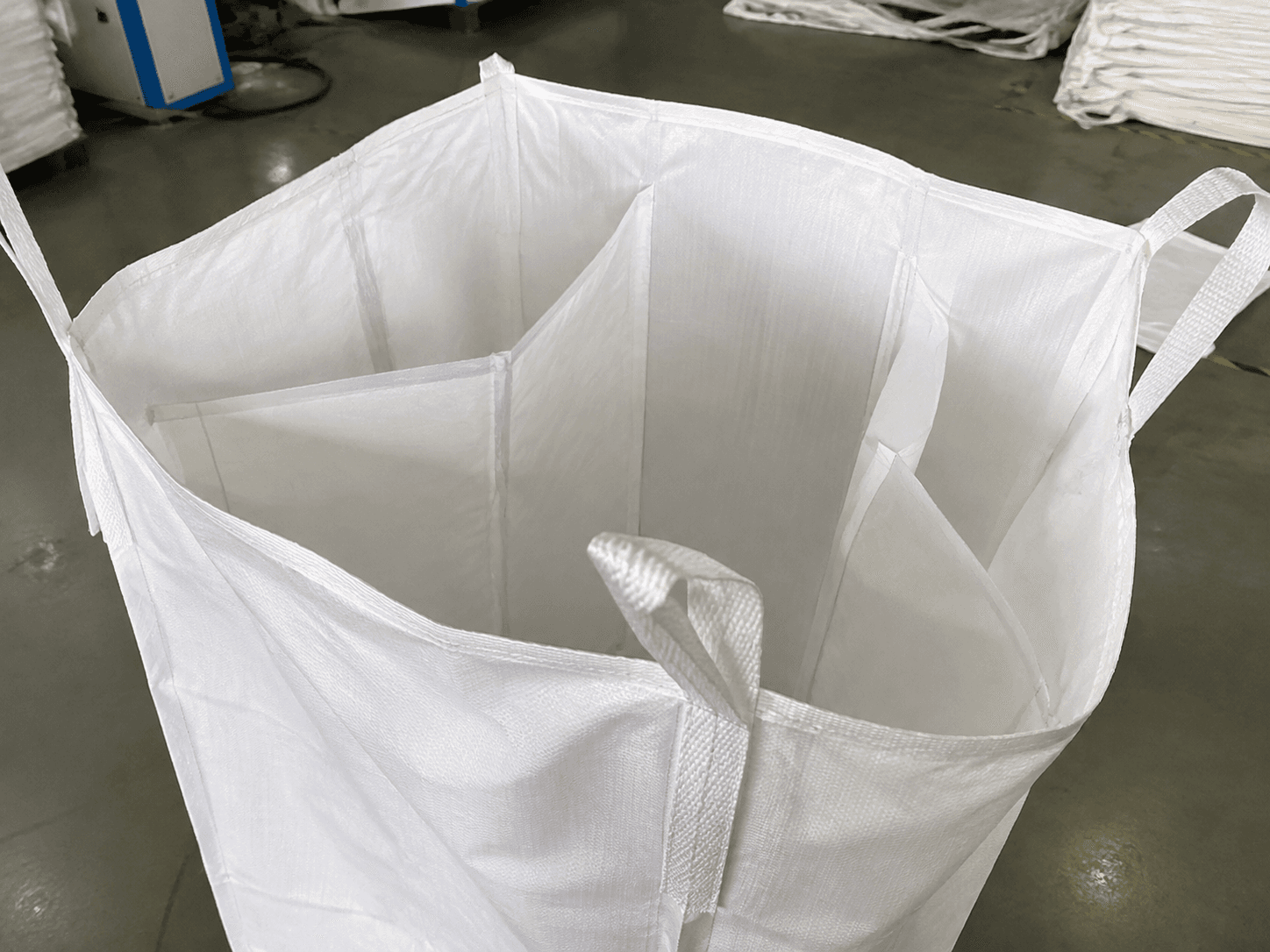
Baffle Bags vs Standard FIBC Bags: When Stable Stacking Matters
For buyers moving powders, granules, minerals, food ingredients, or plastic resins, a bulk bag is more than a container. Its shape affects pallet use, warehouse space, container loading, handling stability, and the condition of material at discharge.The choice between baffle bags and standard FIBC bags should start with the handling process, not appearance. A standard bag may be the practical choice for straightforward transport. A baffle bulk bag becomes valuable when a buyer needs a more controlled, square profile after filling and more reliable stable stacking.
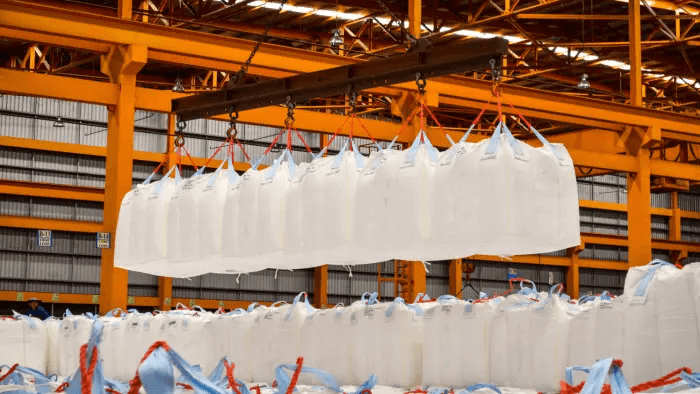
Types of FIBC Bulk Bags: A, B, C & D Explained
FIBC bags, which stand for Flexible Intermediate Bulk Containers, are changing the way bulk materials are handled in different sectors. Made from woven polypropylene, these large and flexible containers can carry a weight of up to 300 times their own which makes it an effective, affordable and environmentally friendly option for the transportation and storage of flowable dry products.
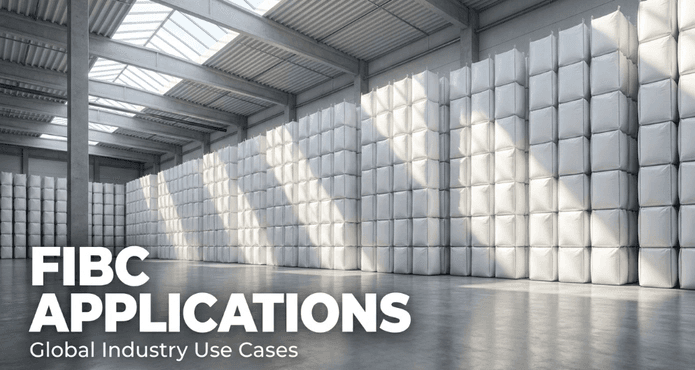
Top 10 Industry Applications of FIBC Bags: Use Cases From Agriculture to Chemical Processing
FIBC bags move and store dry, flowable materials across many major industries. These include agriculture, construction, chemical processing, and mining. They are also used in food production, pharmaceuticals, recycling, and logistics.
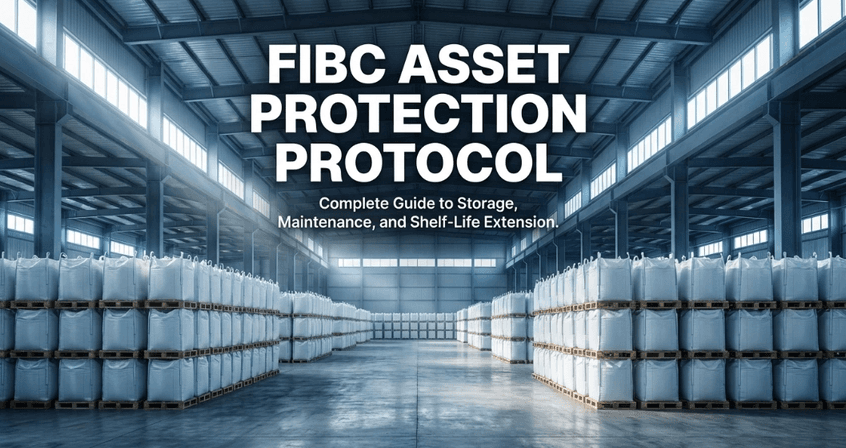
Complete Guide to FIBC Storage and Maintenance: How to Extend the Shelf Life of Bags and Prevent Degradation
Storing flexible intermediate bulk containers correctly is the simplest way to extend their service life and prevent early wear. The key is controlling UV exposure, humidity, stacking pressure, and handling practices.
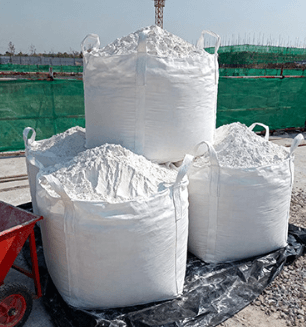
Why Reliable FIBC Partners Matter More Than Ever
Global industrial supply chains are facing unprecedented instability in 2026. Frequent geopolitical conflicts, volatile ocean freight costs, port congestion, raw material price surges, and inconsistent factory output have left countless manufacturing and trading enterprises struggling with delayed shipments, unstable product quality, and intermittent production shutdowns.
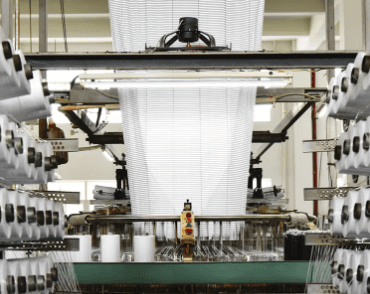
How to Select the Proper FIBC Bulk Bag According to Your Packaging Requirements
When it comes to storing and transporting bulk materials, FIBC bulk bags—also known as jumbo bags or ton bags—offer one of the most efficient and cost-effective packaging solutions available. But not all Bulk Bags are the same. Choosing the right type is critical for industries such asconstruction, mining, or global trade, where materials are heavy, abrasive, or require safety compliance. In this article, we’ll break down key factors to consider when selecting the ideal FIBC bag for your business, and how working with a trusted China bulk bag manufacturer can help you avoid costly mistakes.
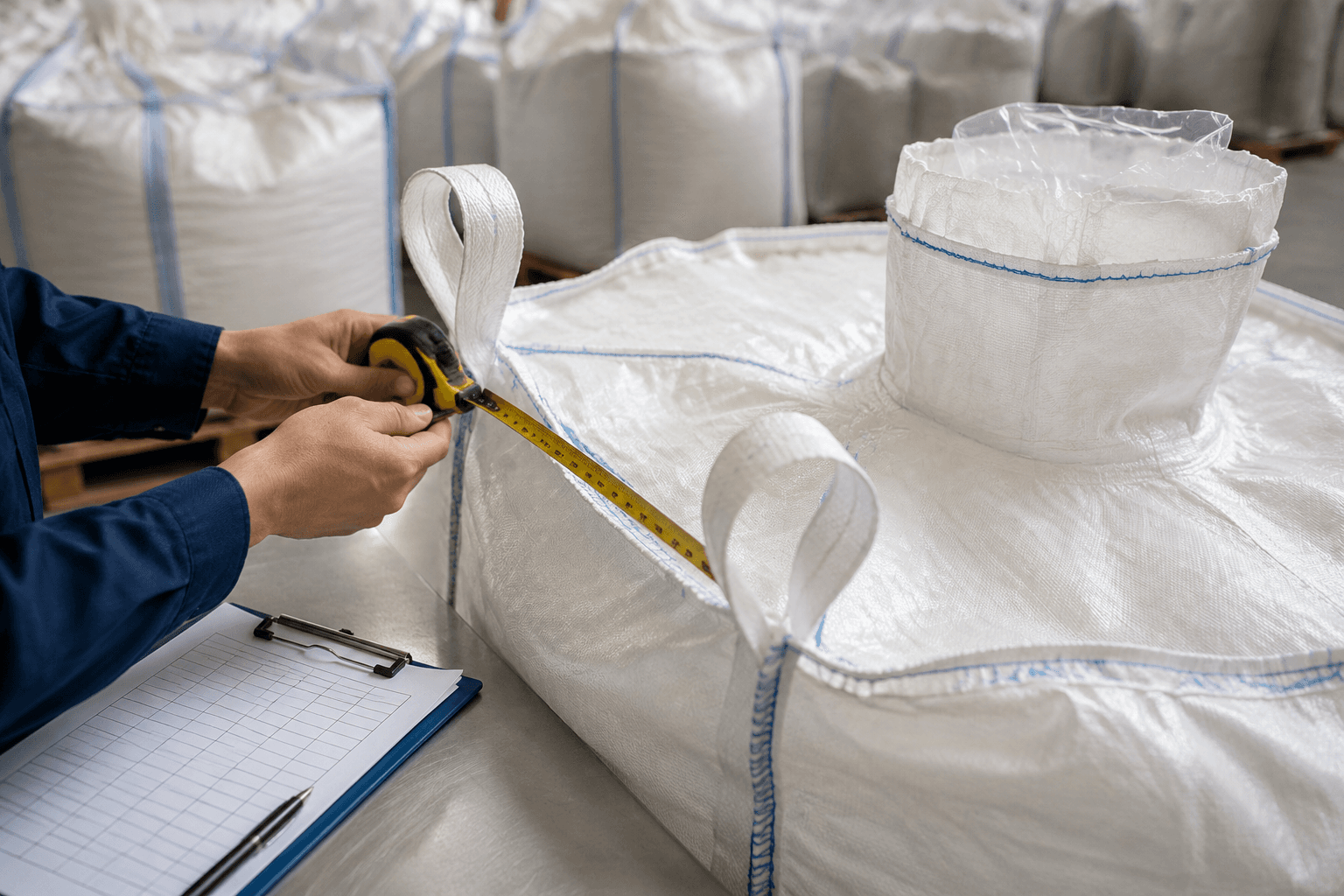
Why the Future of Bulk Packaging Is Moving Toward Customized FIBC Solutions
Global industries are continuously improving their requirements for bulk material transportation. Traditional packaging methods may not always meet the specific needs of different materials, operating environments and handling processes.
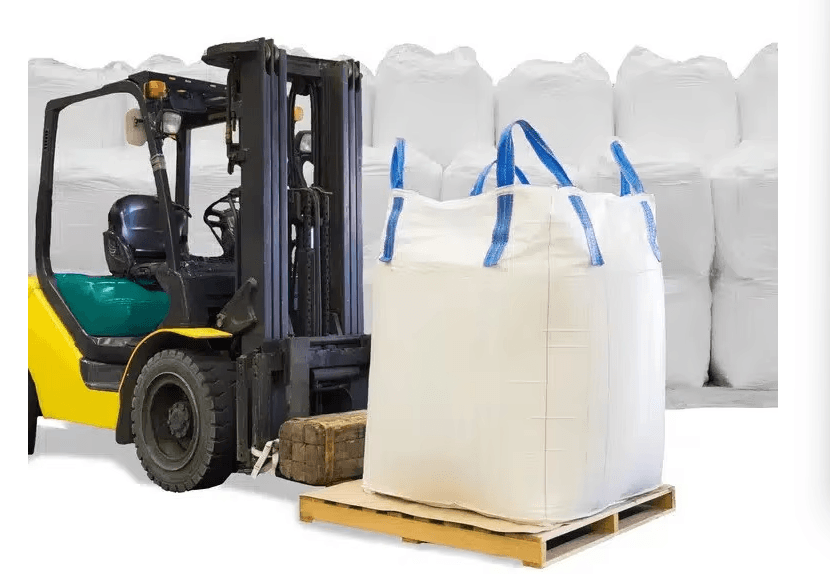
High-Quality Custom FIBC Bag Manufacturer in China
In 2026, demand for industrial packaging continues to grow across the chemical, mining, plastics, food ingredient, and new energy material industries. More importers, distributors, and industrial companies are looking for a high-quality custom FIBC bag manufacturer in China that can offer competitive pricing. Buyers need more than standard FIBC bulk bags; they also need stable quality, reliable lead times, and professional export support.