
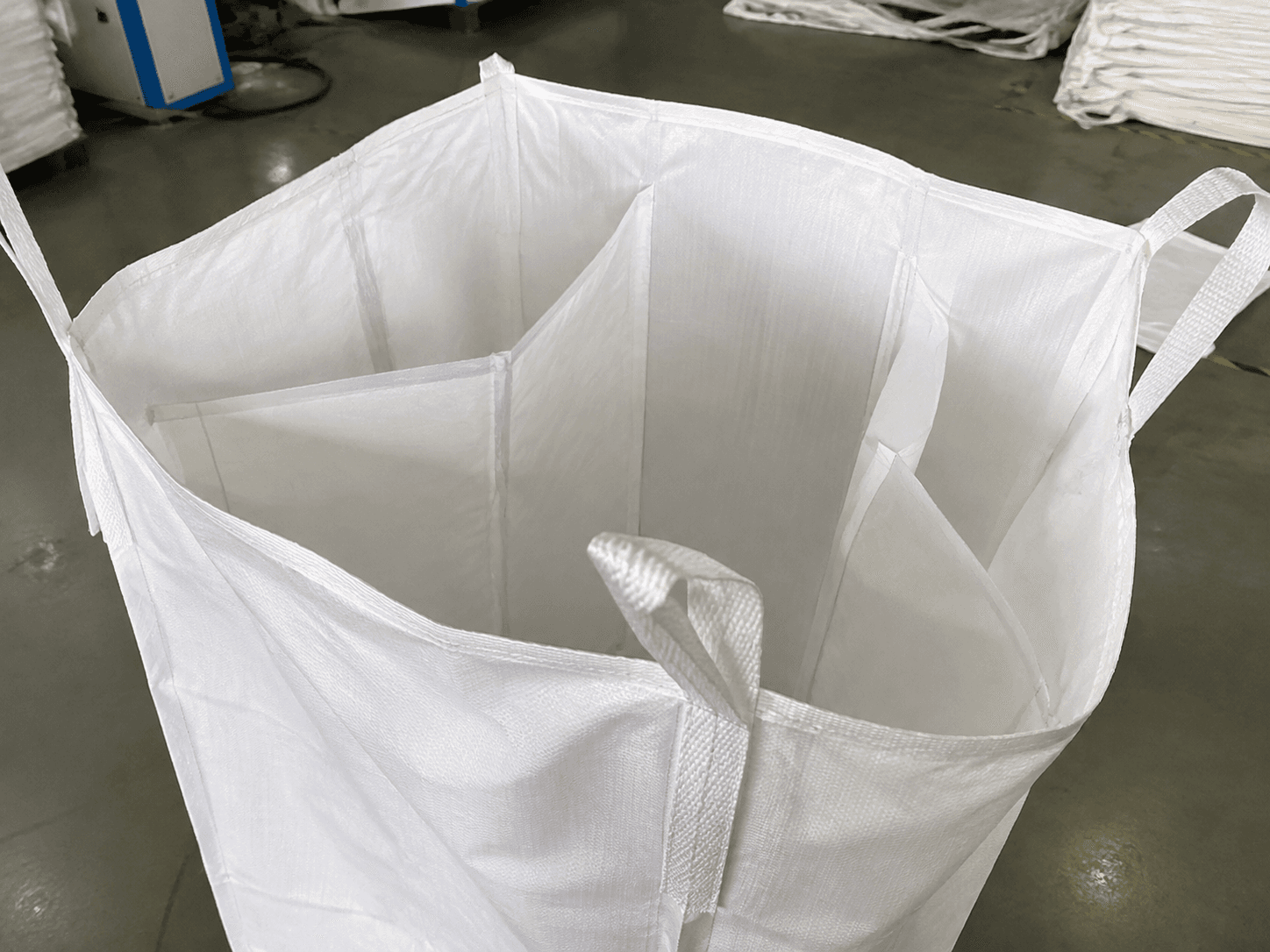
Baffle Bags vs Standard FIBC Bags: When Stable Stacking Matters

Dayang Yang
AuthorWith experience in FIBC bulk bag manufacturing and export sales, we operate our own production facility with stable large-scale capacity. We are specialists in bulk bags, conductive FIBCs, food-grade FIBCs, UN certified bags, and customized flexible intermediate bulk containers for industrial packaging and bulk material transportation solutions.
For buyers moving powders, granules, minerals, food ingredients, or plastic resins, a bulk bag is more than a container. Its shape affects pallet use, warehouse space, container loading, handling stability, and the condition of material at discharge.
The choice between baffle bags and standard FIBC bags should start with the handling process, not appearance. A standard bag may be the practical choice for straightforward transport. A baffle bulk bag becomes valuable when a buyer needs a more controlled, square profile after filling and more reliable stable stacking.
What Is the Difference Between Baffle Bags and Standard FIBC Bags?
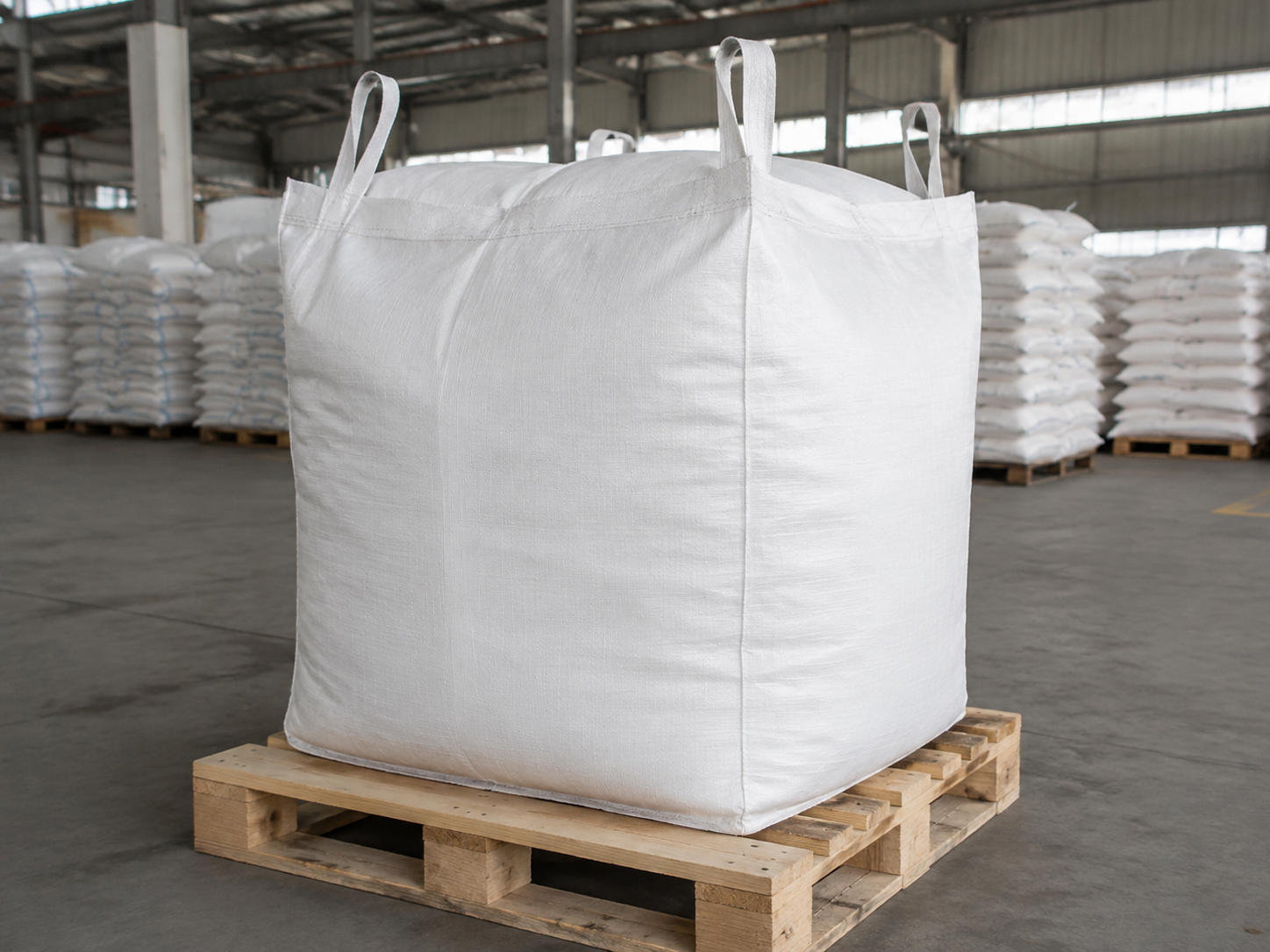
Standard FIBC bags use a conventional body construction. When filled, the fabric can expand outward, producing a rounded or pillow-shaped profile. This design suits many dry bulk materials and supports a broad range of top, bottom, loop, liner, and printing options.
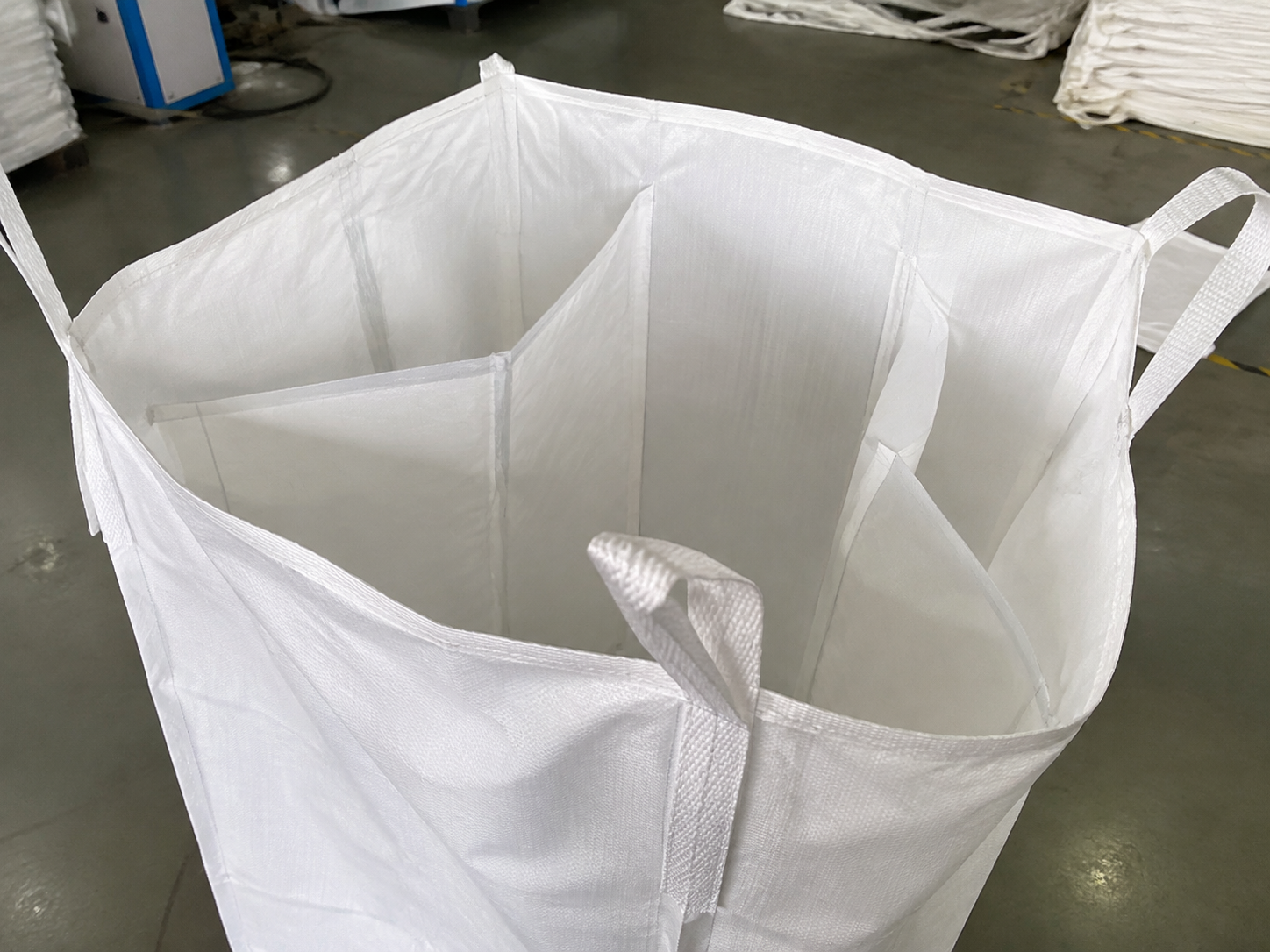
Baffle bags, also called baffle bulk bags, include internal fabric panels that connect the bag walls. These baffles control outward expansion during filling and help the filled bag retain a more square or rectangular footprint. The exact baffle design can be adapted to the material flow and intended bag shape.
| Selection point | Standard FIBC bags | Baffle bags |
|---|---|---|
| Filled profile | May expand outward depending on the material | More controlled, square-sided profile |
| Pallet footprint | Can require more variable space | Better suited to defined pallet footprints |
| Bulk bag stacking | Suitable when moderate shape variation is acceptable | Useful where consistent stacking geometry matters |
| Best fit | General transport and conventional handling | Storage density, container efficiency, and stable palletized loads |
| Design complexity | Simpler body construction | Internal baffle construction requires a more detailed specification |
A baffle design does not automatically increase safe working load (SWL) or replace proper handling controls. Load performance still depends on fabric construction, sewing, lifting loops, safety factor, cargo characteristics, and the final approved specification.
When Does Stable Stacking Matter Most?
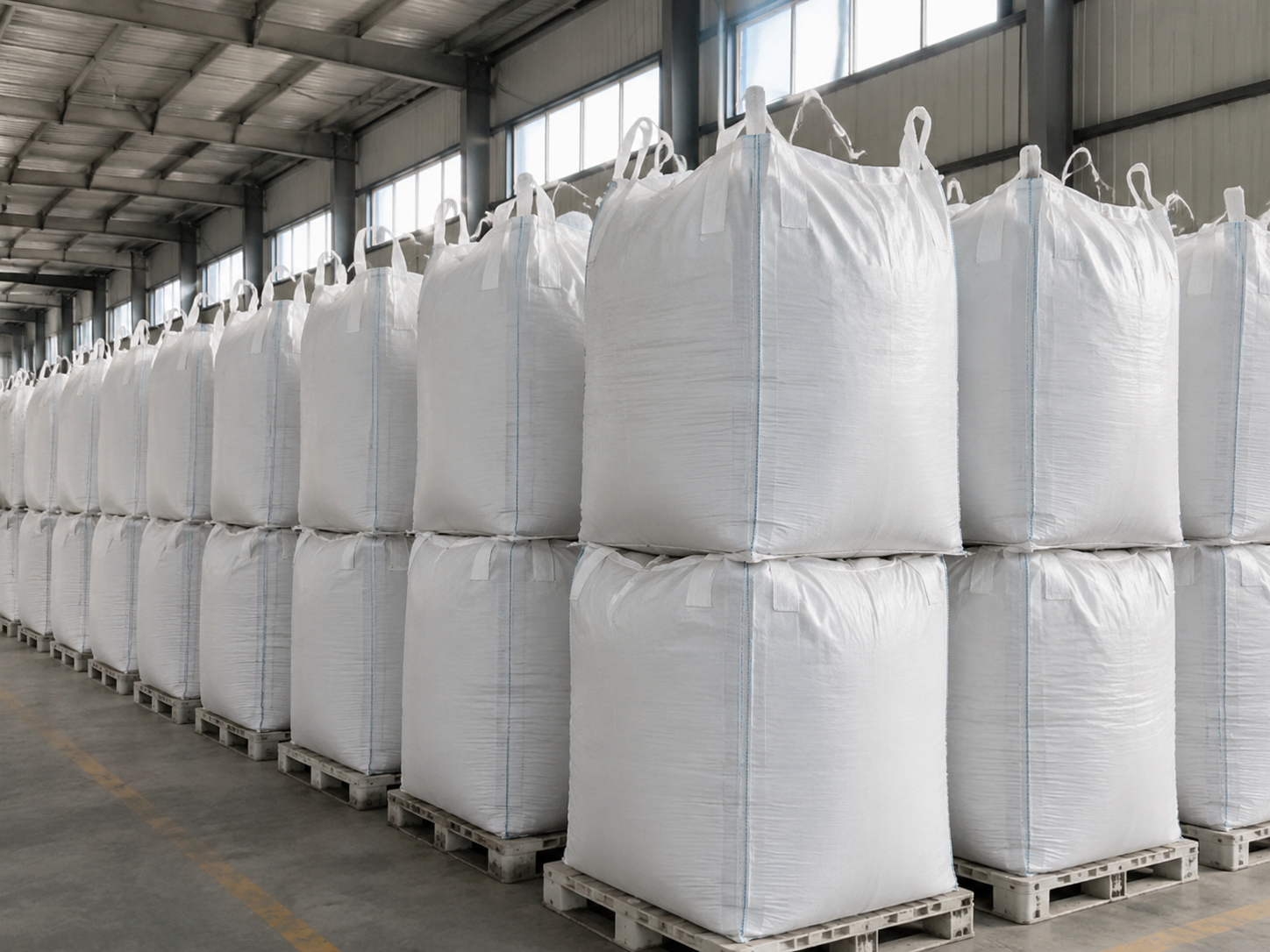
A square-filled bag can reduce wasted space between units when buyers store or ship large volumes. This is especially relevant when the operation has fixed pallet sizes, rack locations, container loading plans, or stack-height targets.
Consider baffle bags when your operation involves:
Fine, free-flowing powders or granules that cause conventional bags to bulge outward
Tight warehouse aisles or pallet positions
Multi-layer bulk bag stacking
Container loading where unused side space reduces efficiency
Materials that benefit from a more controlled filled profile
Repeat orders with standardized FIBC bag specifications
For less space-sensitive applications, standard FIBC bags may offer a practical and cost-effective solution. A bag does not need baffles simply because it is large. The decision should reflect the actual material, pallet footprint, filling equipment, storage method, and transport route.
How Baffle Construction Supports Bulk Material Handling
During filling, the internal baffles help manage the relationship between the bag’s front, rear, and side panels. This can improve shape control without changing the purpose of the bag: safely containing and moving dry bulk material.
The benefit is operational rather than decorative. A more consistent profile can make it easier to plan pallet loading, warehouse positioning, and container stuffing. It can also help buyers compare bag dimensions against the available floor area before production begins.
For this reason, bulk material handling teams should evaluate baffle bags together with:
Bulk bag dimensions
Target bulk bag capacity
Material bulk density and flow behavior
Pallet width and length
Planned stack configuration
Forklift or crane handling method
Filling and discharge equipment
Baffle Bags Are Not the Right Answer for Every Material
The material inside the bag remains the starting point. Highly flowable powders may respond differently from coarse aggregates, irregular particles, or low-density flakes. A product that bridges, compacts, or requires specialized discharge control may need additional design features beyond baffles.
For example, the right configuration may combine a baffle body with a filling spout, a discharge spout, a shaped liner, sift-resistant sewing, or reinforced lifting loops. In other cases, a conventional body style can better match the filling method and handling environment.
A useful buying question is not simply, “Do we need baffles?” Instead, ask:
“What bag shape, loading footprint, and discharge performance does our material-handling process require?”
Key FIBC Bag Specifications to Prepare
A clear inquiry allows the bag design to match the actual application. Before requesting a quote, prepare the following information.
| Information to provide | Why it matters |
|---|---|
| Material name and application | Helps assess flow, protection, and handling requirements |
| Target bulk bag capacity | Establishes the intended load and bag size range |
| Material bulk density | Supports dimension and volume planning |
| Required bulk bag dimensions | Aligns the bag with pallets, racks, and container plans |
| Required safe working load (SWL) and safety factor | Defines the load-performance requirement |
| Desired bag profile | Determines whether a baffle design is appropriate |
| Filling method | Helps select an open top, duffle top, or filling spout |
| Discharge method | Helps select a flat bottom or discharge spout |
| Handling equipment | Guides the configuration of lifting loops |
| Moisture, leakage, or contamination concerns | Identifies whether liner or seam options are needed |
For a broader review of body construction and customization options, buyers can explore custom bag styles and body construction and lifting loop options.
Choosing Between Baffle and Standard Construction
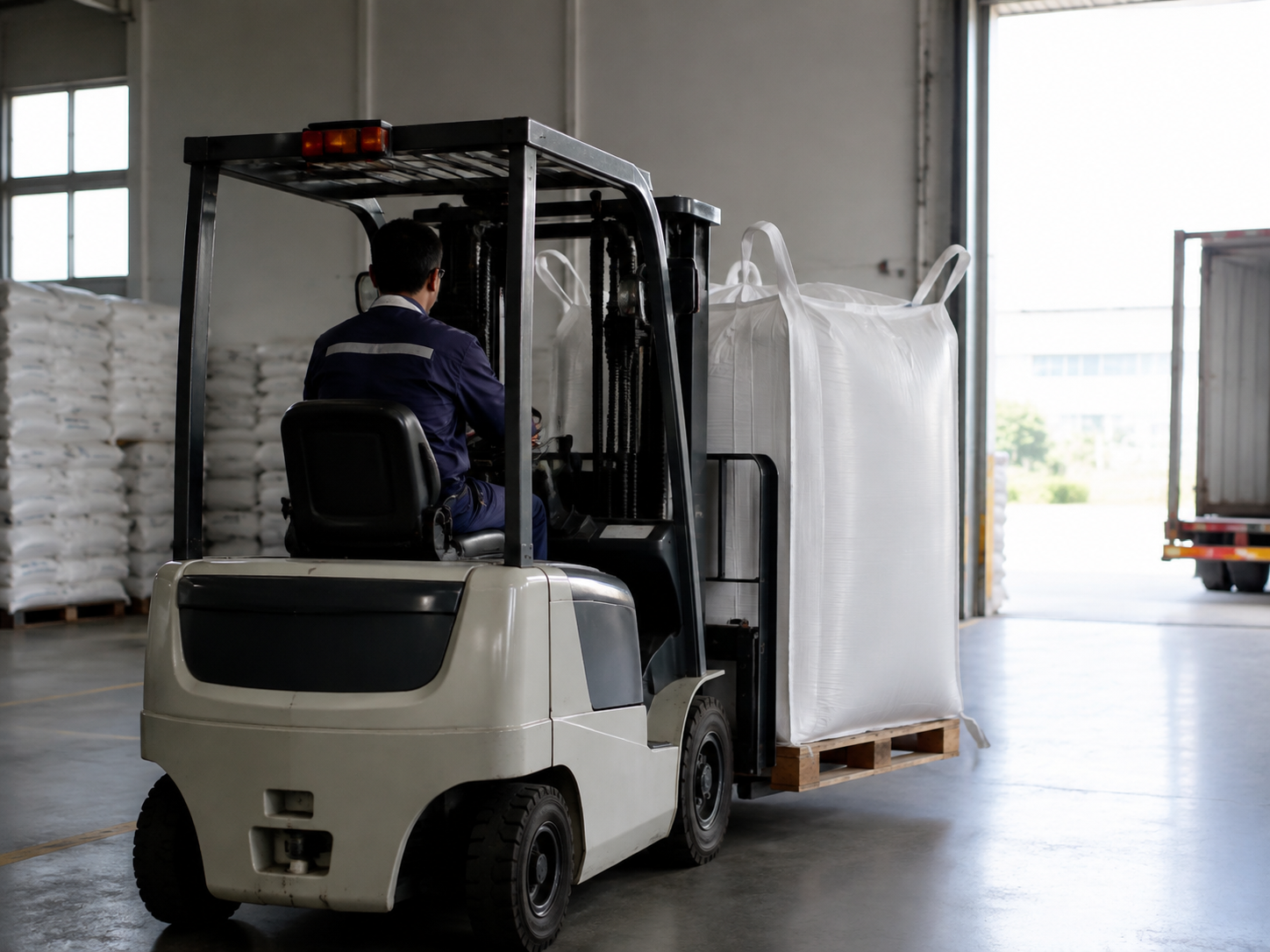
Choose baffle bags when square geometry, repeatable pallet use, and efficient bulk bag stacking are material to your operation. Choose standard FIBC bags when the handling process is straightforward and outward expansion does not create a storage, loading, or stability problem.
The most effective solution is usually a complete system: bag body, dimensions, lifting method, top opening, bottom discharge, liner requirement, and shipping plan designed around the same material flow.
Frequently Asked Questions
Do baffle bags carry more weight than standard FIBC bags?
Not necessarily. Baffles primarily control bag shape. The approved safe working load (SWL) depends on the overall bag construction and handling requirement.
Are baffle bags suitable for all powders?
They can be useful for many flowable materials, but material behavior, fill method, discharge needs, and storage conditions should guide the final design.
Do baffle bags require liners?
Not always. A liner is selected for moisture protection, contamination control, oxygen barrier needs, or other cargo-specific requirements.
What should I include in an FIBC RFQ for baffle bags?
Provide the material, target capacity, bulk density, required dimensions, pallet size, SWL, handling method, top and bottom design, stacking plan, and any liner or protection requirements.
Request a Baffle Bag Specification Review
Share your material, target pallet footprint, handling method, and required FIBC bag specifications with our team. We can help determine whether a baffle design or a standard construction better supports your storage, loading, and transport process.
Related News
Other news you might be interested in
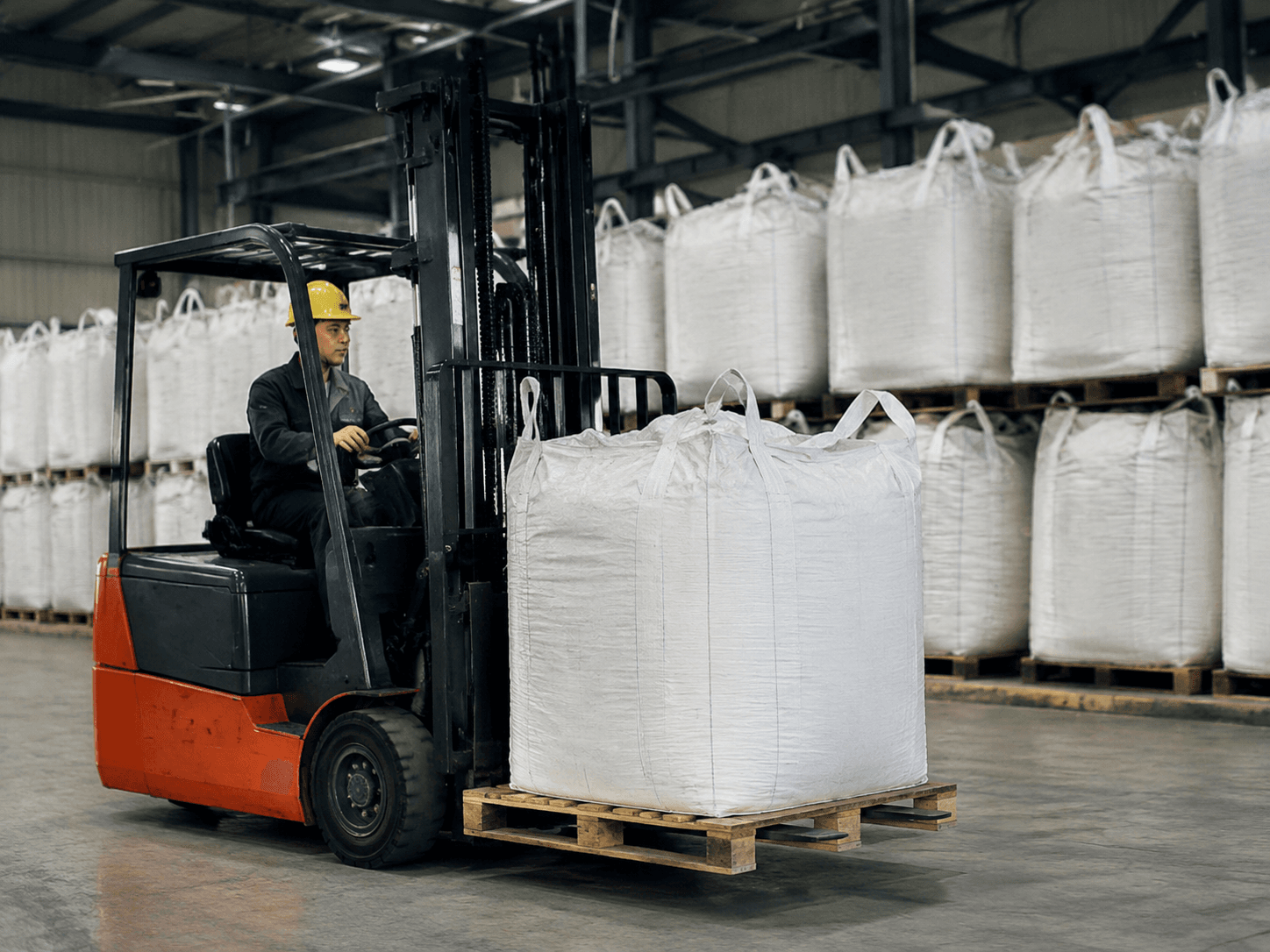
Woven Polypropylene FIBC Bulk Bags: How Material, Construction and Coating Affect Bulk Packaging Performance
In global bulk-material supply chains, FIBC bulk bags have developed from simple transport containers into important logistics tools connecting production, warehousing, loading, unloading, and end use. Their actual performance depends not only on capacity, but also on woven polypropylene, bag construction, coating, liners, safety factors, and the application environment. For the food, chemical, agricultural, mining, and construction-material industries, selecting the right FIBC bulk bags affects load-bearing performance, material loss, transport efficiency, warehouse space, and operational safety.
Chemical Grade Bulk Bags: How to Select the Right Flexible Intermediate Bulk Containers (FIBC) for Chemicals, Powders, and Hazardous Materials
Bulk materials used in the chemical industry often have characteristics such as fine particle size, high flowability, strong moisture absorption, a tendency to cake, or a high risk of electrostatic charge buildup. For chemicals, powder materials, and certain hazardous materials, packaging does more than hold the product—it directly affects material quality, workplace safety, and transportation reliability.
Want to know more?
Get in touch with us for more information about our services and products.