

FIBC Industry Upgrades Accelerate in 2026: Moisture Protection, Anti-Static Performance, and Automation Compatibility Become Key Purchasing Priorities

Dayang Yang
AuthorWith experience in FIBC bulk bag manufacturing and export sales, we operate our own production facility with stable large-scale capacity. We are specialists in bulk bags, conductive FIBCs, food-grade FIBCs, UN certified bags, and customized flexible intermediate bulk containers for industrial packaging and bulk material transportation solutions.
Summary: As demand continues to grow for the transportation of bulk materials such as chemical raw materials, new energy materials, food ingredients, mineral powders, and plastic granules, the purchasing logic for FIBC bulk bags is changing. In the past, buyers mainly focused on load capacity, bag size, and unit price. In 2026, however, moisture protection, anti-static performance, clean sealing, automated filling, and discharge compatibility are becoming important criteria for evaluating whether an FIBC packaging solution is reliable. For high-value, moisture-sensitive, oxidation-sensitive, or dust-control-sensitive materials, FIBC bags are no longer just transport containers. They are becoming part of supply chain risk control.
From “Holding and Lifting” to “Protecting Materials”: FIBC Purchasing Standards Are Upgrading
FIBC bulk bags have long been widely used in chemicals, minerals, plastic granules, food ingredients, agriculture, and recycling industries. In traditional purchasing, companies usually prioritized bag size, safe working load, lifting loop strength, and procurement cost. However, as cross-border shipping cycles become longer, warehousing environments become more complex, and end customers raise their expectations for product stability, simply meeting load-bearing requirements is no longer enough.
Powders, granules, and high-value raw materials are especially vulnerable to moisture, oxygen, static electricity, dust leakage, and bag deformation during transportation and storage. If the packaging does not provide sufficient protection, materials may clump, degrade in performance, suffer batch contamination, increase discharge residue, or even cause customer complaints and cargo loss. As a result, more buyers are beginning to view FIBC packaging as part of supply chain security rather than a simple consumable used before shipment.
Moisture Protection and Barrier Performance Become Core Indicators for High-Value Material Packaging
In sectors such as new energy materials, fine chemicals, nylon granules, flame retardants, and certain food ingredients, moisture and oxygen can have a significant impact on material stability. Although standard PP woven FIBC bags offer good load-bearing capacity and abrasion resistance, relying only on the outer woven fabric is often insufficient for products that require long-term storage, sea freight export, or transportation in humid environments.
As a result, high-barrier FIBC solutions with aluminum liners, aluminum-plastic composite liners, or form-fit inner liners are gaining more attention. For example, FIBC World’s Aluminum Lined FIBC Jumbo Bags for New Energy & Lithium Battery Materials are designed for demanding applications such as new energy materials, lithium battery materials, and chemical granules. The solution is not simply about increasing bag thickness. Instead, it combines a PP outer bag with an aluminum foil liner to improve moisture resistance, oxygen barrier performance, and protection against external environmental factors, helping reduce quality fluctuations during transportation and warehousing.
This trend shows that the FIBC industry is moving from “structural strength competition” to “material protection capability competition.” For buyers, evaluating whether a bulk bag is suitable now requires a comprehensive assessment of material characteristics, shipping duration, warehouse humidity, loading and unloading methods, and end-customer inspection standards.
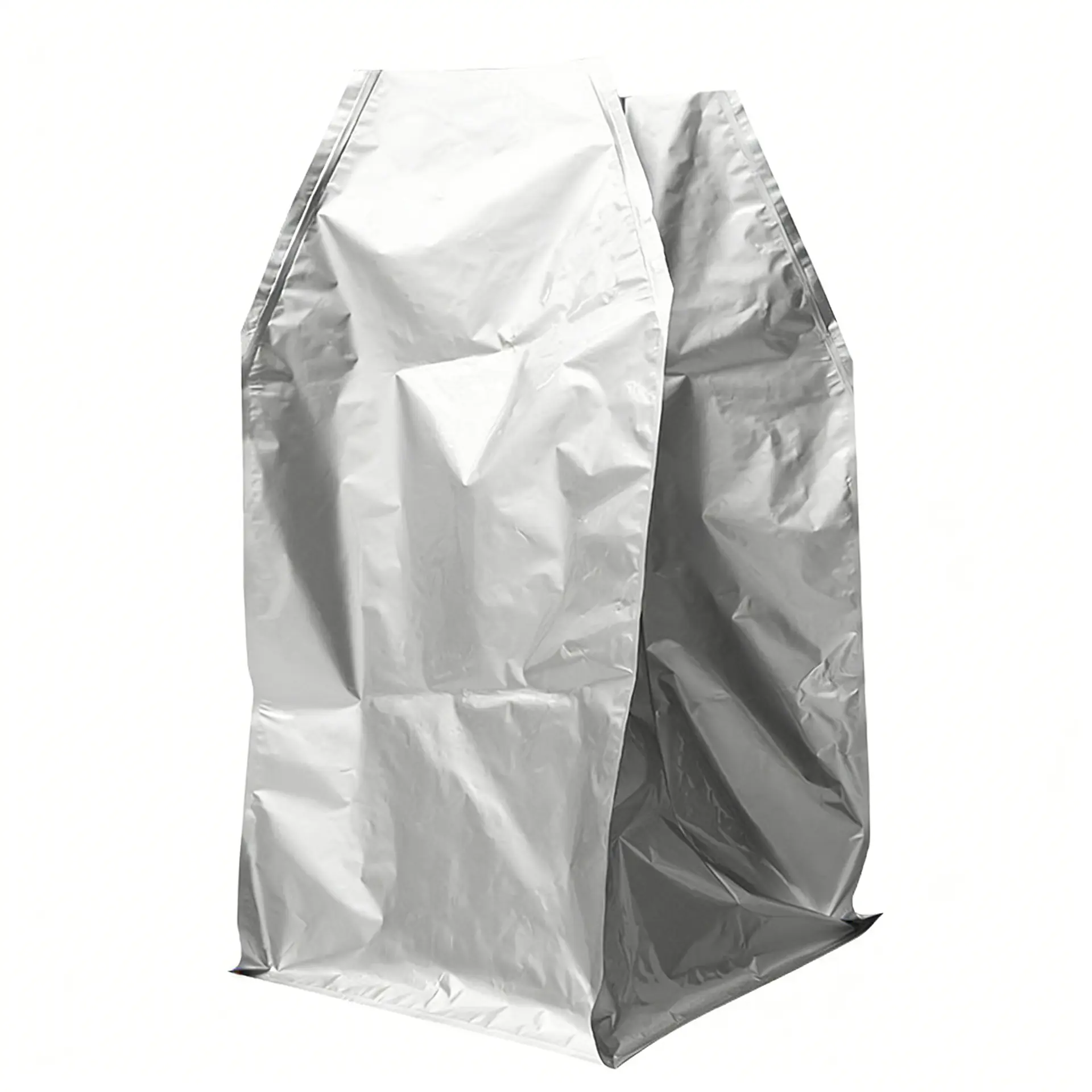
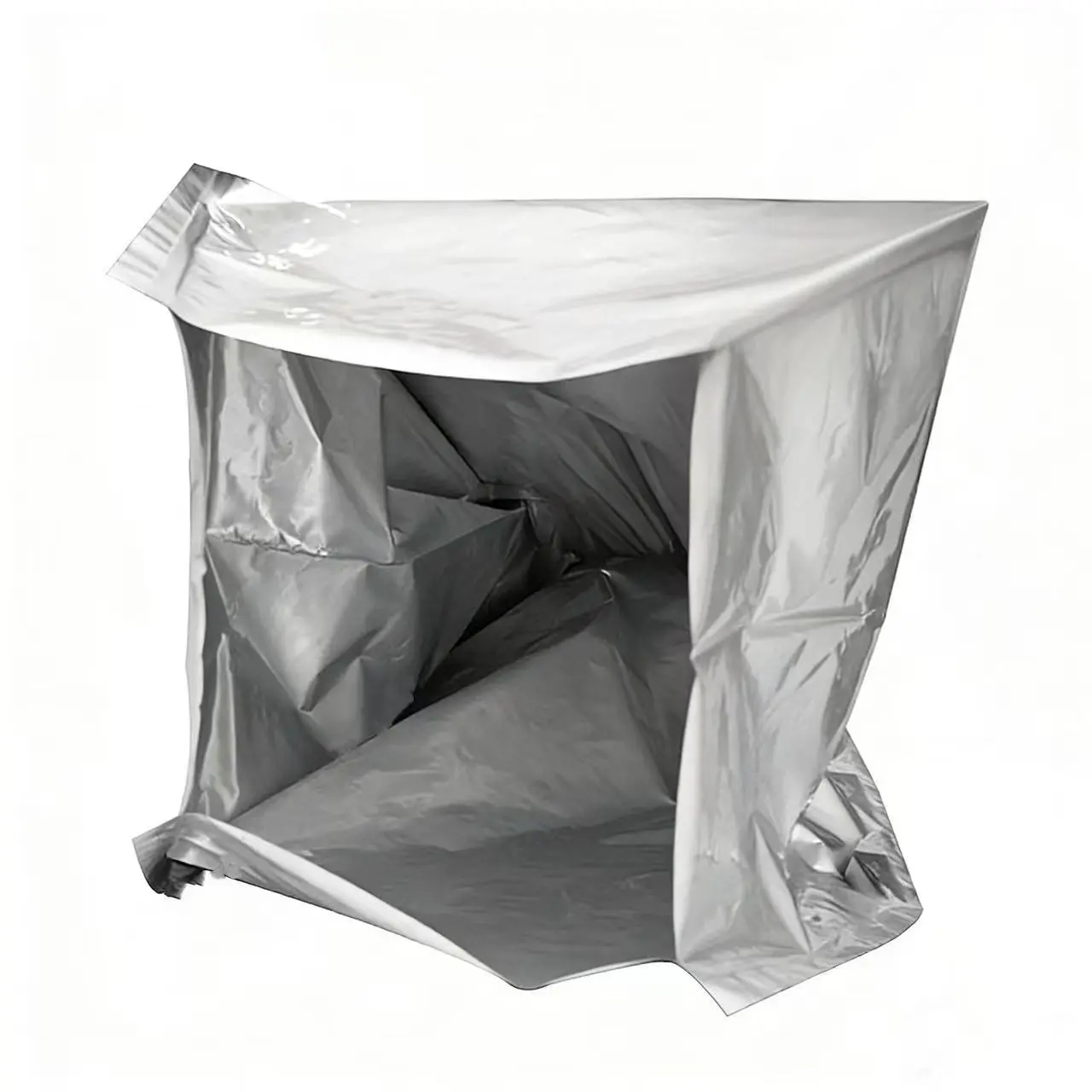
Aluminum Lined FIBC Jumbo Bags for New Energy & Lithium Battery Materials
Rising Anti-Static Requirements Make Safety and Compliance a Precondition
In addition to moisture protection, anti-static performance is becoming a key concern in industrial packaging procurement. Powders, chemical raw materials, and electronic materials may generate static electricity during filling, handling, and discharge due to friction. If the packaging solution lacks appropriate static control design, it may affect operational safety and increase potential risks in dusty environments.
Therefore, anti-static materials, grounding structures, liner selection, sewing methods, and usage scenarios all need to be confirmed in advance during FIBC design. For flammable dust, fine chemical powders, or products with high cleanliness requirements, buyers should not only ask, “How much weight can the bag hold?” They should also confirm whether the bag type is suitable for the actual filling equipment, whether anti-static classification is required, whether an inner liner is needed, and whether dust dispersion can be reduced during discharge.
This also means that FIBC suppliers are evolving from single product manufacturers into packaging solution partners. Manufacturers that can provide structural recommendations, liner options, and loading and unloading compatibility advice based on material risks will be better positioned to win long-term orders.
Automation Compatibility Drives Further Specialization in Bag Structure
With the growing adoption of automated filling, automatic weighing, mechanical lifting, and closed discharge systems, FIBC bag structures are becoming increasingly specialized. In the past, one standard bulk bag could be used for many types of materials. Today, different industries have clearer requirements for filling spouts, discharge spouts, lifting loop positions, bag stability, liner fit, and residue control.
For example, FIBC World’s Form-Fit FIBC Liners for Cleaner Discharge and Lower Material Residue focus on solving issues such as liner shifting, wrinkling, material residue, and incomplete discharge. For fine powders, food ingredients, plastic granules, and moisture-sensitive materials, form-fit liners can better match the shape of the outer bag, making filling and discharge more stable while improving compatibility with automated production lines.
The emergence of this type of product reflects a clear shift: future FIBC packaging will not simply be “a bag,” but a packaging system that must match material flowability, equipment interfaces, storage stacking requirements, and discharge efficiency.
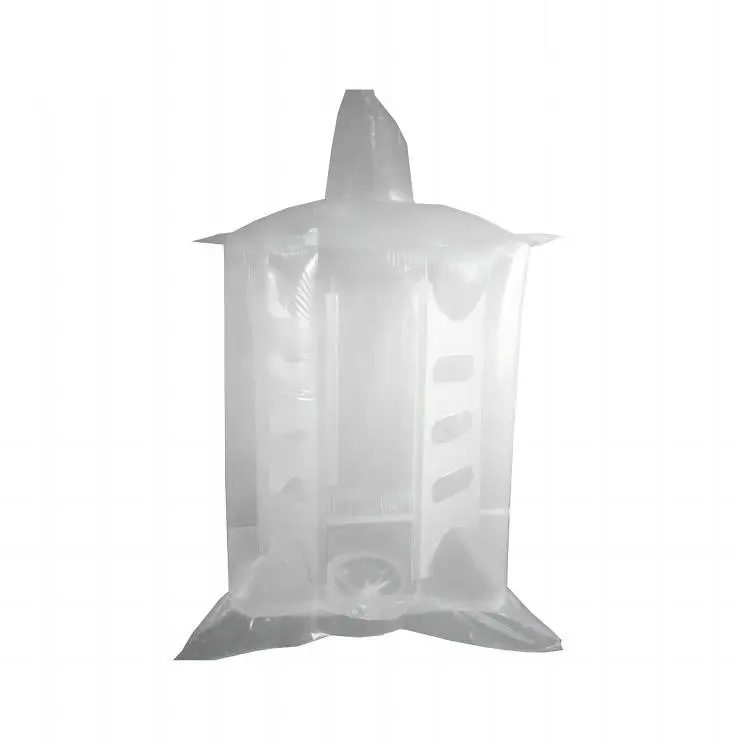
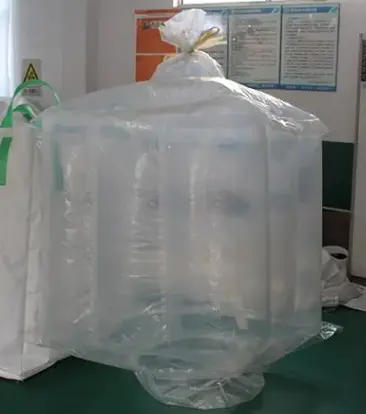
Form-Fit FIBC Liners for Cleaner Discharge and Lower Material Residue
Total Cost Thinking Is Replacing Low-Price Purchasing Logic
From the perspective of industry development, the essence of the FIBC purchasing upgrade in 2026 is a shift from “unit bag price” to “total cost of use.” A low-priced bulk bag with insufficient moisture protection, high discharge residue, or poor lifting stability may lead to higher hidden costs later, including material loss, manual cleaning, customer claims, equipment downtime, and declining customer trust.
In contrast, selecting the right moisture-proof liner, anti-static design, and automation-compatible structure according to material characteristics may involve a slightly higher upfront cost, but it can better ensure batch stability, improve handling efficiency, and reduce uncertainty during transportation and warehousing.
Industry Outlook: Customized FIBC Solutions Will Become the Mainstream
Overall, moisture protection, anti-static performance, and automation compatibility have become three major directions for FIBC industry upgrades. As new energy, fine chemicals, food ingredients, and advanced manufacturing continue to raise their requirements for packaging safety, standardized low-cost bulk bags will no longer be able to cover all application scenarios. Customized, high-barrier, low-residue, and easy-to-operate FIBC solutions are expected to gain more market space.
For buyers, choosing an FIBC supplier in the future should involve more than comparing product price and delivery time. It will be increasingly important to evaluate whether the supplier has the ability to understand materials, design appropriate bag structures, match liners, and provide application-specific recommendations. Only when packaging solutions truly support material safety and supply chain efficiency can FIBC bulk bags evolve from transport tools into risk-control tools.
Related News
Other news you might be interested in
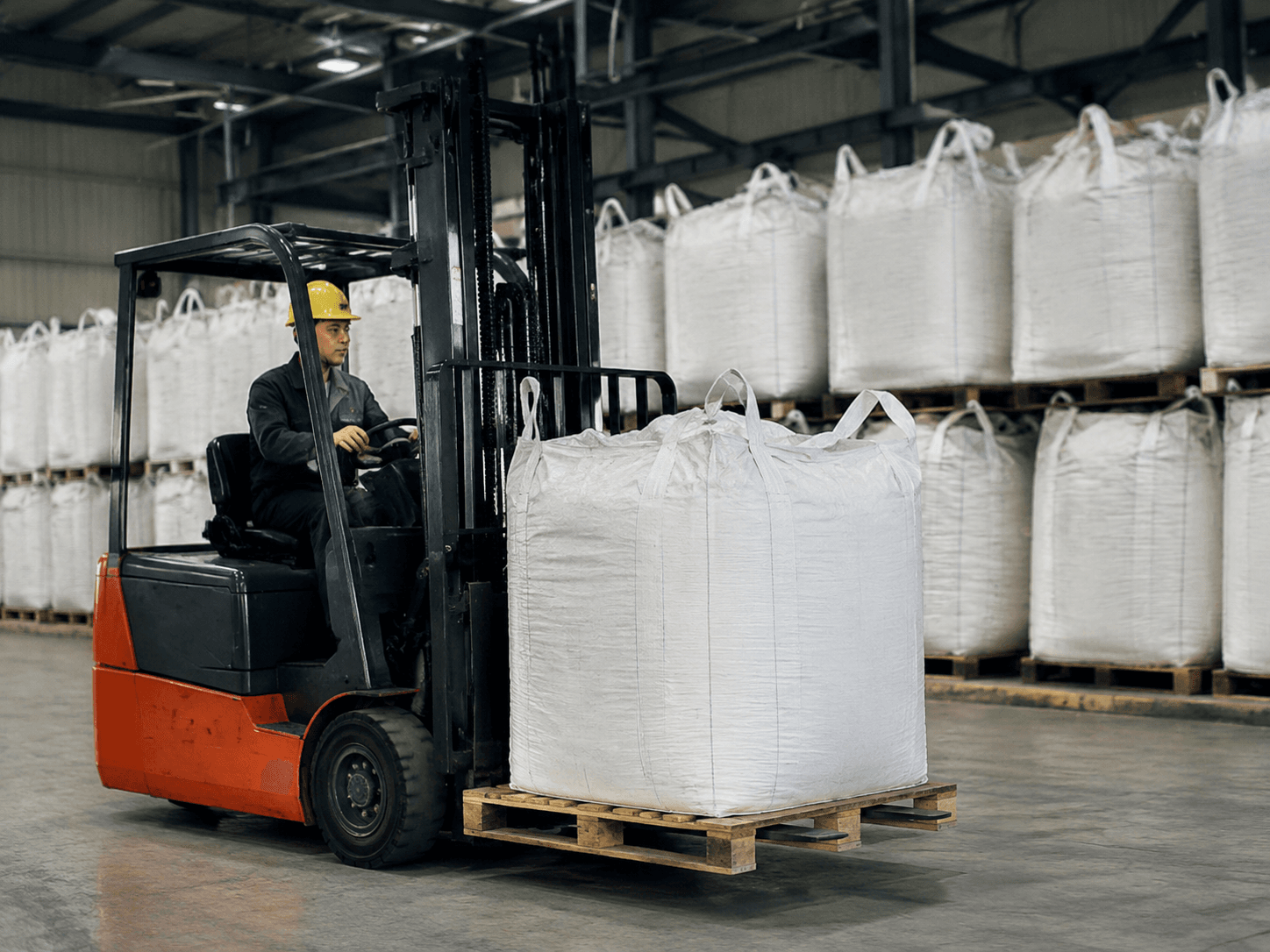
Woven Polypropylene FIBC Bulk Bags: How Material, Construction and Coating Affect Bulk Packaging Performance
In global bulk-material supply chains, FIBC bulk bags have developed from simple transport containers into important logistics tools connecting production, warehousing, loading, unloading, and end use. Their actual performance depends not only on capacity, but also on woven polypropylene, bag construction, coating, liners, safety factors, and the application environment. For the food, chemical, agricultural, mining, and construction-material industries, selecting the right FIBC bulk bags affects load-bearing performance, material loss, transport efficiency, warehouse space, and operational safety.
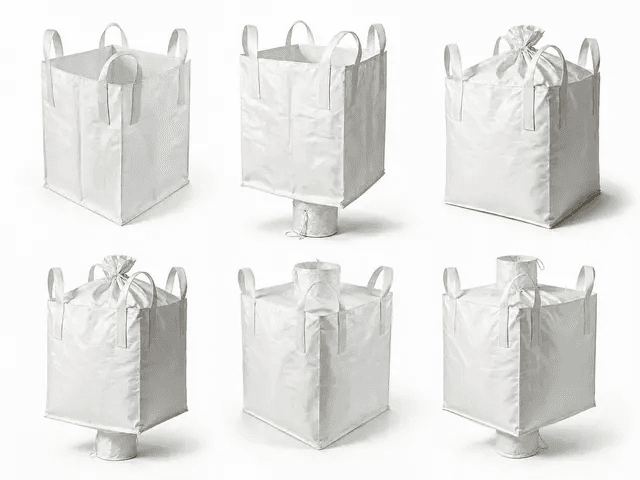
Chemical Grade Bulk Bags: How to Select the Right Flexible Intermediate Bulk Containers (FIBC) for Chemicals, Powders, and Hazardous Materials
Bulk materials used in the chemical industry often have characteristics such as fine particle size, high flowability, strong moisture absorption, a tendency to cake, or a high risk of electrostatic charge buildup. For chemicals, powder materials, and certain hazardous materials, packaging does more than hold the product—it directly affects material quality, workplace safety, and transportation reliability.
Want to know more?
Get in touch with us for more information about our services and products.