
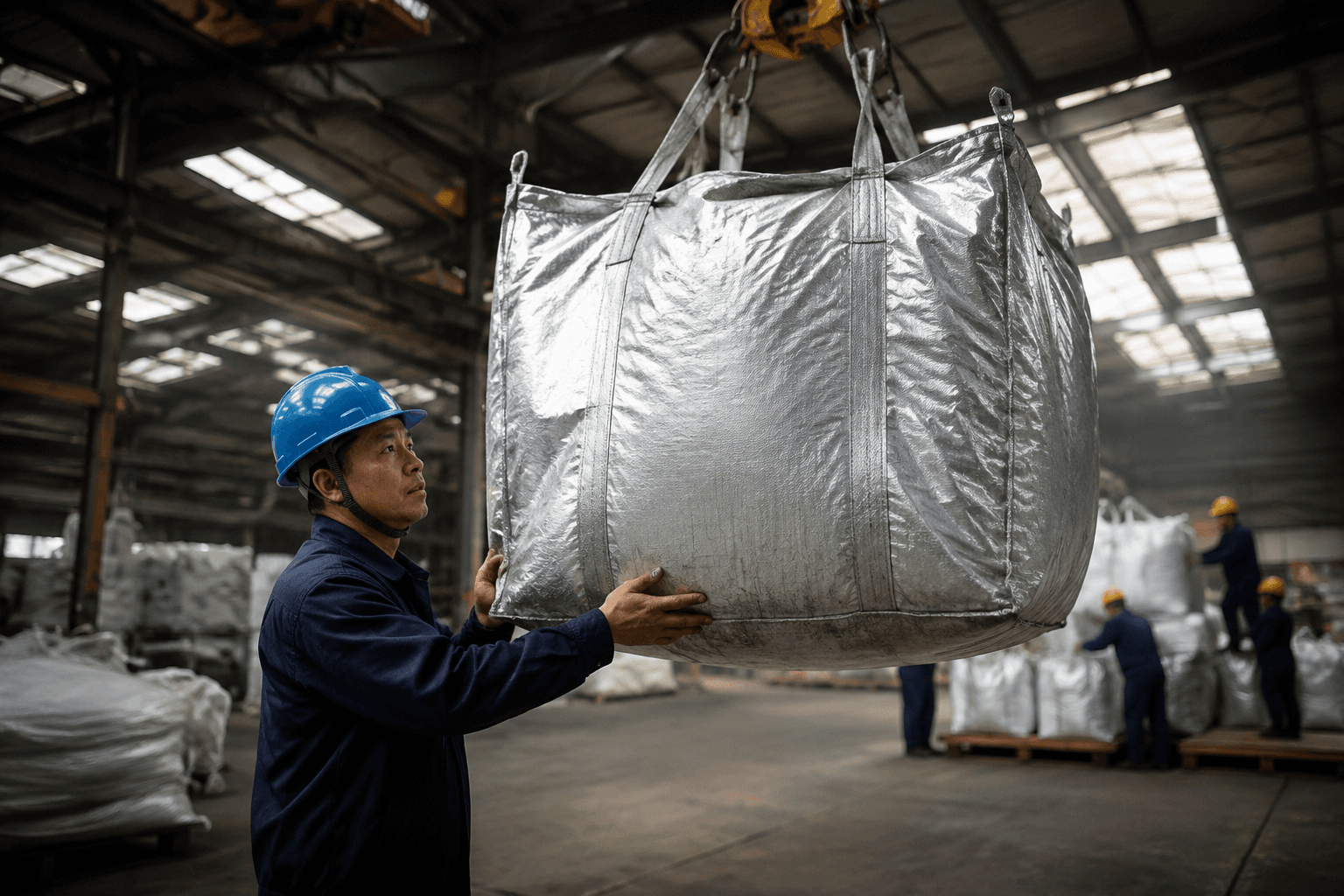
How High-Performance FIBC Bags Drive Compliance and Cost Savings in 2026

Dayang Yang
AuthorWith experience in FIBC bulk bag manufacturing and export sales, we operate our own production facility with stable large-scale capacity. We are specialists in bulk bags, conductive FIBCs, food-grade FIBCs, UN certified bags, and customized flexible intermediate bulk containers for industrial packaging and bulk material transportation solutions.
Navigating the 2026 Packaging Paradigm: High-Regulation, Low-Labor Era
In 2026, industrial bulk packaging is defined by two relentless forces: escalating regulatory stringency and persistent labor shortages. Governments and industry bodies now mandate stricter moisture barrier and anti-static protection for materials ranging from chemicals to construction powders. For procurement and operations leaders, standard bulk bags are no longer sufficient—moisture-proof bulk packaging with integrated oxygen barriers and static dissipation has become the baseline. At the same time, the accelerating decline in warehouse and logistics manpower makes bulky, inefficient packaging a liability. Flexible Intermediate Bulk Containers (FIBCs) that are easier to handle, lift, and transport can cut turnaround times and reduce injury risk. According to recent market analysis, the global FIBC market is projected to grow at over 6% CAGR through 2030, driven primarily by the adoption of high-performance FIBC bags in sectors like lithium battery materials, specialty chemicals, and minerals. This shift isn’t just about compliance—it’s about containing costs while staying ahead of regulatory curves. For a deeper dive into solving these specific challenges, explore how custom FIBC bags solve moisture and static challenges in industrial bulk packaging.
Key Features of Modern FIBCs That Reduce Risk and Improve ROI
Today’s high-performance FIBCs integrate multiple protective technologies that eliminate contamination and product degradation. Aluminum foil liner bulk bag constructions provide a formidable moisture and oxygen barrier, essential for hygroscopic materials like lithium battery cathode powders. Meanwhile, anti-static bulk packaging—using conductive threads or carbon-impregnated fabric—prevents electrostatic discharge during filling and discharge, critical for solvent-based chemicals and plastic pellets. For environments with elevated fire risk, flame retardant packaging adds another layer of safety. Structural integrity is equally vital: reinforced lifting loops and cross reinforced jumbo bag designs enable safe handling of loads up to 2 metric tons, while customizable discharge spouts and filling spouts speed up operations. These features directly translate to lower insurance premiums, fewer rejected batches, and faster truck turnaround. As one procurement leader noted, “The initial per-unit cost is minimal compared to the avoided waste.” You can read more about the financial logic in turning packaging pitfalls into profit with custom FIBC bags.
Case Study: Protecting High-Value Powders with Aluminum Lined FIBCs
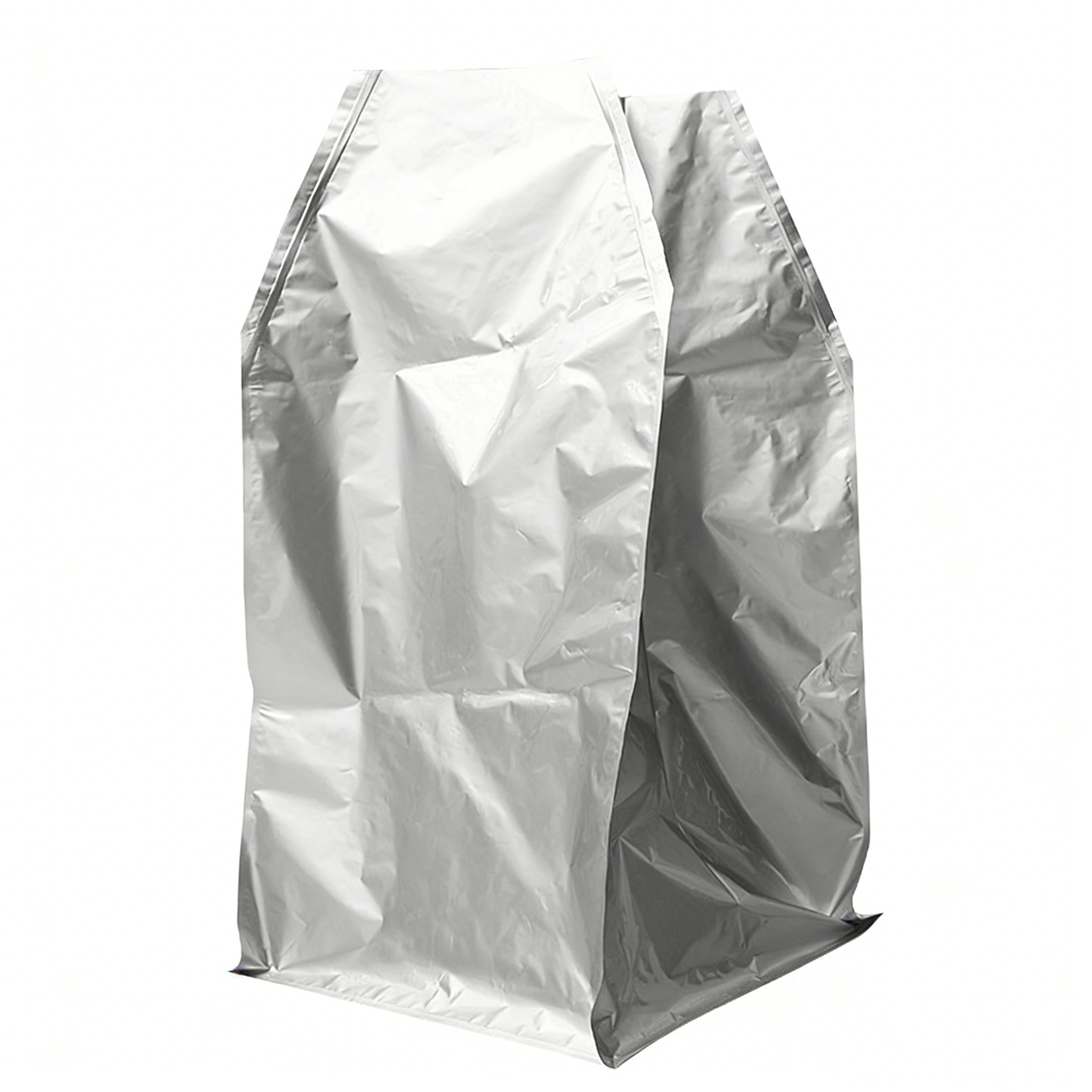
A major European chemical manufacturer recently transitioned to aluminum lined FIBC for their 1.5-ton shipments of lithium battery powder. Previously, material arriving with even 0.5% moisture pickup resulted in costly reprocessing and compliance failures. The new solution: a double-layer FIBC bag comprising a PP woven outer for strength and an aluminum-plastic inner bag for a total light-proof, oxygen barrier bulk bag. The light-proof FIBC for lithium powder not only blocked moisture ingress but also prevented UV degradation—an overlooked requirement in cathode material logistics. In six months, product loss dropped by 92%, customer complaints fell to zero, and container unloading times improved thanks to the form-fitted design. “It’s not just a bag—it’s an insurance policy for our most sensitive product,” the plant manager reported. This approach is replicable for any high-value powder prone to oxidation or moisture damage, and leveraging a factory-direct FIBC supplier can cut customization lead times.
Cost-Effective Solutions for Bulk Materials: Feed, Minerals, and Construction
High performance doesn’t have to come with a premium price tag. For less sensitive bulk commodities—like animal feed, minerals, or construction aggregates—PP woven bulk bags deliver substantial savings without sacrificing durability. Standard feed bulk bags and mineral bulk packaging in 1-ton sizes, often kept in stock for immediate dispatch, feature robust lifting loop bulk bag designs and can be ordered with custom printing or documentation pockets. For containerized transport, custom white pp fibc bags 1 ton container reinforced models offer thickened sidewalls and wear-resistant bases, cutting palletization costs and improving stack stability. When you buy factory-direct FIBC, you avoid distributor markups and can optimize specifications precisely for your filling line—whether you need a heavy-duty PP container bag for sharp-edged crushed rock or a jumbo bag for pelleted feed. For a popular stock option, consider PP FIBC jumbo bags 1 ton black bulk bags that combine UV resistance with high strength at a per-unit cost that undercuts rigid IBCs and drums.
Specialized Packaging for New Energy and Electronics
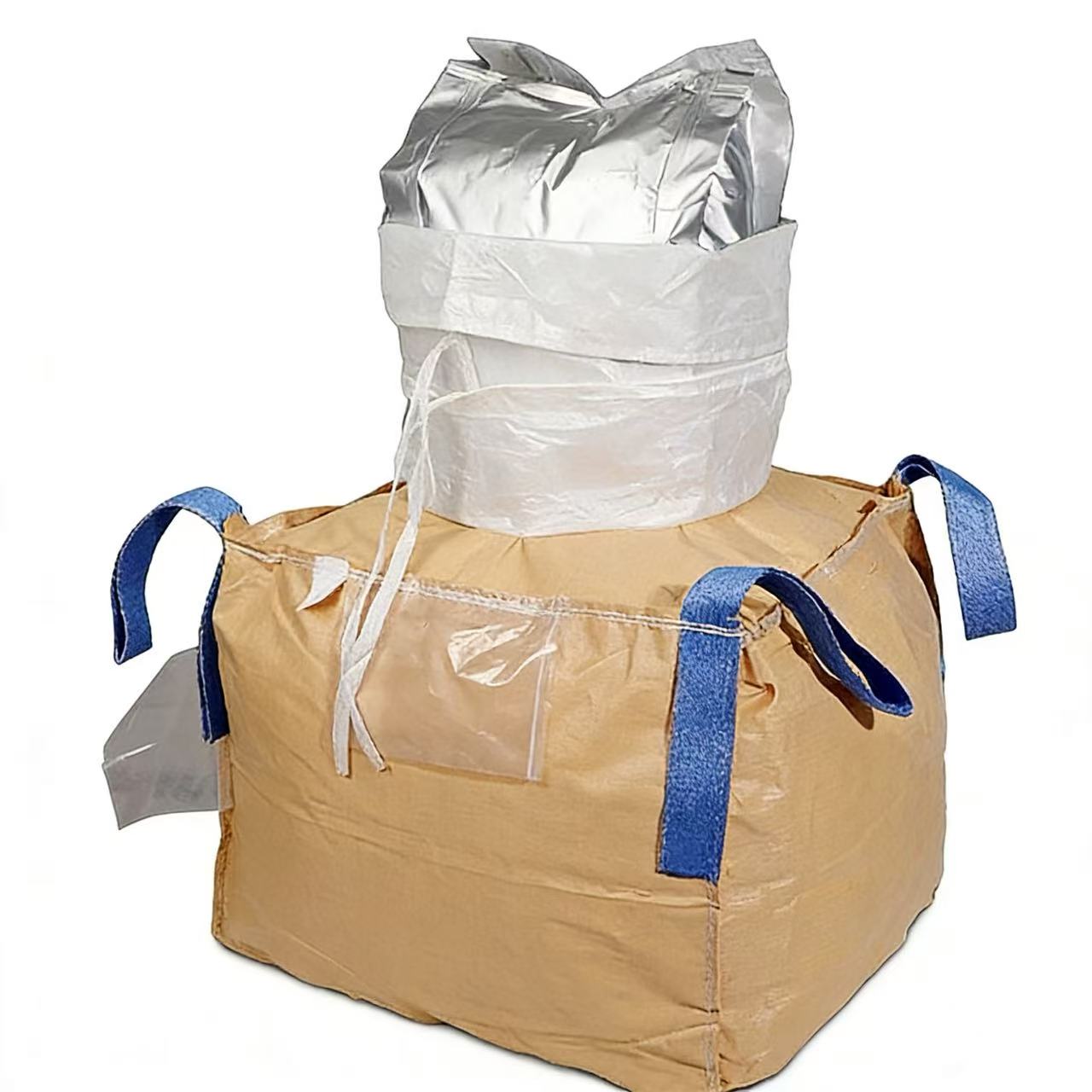
The new energy sector—particularly lithium batteries and advanced polymers—demands packaging that goes beyond basic containment. Lithium battery cathode material packaging requires an absolute shield against moisture and oxygen; a light-proof FIBC for lithium powder with an integrated aluminum foil liner accomplishes this while preventing photo-degradation. For nylon granules packaging or flame retardant additives, aluminum lined FIBC jumbo bags with anti-static seams mitigate the risk of dust explosions and ensure consistent material quality from silo to extrusion. Separate applications, such as certain building products or agricultural goods, benefit from breathable bulk bags that allow air circulation without moisture ingress. These specialized FIBC bags are engineered not only to meet strict industry standards but also to integrate seamlessly with automated handling systems—whether using a forklift bulk bag or an overhead bulk bag lifting rig. For lithium powder applications specifically, our light-proof FIBC for lithium powder with anti-moisture oxygen barrier is already proven in the field.
How to Choose the Right Custom FIBC for Your Application
Selecting the optimal FIBC starts with a precise assessment of your material’s vulnerabilities: moisture sensitivity, static accumulation potential, light sensitivity, and weight per fill. For highly hygroscopic powders, an aluminum foil liner bulk bag or aluminum lined FIBC is non-negotiable. Determine the appropriate fabric weight and whether you need a formed inner belly bag to maintain shape after filling. Next, match the bag to your handling infrastructure. An overhead bulk bag with single-point lift loops suits crane-based operations, while a forklift bulk bag with cross-corner loops is ideal for rapid warehouse movement. For awkward lifting scenarios, a soft pallet lifting sling can act as a reusable interface. Finally, engage a factory-direct FIBC manufacturer who can translate your technical requirements into a precisely tailored solution—without the cost layers of intermediaries. This approach consistently yields lower total cost of ownership compared to off-the-shelf packaging or rigid containers, especially when you factor in reduced product loss and faster cycle times.
Future-Proof Your Packaging Strategy Today
The 2026 regulatory and operational landscape rewards proactive adopters of advanced bulk packaging. Whether you’re shipping lithium battery powders, mineral concentrates, or feed, the right bulk material handling packaging not only safeguards compliance but also protects margins through reduced waste, faster handling, and fewer quality claims. With stock availability on standard sizes and rapid turnaround for custom specifications, there’s no need to compromise. Contact us for a consultation or quote on custom FIBC bags tailored to your needs.
Related News
Other news you might be interested in
FIBC Bag Safety: Understanding Safe Working Load, Safety Factor, and Safe Handling
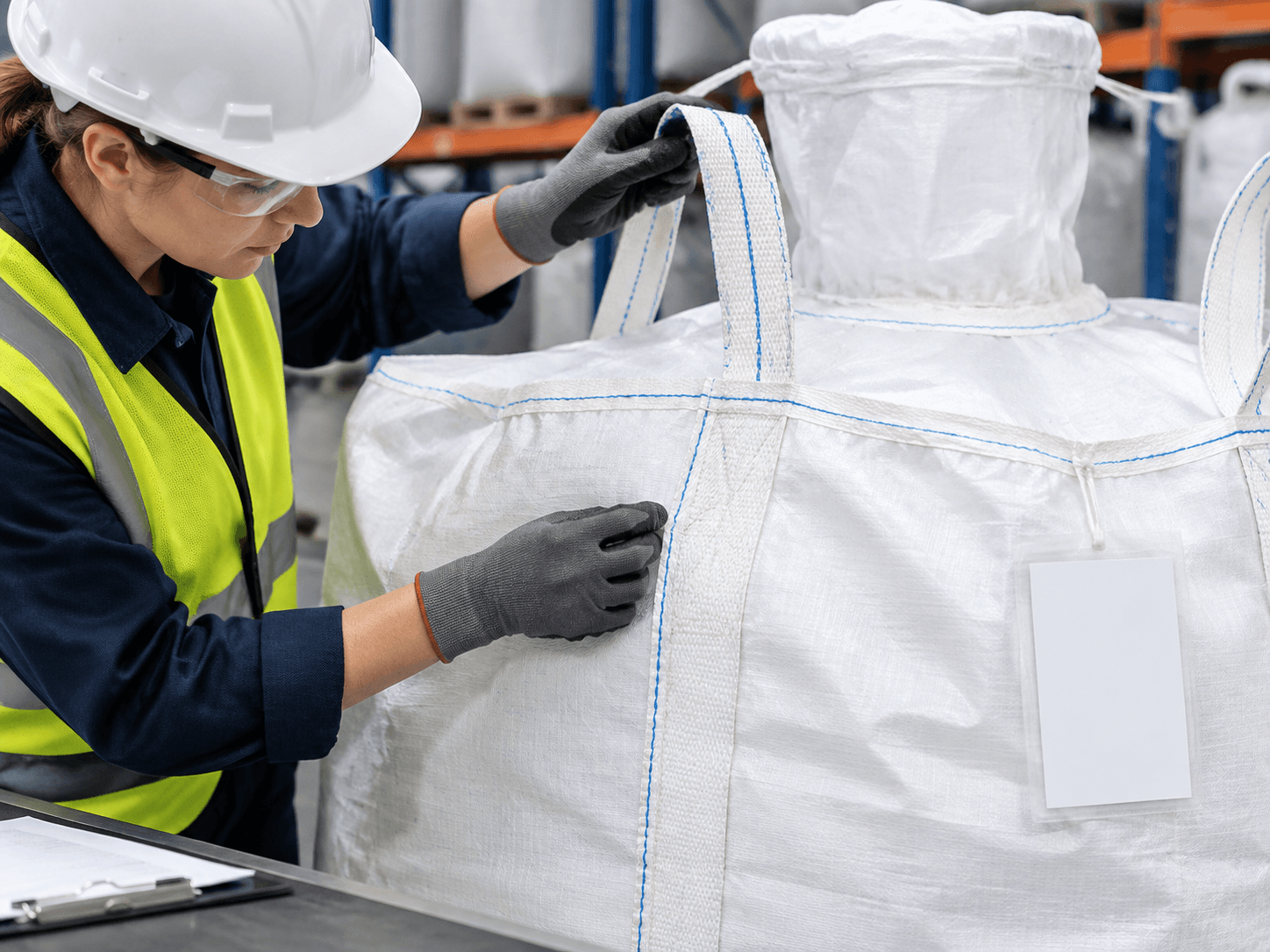
Bag safety cannot be judged by load weight alone. The bag’s design, construction, and rated load must match the material and operating conditions. Different FIBC bag types and load capacities may have different filling, lifting, and discharge requirements. ISO 21898:2024 covers the materials, construction, design, testing, marking, selection, and safe use of FIBCs for non-dangerous solid goods. On-site operations must also follow the manufacturer’s instructions and applicable regulations.
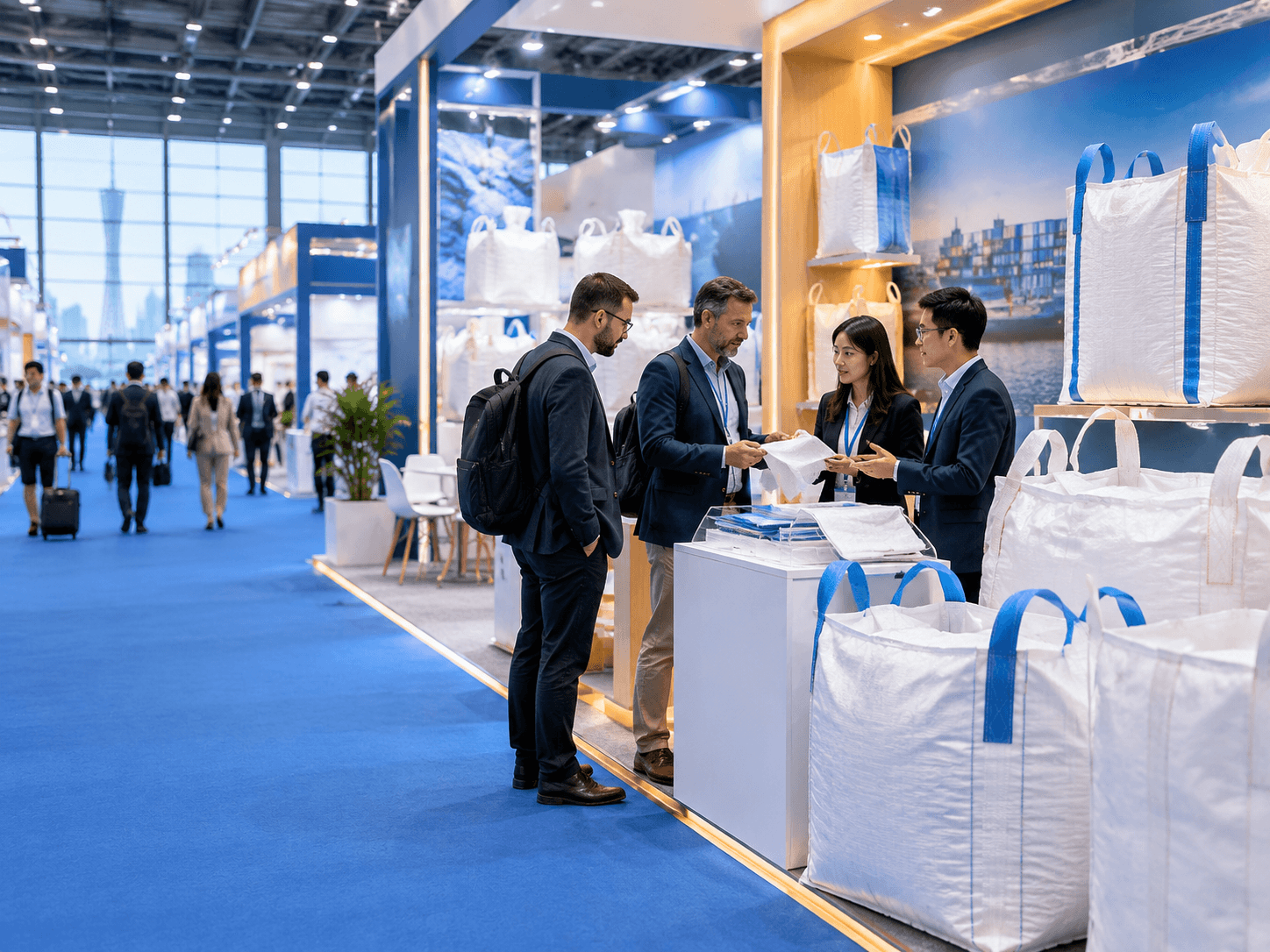
The 140th Canton Fair: New Global Sourcing Opportunities for FIBC Ton Bags and Industrial Packaging Companies
The 140th Canton Fair will be held in Guangzhou from October 15 to November 4, 2026, across three phases. The first phase will focus on advanced manufacturing, industrial manufacturing, machinery, new materials, and chemical products. For export-oriented industrial packaging companies, the 140th Canton Fair will serve not only as a product exhibition platform, but also as an important opportunity to connect with overseas buyers, suppliers, and global supply chain resources.
Want to know more?
Get in touch with us for more information about our services and products.