
Reusable or Recyclable? The Sustainability Question Reshaping Bulk Bag Procurement

Dayang Yang
AuthorWith experience in FIBC bulk bag manufacturing and export sales, we operate our own production facility with stable large-scale capacity. We are specialists in bulk bags, conductive FIBCs, food-grade FIBCs, UN certified bags, and customized flexible intermediate bulk containers for industrial packaging and bulk material transportation solutions.
Summary
As global supply chains place more emphasis on carbon reduction, waste control, and responsible sourcing, FIBC bulk bag procurement is entering a new stage. Buyers are no longer asking only whether a bulk bag is strong enough or cost-effective enough. They are also asking a more strategic question: should the packaging be reusable, recyclable, or both?
This shift is changing how companies evaluate FIBC design, material selection, discharge structure, safety factor, and end-of-life handling. For industries moving chemicals, minerals, plastics, agricultural products, and new energy materials, sustainable bulk packaging is becoming a practical purchasing decision rather than a branding statement.
Sustainability Is Moving Into Bulk Packaging Decisions
For many years, FIBC bulk bags were mainly evaluated by load capacity, fabric strength, sewing quality, delivery time, and unit price. These factors are still important, but they are no longer enough.
Today, more buyers are facing pressure from customers, regulators, and internal ESG goals. They need packaging that supports cleaner logistics, reduces unnecessary waste, and fits into a more responsible supply chain.
In this environment, the discussion around FIBC bulk bags is becoming more specific. Buyers want to know whether a bag can be safely reused, whether the material can be recycled, whether the design reduces product loss, and whether the packaging can help avoid unnecessary repacking or disposal.
The result is a new procurement question: sustainability should not be treated as an extra feature. It should be built into the packaging decision from the beginning.
Reusable Bulk Bags Reduce Waste, But Only When the Design Allows It
Reusable FIBC bags can help reduce packaging waste by extending the service life of each bag. However, not every bulk bag is suitable for reuse.
A reusable FIBC must be designed with the right safety factor, fabric strength, lifting structure, and discharge system. It must also be inspected properly before each use. If a bag is reused in the wrong application or after structural damage, the sustainability benefit may turn into a safety risk.
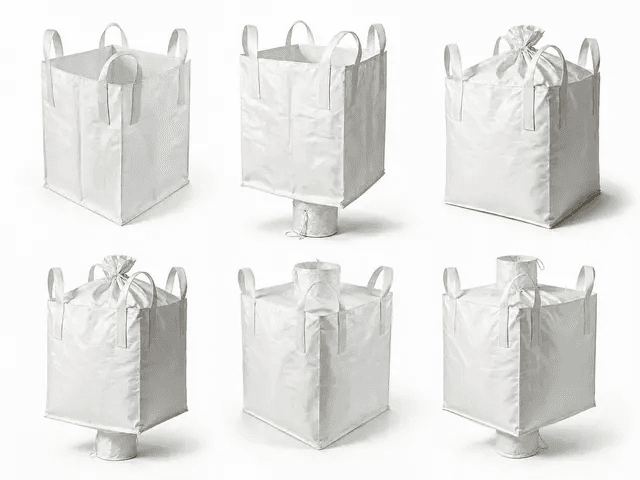
This is why discharge design has become important. Traditional flat-bottom bags may need to be cut open during unloading, which destroys the bag and creates more packaging waste. In contrast, FIBC Bulk Bags with Discharge Spout allow controlled bottom discharge without cutting the bag. With sealed and adjustable unloading, they can reduce material loss, improve handling cleanliness, and support reuse in suitable applications.
For buyers, this type of design connects sustainability with operational efficiency. A bag that can be emptied cleanly and safely is more likely to support repeated use, reduce waste, and lower total packaging cost.
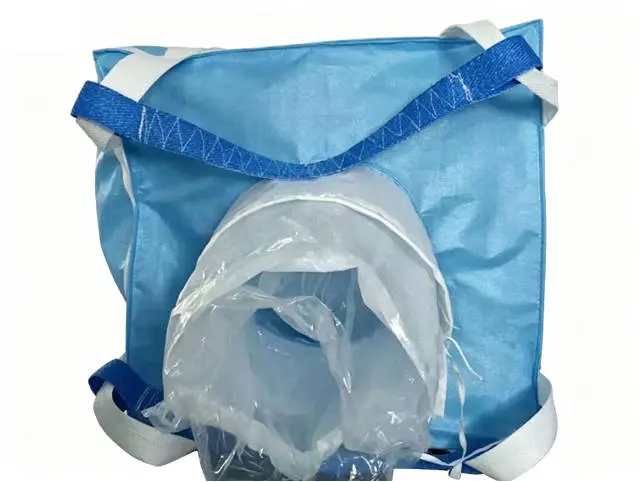
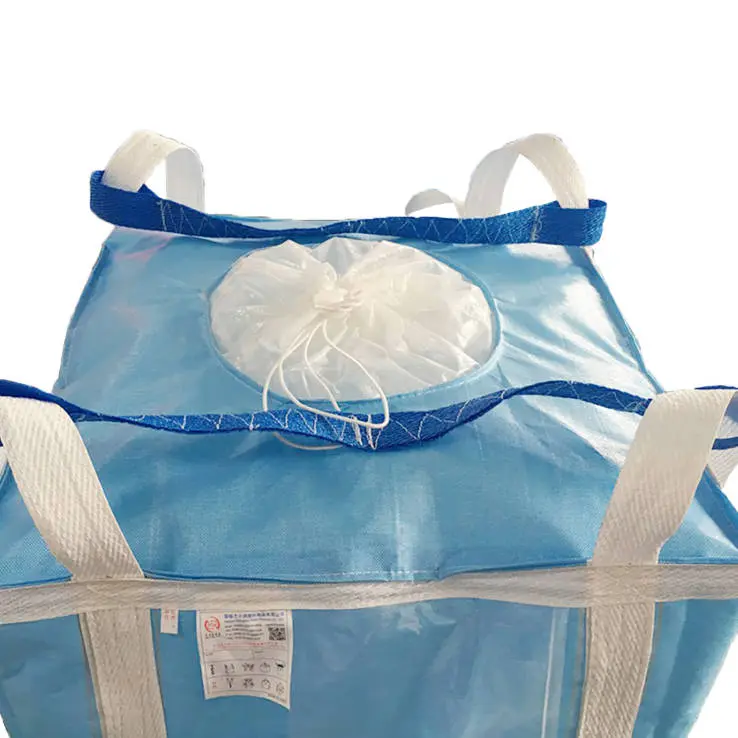
FIBC Bulk Bags with Discharge Spout
Recyclable Materials Are Becoming a Key Procurement Factor
While reuse focuses on extending the life of the bag, recyclability focuses on what happens after the bag reaches the end of its service life.
Most FIBC bulk bags are made from polypropylene, a material that can support recycling when properly collected, sorted, and processed. For buyers, this creates an opportunity to reduce packaging waste and support circular material flows.
However, recyclability depends on more than the base material. Printing, coatings, liners, contamination, and mixed-material structures can all affect recycling potential. This is why buyers are beginning to ask more detailed questions about bag composition and material options.
For example, PP FIBC Jumbo Bags - 1 Ton Black Bulk Bags offer material options including virgin PP and recycled PP. For applications where recycled material is suitable, this type of product can help buyers balance strength, cost, and sustainability requirements.
The key point is not that one material choice fits every shipment. Instead, buyers need to match the material strategy with the cargo type, safety requirements, and customer expectations.
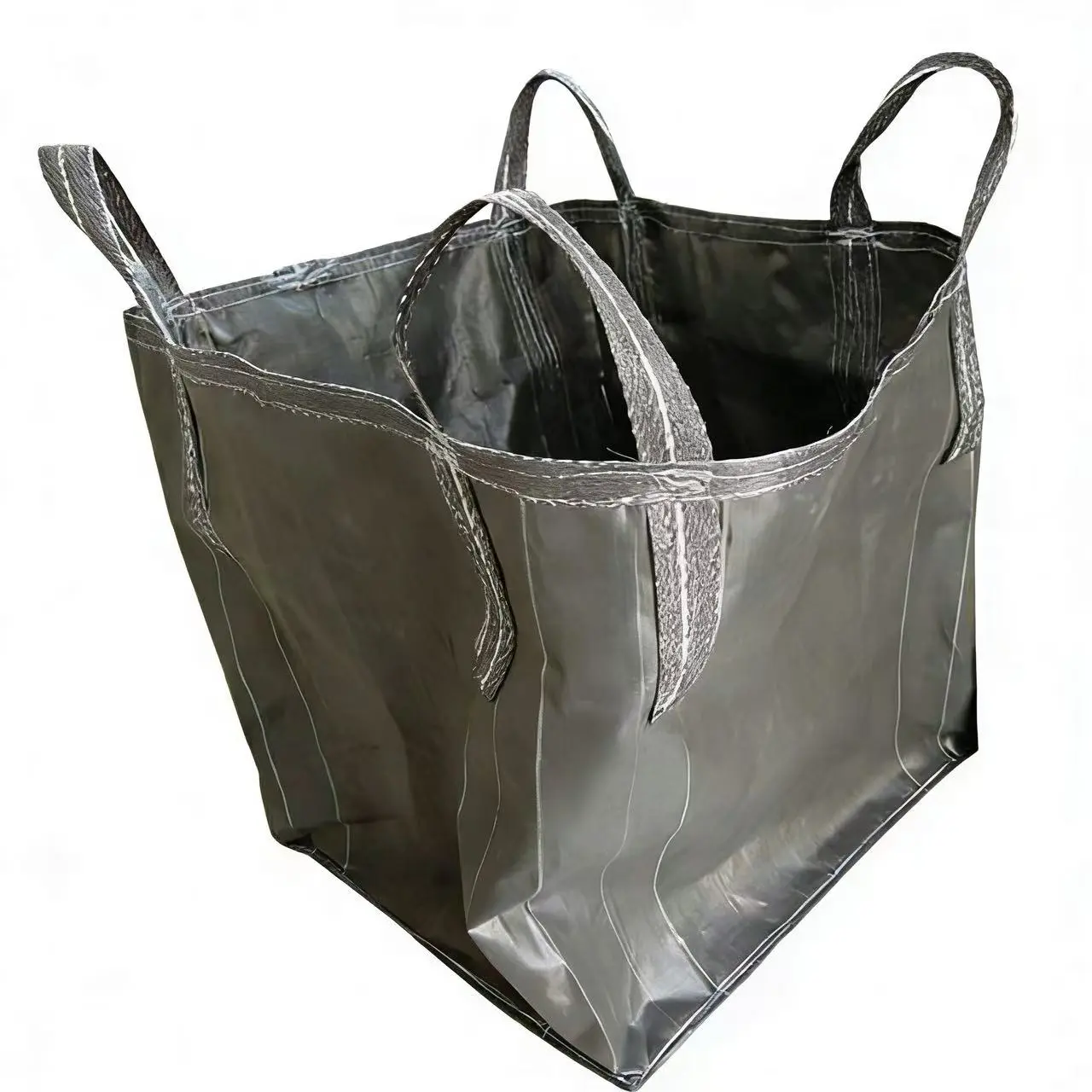
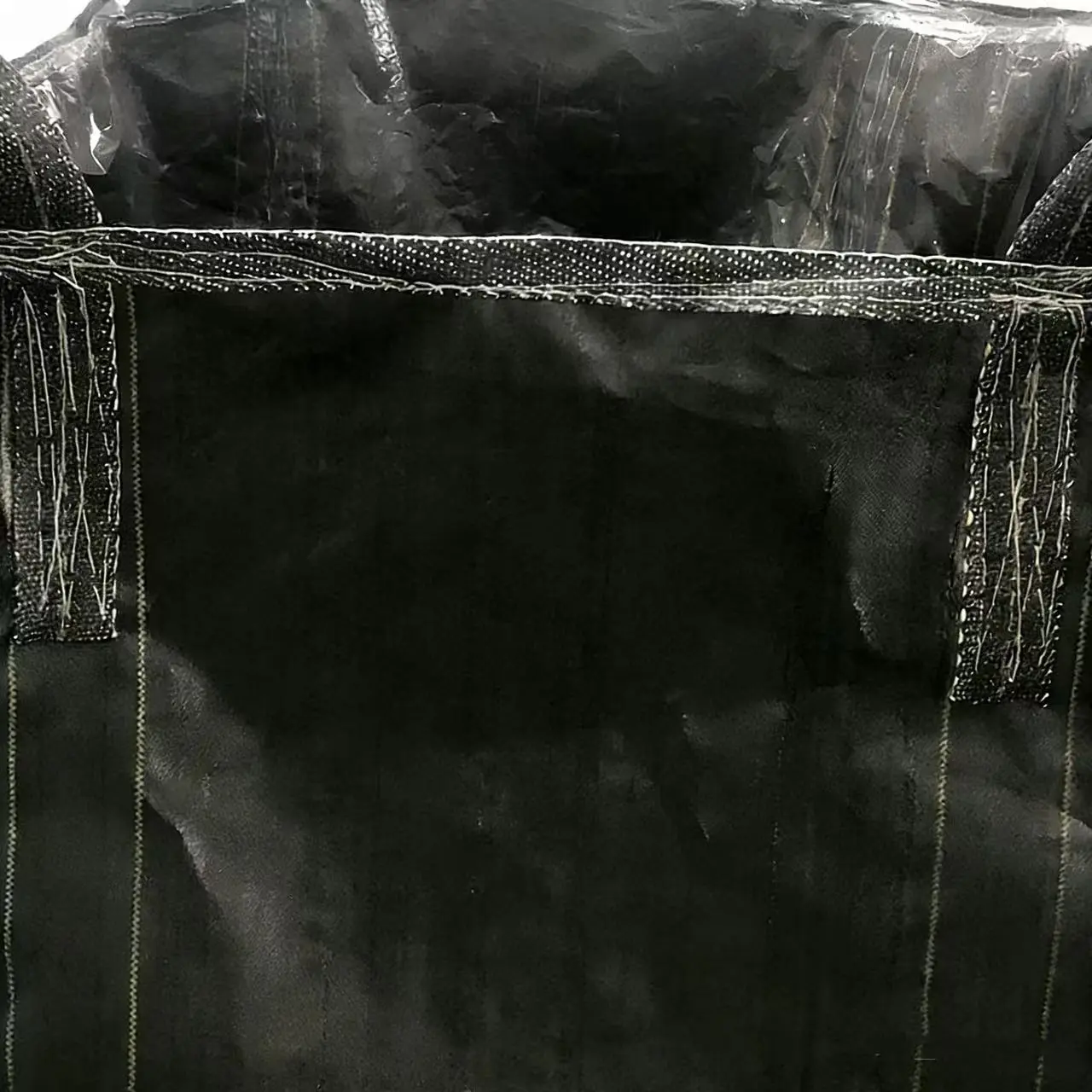
PP FIBC Jumbo Bags - 1 Ton Black Bulk Bags
Reusable and Recyclable Are Not the Same Choice
One common misunderstanding in bulk bag procurement is treating reusable and recyclable as the same sustainability solution. In reality, they solve different problems.
Reusable bags are designed to reduce the number of bags consumed over time. They are most valuable when the supply chain is controlled, the material is compatible, and the bag can be inspected and returned for repeated use.
Recyclable bags are designed to reduce waste at the end of the packaging life cycle. They are especially important when reuse is not practical due to contamination, long-distance export, one-way shipments, or strict hygiene requirements.
This means buyers should not simply ask, “Is this bag sustainable?” A better question is: “Which sustainability path fits this supply chain?”
For closed-loop logistics, reusable FIBC designs may offer stronger benefits. For one-way export shipments, recyclable material selection may be more realistic. For some industries, the best answer may involve both: a strong bag design that reduces breakage and material loss, combined with recyclable PP material options where possible.
Total Cost Is Changing the Sustainability Conversation
Sustainable packaging decisions are often misunderstood as higher-cost decisions. In bulk logistics, that is not always true.
A reusable bag may cost more at the beginning, but it can reduce the number of bags purchased over multiple cycles. A recyclable PP bag may support customer ESG requirements and reduce waste handling pressure. A better discharge system may reduce product loss, cleaning time, and labor costs.
In other words, sustainability should be evaluated through total cost, not only unit price.
A cheap bag that breaks, leaks, cannot be reused, or creates disposal problems may cost more in the long run. A better-designed FIBC solution can support lower waste, safer handling, and more predictable delivery performance.
Buyers Are Asking More Technical Questions
As sustainability becomes part of procurement, buyers are asking more detailed questions before placing orders:
- Can the bag be reused safely in this application?
- What safety factor is required?
- Does the discharge structure allow clean unloading?
- Is virgin PP necessary, or can recycled PP be considered?
- Will liners, coatings, or contamination affect recyclability?
- Is the shipment part of a closed-loop system or a one-way export route?
- What happens to the bag after the material is delivered?
These questions show that FIBC procurement is becoming more strategic. Buyers are no longer choosing bags only for one shipment. They are considering the full packaging life cycle.
The Future of Bulk Bag Procurement Will Be More Practical
The sustainability shift in FIBC packaging is not only about environmental messaging. It is about practical supply chain improvement.
Reusable bags can help reduce repeated packaging consumption. Recyclable materials can support better end-of-life management. Better discharge design can reduce waste during unloading. Stronger material selection can prevent product loss in transit.
For companies shipping bulk materials across long distances, these details matter. They influence operating cost, customer satisfaction, compliance readiness, and brand credibility.
Conclusion
The question “Reusable or recyclable?” is reshaping how buyers think about FIBC bulk bags.
The answer is not always one or the other. It depends on the material, shipment route, handling process, hygiene requirements, safety standards, and end-of-life plan.
What is clear is that sustainability is no longer separate from procurement. It is becoming part of how buyers evaluate packaging performance, risk, and long-term value.
Related News
Other news you might be interested in
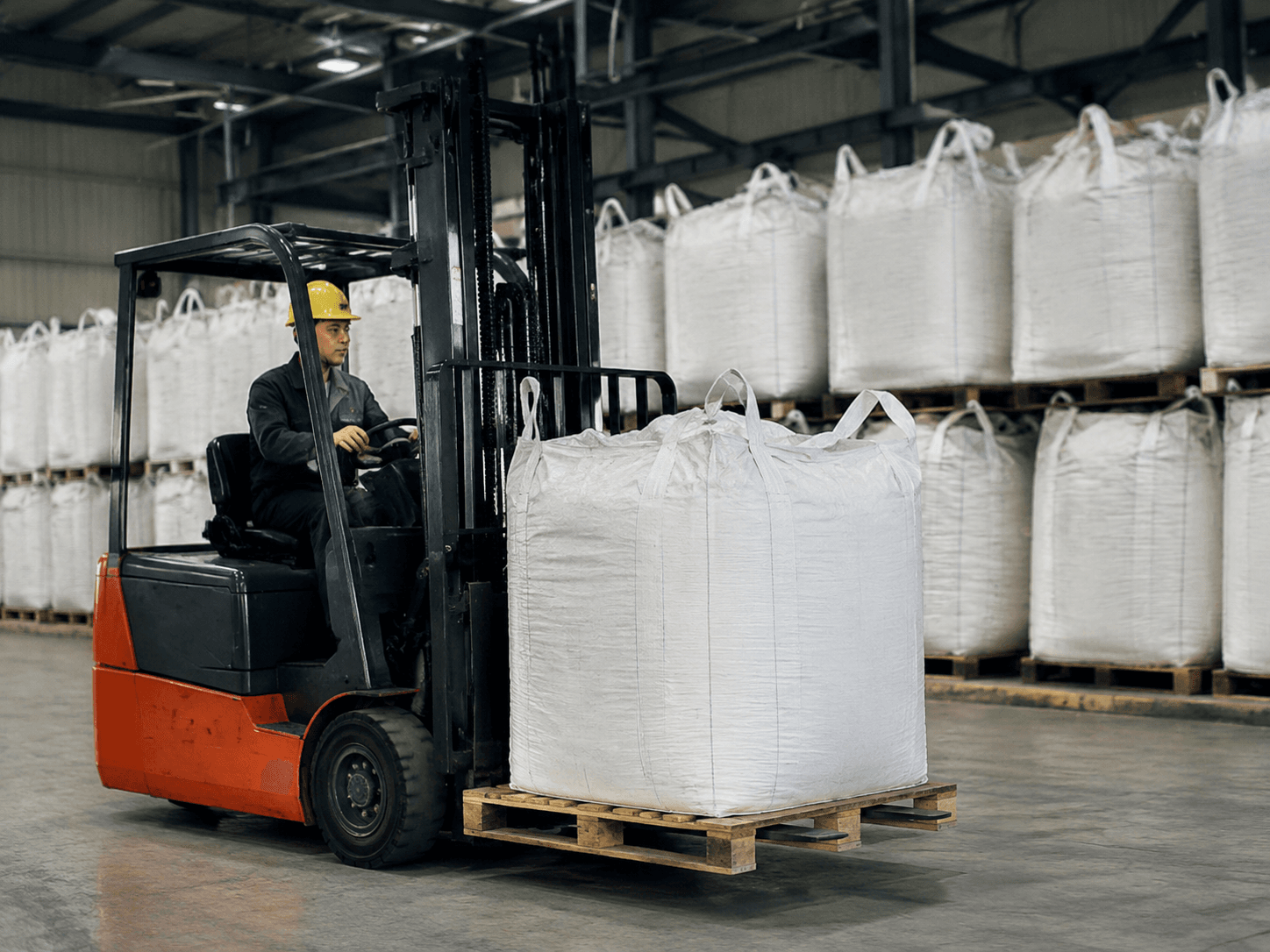
Woven Polypropylene FIBC Bulk Bags: How Material, Construction and Coating Affect Bulk Packaging Performance
In global bulk-material supply chains, FIBC bulk bags have developed from simple transport containers into important logistics tools connecting production, warehousing, loading, unloading, and end use. Their actual performance depends not only on capacity, but also on woven polypropylene, bag construction, coating, liners, safety factors, and the application environment. For the food, chemical, agricultural, mining, and construction-material industries, selecting the right FIBC bulk bags affects load-bearing performance, material loss, transport efficiency, warehouse space, and operational safety.
Chemical Grade Bulk Bags: How to Select the Right Flexible Intermediate Bulk Containers (FIBC) for Chemicals, Powders, and Hazardous Materials
Bulk materials used in the chemical industry often have characteristics such as fine particle size, high flowability, strong moisture absorption, a tendency to cake, or a high risk of electrostatic charge buildup. For chemicals, powder materials, and certain hazardous materials, packaging does more than hold the product—it directly affects material quality, workplace safety, and transportation reliability.
Want to know more?
Get in touch with us for more information about our services and products.