
The Quiet Packaging Shift Behind Safer, Cleaner, and More Predictable Bulk Deliveries

Dayang Yang
AuthorWith experience in FIBC bulk bag manufacturing and export sales, we operate our own production facility with stable large-scale capacity. We are specialists in bulk bags, conductive FIBCs, food-grade FIBCs, UN certified bags, and customized flexible intermediate bulk containers for industrial packaging and bulk material transportation solutions.
Summary
Across bulk material industries, FIBC bulk bags are quietly moving from basic transport packaging to a more strategic part of supply chain planning. Buyers in chemicals, minerals, food ingredients, agriculture, and new energy materials are no longer evaluating bags only by price and load capacity. They are asking whether the packaging can reduce safety risks, keep materials cleaner, improve handling efficiency, and make delivery outcomes more predictable.
This shift is changing how companies select FIBC solutions. Instead of treating packaging as the final step before shipment, more buyers are now considering bag structure, liner options, static control, moisture protection, discharge methods, and storage conditions at the beginning of the procurement process.
Bulk Deliveries Are Facing Higher Expectations
Bulk material transportation used to focus mainly on moving large volumes at the lowest possible cost. If a bag could hold one or two tons of material and survive lifting and loading, it was often considered good enough.
That standard is changing.
Today, customers expect more consistent delivery quality. They want materials to arrive without contamination, moisture damage, caking, dust leakage, static risk, or handling delays. At the same time, international shipping routes are longer, warehouse conditions vary from country to country, and many materials now have higher value or more sensitive performance requirements.
As a result, a bulk bag is no longer just a container. It has become part of the delivery system.
A small packaging decision can influence how safely a product is filled, how cleanly it is stored, how efficiently it is unloaded, and how confidently the customer receives the shipment.
Safety Is Becoming a Packaging Design Issue
One of the clearest changes in FIBC procurement is the growing attention to safety.
In industries handling fine powders, chemical materials, lithium battery materials, plastics, and other dry bulk products, static electricity can become a serious concern. During filling, lifting, transportation, and discharge, friction between the material and the bag may generate electrostatic charges. In environments with combustible dust, flammable vapor, or sensitive production conditions, this risk cannot be ignored.
This is why anti-static and conductive FIBC designs are becoming more important in modern bulk logistics.
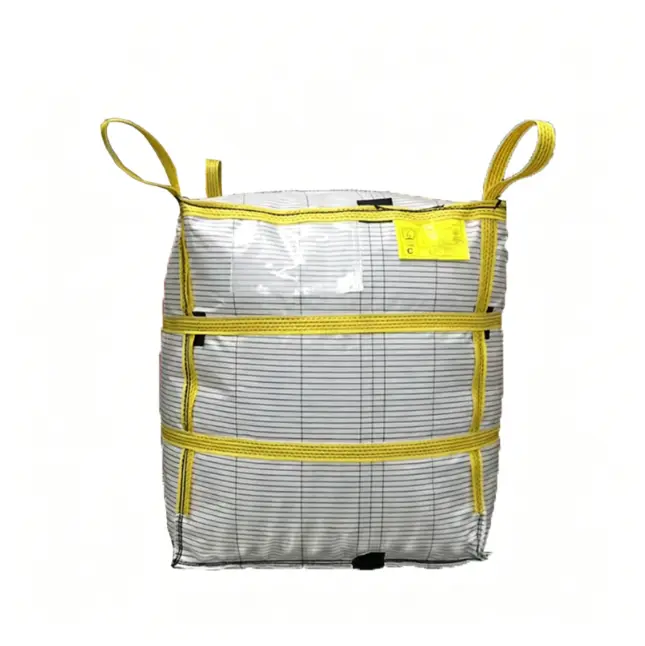
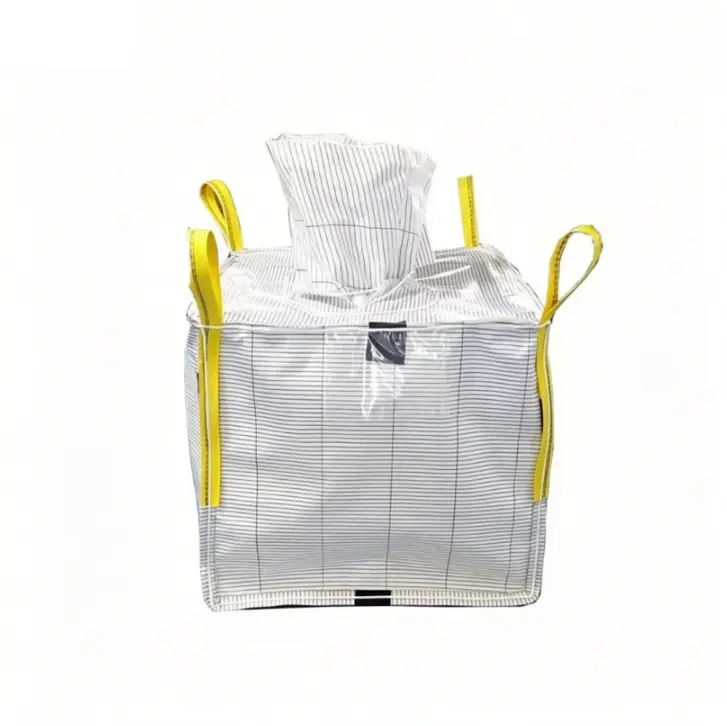
For example, Conductive Type C Anti-Static FIBC Bulk Bags are designed for applications where static electricity needs to be safely dissipated through grounding. By using conductive yarns and grounding points, Type C FIBC bags help reduce the risk of electrostatic discharge during filling and unloading operations.
For buyers, this kind of packaging is not simply an upgraded bag. It is a way to make the handling process safer and more controlled. When packaging is selected according to the working environment and material risk, companies can reduce uncertainty before the shipment even leaves the factory.
Cleaner Handling Is Now Part of Customer Experience
Cleanliness is another reason buyers are rethinking FIBC design.
For many bulk materials, contamination is not always visible at first glance. Dust leakage, moisture absorption, foreign particles, or contact with unsuitable packaging materials may only be discovered after the goods arrive at the customer’s site. By that time, the cost of correction is much higher.
In sectors such as food ingredients, fine chemicals, pharmaceutical intermediates, and new energy materials, packaging cleanliness has a direct impact on customer trust. A bag that leaks powder, absorbs moisture, or creates residue during discharge can affect production efficiency at the destination.
This is why buyers are paying closer attention to liner structures, barrier materials, sealing methods, and discharge performance.
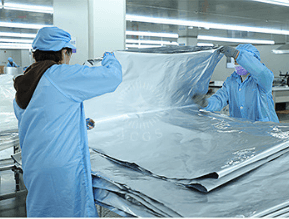
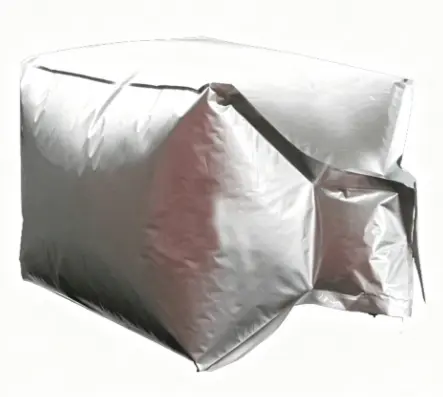
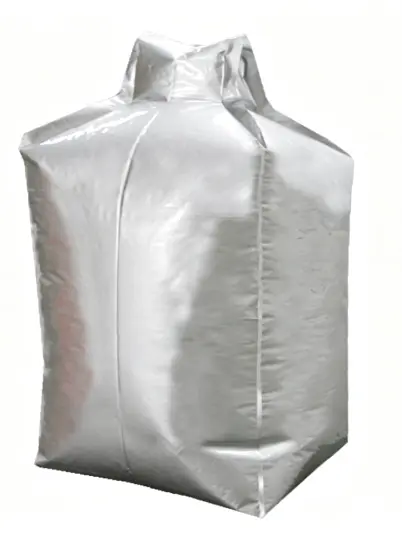
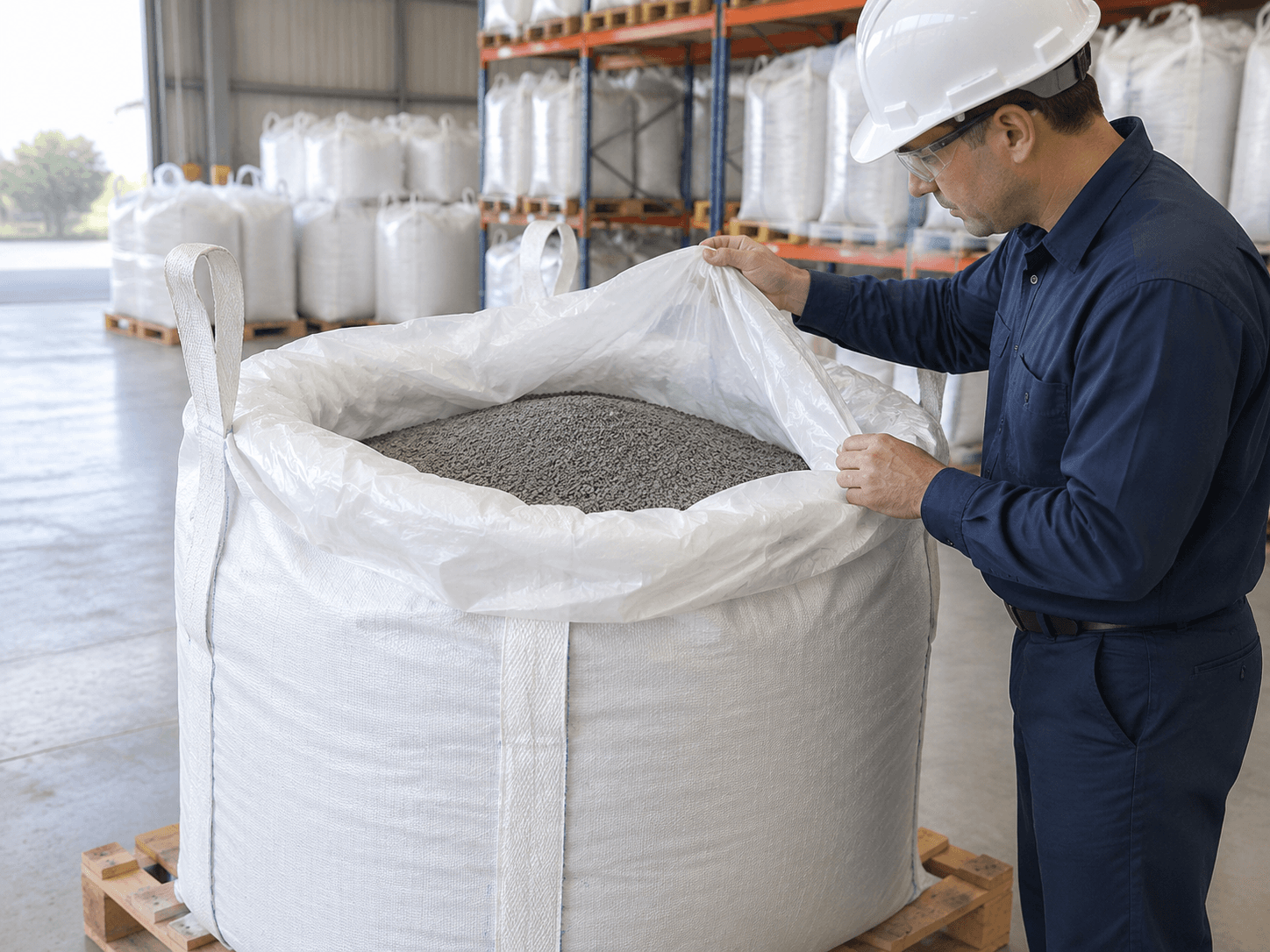
For moisture-sensitive or high-value materials, Aluminum Lined FIBC Jumbo Bags provide an option for stronger protection against moisture, oxygen, and light. The aluminum barrier structure helps protect materials during storage and long-distance transportation, especially when the product must remain stable under changing humidity or temperature conditions.
In this sense, cleaner packaging is not only about appearance. It is about protecting material integrity from factory to final use.
Predictability Matters More Than Ever
A predictable delivery is one where the supplier knows what will happen at each stage: filling, lifting, stacking, container loading, sea transport, warehouse storage, and discharge.
This predictability depends heavily on packaging design.
If the bag structure is not suitable for the material weight, the bag may deform during stacking. If the liner is not fitted properly, material may remain trapped inside after unloading. If the discharge spout does not match the customer’s equipment, unloading may take longer than planned. If moisture protection is insufficient, materials may arrive in a different condition from when they were packed.
Each issue may seem small, but together they can create delays, extra labor, cleaning costs, product loss, and customer complaints.
That is why more buyers are asking detailed questions before placing orders:
- What is the material density?
- Is it powder, granule, flake, or block?
- Is the product sensitive to moisture or oxygen?
- Will it be stored outdoors or indoors?
- How long is the shipping cycle?
- What filling and discharge equipment will be used?
- Are there static electricity or dust explosion concerns?
These questions show that FIBC procurement is becoming more technical. Buyers are not only purchasing bags; they are designing a more predictable logistics process.
The Shift From Low Price to Lower Total Risk
The quiet packaging shift is also a shift in purchasing logic.
A low-cost bulk bag may look attractive during quotation, but it can become expensive if it causes leakage, product damage, discharge problems, safety risks, or customer rejection. On the other hand, a properly designed FIBC solution may reduce hidden costs across the supply chain.
For export-oriented companies, this matters even more. Once goods are loaded into containers and shipped overseas, packaging problems become difficult and expensive to solve. A stronger decision at the packaging stage can prevent larger problems later.
This is why many buyers now evaluate FIBC bags based on total risk rather than unit price alone. They want packaging that supports stable operations, protects product quality, and fits the destination customer’s handling process.
Packaging Is Becoming a Competitive Detail
In global bulk material trade, suppliers compete not only on product quality but also on delivery reliability. Customers remember whether goods arrive safely, cleanly, and consistently.
A well-designed FIBC bag can help build that confidence. It shows that the supplier understands not only the product, but also the practical conditions of storage, transport, and unloading.
This is especially important for industries where materials are high-value, sensitive, dusty, hazardous, or difficult to handle. In these sectors, better packaging design can become a quiet but powerful advantage.
Conclusion
The role of FIBC bulk bags is changing. They are no longer viewed only as large containers for moving bulk goods. They are becoming part of a broader system for safer, cleaner, and more predictable deliveries.
As buyers pay more attention to static control, moisture protection, cleanliness, handling efficiency, and total supply chain risk, packaging decisions are becoming more strategic.
For companies shipping bulk materials across long distances, the right FIBC design can reduce uncertainty, protect product value, and improve customer confidence. That is why the future of bulk delivery may depend not only on what is inside the bag, but also on how carefully the bag itself is designed.
Related News
Other news you might be interested in
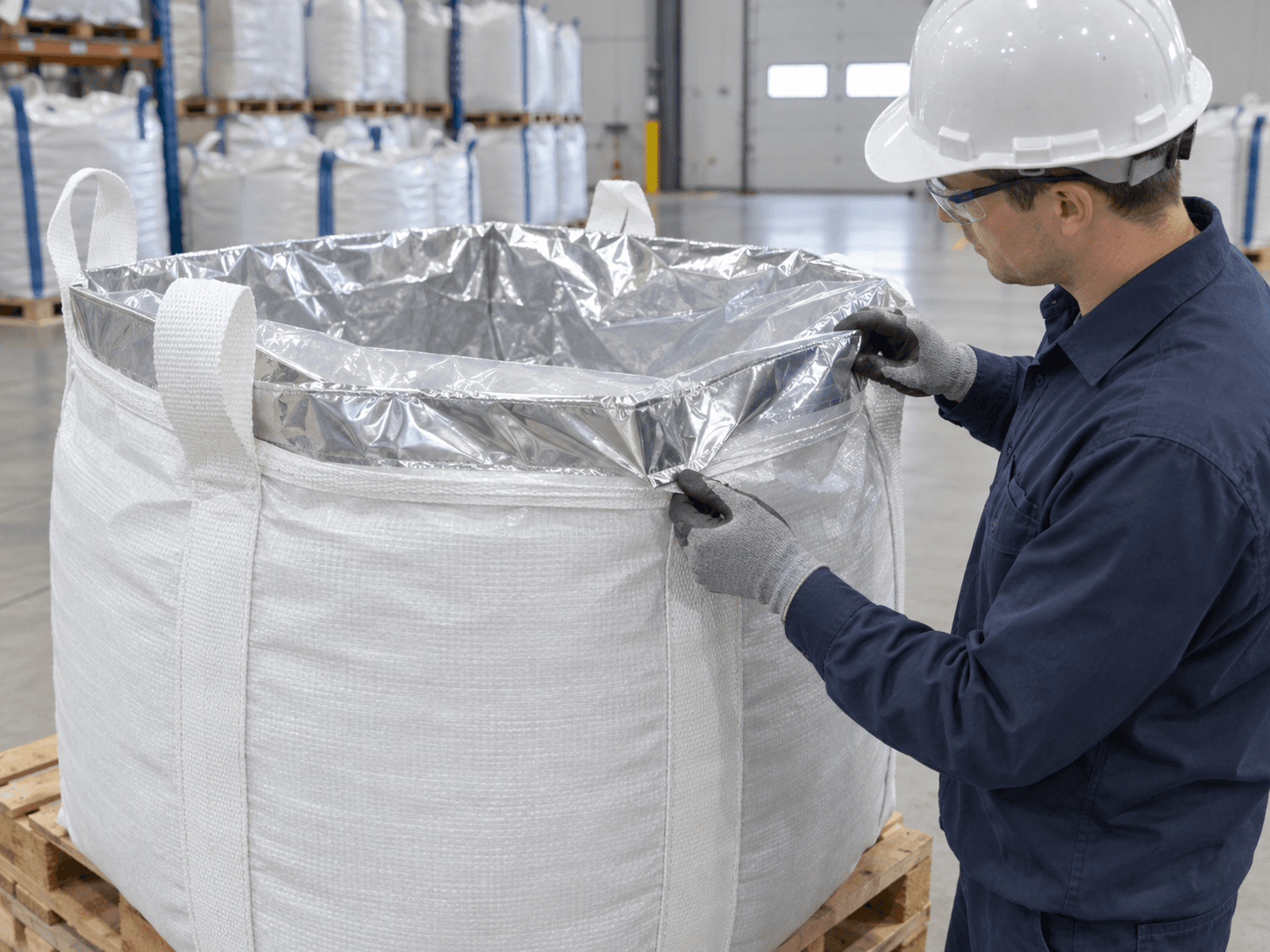
How to Evaluate Aluminum Foil FIBC Liners: Barrier Data, Sealing and Trial Checklist
An aluminum foil FIBC liner can look like a simple upgrade on a quotation. The supplier may describe it as high barrier, moisture proof or oxygen resistant. Those words do not answer the buyer’s real question: will the finished liner protect this product through filling, transport, storage and discharge?That question cannot be settled by the word “foil” or by one impressive barrier number. It requires a review of the complete laminate, the test conditions behind the data, the seams and closure, the sealing process and a representative trial. This checklist is for packaging engineers, procurement teams and quality teams evaluating aluminum foil FIBC liners for moisture-sensitive powders, granules and other dry bulk materials. It explains what to request, how to compare supplier claims and what evidence to keep for repeat orders.
Do Fertilizer Bulk Bags Need Liners? A Buyer’s Checklist for Moisture, Caking and Discharge
Fertilizer bulk bags are often quoted with a liner as though the liner were a standard safety feature. It should not be treated that way. The useful question is not simply “Does a fertilizer bag need a liner?” It is “What protection does this fertilizer need, through this route, in this bag, with this filling and discharge system?”The answer affects more than material cost. A fertilizer bag liner changes how the bag is filled, closed, handled and emptied. It can reduce moisture ingress and dust leakage, but it can also trap air, shift during discharge or create a closure problem if the complete design is not checked.
Want to know more?
Get in touch with us for more information about our services and products.