
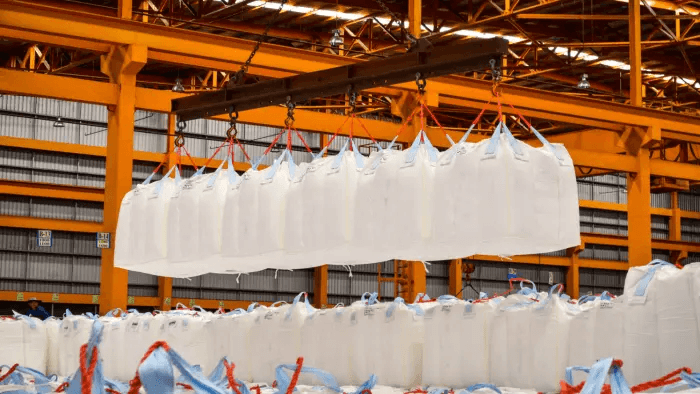
Types of FIBC Bulk Bags: A, B, C & D Explained

Dayang Yang
AuthorWith experience in FIBC bulk bag manufacturing and export sales, we operate our own production facility with stable large-scale capacity. We are specialists in bulk bags, conductive FIBCs, food-grade FIBCs, UN certified bags, and customized flexible intermediate bulk containers for industrial packaging and bulk material transportation solutions.
Introduction
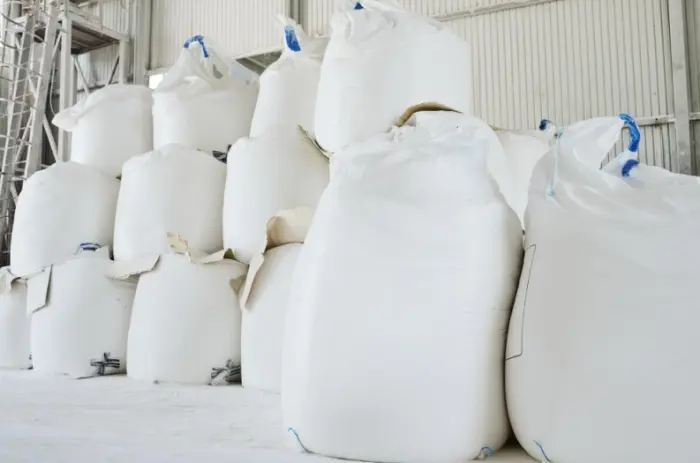
FIBC bags, which stand for Flexible Intermediate Bulk Containers, are changing the way bulk materials are handled in different sectors. Made from woven polypropylene, these large and flexible containers can carry a weight of up to 300 times their own which makes it an effective, affordable and environmentally friendly option for the transportation and storage of flowable dry products.
This guide will illustrate the types of FIBC bags (A, B, C, and D), their characteristics, and how one can select an appropriate FIBC bag to suit their purpose. It does not matter whether one operates in agriculture or construction, or chemicals or food processing; it is necessary to learn about FIBC bags so as to make the most of your packaging and transportation process for all products.
Key Takeaways
1. Three types of FIBC bags (A, B, C, D) are available to customers according to the handling of static electricity.
2. Different types of FIBC bags have been developed to be used in carrying different materials in different environments so that safety is guaranteed.
3. It is necessary to ensure that an appropriate type of FIBC bag is chosen to achieve safety when carrying out any activities in the industry.
Understanding Static Electricity in FIBCs
It is necessary, before drawing the individual bags of which the FIBC comprises, to elaborate on static electricity regarding these containers. It is common that powders within an FIBC cause friction upon filling or emptying it that moves the powders, generating static charge. Such a build-up of static charge can clearly be dangerous, especially in situations where you are dealing with flammable or combustive substances.
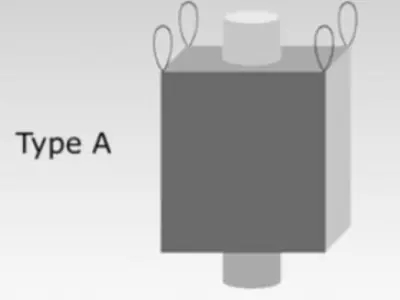
Type A FIBC Bags
Features:
Constructed of plain-woven polypropylene or any other non-conductive material
No static protection provided
Creation of static electricity because of filling and emptying process
Safe Uses:
As a means of transporting non-flammable products.
Where there is no flammable solvent or gas
Precautions:
These are not suitable for flammable products
These may not be used in an area with a flammable atmosphere.
Type FIBC bags are the most basic form of bulk bags. They are perfectly suitable for many applications that do not involve hazardous materials and static electricity risks.
Type B FIBC Bags
Characteristics:
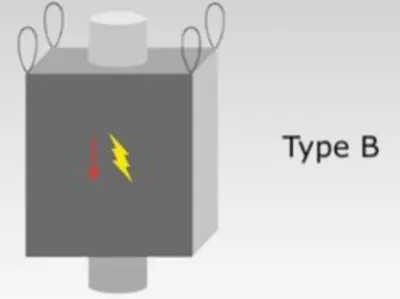
It is almost like a Type A bag, except made from non-conductive materials.
Built with low breakdown voltage.
Able to avert high-energy-propagating brush discharges.
Safe Uses:
Careful transportation of dry flammable powders.
Places where dust ignition energies are below 3mJ.
Precautions:
Usage of these bags is not recommended in areas with flammable solvents or gasses.
Do not undertake high fastening centrifugal force of FIBC to static control.
While they may not diffuse static charge type B FIBC bags overtime, the bags are however designed in a manner that precludes danger of propagating brush discharges. Hence, the bags can handle certain flammable materials.
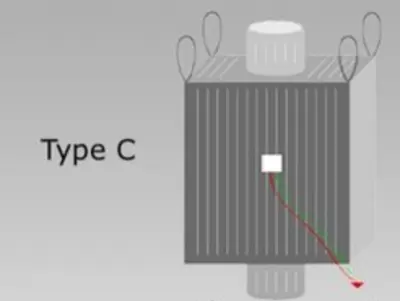
Type C FIBC Bags
Characteristics:
Fiber glass fabric with conductive thread interwoven in it makes these types of bags
Requires grounding is a must while filling and discharging these bags
With a conductive structure
Safe Uses:
Moving and transporting powders that are inflammable
Areas that have vapors, gasses, or even combustible dust.
Precautions:
Must remain properly grounded at all times during operation
Risky if earthing is absent or compromised
Type C FIBC or conductive FIBC, on the other hand, is made in such a manner that it will discharge a static charge when it is correctly earthed. These Are Important When Working With Combustible Substances in Dangerous Situations
Type D FIBC Bags
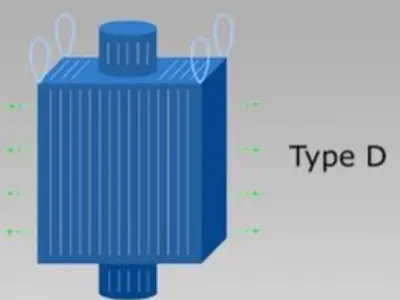
Characteristics:
Constructed from anti-static or static control fabrics
No earthing system has to be connected.
Ignition sparks and brush discharges are effectively avoided.
Safe Uses:
Movement of powder materials that are highly flammable
Surroundings with flammable liquids, gasses, or combustible dust.
Precautions:
This type of container is ineffective when dirty and has conductive substances in it
Safety is enhanced regarding the handling of flammable substances using Type D FIBC bags. There is no need for earthing, hence avoiding angle errors.
Applications of FIBC Bags
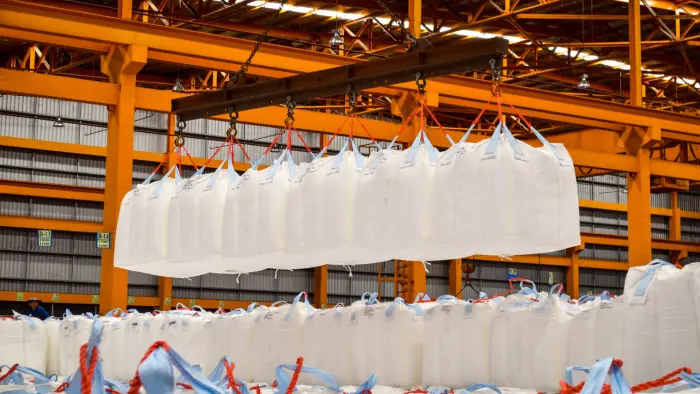
FIBCs are multipurpose containers used in a variety of industries:
Agriculture: Storage and transport of grains, seeds, and fertilizers
Construction: Loading of sand, gravel, and cement.
Chemical: Containers for packing dry powder, granulate, and other dry chemicals.
Food Processing: Storage of Ingredients and finished products in bulk.
Pharmaceuticals: Transporting raw materials for the medications and the medicines themselves.
Mining: Transportation of ores and minerals.
Safety Considerations
For safety during using FIBC bags, the following precautions need to be observed:
1.Select the right type of bag suited for the material and environment.
2.FIBC bags and personnel handling the bags should undergo training from time to time.
3.The bags should be properly handled and inspected for holes or degradation.
4.Adhere to the filling, handling, and emptying instructions from the manufacturer.
5.The risk of bag integrity poise is reduced through proper means of storing the bag
Conclusion
FIBC bags are a game changer in the field of bulk material handling enabling businesses from various industries to work efficiently and with a lot of versatility. It is also important to note that in order to increase the storage and transport potential of the business, there are many types of FIBC bags and each serves a specific purpose hence the need to place safety and environmental aspects first in any initiative.
Once you decide to use these EIBC bags in your operations, do not forget to evaluate the requirements of your operation including nature of the materials, temperature, and other factors including the law. For further inquiries on FIBC bags and what they can do for your enterprise, please visit FIBCWORLD.
Related News
Other news you might be interested in
What Is a Super Sack? FIBC vs Bulk Bag vs Jumbo Bag Explained
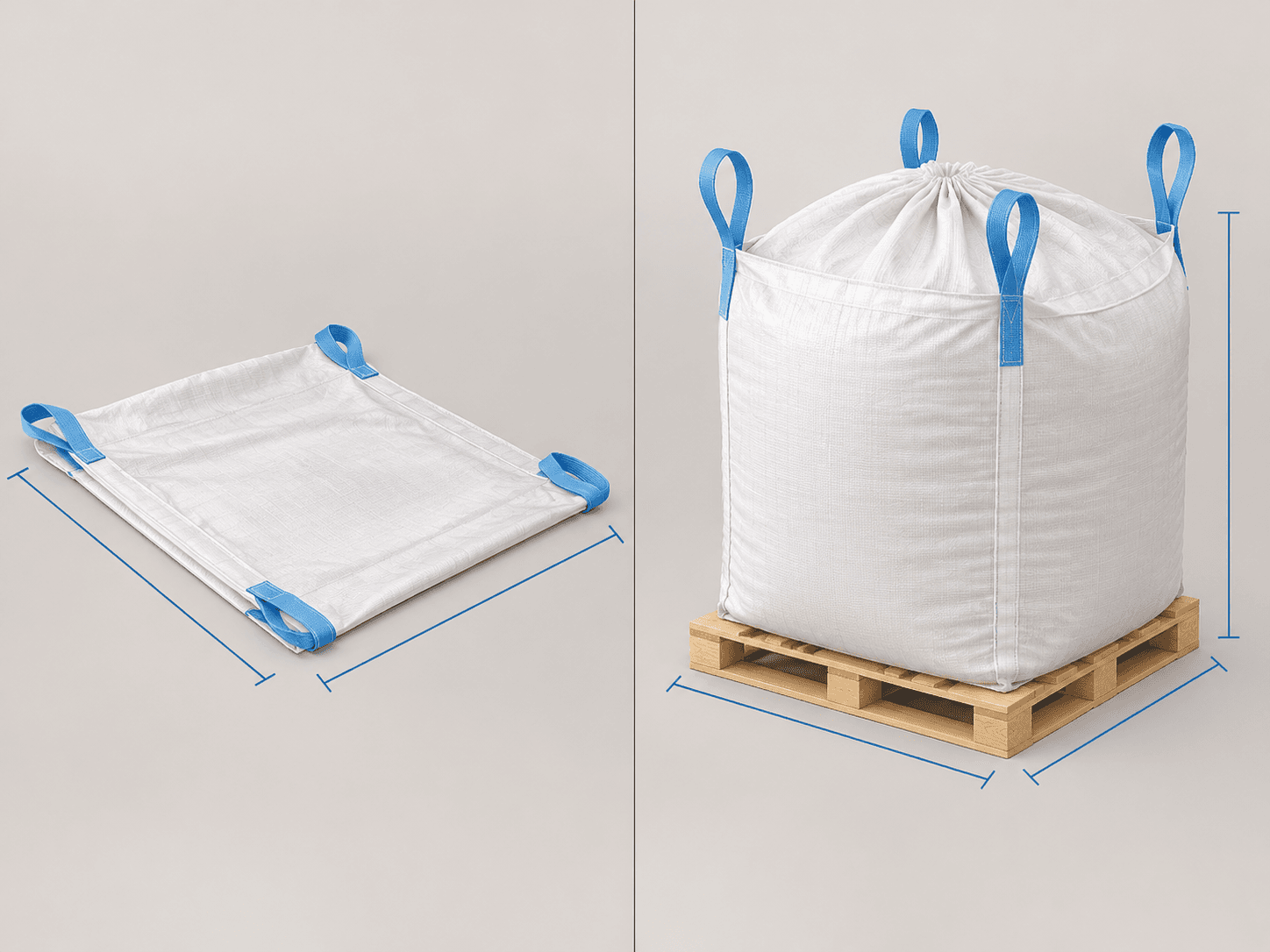
A buyer searches for a “super sack.” The supplier replies with an FIBC quotation. The drawing is titled “jumbo bag.” The warehouse calls it a bulk bag. Four names, one object—usually.The words are not identical in status. FIBC is the technical term used by standards and industry guidance. Bulk bag, big bag, tote and jumbo bag are trade terms. Super Sack® is a registered trademark, not a generic name for every large woven bag.That distinction matters when a purchase order, a drawing or a customs document uses one term while the supplier uses another. The label helps you find the product family. It does not tell you the safe working load, the filled dimensions, the liner, the lifting arrangement or the compliance route. Those have to be specified.
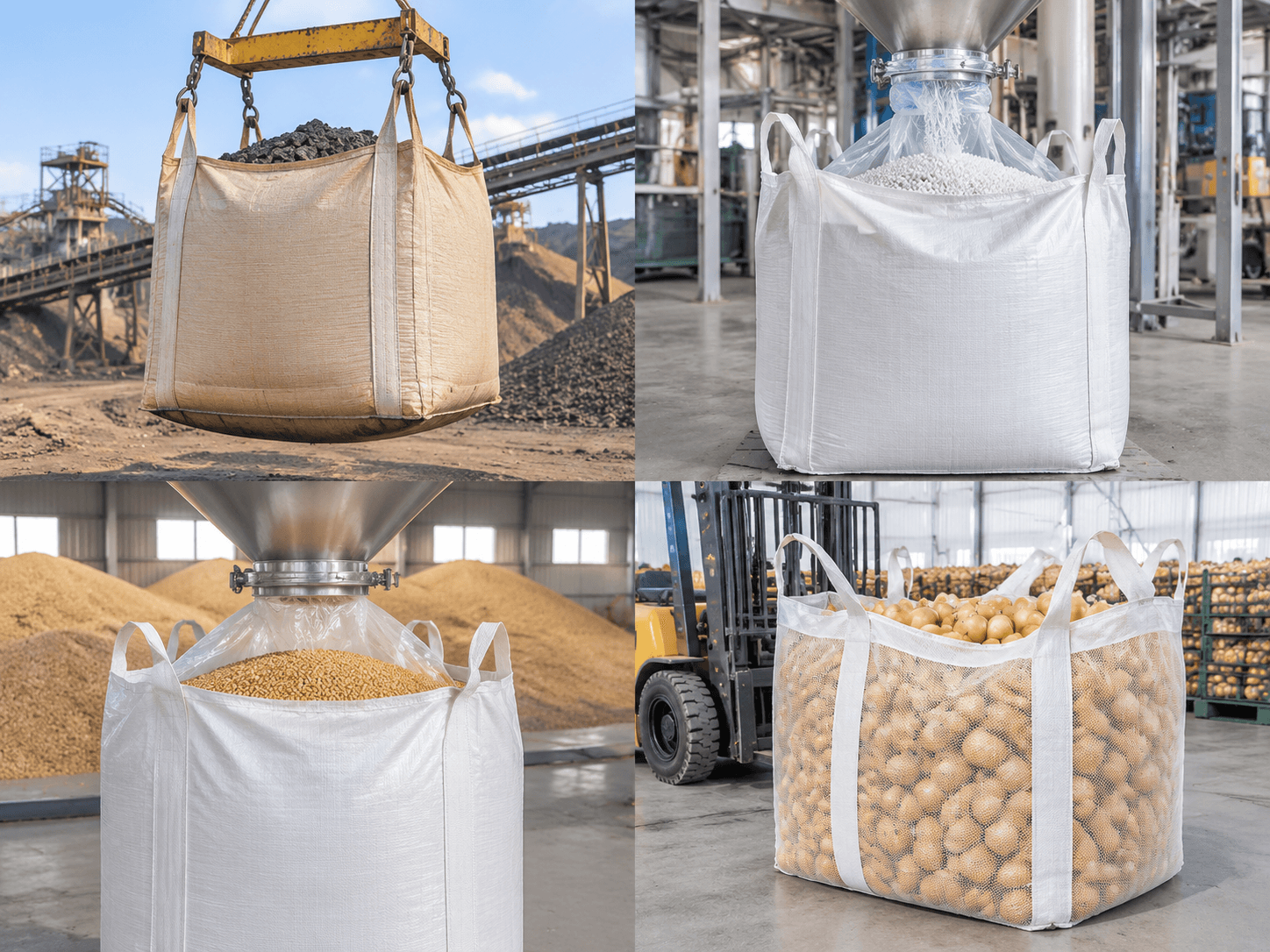
Bulk Bags by Application: Minerals, Fertilizer, Grain and Produce
A mineral concentrate, a fertilizer blend, a load of wheat and a load of onions can all be packed in a bulk bag. They should not all be specified the same way.On a quotation, each may appear as a one-tonne FIBC with a top opening and a discharge spout. In service, the loads behave differently. A dense mineral concentrate can reach its target mass at a low fill level and concentrate stress in the base and seams. A hygroscopic fertilizer can pick up moisture, cake and block the outlet. Grain can arrive dry but become unacceptable if condensation, pests or contamination are not controlled. Fresh produce can lose quality through heat, condensation and handling damage even when the bag itself remains intact.
Want to know more?
Get in touch with us for more information about our services and products.