Bag Styles & Body Construction
Panel, tubular, baffle and loop body choices
Choose the body structure that controls bag shape, filling stability, stacking behavior and container loading efficiency.
5 styles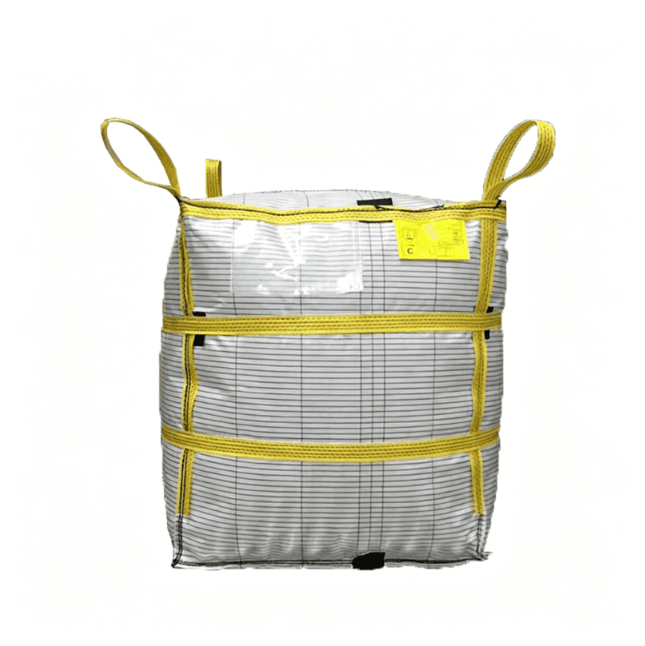
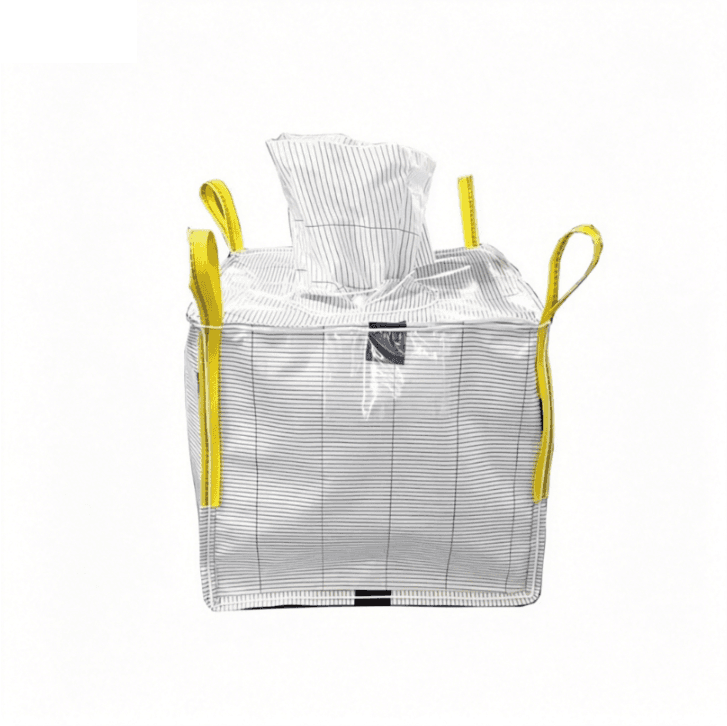
Panel, tubular, baffle and loop body choices
Choose the body structure that controls bag shape, filling stability, stacking behavior and container loading efficiency.
5 styles
Forklift, crane and port handling systems
Match loop placement and strap reinforcement to forklift pickup, crane lifting, port handling and heavy-duty transfer.
5 strap options
Open, spout, conical and duffle top choices
Select the top opening for manual loading, controlled silo discharge, automatic filling equipment or dust reduction.
4 top options
Flat, spout, conical or full discharge
Set the discharge method for closed-bottom transport, controlled unloading, fast emptying or low-residue discharge.
4 discharge options
Moisture, leakage and reinforcement details
Add liner, seam and reinforcement details when the cargo needs moisture control, leak resistance or extra safety margin.
3+ protection features
Branding, warnings and certification support
Prepare buyer-facing identification, handling marks and compliance requirements for food, chemical or regulated cargo.
Branding & compliancePanel, tubular, baffle and loop body choices
Choose the body structure that controls bag shape, filling stability, stacking behavior and container loading efficiency.
5 stylesForklift, crane and port handling systems
Match loop placement and strap reinforcement to forklift pickup, crane lifting, port handling and heavy-duty transfer.
5 strap optionsOpen, spout, conical and duffle top choices
Select the top opening for manual loading, controlled silo discharge, automatic filling equipment or dust reduction.
4 top optionsFlat, spout, conical or full discharge
Set the discharge method for closed-bottom transport, controlled unloading, fast emptying or low-residue discharge.
4 discharge optionsMoisture, leakage and reinforcement details
Add liner, seam and reinforcement details when the cargo needs moisture control, leak resistance or extra safety margin.
3+ protection featuresBranding, warnings and certification support
Prepare buyer-facing identification, handling marks and compliance requirements for food, chemical or regulated cargo.
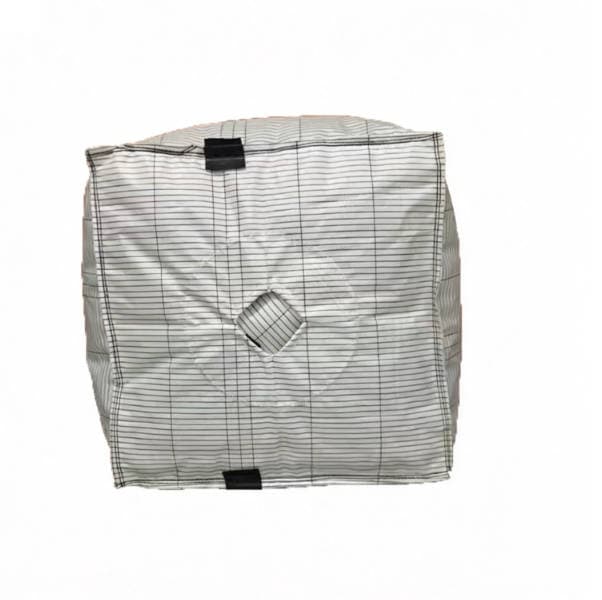
Branding & complianceType C conductive FIBC bulk bags are specialized industrial packaging solutions designed for environments where flammable gases, vapors, or combustible dusts create an explosion risk.
Constructed from non-conductive polypropylene fabric interwoven with a grid of continuous conductive fibers, these bags prevent incendiary electrostatic discharges during rapid filling and discharging processes. To ensure operational safety, Type C bags must be electrically grounded (connected to an earth ground) during both filling and emptying cycles to safely dissipate accumulated static electricity.
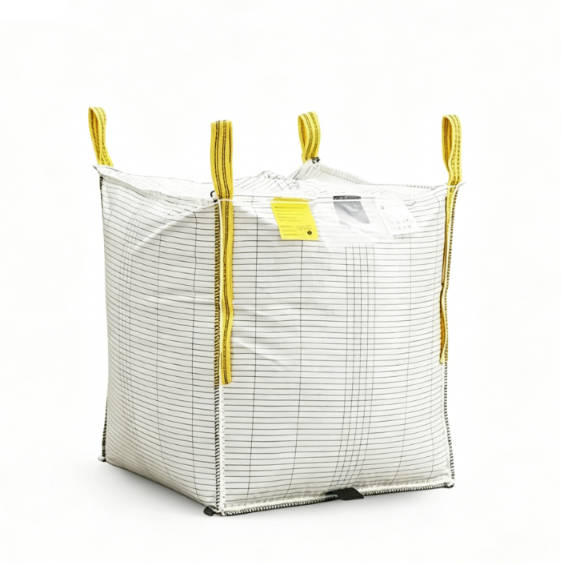
| Item | Specification |
|---|---|
| Product Name | Type C Conductive FIBC / Anti-Static Big Bag |
| Material | Virgin PP with interwoven conductive yarns / carbon filaments |
| Electrical Resistance | Ground lug resistance: <1.0×10⁷ ohms (Ω) |
| Safe Working Load (SWL) | 500 kg / 1000 kg / 1500 kg |
| Safety Factor (SF) | 5:1 (Single-use) / 6:1 (Multi-trip reusable) |
| Grounding Mechanism | Exposed conductive tabs for grounding clamp attachment |
| Applicable Environments | Minimum ignition energy of materials < 3 mJ; combustible dust/gas present (Ex Zones 1, 2, 21, 22) |
To ensure the anti-static properties of a Type C bag function as designed, logistics teams must observe the following technical protocols:
If a Type C bag is not connected to an earth ground during operation, it behaves like an ungrounded conductor. It will store static electricity instead of dissipating it, which significantly increases the risk of a high-energy electrostatic spark that can ignite surrounding dust or flammable vapors.
Type C bags require physical grounding via a wire/clamp system to dissipate charge. Type D bags are made from static-dissipative fabrics that dissipate charge into the atmosphere via corona discharge without requiring a ground connection. Type C is preferred in many heavy chemical sectors where positive confirmation of grounding is mandated by safety protocols.
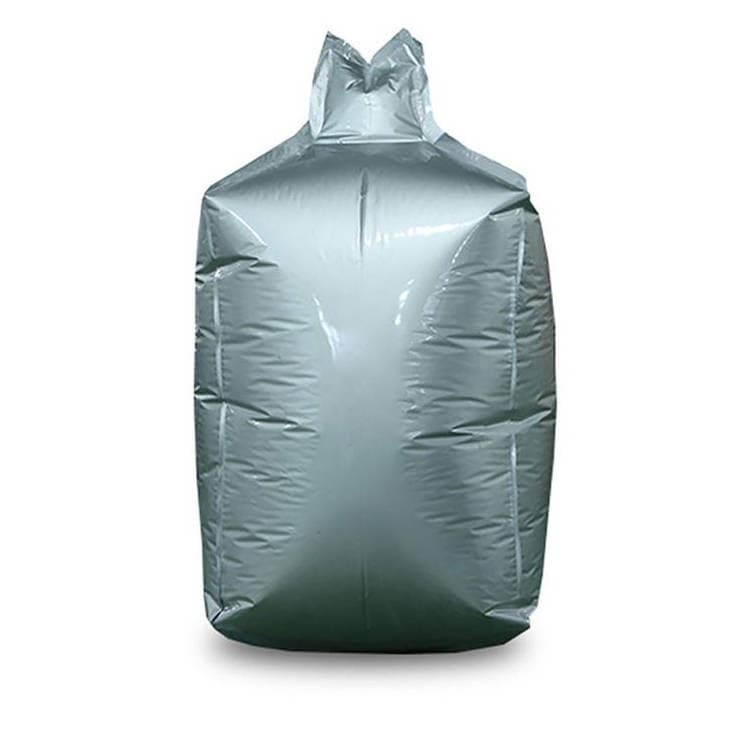
Yes, but they must be structurally matched. When shipping highly sensitive chemical or battery powders, a specialized aluminum composite liner can be integrated into the Type C bag to provide simultaneous moisture-barrier insulation and static mitigation.
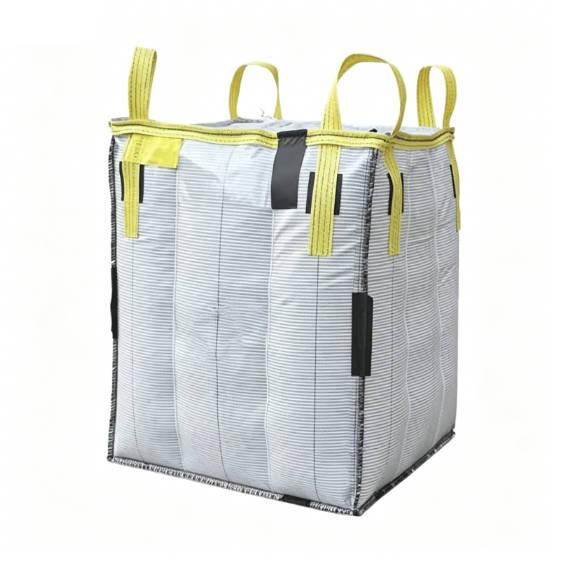
If you are handling materials with specific electrostatic risks but do not have full engineering specs, share your baseline operational parameters for a technical assessment:
---
Get in touch for more information, pricing, or custom requirements.