
Food Grade Bulk Bags: How to Choose the Right FIBC Bags for Food Ingredients

Dayang Yang
AuthorWith experience in FIBC bulk bag manufacturing and export sales, we operate our own production facility with stable large-scale capacity. We are specialists in bulk bags, conductive FIBCs, food-grade FIBCs, UN certified bags, and customized flexible intermediate bulk containers for industrial packaging and bulk material transportation solutions.
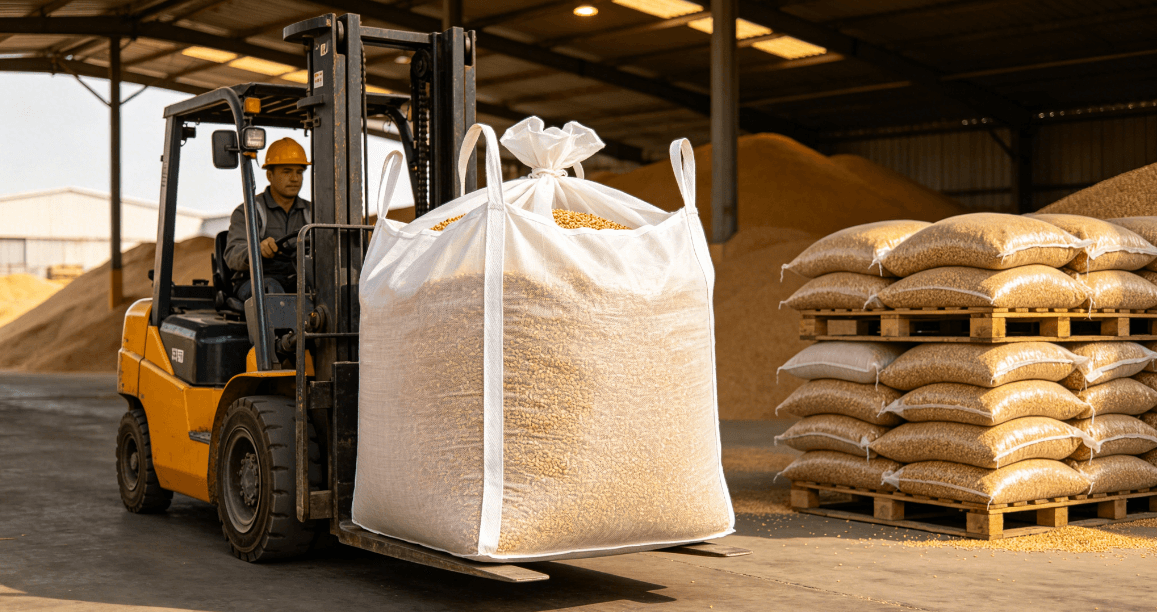
Food ingredient supply chains are moving from small-package, manual handling toward bulk materials, centralized storage, and mechanized feeding. Food grade bulk bags, food grade FIBC bags, and FIBC bags are therefore no longer merely loading containers. They have become an important link between ingredient production, warehousing, logistics, and factory operations. For dry materials such as grains, sugar, starch, protein powder, and food additives, packaging can affect product stability during transportation, storage, and discharge.
This shift is also changing how the industry views FIBC bulk bags. The focus is moving beyond bag capacity toward whether the packaging matches the material, process, environment, and target-market requirements. The food sector does not need one universal bulk bag; it needs a bulk packaging system that can manage contamination, moisture, dust, and handling risks.
What Are Food Grade Bulk Bags, and Why Do Food Ingredients Need Specialized FIBC Bags?
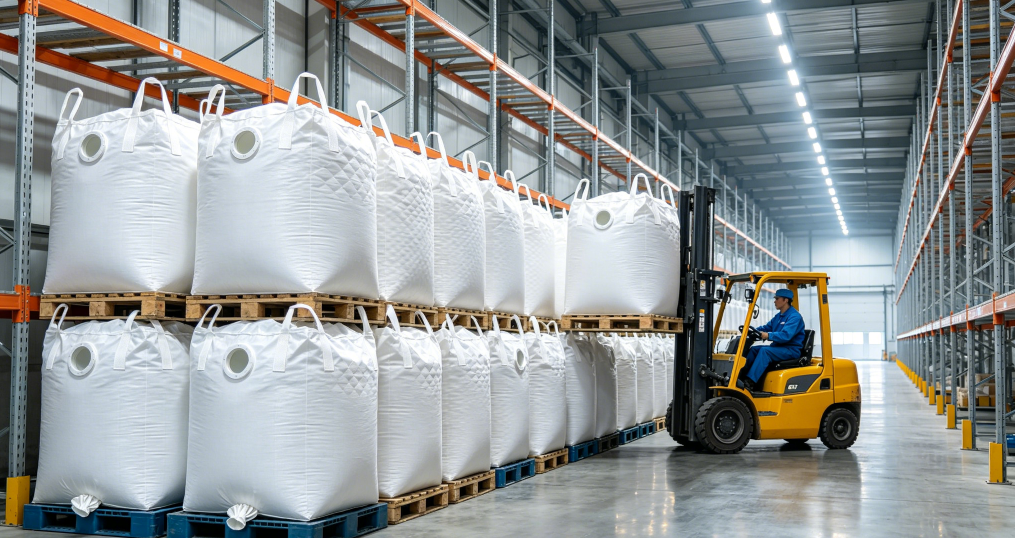
FIBC bags, or Flexible Intermediate Bulk Containers, have long been used to store and transport dry bulk materials. In food ingredient applications, however, they carry additional responsibilities: maintaining bulk-handling efficiency while reducing the risk of moisture exposure, foreign-material contamination, and cross-contamination throughout the supply chain.
“Food grade” should not be treated as a simple label on a bag. Suitable food grade FIBC bags should be evaluated through material-contact conditions, liner design, production hygiene management, storage conditions, and the food-contact material requirements of the intended market. For buyers, the goal is not to select the most complicated bag design, but to match packaging protection with the actual risk profile of the ingredient.
What Protection Requirements Should Food Grade FIBC Bags Meet?
Moisture, Dust, and Contamination Control
Powdered and moisture-sensitive ingredients are more vulnerable to environmental changes. Flour, powdered sugar, starch, and many food additives may clump, lose flowability, or become more difficult to process after moisture exposure. For this reason, food grade bulk bags should be assessed for moisture, dust, and foreign-material protection, not only for their load-bearing strength.
Preventing Leakage, Caking, and Cross-Contamination
In bulk food handling, leakage can create additional cleaning work, material loss, and batch-control pressure. Where multiple materials are handled in the same warehouse or feeding area, cross-contamination also becomes more relevant. FIBC liners, bulk bag liners, and suitable filling and discharge closures are increasingly important for controlling these risks.
Hygiene Control During Storage, Handling, and Transportation
Food-industry packaging requirements extend across the full operating cycle. Materials may be filled, stacked, transported by road or sea, stored for a period of time, and finally discharged into production equipment. Every exposure point can affect packaging performance. This is why the industry is moving from evaluating packaging materials alone toward assessing how packaging performs across the entire supply chain.
Food Grade Bulk Bag Materials: Woven Polypropylene, Coated Bags, or Liners?
The Basic Structure of Woven Polypropylene FIBC Bags
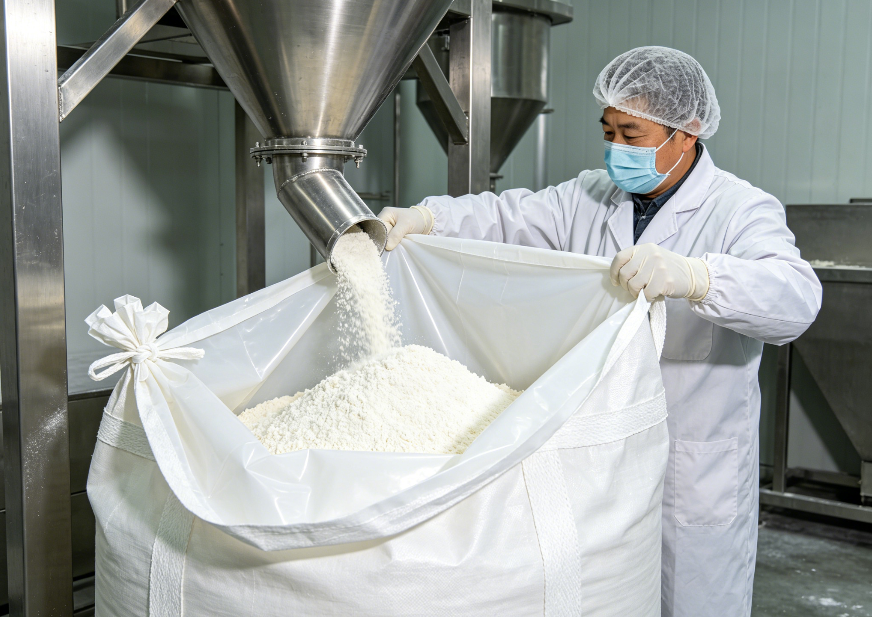
Woven polypropylene FIBC bags are a common base structure in the FIBC industry. Their woven construction supports the handling of dry bulk materials, but for food ingredients, the outer bag is only the first layer of the packaging system. Suitability also depends on material characteristics, storage duration, humidity, and discharge conditions.
Which Food Ingredients Are Suitable for Coated FIBC Bags?
Coated FIBC bags reflect the industry's increasing focus on basic barrier protection. Coating can improve protection against moisture and dust at the bag surface, but it does not replace every other protective measure. Its relevance should be evaluated together with storage duration, transport conditions, and the sensitivity of the material being packed.
Which Materials Need Food Grade FIBC Liners?
For food ingredients that require greater cleanliness, moisture protection, or separation from the outer bag, FIBC liners and lined bulk bags can play a more important role. A liner creates an additional separation layer between the material, the outer bag, and the surrounding environment. This can be particularly relevant for fine powders, moisture-sensitive ingredients, and dry materials requiring a higher level of protection.
How Should Coated Bags and Lined Bags Be Compared?
Coated FIBC bags and FIBC liners are not simply interchangeable options. Coating primarily supports outer-bag protection, while liners focus more directly on separation at the product-contact layer. The direction of food bulk packaging is toward combining solutions according to material risk, rather than using one bag construction for every ingredient.
Key Specifications to Confirm When Selecting Food Grade Bulk Bags
Bulk Bag Dimensions and Volume
Bulk bag dimensions affect warehouse utilization, pallet compatibility, container loading, and on-site handling efficiency. When considering bag size, food companies should look beyond volume and account for material density, silo connections, forklift or lifting methods, and compatibility with automated feeding systems.
Safe Working Load and Ingredient Filling Weight
Load capacity is a fundamental bulk-packaging parameter, but it should not be considered in isolation. Different food ingredients can have significantly different weights at the same volume. Therefore, FIBC bag weight calculation and FIBC capacity calculation should be based on actual material density, filling methods, and handling conditions.
Filling Spouts, Discharge Spouts, and Closure Methods
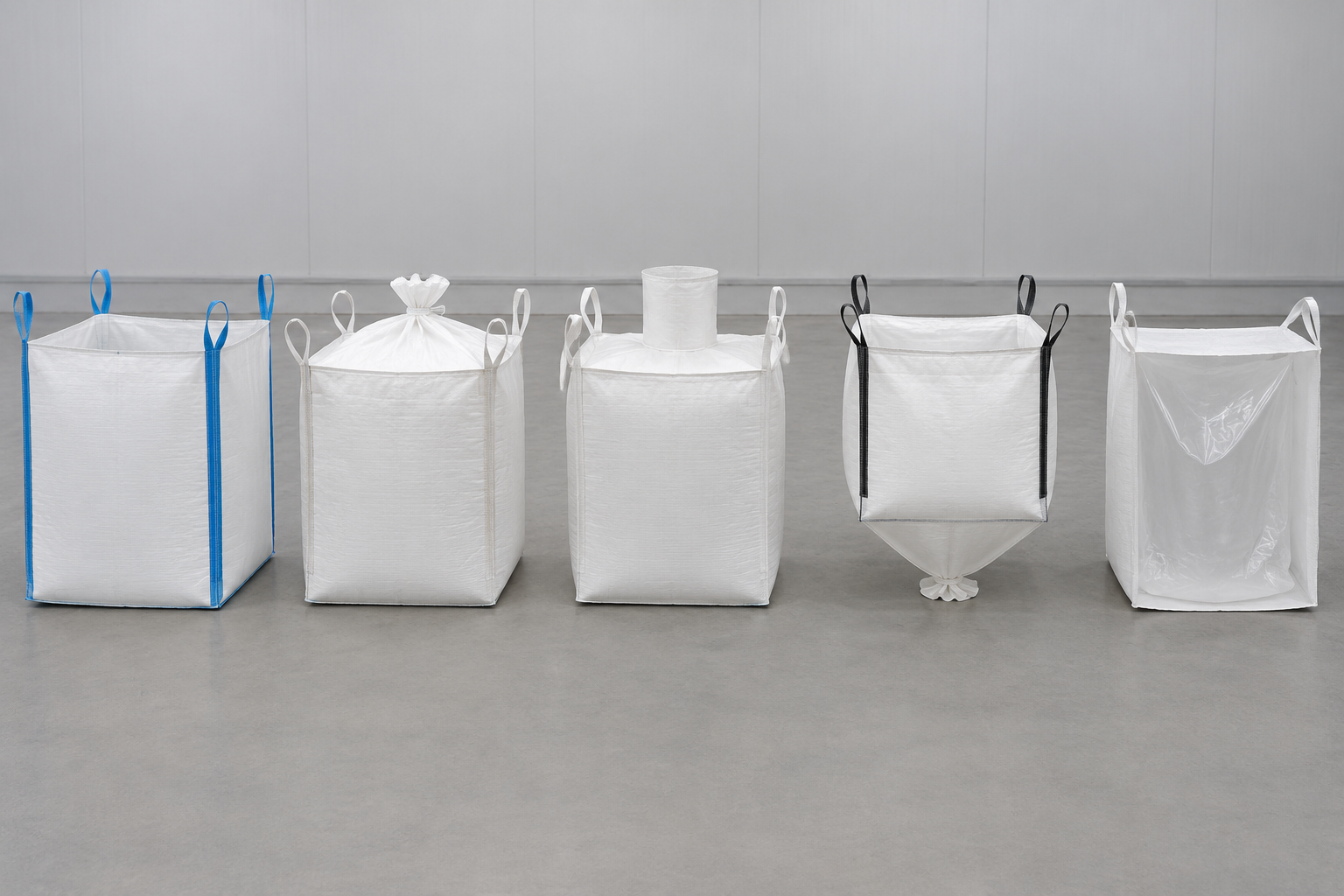
Bag-top and bag-bottom design reflects the industry's shift from simple containment toward controlled operation. In applications where reducing manual contact and material exposure matters, filling and discharge structures become especially important. Duffle top spout bottom FIBC bags are one example of a design that can support different filling and discharge processes.
Liner Fixing and Discharge Convenience
When using FIBC liners, the connection between the liner and the outer bag also affects daily operation. If the liner does not work smoothly with filling and discharge equipment, it may add complexity rather than reduce risk. Food ingredient packaging should not be improved by adding features without purpose; it should be improved by reducing uncertainty in the handling process.
Matching Different Food Ingredients With Suitable Food Grade Bulk Bags
Flour, Powdered Sugar, and Other Fine Powders
Fine powders can generate dust and are often more sensitive to moisture. Flour, powdered sugar, and powdered food additives typically require close attention to closure design, liner selection, and discharge control. For these materials, reliable discharge performance can be as important as the bag's protective ability.
Grains, Seeds, and Granular Food Ingredients
Grains, seeds, and other granular materials often place greater emphasis on storage duration, handling efficiency, and stacking stability. Packaging selection should consider moisture sensitivity, transport distance, warehouse conditions, and downstream processing requirements rather than rely only on a standard bulk-bag format.
Food Additives, Starch, and Dry Blends
Food additives, starch, and other dry blends may have higher value density and greater sensitivity to contamination or material loss. These applications are driving food grade bulk bags toward more precise material selection, liner use, and batch-management practices.
Ingredients With Higher Moisture or Cleanliness Requirements
For ingredients requiring higher cleanliness or moisture protection, packaging becomes a supply-chain risk-management tool. Whether food grade FIBC bags are suitable should be assessed through material characteristics, transport conditions, storage duration, handling methods, and target-market requirements.
What Should Buyers Confirm Before Purchasing Food Grade Bulk Bags?
Bag Materials and Liner Design
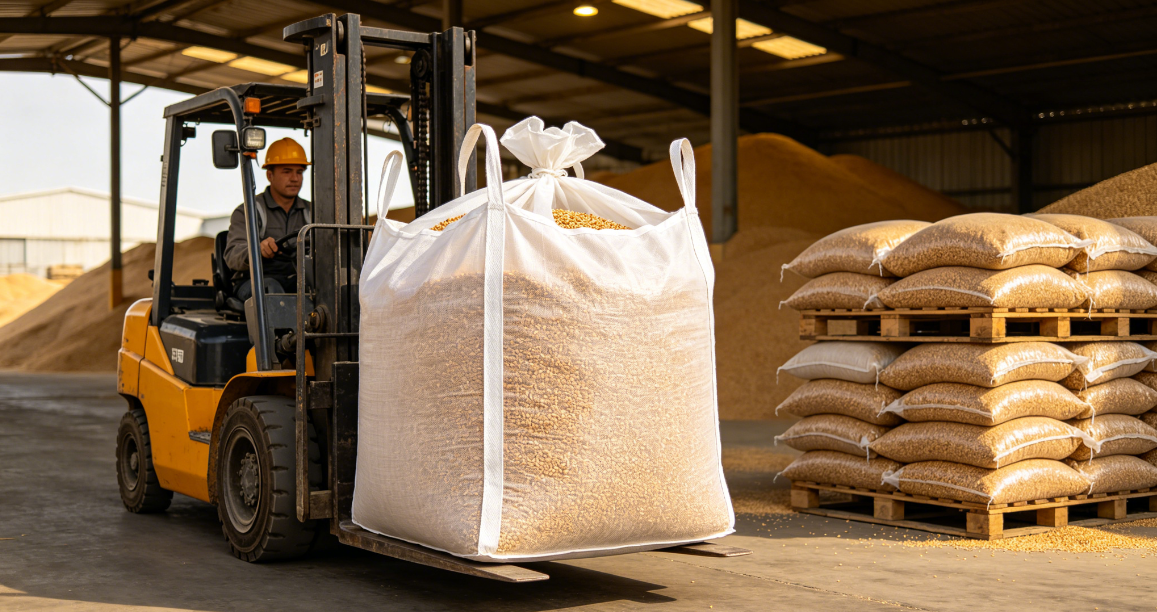
Buyers should first define the material's physical form, moisture sensitivity, dust characteristics, and protection goals before considering woven polypropylene FIBC bags, coated FIBC bags, or FIBC liners. Packaging material cannot be evaluated effectively without understanding the material being packed.
Dimensions, Load Capacity, and Bag Configuration
Bulk bag dimensions, load capacity, and bag-top or bag-bottom configurations need to correspond with real equipment and material-flow conditions. Food ingredient packaging is not an isolated purchase; it must work within the full storage, transport, filling, and discharge process.
Production Hygiene and Batch Traceability Information
Food packaging supply chains increasingly value traceability. Requirements can differ by market, material, and company quality system, so buyers should define the documentation and management information that applies to their own use case.
Sample Testing and Custom Printing Requirements
Custom FIBC bags can support more than visual identification. They may also help with batch recognition, logistics management, and operational instructions. Sample testing can help determine whether packaging matches the actual ingredient, filling equipment, and discharge process.
Food Grade Bulk Bag FAQs
Do Food Grade Bulk Bags Always Require a Liner?
Not necessarily. The need for FIBC liners depends on the material's sensitivity to moisture, dust, contamination, and separation requirements, as well as the overall storage and transport environment.
What Is the Difference Between Food Grade Bulk Bags and Standard FIBC Bags?
The difference is not limited to bag material. It lies in whether food grade bulk bags are designed around food-ingredient hygiene, material separation, handling processes, and quality-management requirements.
Are Coated Bags or Lined Bags Better for Food Ingredients?
Coated FIBC bags and lined bulk bags serve different protective functions. The appropriate option depends on material characteristics and the actual storage and handling environment.
Can Food Grade Bulk Bags Be Reused?
Reuse depends on the material handled, the condition of the bag, hygiene-management requirements, and internal control procedures. For food ingredients, reuse should be evaluated through a complete risk assessment rather than treated as a general rule.
How Can Buyers Determine the Right Bag Size and Capacity?
Start with material density, filling weight per bag, warehouse space, handling methods, silo connections, and discharge requirements. These factors can then be used with relevant FIBC bag specifications to form a practical selection basis.
Developing a Suitable FIBC Packaging Approach for Food Ingredients
The central trend in food ingredient packaging is a move from generic bags toward application-specific systems, and from basic load-bearing toward integrated protection. A suitable FIBC bag approach begins with the material type, particle size, moisture sensitivity, filling weight, storage conditions, and handling process before determining the required combination of outer bag, liner, and bag configuration.
For further background on bag construction, material protection, and application matching, readers can review FIBC World's FIBC Bulk Bag Purchasing Guide or submit their material and handling conditions through the Contact page.
Related News
Other news you might be interested in
Woven Polypropylene FIBC Bulk Bags: How Material, Construction and Coating Affect Bulk Packaging Performance
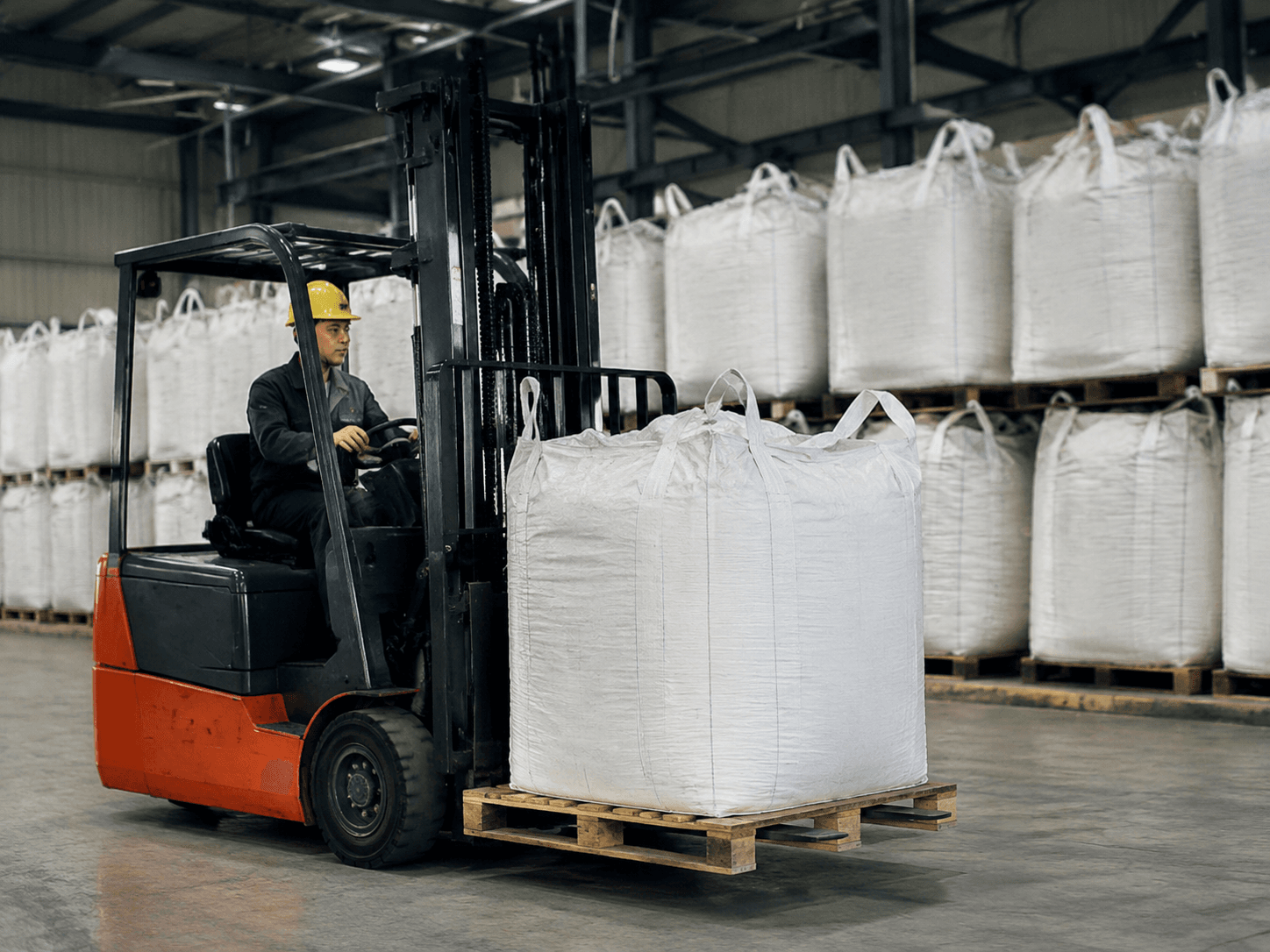
In global bulk-material supply chains, FIBC bulk bags have developed from simple transport containers into important logistics tools connecting production, warehousing, loading, unloading, and end use. Their actual performance depends not only on capacity, but also on woven polypropylene, bag construction, coating, liners, safety factors, and the application environment. For the food, chemical, agricultural, mining, and construction-material industries, selecting the right FIBC bulk bags affects load-bearing performance, material loss, transport efficiency, warehouse space, and operational safety.
Chemical Grade Bulk Bags: How to Select the Right Flexible Intermediate Bulk Containers (FIBC) for Chemicals, Powders, and Hazardous Materials
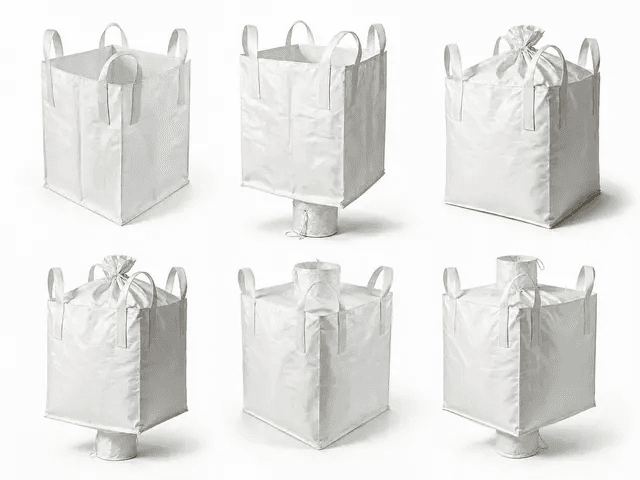
Bulk materials used in the chemical industry often have characteristics such as fine particle size, high flowability, strong moisture absorption, a tendency to cake, or a high risk of electrostatic charge buildup. For chemicals, powder materials, and certain hazardous materials, packaging does more than hold the product—it directly affects material quality, workplace safety, and transportation reliability.
Want to know more?
Get in touch with us for more information about our services and products.