
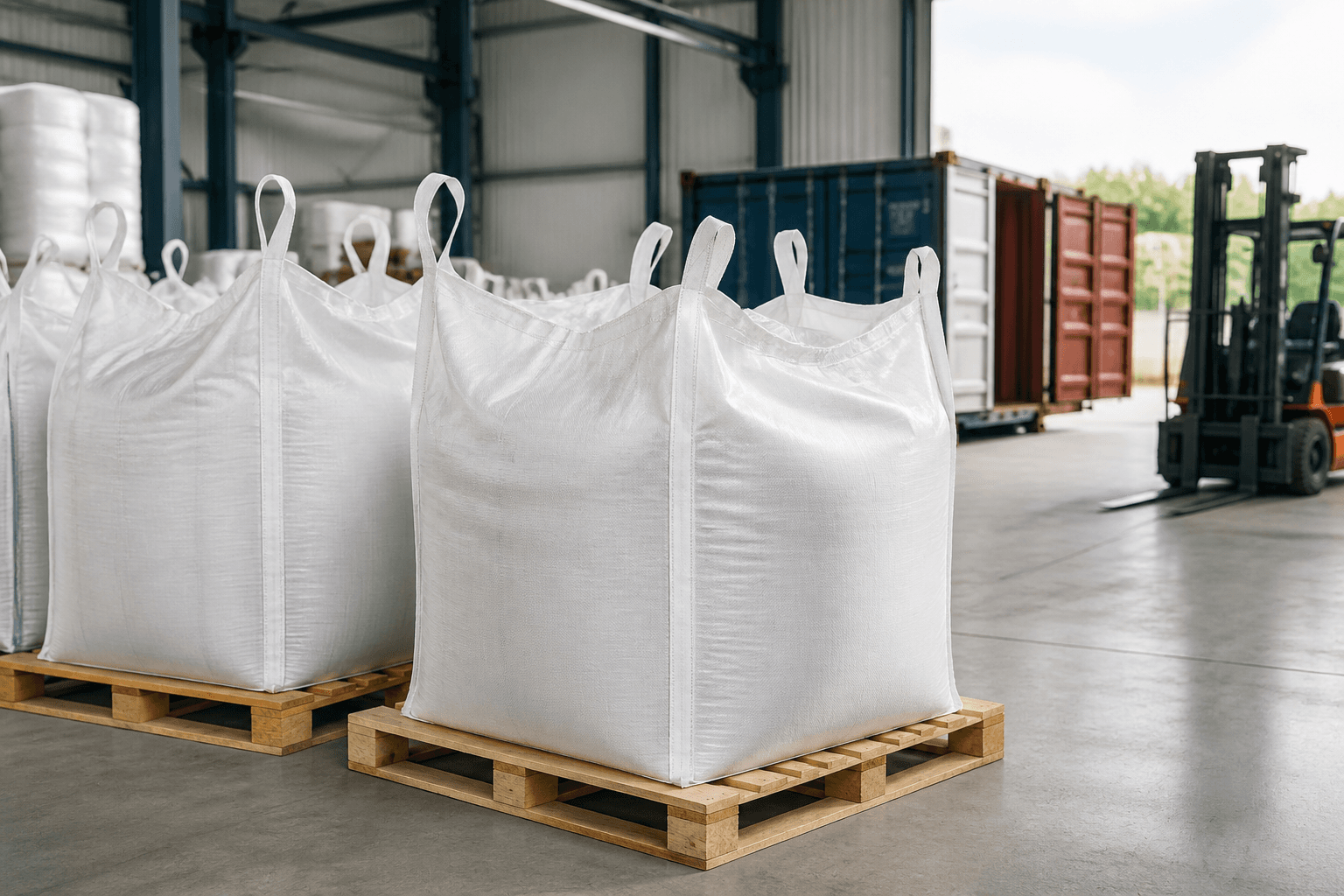
Custom FIBC Bulk Bags: How to Choose a Reliable FIBC Bag Manufacturer for Your Bulk Packaging Needs

Dayang Yang
AuthorWith experience in FIBC bulk bag manufacturing and export sales, we operate our own production facility with stable large-scale capacity. We are specialists in bulk bags, conductive FIBCs, food-grade FIBCs, UN certified bags, and customized flexible intermediate bulk containers for industrial packaging and bulk material transportation solutions.
Across chemicals, minerals, agriculture, food ingredients, plastics, and construction materials, the movement of powders, granules, and other dry bulk goods continues to grow. Companies are no longer asking only whether a bag can hold the material. They need packaging that works throughout filling, lifting, warehousing, ocean transport, discharge, and, where applicable, reuse. FIBC bags, or Flexible Intermediate Bulk Containers, have become an important part of modern bulk packaging because they combine high payload efficiency with flexible handling options.
Procurement requirements are also changing. Chemical and powder operations focus on static control, moisture protection, and containment. Food and agricultural supply chains require hygiene, liners, and traceability. Mining, construction, and port logistics place greater emphasis on load performance, abrasion resistance, stable stacking, and dependable supply. This makes custom FIBC bags a supply-chain decision rather than a simple change in size, color, or lifting-loop style.
Choosing a reliable FIBC bag manufacturer therefore means choosing a partner that can support packaging consistency, operational safety, and long-term delivery reliability.
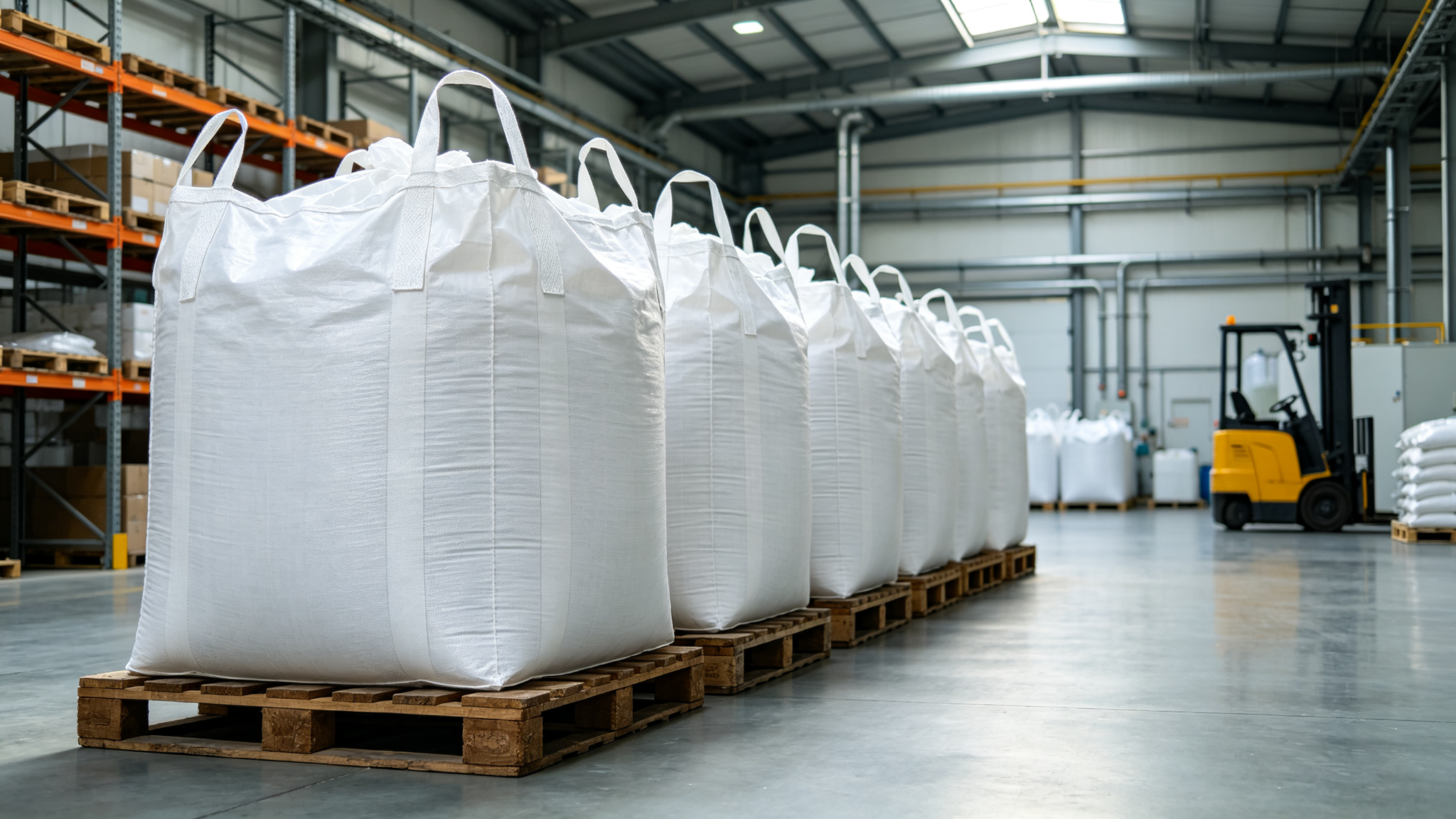
Bulk Packaging Procurement Is Moving from Standard Bags to Application-Specific Solutions
Different Industries Have Different FIBC Requirements
The requirements for FIBC bulk bags vary significantly by material and industry. Fine powders can create dust, bridging, residue, and static concerns. Granules may require controlled filling and discharge. Minerals and aggregates can create abrasion, high dynamic loads, and stacking pressure during long-distance transport.
Chemical applications often require containment and static-risk assessment. Food applications demand food grade bulk bags, clean handling, and contamination control. Agriculture may require moisture management or breathability, while mining and construction typically prioritize load capacity, lifting safety, and wear resistance. These differences mean that a single standard bag specification rarely fits every operation.
Why Custom FIBC Bags Affect Supply-Chain Efficiency
The value of custom FIBC bags lies in their compatibility with the actual handling process. Suitable bag dimensions can improve container and warehouse utilization. Correct lifting loops and straps can support forklift, crane, or port handling. Appropriate filling and discharge options can reduce filling losses, improve unloading speed, and lower manual intervention.
Packaging should not be evaluated as an isolated consumable. Filling productivity, warehouse density, container loading, discharge time, and cleaning requirements all influence the total logistics cost. Effective bulk packaging is not necessarily the most complex solution. It is the solution that best fits the material, equipment, and workflow.
Risks Buyers Consider Beyond Unit Price
The bag price is only one part of the true cost of FIBC bags. Other risks include inconsistent raw materials, variable load performance, dimensional deviation, loop failure, damaged liners, unsuitable discharge designs, late delivery, and incomplete export documentation.
For repeat buyers, the total cost of ownership includes material loss, production interruptions, repacking labor, warehousing inefficiency, and claims management. A reliable supply partner should help identify these risks early rather than simply quote a standard bag.
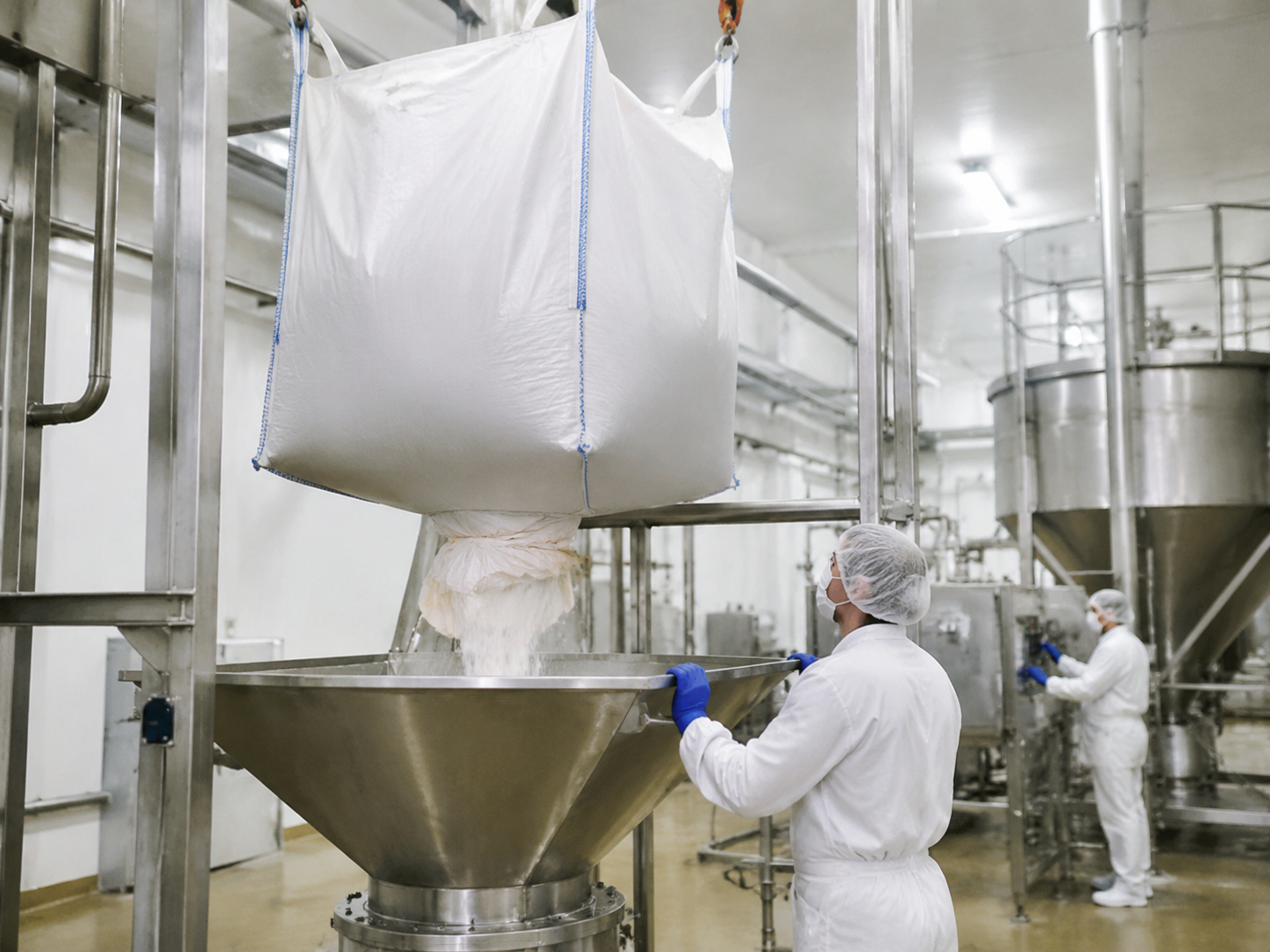
Key Variables That Determine a Custom FIBC Bag Solution
Material: Powders, Granules, Minerals, Chemicals, Food Ingredients, and Agricultural Products
Material characteristics are the starting point for defining FIBC bag specifications. Buyers should identify particle size, bulk density, moisture content, flowability, dust level, chemical properties, and electrostatic sensitivity. For poorly flowing powders, discharge design can be more important than simply increasing bag strength. For minerals and aggregates, abrasion and lifting performance are often more critical.
Moisture-sensitive, contamination-sensitive, or high-cleanliness materials may require coatings, sealed seams, or FIBC liners. A liner can improve containment and barrier performance, but it must be compatible with the outer bag, filling method, and discharge process.
Load Weight, Bulk Density, and Capacity
Bag capacity should never be estimated from dimensions alone. The same bag may carry very different weights when filled with dense minerals, plastic pellets, or low-density powders. Buyers should use FIBC capacity calculation based on material density, target net weight, filling height, transport conditions, and safety margin.
Common search terms such as 1 tonne bulk bag, 2000 lb super sack, and 3000 lb FIBC bags describe familiar capacity ranges, but they are not interchangeable specifications. Safe selection also depends on body construction, loop design, stacking height, lifting conditions, and whether the bag is intended for one-time or repeated use.
Filling, Transport, Stacking, and Discharge Methods
Bag design must support real operating conditions. Automatic filling lines, manual loading, silo filling, and open-top loading require different inlet options. Bottom discharge, inversion discharge, and cutting discharge also affect bag-bottom design and residue control.
Transport and storage conditions matter as well. Container shipments require attention to bag dimensions, loading density, and stable stacking. Warehouse operations require compatibility with pallets and forklifts. Outdoor or humid storage requires moisture and UV considerations. Buyers should select top and bottom customization options based on their own process rather than a generic bag name.
Moisture, Contamination, Static, and Food-Grade Requirements
Moisture, dust, foreign matter, and static are common risks in dry bulk logistics. Materials that absorb moisture, cake easily, or require cleanliness may need coatings, liners, or protective seam solutions.
For static-sensitive environments, anti-static FIBC bags may be necessary, but the required safety level depends on the material and handling environment. Food ingredients, feed products, starches, sugars, and other sensitive goods also require assessment of food grade bulk bags, hygiene controls, material traceability, and packaging integrity.
Single-Trip and Multi-Trip Safety Considerations
Single-trip FIBC bags are typically used for one transport cycle and prioritize standardization and cost efficiency. Multi-trip FIBC bags are intended for controlled reuse and therefore require stronger quality management, inspection procedures, cleaning practices, and traceable use history.
Buyers should define the intended usage cycle in the procurement specification. Reuse without suitable inspection and safety controls can introduce unnecessary risk, even when the bag appears visually sound.
Capabilities a Reliable FIBC Bag Manufacturer Should Have
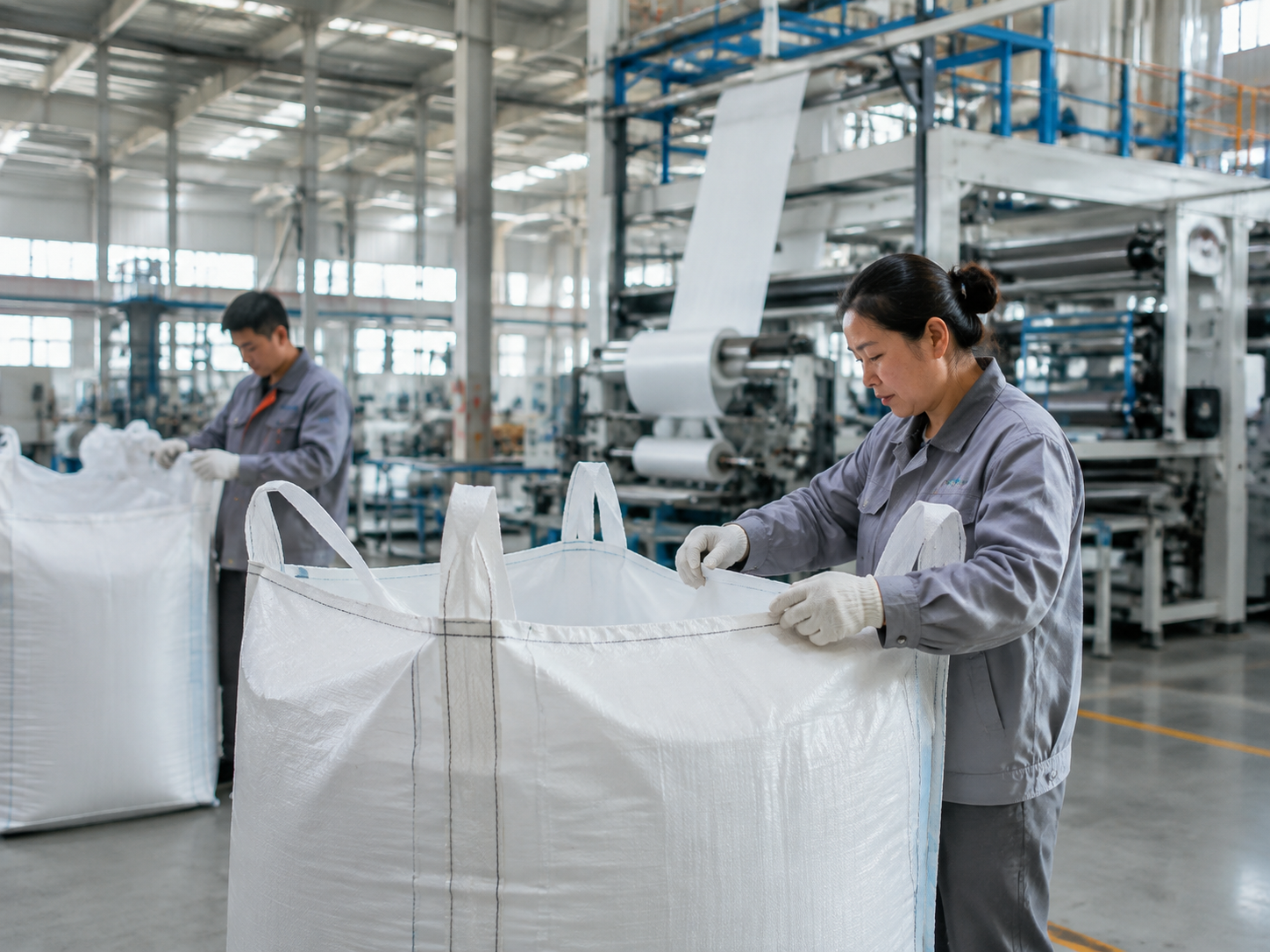
Control of Fabric, Webbing, and Sewing
A reliable FIBC bag manufacturer should control the core components of the bag: fabric, lifting webbing, sewing, and structural reinforcement. For woven polypropylene FIBC bags, fabric weight, tensile performance, coating consistency, and seam quality all influence real-world load behavior.
The connection between loops and the bag body is especially important. During filling, lifting, and stacking, bags experience forces in different directions. Weak reinforcement or poor seam control can create failures even if the base fabric appears adequate.
Custom Design and Sample Validation
A capable supplier should turn material characteristics and operating conditions into practical custom FIBC bags specifications. Dimensions, safe working load, top and bottom construction, loops, liners, coatings, labels, and safety requirements should be confirmed before mass production.
Samples should be evaluated under conditions close to actual use. Trial filling, lifting, stacking, transport simulation, and discharge testing can reveal design issues before they become batch-level problems.
Quality Control, Load Testing, and Traceability
Industrial bulk packaging requires more than final visual inspection. Reliable quality control should cover incoming materials, weaving, cutting, sewing, liner installation, finished-goods inspection, and export packing.
Load testing, dimensional checks, appearance inspection, and lot records support consistent FIBC bulk bags performance. Traceability is particularly valuable when an issue occurs, because it allows the buyer and manufacturer to identify the relevant production batch and corrective action.
Professional Understanding of Type A, B, C, and D FIBCs
For dust-producing, flammable, or static-sensitive applications, suppliers must understand the different safety categories. Type A, Type B, Type C conductive, and Type D static-dissipative FIBC bags have different conditions of use and should not be substituted based only on price or naming similarity.
For example, groundable bulk bags require conditions that differ from static-dissipative solutions. The correct selection must consider the material, atmosphere, filling and discharge process, grounding procedure, and site safety controls.
Delivery, Export Packing, and Documentation Support
Export orders require more than manufacturing capacity. Buyers should evaluate whether a supplier can maintain production schedules, manage export packing and labels, prepare required technical documents, and coordinate shipment timing.
A dependable FIBC bag manufacturer should establish clear production and delivery milestones after the technical specification is confirmed. This helps reduce uncertainty across the factory, freight, and destination stages.
How Buyers Can Evaluate an FIBC Bag Manufacturer
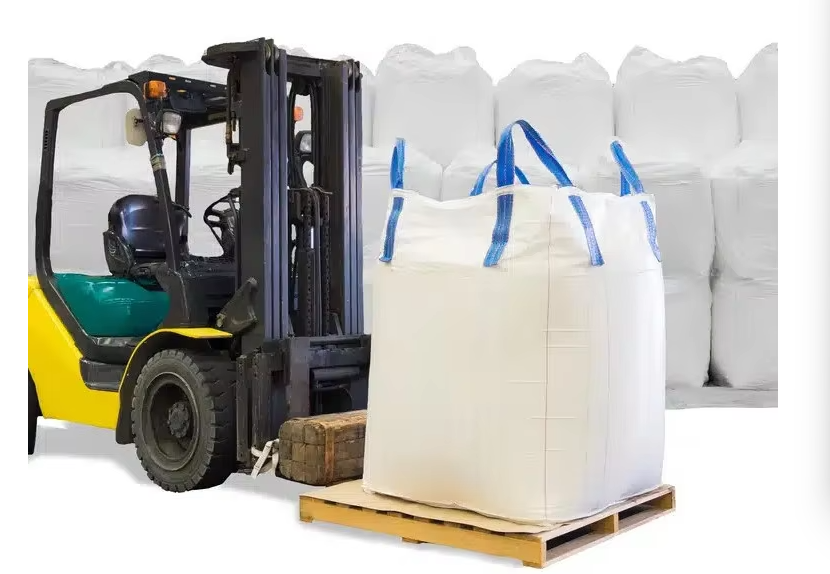
Compare Total Supply Risk, Not Only Price
Unit price is a useful starting point, but it does not show the full supplier value. For companies that use industrial bulk bags continuously, the cost of material loss, rework, downtime, delayed shipments, or customer claims can exceed a small difference in bag price.
A stronger supplier assessment compares price, quality consistency, lead time, technical support, response speed, and corrective-action capability. This is particularly important for FIBC bulk bags used in chemicals, food, mining, and export logistics.
Review Raw Materials, Production Processes, and Testing
Supplier review should include raw-material management, weaving and sewing controls, loop reinforcement, inspection standards, and treatment of nonconforming products. Buyers should not assess a factory only by sample appearance or production scale.
For woven polypropylene FIBC bags, stable raw materials and disciplined process control are central to reliable load performance and batch consistency.
Convert Custom Requirements into Written Specifications
Verbal requirements should be converted into complete FIBC bag specifications. A clear specification should cover dimensions, safe working load, safety factor, fabric, loops, filling and discharge openings, liners, coatings, safety category, labels, export packing, and inspection requirements.
This document becomes the basis for sampling, mass production, inspection, and repeat orders. For custom FIBC bags, written clarity prevents misunderstandings and supports consistency.
Assess Batch Consistency and Long-Term Supply Capacity
A successful sample does not guarantee stable mass production. Buyers should also consider equipment capacity, production scheduling, raw-material supply, quality staffing, and experience during peak demand periods.
Consistency comes from repeatable systems, not one-time manual attention. A reliable manufacturer should be able to deliver the same FIBC bags specification across batches and order cycles.
Use Samples, Trial Filling, and First Orders to Reduce Risk
New suppliers, new materials, and new bag designs should be validated step by step. Buyers can check load capacity, lifting, stacking, discharge efficiency, material residue, and liner fit before scaling up.
A first order should be treated as a supply-system evaluation, not only a price test. It can reveal communication quality, delivery execution, packaging control, and response to deviations.
Key Considerations by Application Industry
Chemicals: Safety, Static Control, and Liners
Users of chemical grade bulk bags often prioritize material compatibility, containment, static risk, and leak prevention. Where dust or electrostatic risk exists, Type C conductive bulk bags, Type D static-dissipative FIBC bags, and liner options should be selected according to the actual operating environment.
Food: Hygiene and Contamination Control
Food ingredients, feed, starch, sugar, and similar products require more than basic load capacity. Food grade bulk bags should be evaluated for hygiene controls, liner integrity, foreign-material risk, packing conditions, and traceability.
Form-fit FIBC liners can support cleaner containment and lower residue, but the design should still match the material and handling method.
Mining and Construction: Load, Abrasion, and Stable Stacking
FIBC bags for mining are often used for ore, mineral concentrates, sand, stone, and other heavy materials. These applications require attention to fabric strength, loop construction, abrasion resistance, filling impact, and stacking stability.
Baffle bags can improve stable stacking and space utilization when a more square filled shape is beneficial. For coarse aggregates and rapid loading, open-top FIBC bulk bags may be appropriate.
Agriculture and Fertilizer: Moisture, Breathability, and Seasonal Supply
Agricultural materials are affected by seasonality, humidity, storage duration, and shipment timing. Grains, seeds, fertilizers, and feed ingredients may require different approaches to moisture protection, ventilation, and contamination control.
Agricultural FIBC bags and ventilated FIBC bags serve different material conditions. Ventilation is not suitable for every agricultural product; materials that require strong moisture protection may need a more protective solution instead.
Oilfield, Powders, and Flammable Environments
Oilfield materials, fine powders, resins, and other static-sensitive goods may create risk during filling, movement, and discharge. In these environments, anti-static FIBC bags and groundable bulk bags must be selected as part of a wider site safety assessment.
The bag alone cannot control all risks. Filling, grounding, unloading, storage, and workplace procedures must also align with the selected safety approach.
Procurement Recommendations for a Long-Term FIBC Supply Relationship
Define the Material and Process Before Selecting the Bag
Start with the material and the operating process, not the bag name. Confirm density, filling method, load target, transport route, storage conditions, discharge method, and safety requirements before specifying the FIBC bag structure.
Put Critical Requirements into a Written Specification
For custom FIBC bags, document capacity, dimensions, material, loops, openings, liners, coatings, safety category, labels, packing, and inspection criteria. A written specification is the foundation for consistent sampling and repeat production.
Involve the Manufacturer in Early Selection and Risk Assessment
An experienced manufacturer can identify potential risks involving fabric, bag construction, loops, liners, discharge, and logistics. Buyers should provide real material and workflow information so that supplier recommendations are based on actual conditions rather than generic assumptions.
Prioritize Quality Consistency, Delivery, and Response Speed
The best long-term supplier is not necessarily the lowest-priced one. It is the supplier that can consistently deliver the agreed specification, manage demand changes, and respond quickly when issues arise. For projects requiring a reviewed specification or custom assessment, buyers can contact FIBC World with their material, target load, and handling conditions.
Conclusion: Choosing a Manufacturer Means Choosing Supply-Chain Reliability
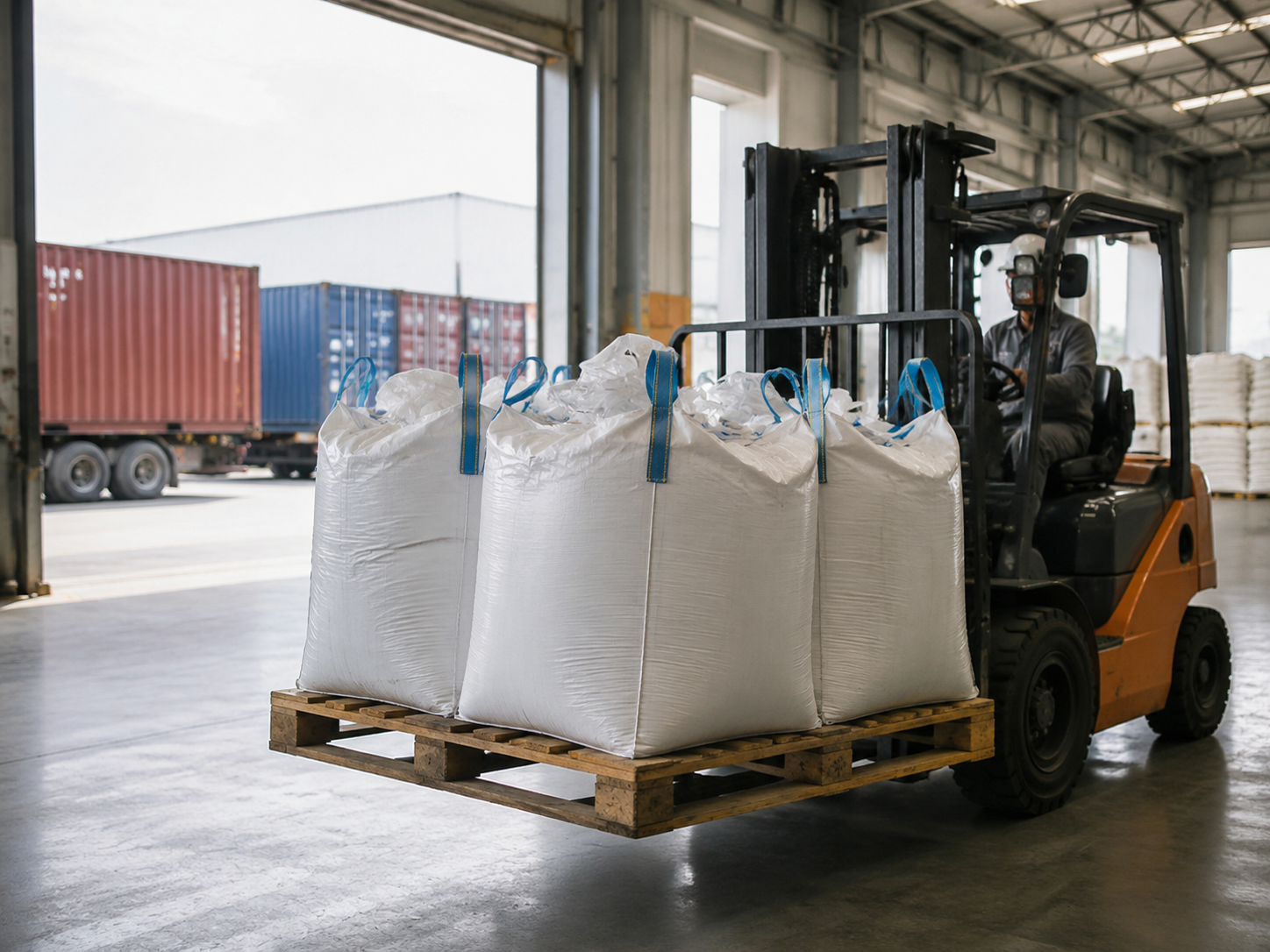
Choosing an FIBC bag manufacturer is not simply choosing a packaging product. It is choosing a supply capability that supports the movement of bulk materials. As the industry places greater emphasis on safety, efficiency, compliance, hygiene, and traceability, buyers need to assess material conditions, usage scenarios, technical specifications, quality systems, and delivery capacity together.
When custom FIBC bags are aligned with filling, storage, transport, and discharge operations, they can reduce packaging failures, improve logistics efficiency, and strengthen supply-chain control. For industrial buyers, a stable specification and a disciplined supplier-evaluation process remain the foundation of reliable bulk packaging.
Related News
Other news you might be interested in
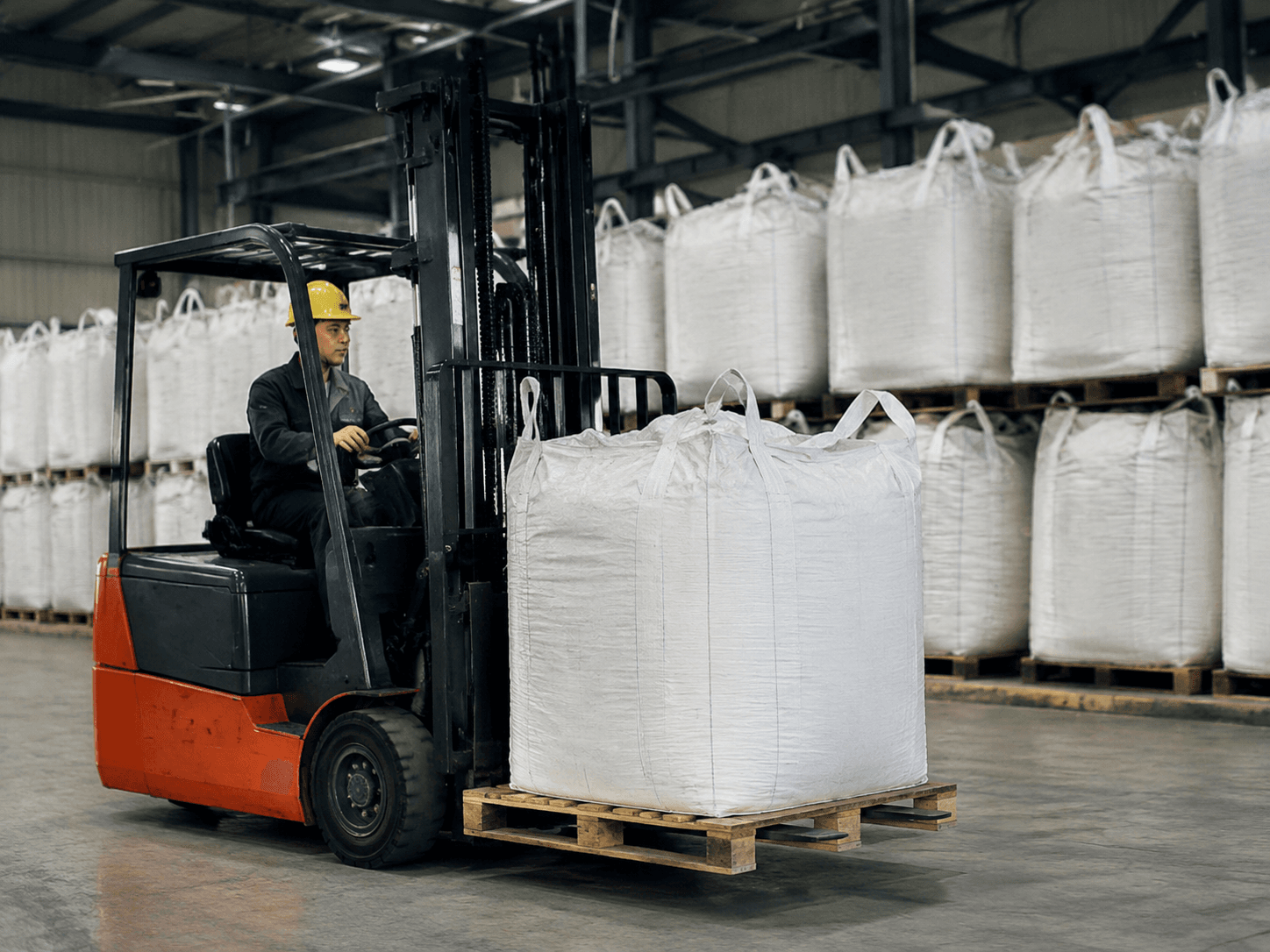
Woven Polypropylene FIBC Bulk Bags: How Material, Construction and Coating Affect Bulk Packaging Performance
In global bulk-material supply chains, FIBC bulk bags have developed from simple transport containers into important logistics tools connecting production, warehousing, loading, unloading, and end use. Their actual performance depends not only on capacity, but also on woven polypropylene, bag construction, coating, liners, safety factors, and the application environment. For the food, chemical, agricultural, mining, and construction-material industries, selecting the right FIBC bulk bags affects load-bearing performance, material loss, transport efficiency, warehouse space, and operational safety.
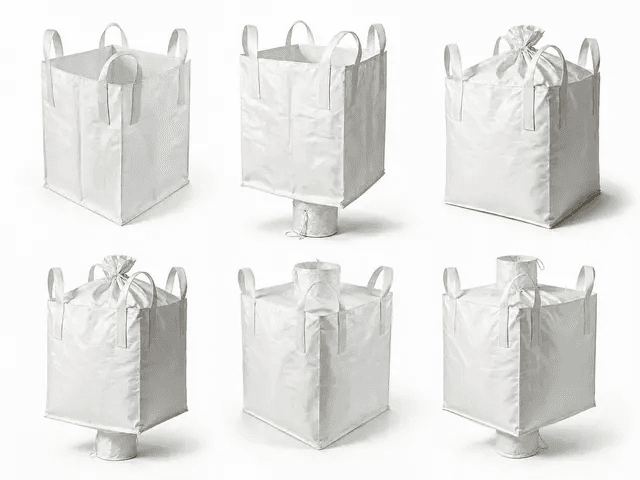
Chemical Grade Bulk Bags: How to Select the Right Flexible Intermediate Bulk Containers (FIBC) for Chemicals, Powders, and Hazardous Materials
Bulk materials used in the chemical industry often have characteristics such as fine particle size, high flowability, strong moisture absorption, a tendency to cake, or a high risk of electrostatic charge buildup. For chemicals, powder materials, and certain hazardous materials, packaging does more than hold the product—it directly affects material quality, workplace safety, and transportation reliability.
Want to know more?
Get in touch with us for more information about our services and products.