
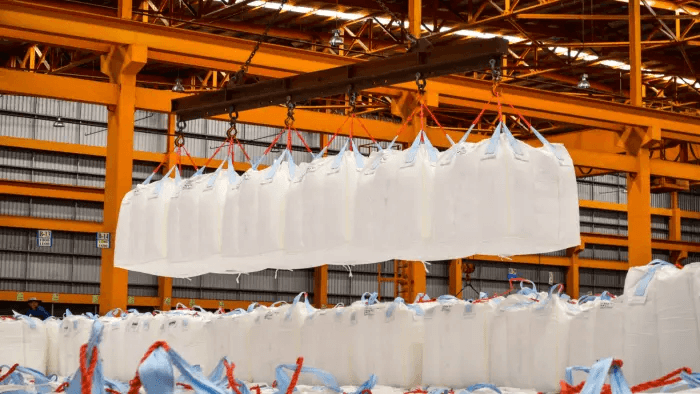
FIBC Bag Manufacturer: How to Choose Reliable Bulk Bags for Your Industry

Dayang Yang
AuthorWith experience in FIBC bulk bag manufacturing and export sales, we operate our own production facility with stable large-scale capacity. We are specialists in bulk bags, conductive FIBCs, food-grade FIBCs, UN certified bags, and customized flexible intermediate bulk containers for industrial packaging and bulk material transportation solutions.
The FIBC bulk bag industry connects agriculture, chemicals, mining, food processing, construction materials, and energy supply chains. Choosing an FIBC Bag Manufacturer is not simply about comparing the price of one bag. It is about assessing whether a manufacturer can keep pace with changes in materials, production, safety, delivery, and end-use requirements.
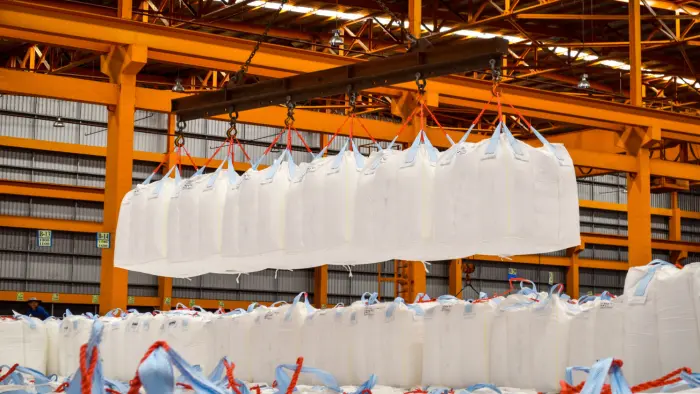
What an FIBC Bag Manufacturer Should Help You Specify Before Quoting
In a mature industrial bulk packaging market, competition has moved beyond unit price toward technical clarity and project risk management. Manufacturers need to understand material properties, filling methods, handling frequency, transport routes, and operating environments before converting a buyer's request into clear FIBC bag specifications.
This shift reflects how buyer expectations are changing. Procurement teams increasingly value batch consistency, documentation, operational fit, and supply reliability instead of focusing only on one-time purchasing costs.
Start With the Material, Handling Process, and End-Use Environment
FIBC bags are used to move bulk materials, so the material itself shapes industry development. Powders create requirements for sealing, venting, and static control. Granules place greater emphasis on filling and discharge efficiency. Dense minerals drive stricter requirements for load handling and lifting reliability.
Automation, forklift handling, container transport, and warehouse stacking have also changed the role of bulk bags. They are no longer just containers; they have become part of supply-chain efficiency management. A manufacturer's competitiveness increasingly depends on its understanding of real application conditions, not only production capacity.
FIBC Bag Types: Standard, U-Panel, 4-Panel, Circular, and Baffle Bags
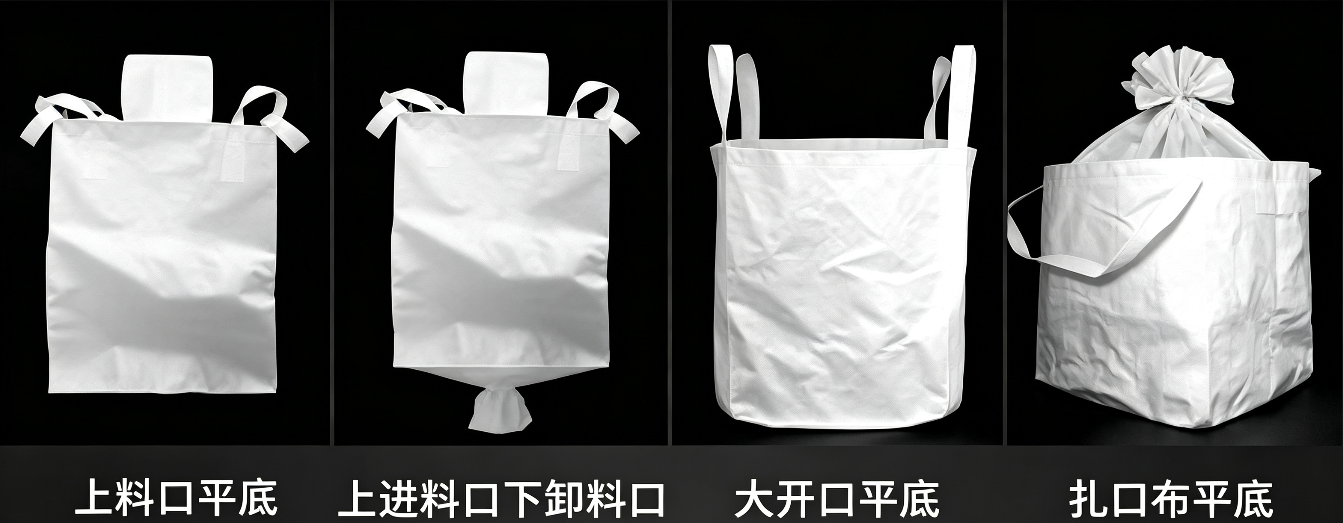
Different bag constructions reflect the industry's ongoing effort to improve loading efficiency and logistics stability. U-panel bags, 4-panel bags, circular bags, and standard FIBC bags each support different production methods and material-handling requirements.
Interest in baffle bags, Q bags, and shape-retaining designs has increased as storage and freight costs push businesses to improve pallet utilization, container loading, and stacking stability. These bag types are not only structural variations; they reflect the growing influence of warehouse density and labor efficiency on the FIBC industry.
Core FIBC Bag Specifications Buyers Need to Compare
| Industry Focus | Impact on Manufacturing and Procurement |
|---|---|
| Safe Working Load (SWL) | Influences load design, application range, and risk control. |
| Safety Factor | Connects bag design with its intended handling conditions. |
| bulk bag dimensions | Affect logistics density, storage efficiency, and filling-equipment fit. |
| woven polypropylene FIBC bags | Influence material selection, weaving processes, and bag performance. |
| FIBC liners and coatings | Support moisture control, dust control, isolation, and material protection. |
| Filling, discharge, and lifting design | Affect automation, manual handling, and equipment compatibility. |
Specifications are becoming a common language in global FIBC bulk bags procurement. The more clearly buyers define critical requirements, the easier it is for manufacturers to identify risks before production and reduce later misunderstandings.
Safe Working Load and Safety Factor
Safe Working Load (SWL) and Safety Factor are fundamental technical concepts in the FIBC bag manufacturing industry. They relate not only to the material weight carried by each bag, but also to how a manufacturer understands intended use, lifting methods, and service conditions.
Frequent lifting, long-distance transport, demanding handling, and complex storage environments can all change the risk profile. Manufacturers that cannot identify these variables may struggle to build long-term supply relationships, even if their pricing is competitive.
Bulk Bag Dimensions and Filling Volume
bulk bag dimensions and volume design directly affect transport efficiency. Bulk logistics continues to pursue higher loading density, so dimensions are no longer limited to length, width, and height. They must also align with material density, pallet formats, warehouse slots, and container space.
Interest in terms such as 1 tonne bulk bag, 2000 lb super sack, and 3000 lb FIBC bags shows that buyers increasingly search by load requirement and operating condition. This requires manufacturers to understand dimensions, volume, and logistics compatibility as part of the same discussion.
Fabric Material: Woven Polypropylene, Coated Bags, and FIBC Liners
woven polypropylene FIBC bags remain the core material system for the sector, but demand for functional packaging is growing. Powders, food ingredients, chemical granules, and moisture-sensitive materials have increased interest in coated FIBC bags, FIBC liners, and different barrier solutions.
Material selection is also affected by supply-chain conditions. Polypropylene availability, price movements, lead times, and sustainability requirements can all influence manufacturing costs and product planning. Material technology is therefore not only a product issue; it is also part of how an FIBC Bag Manufacturer manages risk and stays competitive.
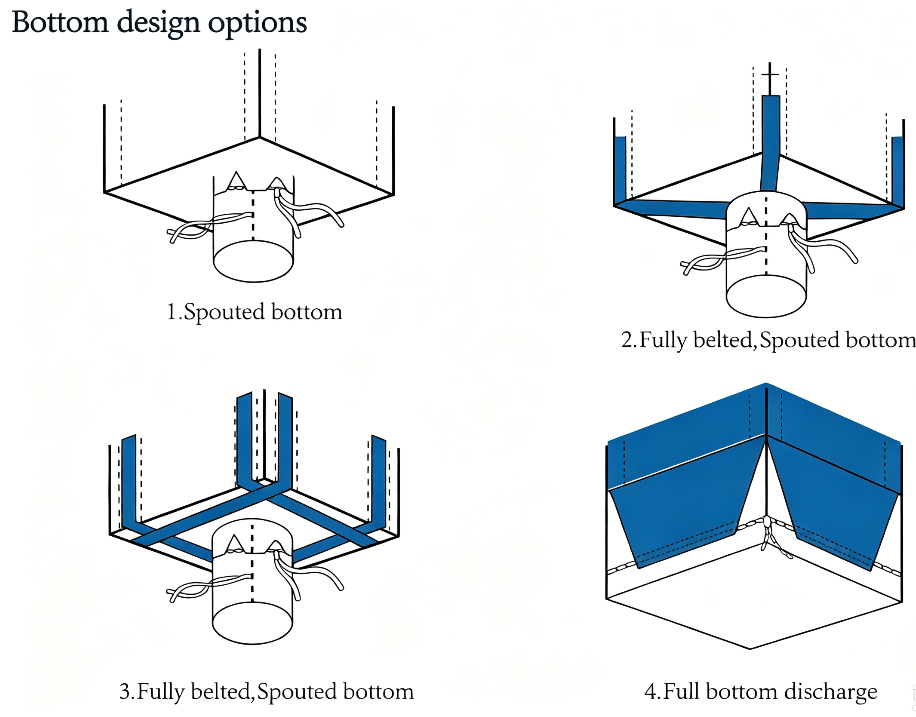
Top, Bottom, and Discharge Spout Configurations
Filling and discharge designs are closely linked to industrial automation. Filling equipment, discharge stations, and dust-control systems are moving from open handling toward more controlled processes. duffle top spout bottom FIBC bags are increasingly relevant because they support measured filling, controlled discharge, and cleaner material flow.
From an industry perspective, top and bottom design shows whether a packaging manufacturer understands how a customer's factory actually operates, rather than simply supplying generic FIBC bags.
Lifting Loop Designs and Handling Requirements
Lifting-loop design is the interface between industrial bulk bags and handling equipment. Forklifts, cranes, and automated lifting systems place different requirements on lifting points, loop length, and load distribution.
The market interest in 2 loop FIBC bags reflects the increasing importance of loading efficiency and workplace safety. As warehouses and factories become more automated, handling compatibility will remain an important area for product development and process improvement among bulk bag manufacturers.
FIBC Safety Types: Choosing Type A, B, C, or D Bulk Bags
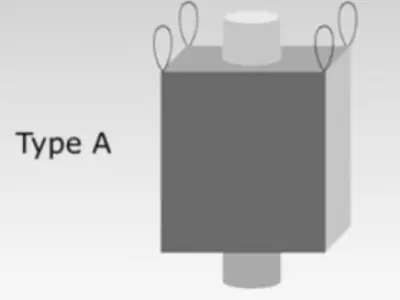
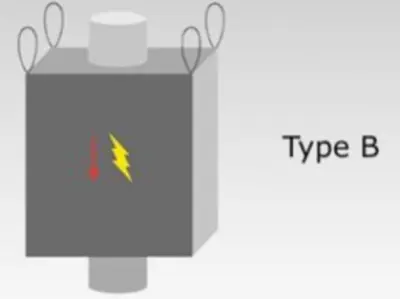
Type A FIBC bags, Type B FIBC bags, Type C FIBC bags, and Type D FIBC bags represent the industry's systematic approach to static-risk management. As powder processing, chemical materials, and high-value bulk products become more common, antistatic performance has become an entry requirement in some applications rather than an optional feature.
The value of safety categories lies not in the label itself, but in whether manufacturers, buyers, and site operators share the same framework for identifying risk. antistatic FIBC bags can only perform as intended when material properties, environmental conditions, and operating procedures are evaluated together.
When Type C Conductive Bulk Bags Are Required
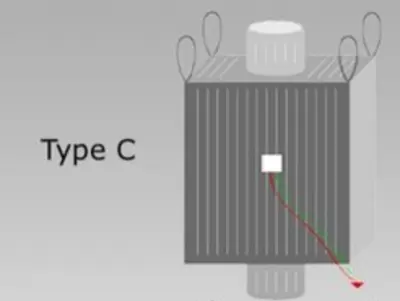
Type C conductive bulk bags respond to the need for controlled static dissipation. The value of groundable bulk bags lies not only in the design of conductive elements, but also in whether grounding procedures, operating discipline, and user training are properly managed.
For manufacturers, the development of Type C conductive bulk bags increases the importance of conductive components, sewing processes, quality checks, and technical documentation. These products require a higher level of process consistency and application knowledge.
When Type D Antistatic FIBC Bags Are the Better Fit
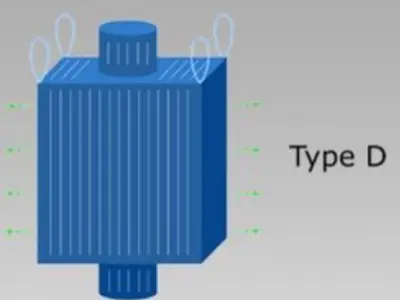
Type D static dissipative FIBC bags reflect the industry's ongoing effort to balance safety with operational practicality. Their suitability must be assessed in relation to material type, operating environment, and risk level rather than being treated as a universal replacement for other bag types.
As chemical, powder, and specialty-material supply chains become more complex, the static-control technologies represented by Type D FIBC bags will remain important for manufacturer development, training, and technical support.
Application-Specific FIBC Bulk Bags
Differences among end-use industries are a major driver of specialization in the FIBC bag manufacturing industry. Agriculture prioritizes seasonal handling and moisture management. Chemicals prioritize safety and isolation. Mining prioritizes load performance and durability. Food processing prioritizes hygiene control. Energy and heavy industry prioritize stable performance under demanding conditions.
A manufacturer's ability to build technical knowledge around these industries directly affects its position in specialized markets.
Food Grade Bulk Bags for Food Ingredients
food grade bulk bags reflect growing attention to hygiene, material protection, and documentation across food-ingredient supply chains. Food processors increasingly evaluate whether packaging supports stable production, storage, transport, and downstream feeding operations.
In this sector, FIBC liners, clean handling, material management, and packaging consistency are important competitive factors. The development of food grade FIBC bags also pushes manufacturers to strengthen process control and internal management.
Chemical Grade Bulk Bags for Powders and Granules
chemical grade bulk bags are relevant to powders, granules, resins, and other industrial materials. These applications commonly require attention to moisture control, fine-powder leakage, static risk, and discharge management.
The value of FIBC bags for chemicals lies in helping chemical supply chains reduce handling loss and on-site risk. As fine chemicals, new materials, and powder industries develop, manufacturers need to deepen their understanding of material compatibility, safety categories, and functional packaging.
FIBC Bags for Agriculture, Fertiliser, and Seeds
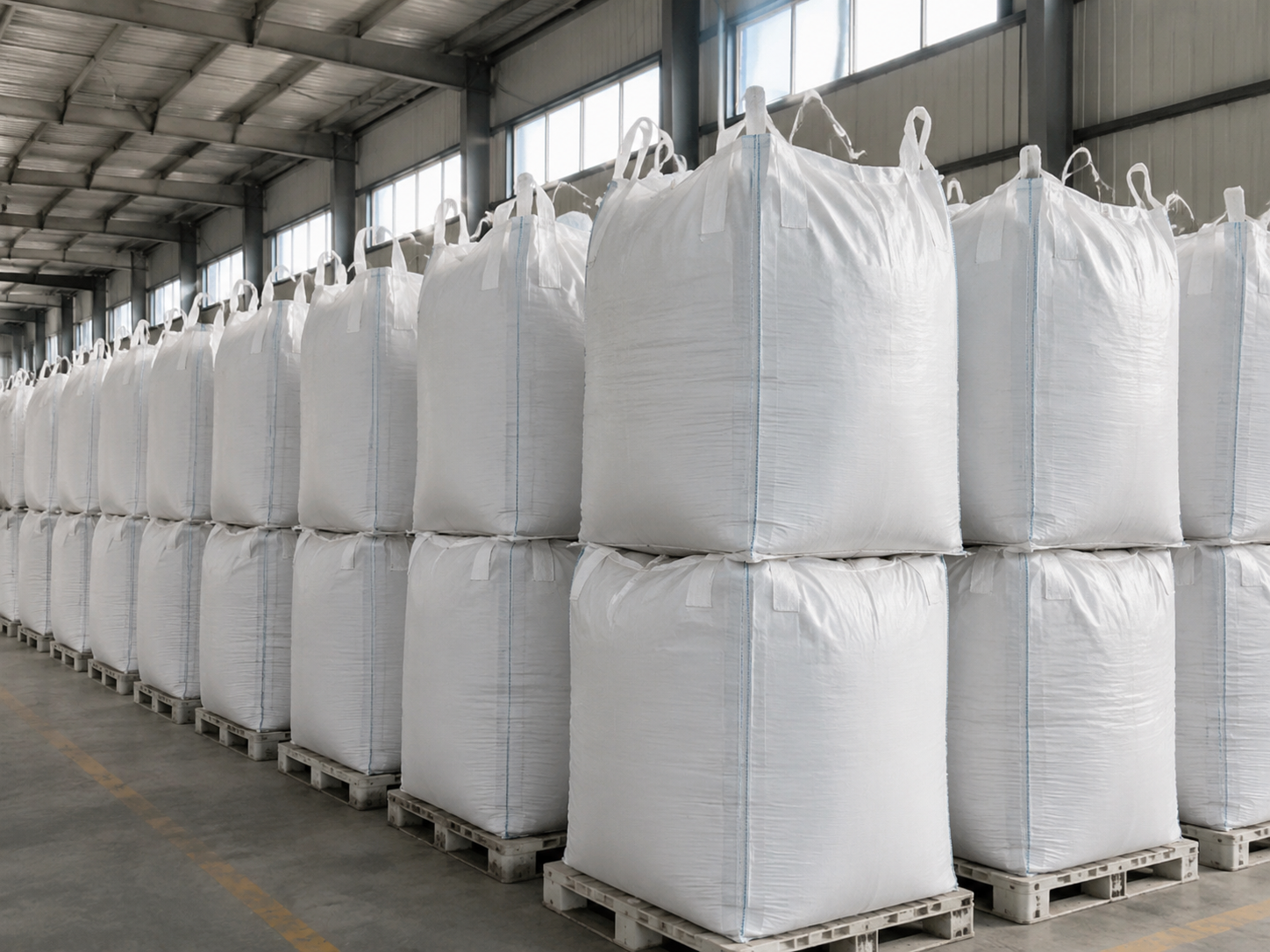
agricultural FIBC bags are used for grain, seeds, feed, and fertiliser storage and transport. Agricultural materials can be affected by humidity, dust, and seasonal turnover, increasing the importance of durability, handling efficiency, and stacking stability.
Demand for FIBC bags for fertilizer is closely tied to crop cycles, regional logistics, and export schedules. For manufacturers, the agricultural market requires not only stable capacity but also the ability to plan raw materials, production, and delivery around seasonal demand.
Mining, Minerals, Sand, and Aggregate Bulk Bags
FIBC bags for mining, FIBC bags for minerals, and FIBC bags for sand and aggregates are driven by mining and construction-material industries that require heavy-load performance, reliable handling, and durability in demanding environments.
These applications illustrate a central trend in industrial bulk packaging: packaging design must work with loading equipment, stockyard operations, transport systems, and discharge processes rather than being considered as an isolated bag.
Oilfield and Heavy Industrial Bulk Packaging
FIBC bags for oilfield applications represent a segment with higher expectations for heavy-duty use, complex operating conditions, and supply reliability. Oilfield, energy, and heavy-industry projects often involve longer supply cycles, more on-site variables, and stricter project coordination.
These requirements are moving the role of an FIBC Bag Manufacturer beyond conventional production and toward technical collaboration. Industry competition increasingly includes responsiveness, specification communication, delivery stability, and risk forecasting.
Custom FIBC Bags: Printing, Dimensions, Liners, and Functional Design
custom FIBC bags demonstrate how the market is shifting from standardized supply toward application-based packaging solutions. Buyers need more than alternative dimensions; they need designs that align with filling, transport, warehousing, identification, and safety-management processes.
custom printed FIBC bags, liners, coatings, lifting variations, and filling or discharge configurations all reflect the growing importance of traceability, operational clarity, and supply-chain efficiency. For the industry, customization has become an important distinction between low-price competition and technical-service competition.
How to Evaluate an FIBC Bag Manufacturer
Evaluating an FIBC Bag Manufacturer should include long-term production capability, technical communication, quality-system maturity, and supply-chain resilience. Reliable bulk bag manufacturers should be able to translate customer requirements into clear, executable, and reviewable technical specifications.
In the current market, procurement teams increasingly seek stable supplier relationships to reduce the risks associated with material volatility, uncertain lead times, and inconsistent quality.
Manufacturing Capability and Quality Control
Manufacturing capability is not only about equipment quantity or output capacity. It also includes coordination among weaving, cutting, sewing, lifting-loop assembly, liner handling, and finished-product inspection. For projects with complex FIBC bag specifications, process control can matter more than individual equipment capacity.
The core purpose of quality control is batch consistency. As FIBC bulk bags are used in more demanding industrial environments, customer expectations for dimensions, structure, load performance, and appearance consistency will continue to rise.
Product Documentation, Samples, and Specification Confirmation
Documented communication has become an important sign of professionalism in the FIBC industry. Clear specifications, sample approval, change records, and batch information help buyers reduce errors across departments, regions, and languages.
For food grade bulk bags, chemical grade bulk bags, and antistatic applications, specification confirmation is particularly valuable. The industry is moving from experience-based decisions toward procurement supported by documents, processes, and traceable information.
Supply Reliability, Packaging, and Delivery Planning
Supply reliability is shaped by raw-material procurement, production planning, export logistics, and seasonal demand. Fluctuations in agriculture, mining, and chemical markets require an FIBC bag supplier to improve forecasting, stock planning, and delivery coordination.
In a less predictable global supply environment, stable bulk packaging delivery has become an important measure of manufacturer competitiveness.
Questions to Ask Before Selecting an FIBC Bag Supplier
Can the supplier explain how FIBC bags differ across materials and applications?
Does it have a clear process for FIBC bag specifications, samples, and batch consistency?
Does it understand the relationship between Safe Working Load (SWL), Safety Factor, and handling conditions?
Can it communicate clearly about Type C conductive bulk bags and Type D static dissipative FIBC bags?
Can it execute custom FIBC bags consistently?
Can it support seasonal or project-based delivery for agricultural, chemical, and mining markets?
Can it maintain documentation, supply planning, and change management over time?
Request a Custom Bulk Bag Specification and Quote
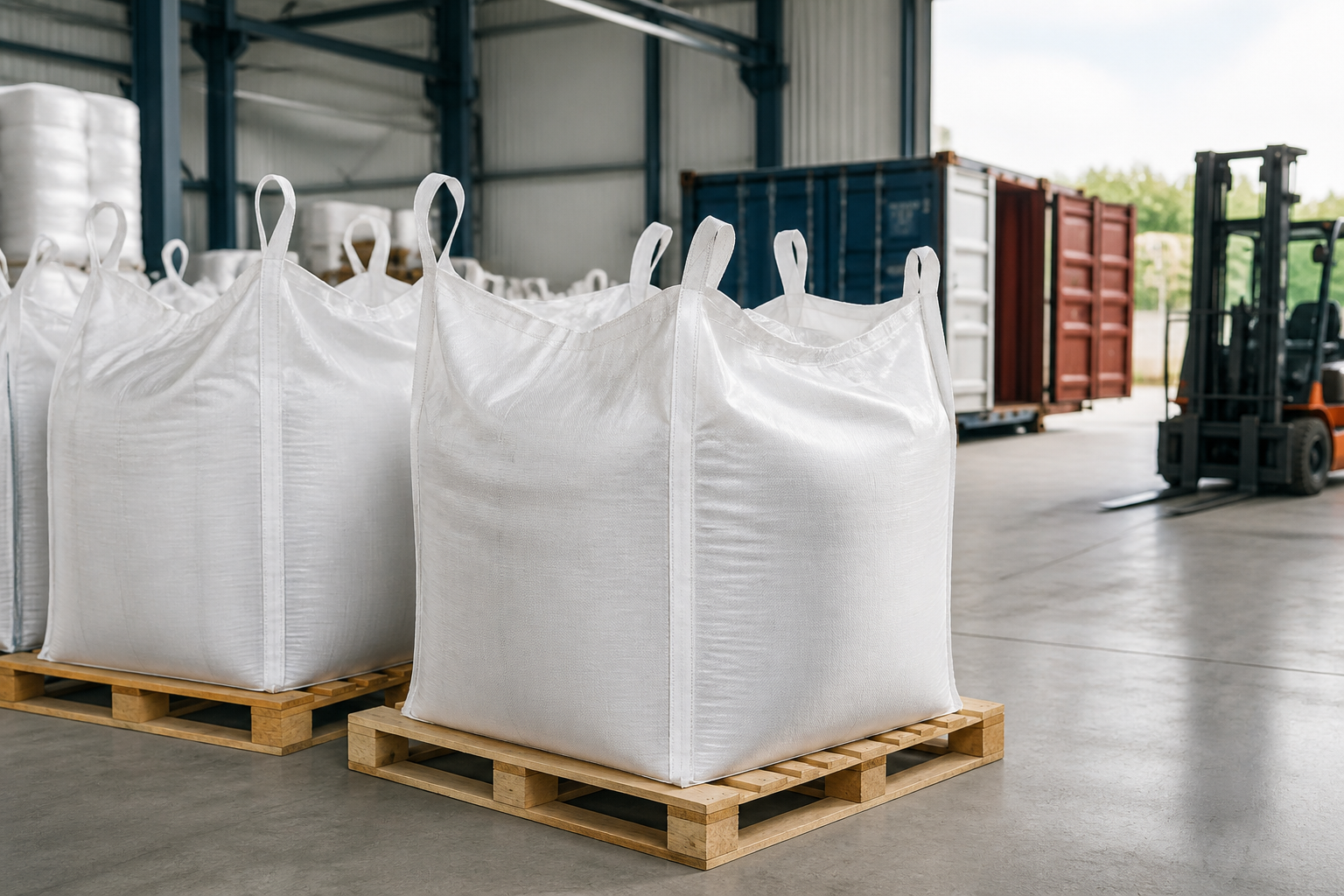
From an industry perspective, requesting a custom FIBC bags specification and quotation should be treated as a supply-chain capability assessment rather than a simple price inquiry. The more complete the information on material type, load, operating conditions, delivery schedule, and compliance requirements, the better a manufacturer can demonstrate its technical understanding and project-management ability.
The future of the FIBC bags industry will continue to move beyond low-price supply toward stable quality, functional fit, safety management, and supply-chain coordination. For buyers and manufacturers alike, a shared specification language and long-term cooperation model will create more value than a single transaction. For further discussion, visit Contact Us.
Related News
Other news you might be interested in
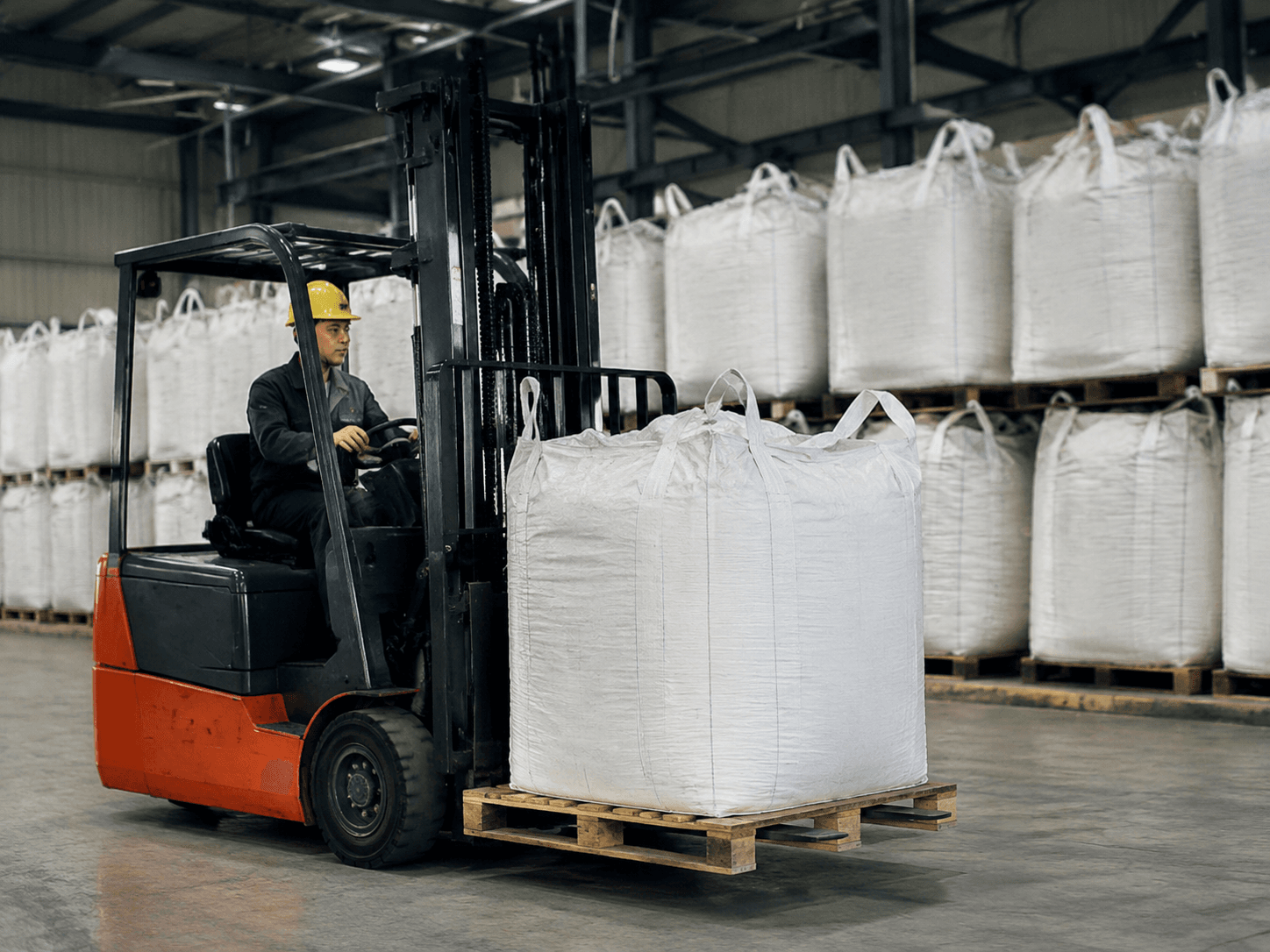
Woven Polypropylene FIBC Bulk Bags: How Material, Construction and Coating Affect Bulk Packaging Performance
In global bulk-material supply chains, FIBC bulk bags have developed from simple transport containers into important logistics tools connecting production, warehousing, loading, unloading, and end use. Their actual performance depends not only on capacity, but also on woven polypropylene, bag construction, coating, liners, safety factors, and the application environment. For the food, chemical, agricultural, mining, and construction-material industries, selecting the right FIBC bulk bags affects load-bearing performance, material loss, transport efficiency, warehouse space, and operational safety.
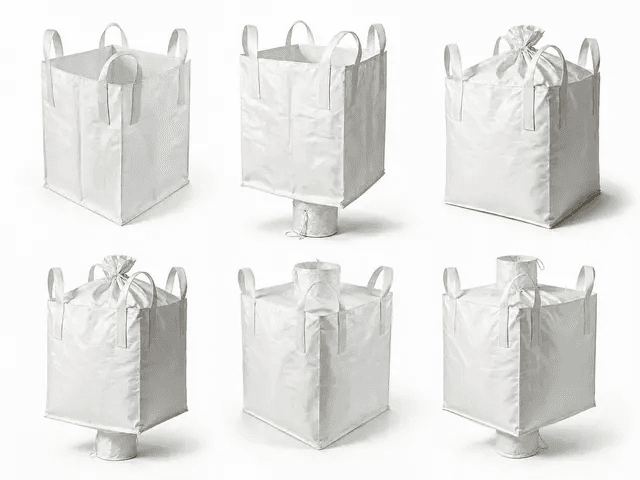
Chemical Grade Bulk Bags: How to Select the Right Flexible Intermediate Bulk Containers (FIBC) for Chemicals, Powders, and Hazardous Materials
Bulk materials used in the chemical industry often have characteristics such as fine particle size, high flowability, strong moisture absorption, a tendency to cake, or a high risk of electrostatic charge buildup. For chemicals, powder materials, and certain hazardous materials, packaging does more than hold the product—it directly affects material quality, workplace safety, and transportation reliability.
Want to know more?
Get in touch with us for more information about our services and products.