
FIBC Insights, Trends & Case Updates
Track market shifts, certification updates, and factory-side know-how that helps buyers reduce risk and improve margins.
Categories
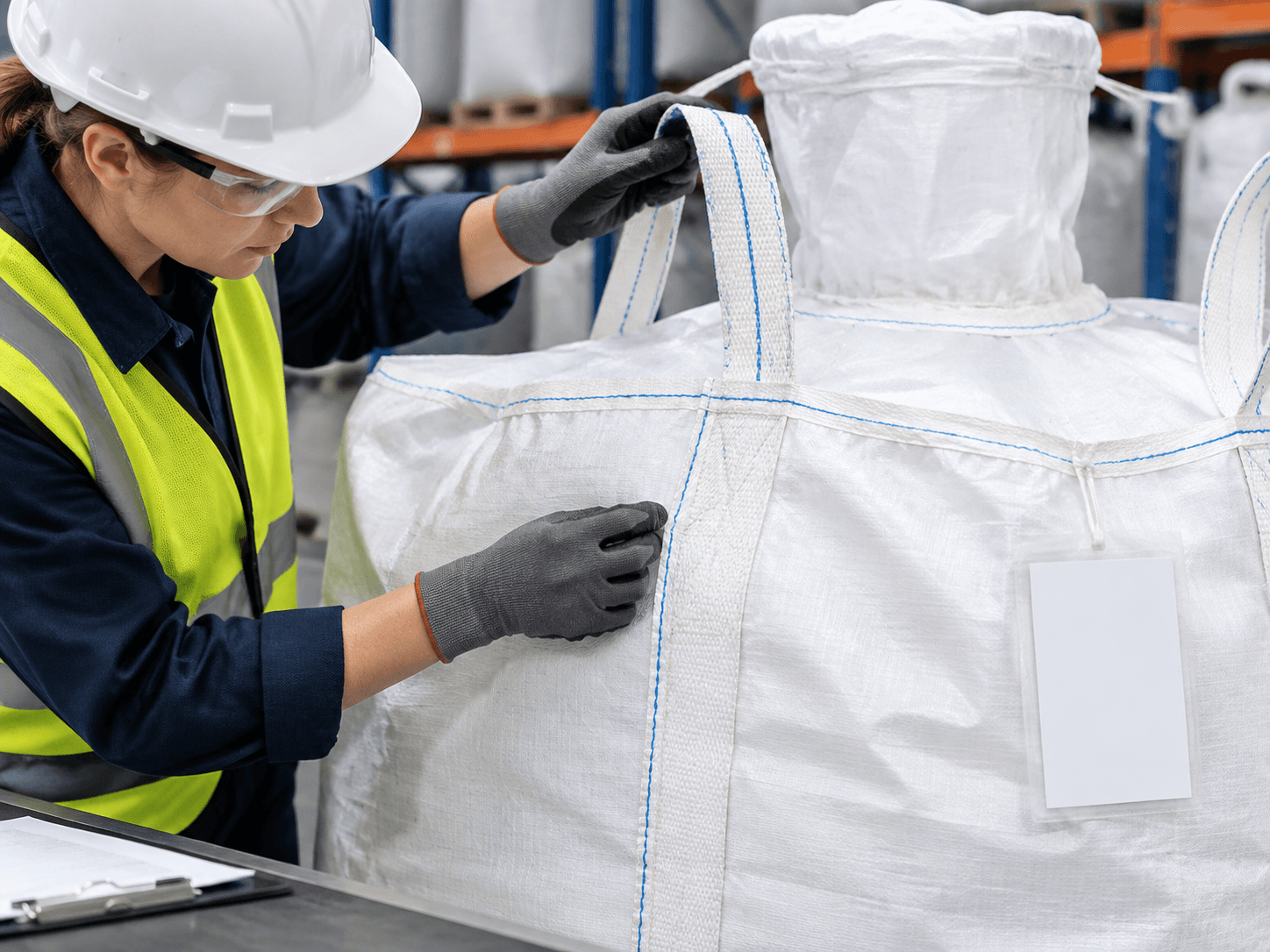
FIBC Bag Safety: Understanding Safe Working Load, Safety Factor, and Safe Handling
Bag safety cannot be judged by load weight alone. The bag’s design, construction, and rated load must match the material and operating conditions. Different FIBC bag types and load capacities may have different filling, lifting, and discharge requirements. ISO 21898:2024 covers the materials, construction, design, testing, marking, selection, and safe use of FIBCs for non-dangerous solid goods. On-site operations must also follow the manufacturer’s instructions and applicable regulations.

The 140th Canton Fair: New Global Sourcing Opportunities for FIBC Ton Bags and Industrial Packaging Companies
The 140th Canton Fair will be held in Guangzhou from October 15 to November 4, 2026, across three phases. The first phase will focus on advanced manufacturing, industrial manufacturing, machinery, new materials, and chemical products. For export-oriented industrial packaging companies, the 140th Canton Fair will serve not only as a product exhibition platform, but also as an important opportunity to connect with overseas buyers, suppliers, and global supply chain resources.
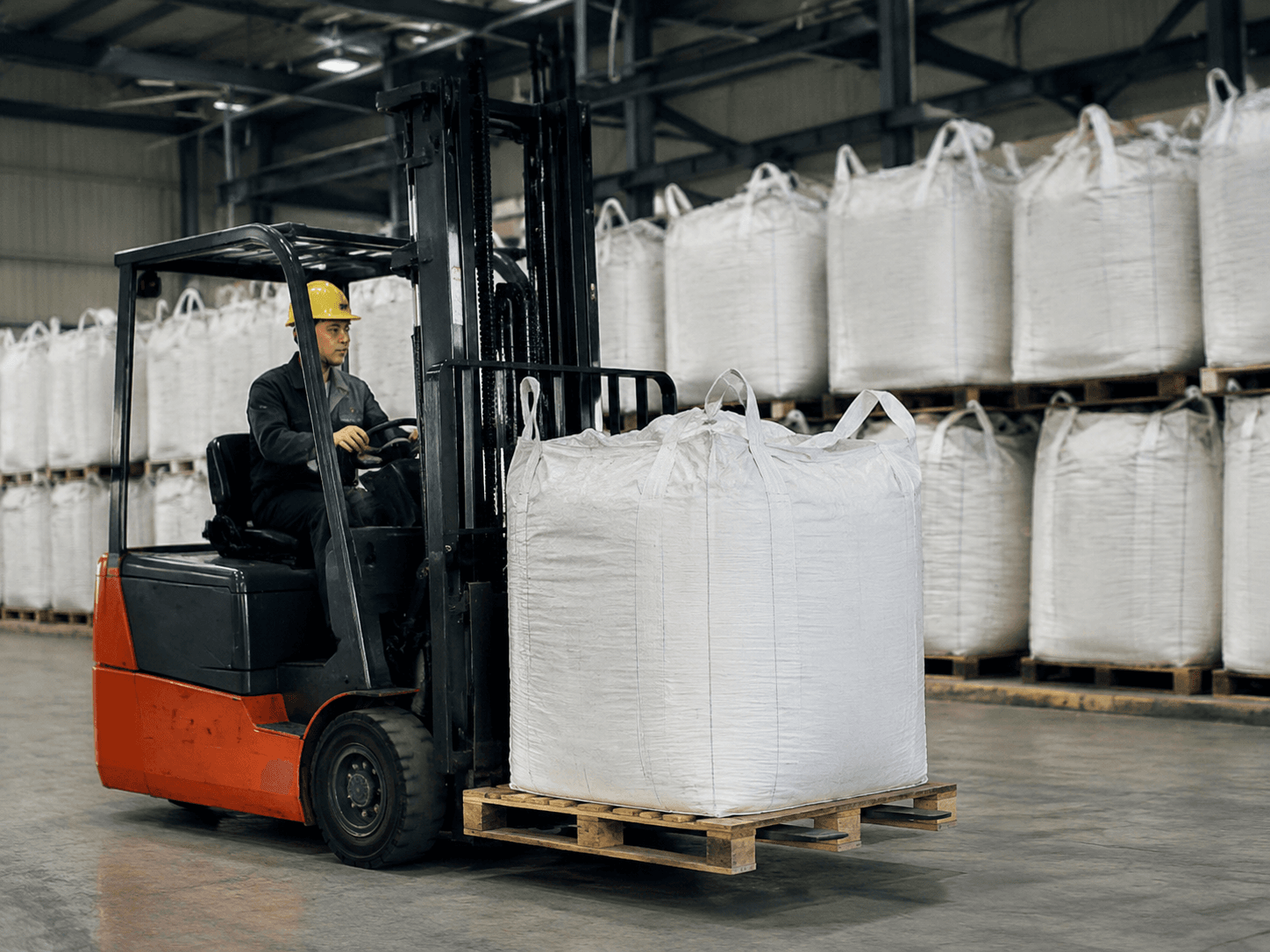
Woven Polypropylene FIBC Bulk Bags: How Material, Construction and Coating Affect Bulk Packaging Performance
In global bulk-material supply chains, FIBC bulk bags have developed from simple transport containers into important logistics tools connecting production, warehousing, loading, unloading, and end use. Their actual performance depends not only on capacity, but also on woven polypropylene, bag construction, coating, liners, safety factors, and the application environment. For the food, chemical, agricultural, mining, and construction-material industries, selecting the right FIBC bulk bags affects load-bearing performance, material loss, transport efficiency, warehouse space, and operational safety.
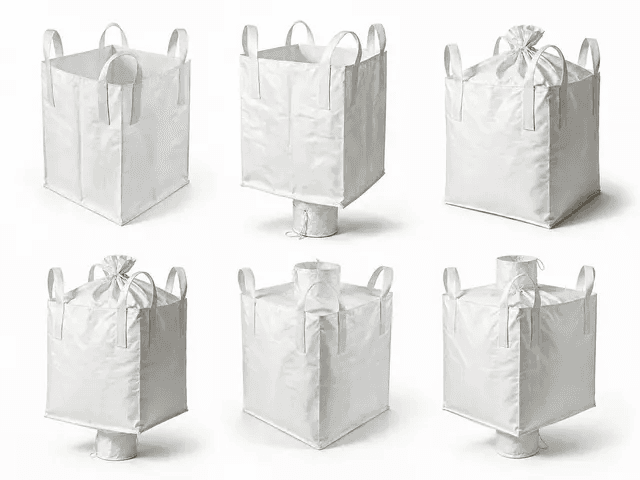
Chemical Grade Bulk Bags: How to Select the Right Flexible Intermediate Bulk Containers (FIBC) for Chemicals, Powders, and Hazardous Materials
Bulk materials used in the chemical industry often have characteristics such as fine particle size, high flowability, strong moisture absorption, a tendency to cake, or a high risk of electrostatic charge buildup. For chemicals, powder materials, and certain hazardous materials, packaging does more than hold the product—it directly affects material quality, workplace safety, and transportation reliability.
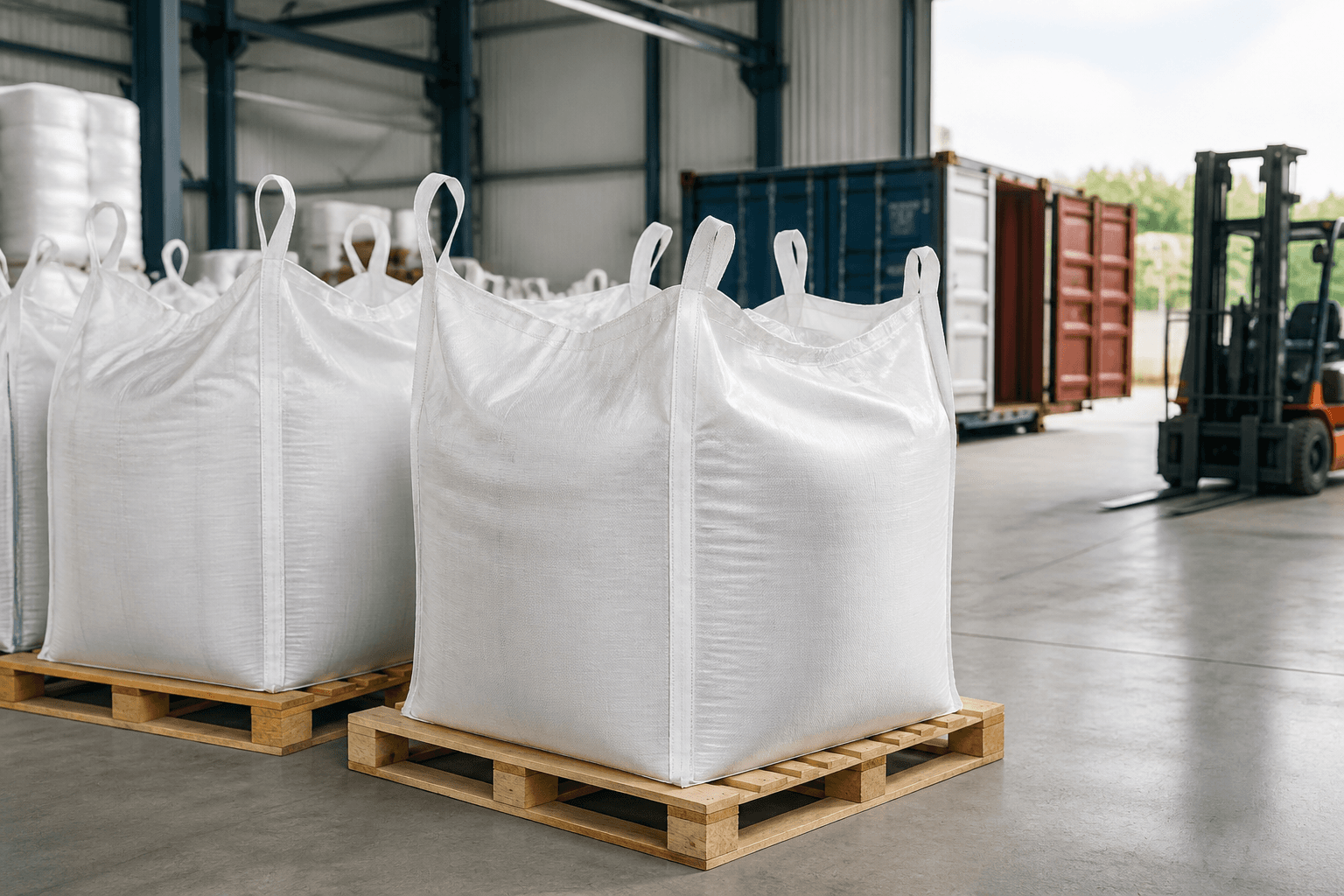
Custom FIBC Bulk Bags: How to Choose a Reliable FIBC Bag Manufacturer for Your Bulk Packaging Needs
Across chemicals, minerals, agriculture, food ingredients, plastics, and construction materials, the movement of powders, granules, and other dry bulk goods continues to grow. Companies are no longer asking only whether a bag can hold the material. They need packaging that works throughout filling, lifting, warehousing, ocean transport, discharge, and, where applicable, reuse. FIBC bags, or Flexible Intermediate Bulk Containers, have become an important part of modern bulk packaging because they combine high payload efficiency with flexible handling options.
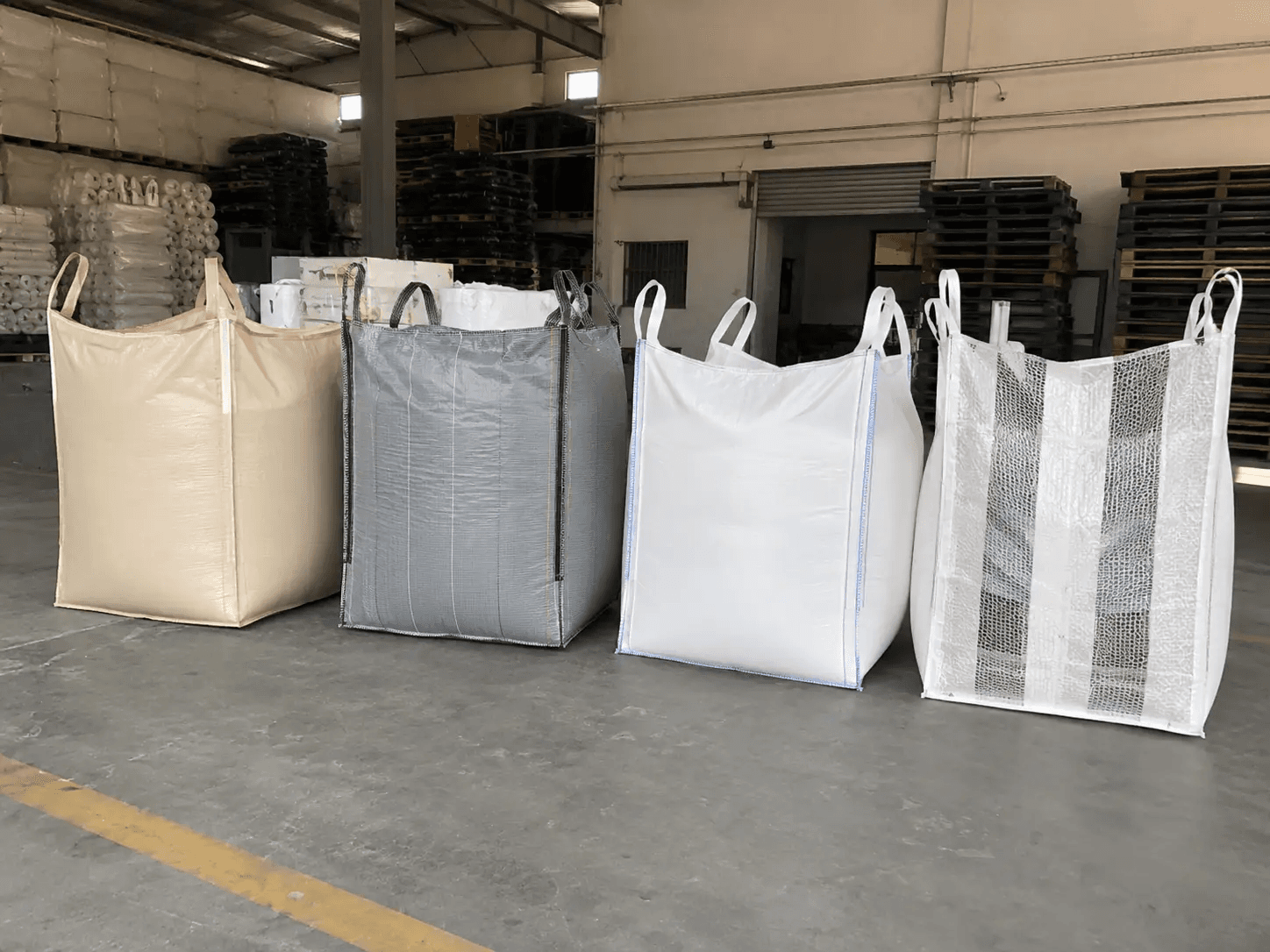
What Is a Ventilated FIBC Bag?
Ventilated FIBC bags, also known as ventilated bulk bags or fibc ventilated bags, are large, breathable packaging containers designed to keep products like fruits, vegetables, grains, and wood logs fresh during storage and transport. In short, they are Flexible Intermediate Bulk Containers (FIBCs) made with ventilated fabric that allows continuous air circulation, preventing moisture buildup and maintaining the quality of perishable goods. These ventilated FIBC bags are a practical solution for industries that deal with natural, organic, or moisture-sensitive materials. For the most demanding handling requirements, you can explore our full collection of FIBC BIG BAG products.
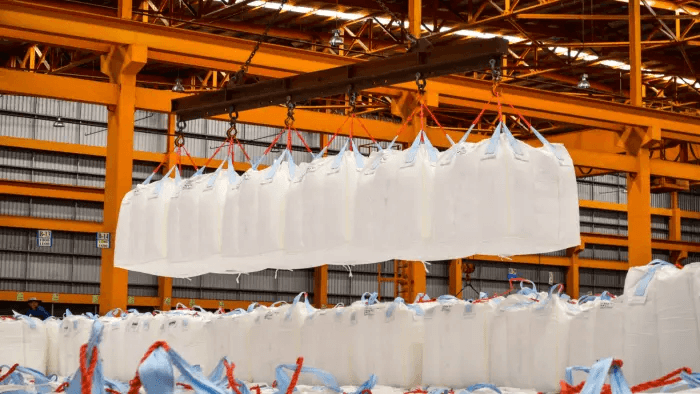
FIBC Bag Manufacturer: How to Choose Reliable Bulk Bags for Your Industry
The FIBC bulk bag industry connects agriculture, chemicals, mining, food processing, construction materials, and energy supply chains. Choosing an FIBC Bag Manufacturer is not simply about comparing the price of one bag. It is about assessing whether a manufacturer can keep pace with changes in materials, production, safety, delivery, and end-use requirements.
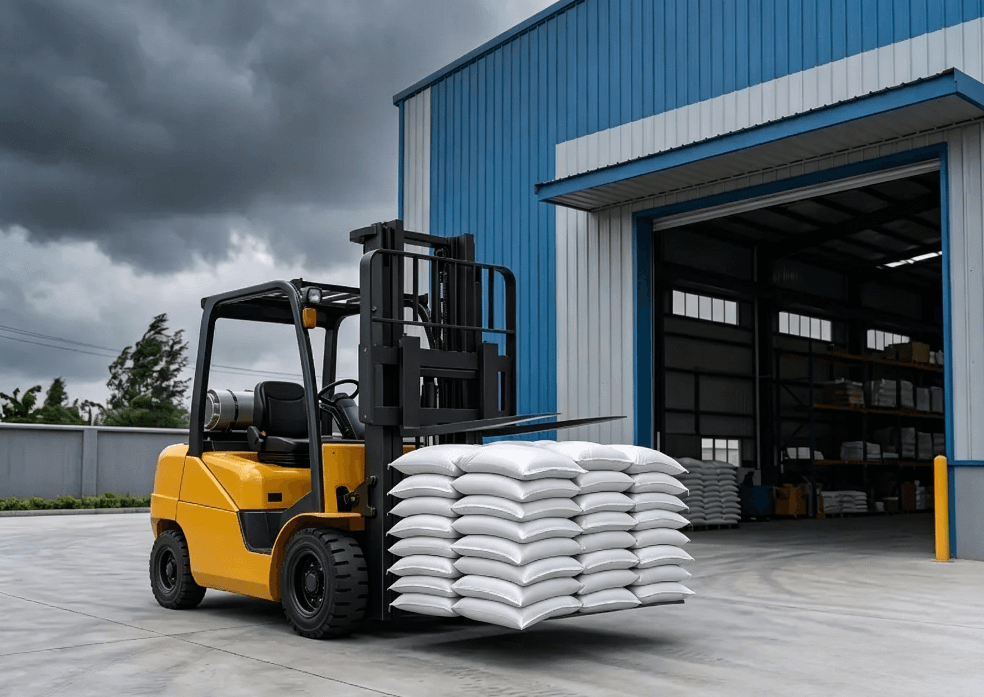
How FIBC Bulk Bags Improve Safety and Efficiency in Warehousing
Some materials in a facility behave exactly the way you expect them to. Others? Not so much. Powders shift, granules scatter, and bulky products love testing the limits of whatever container you put them in. This is the exact reason logistics teams, warehouse managers, and production heads continue reaching for what might be the simplest workhorse in the industry: FIBCWorld bulk bags.
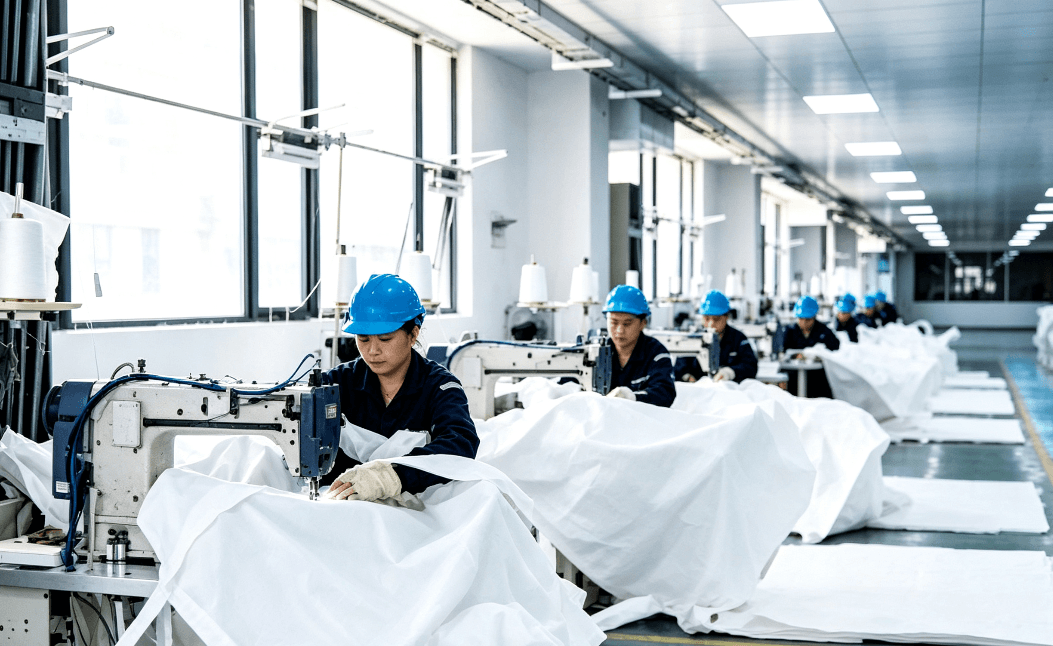
Mining FIBC Bags: How to Choose Bulk Packaging for Ore, Minerals, and Concentrates
In the mining industry, ore, minerals, and mineral concentrates move through multiple stages, including extraction, crushing, screening, beneficiation, warehousing, port handling, and downstream processing. Packaging is not simply a final transport container. It affects delivery reliability, material loss, workplace safety, and inventory efficiency. Appropriate mining FIBC bags turn bulk materials into measurable, identifiable, stackable, and forklift-ready handling units.